

Lina Irawan
- Artificial Intelligence
- October 28, 2026
- 2 views
Beyond the Clinical Trial: How AI Is Uncovering Hidden Patient Experiences with GLP-1 Drugs
The rise of GLP-1 receptor agonists—a class of medications including semaglutide (Ozempic, Wegovy, Rybelsus) and tirzepatide (Mounjaro, Zepbound)—has been nothing short of a medical revolution. Originally developed to manage type…

Muslim
- Artificial Intelligence
- October 24, 2026
- 22 views
The Reasoning Paradox: Why Training AI to "Think" Might Be Hurting Clinical Prediction
In the high-stakes world of medical artificial intelligence, a prevailing dogma has long suggested that if a model explains its reasoning, it will necessarily reach a more accurate conclusion. By…
Pevita Pearce
- Technology Trends
- October 21, 2026
- 18 views
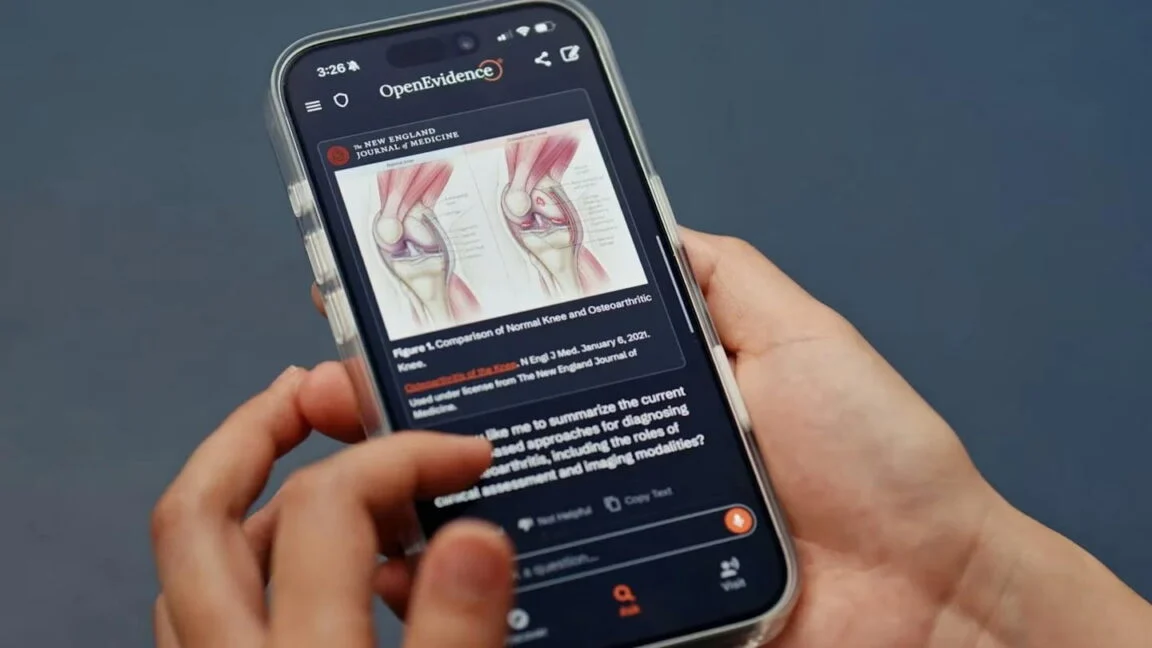
The High-Stakes Evolution of OpenEvidence: Can AI Bridge the Gap Between Literature and Clinical Reality?
The intersection of artificial intelligence and medicine has moved beyond the hype phase, entering a period of critical evaluation where the promise of “digital doctors” meets the cold reality of…

Rifan Muazin
- Artificial Intelligence
- October 10, 2026
- 89 views
Beyond the Clinical Trial: How AI is Uncovering Hidden Patient Experiences with GLP-1 Drugs
In the rapidly evolving landscape of metabolic medicine, a new class of drugs—the glucagon-like peptide-1 (GLP-1) receptor agonists, including Ozempic, Wegovy, Mounjaro, and Zepbound—has achieved a level of cultural and…

Laily UPN
- Artificial Intelligence
- August 6, 2026
- 69 views
Bridging the Language Gap: MediRec Emerges as a Breakthrough for Explainable Clinical AI in Chinese Healthcare
Introduction: The Challenge of Clinical Intelligence In the rapidly evolving landscape of artificial intelligence, Large Language Models (LLMs) have emerged as powerful tools capable of parsing complex human language and…

 Azzam Bilal Chamdy
 Ammar Sabilarrohman

 Lina Hope
The Hidden Human Cost: How CAPTCHA Farms Bypass the Web’s Most Common Security Gate
Asro
- November 5, 2026
- 2 views
 Suro Senen
