
 Nana Muazin
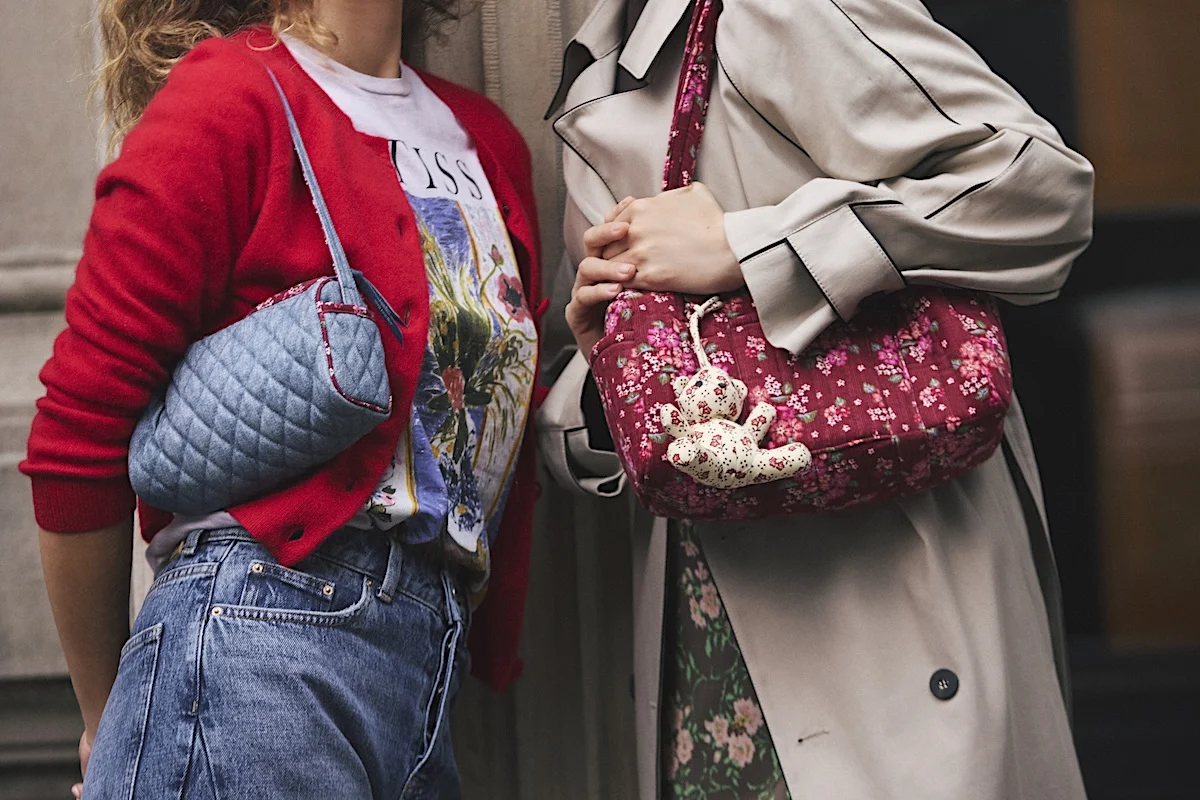
After nearly five years of stagnant growth and a turbulent attempt to modernize, the 44-year-old accessories powerhouse Vera Bradley is finally finding its footing. The brand’s recent quarterly earnings report—marking its first instance of revenue growth in nearly half a decade—serves as a powerful case study in the dangers of losing sight of brand heritage and the rewards of a strategic "return to roots."
Central to this resurgence is "Project Sunshine," a comprehensive, multi-pronged initiative launched in 2025 aimed at reversing years of declining sales and, more importantly, rekindling a connection with a new generation of shoppers. By pivoting away from the sterile, leather-heavy aesthetic that defined its failed previous turnaround attempt, the brand is proving that sometimes the best way to move forward is to look backward.
A Tale of Two Strategies: The Chronology of Change
The current momentum at Vera Bradley did not emerge in a vacuum; it was born from the ashes of a failed experiment. In 2024, the company attempted "Project Restoration," a modernization effort that sought to shed the brand’s "grandma-core" image in favor of more contemporary silhouettes, neutral leather materials, and a complete overhaul of its logo and store aesthetic.
The strategy backfired. Longtime customers—the loyal base that sustained the brand for decades—rebelled against the shift, feeling that the company had abandoned the signature florals and whimsical prints that made Vera Bradley a household name. The move left the brand in an identity crisis: it was too generic for its loyalists and failed to distinguish itself in a crowded, competitive market for younger, trend-driven shoppers.
Recognizing the tactical error, the company underwent a leadership shakeup, leading to the appointment of Melinda Paraie as Chief Brand Officer at the end of 2025. Under the guidance of CEO Ian Bickley and Paraie, the company pivoted to "Project Sunshine." Unlike its predecessor, this initiative was explicitly marketed as an evolution of the brand’s DNA rather than a total rebranding. By early 2026, the company began to see the fruits of this labor, culminating in a September 2026 announcement of $71.6 million in revenue, a 1.1% year-over-year increase—the second consecutive quarter of growth.
The Pillars of Project Sunshine
Project Sunshine is not merely a marketing campaign; it is a holistic operational overhaul. According to internal leadership, the plan rests on four major pillars: product optimization, digital-first engagement, organizational alignment, and a reinvention of the outlet channel.
1. Returning to the DNA: The Power of Whimsy
The core of the turnaround is a rejection of the "Project Restoration" obsession with solids and leather. Instead, the brand has returned to its hallmark cotton fabrics, vibrant prints, and playful textures like velvet, corduroy, and ruffles. This is not a regressive move, but a calculated play on the "anemoia" trend—a psychological longing for a past one never experienced. By digging into its archives and launching the "Remix Collection," Vera Bradley has successfully positioned itself as a purveyor of "authentic vintage" for Gen Z shoppers who are increasingly weary of the environmental and aesthetic costs of fast fashion.
2. Digital-First Ecosystem and Influencer Integration
Vera Bradley has moved beyond traditional retail, aggressively targeting social commerce channels like TikTok Shop. With over 24,000 units sold via TikTok in the third quarter alone, the brand is learning to speak the language of digital natives. The strategy involves providing creators with specific, curated briefs, ensuring that the brand’s quilted products appear organically in trending aesthetics such as "grandmacore" and "coastal grandma."
3. Personalization as a Growth Engine
Understanding that modern consumers value self-expression, the brand has doubled down on customization. The success of its bespoke bag collections—which sold out in under three minutes—highlighted a clear demand for unique, one-of-a-kind items. By introducing customizable bag charms (ranging from cookies to mini-totes) and in-store monogramming events, Vera Bradley is transforming the commodity of a handbag into a personalized accessory that reflects the buyer’s individual personality.
4. Refining the Retail Experience
While digital is the growth engine, the physical store remains the brand’s soul. Through creative activations, such as the "Strawberry Girl Summer" event and partnerships with brands like Little Words Project, the company is turning its retail footprint into a destination. These events go beyond transactions; they build community, offering Gen Z and Gen Alpha shoppers the "Instagrammable" moments they crave.
Supporting Data: Why the Numbers Matter
The data suggests that the market is responding favorably to this "back to basics" approach. The 1.1% year-over-year revenue growth may seem modest in isolation, but in the context of a five-year slide, it represents a critical inflection point.
Retail analysts, including Jessica Ramirez of The Consumer Collective, note that the brand’s strategy aligns perfectly with current consumer sentiment. Surveys of young shoppers in Texas malls and observations at major trade shows indicate a massive shift toward "mismatching," color-heavy accessorizing, and the use of smaller, practical shoulder bags—a silhouette that has become a staple of the current Vera Bradley catalog. The shift toward smaller bags is not just a style choice but a pragmatic one: as consumers move toward a "phone-first" lifestyle, the need for large, cavernous totes has diminished, making the brand’s new, smaller offerings perfectly suited to the modern consumer’s pocketbook.
Official Perspectives: The Leadership Vision
The executive team has been remarkably candid about the missteps of the past. CEO Ian Bickley’s admission in March that the brand had become "indistinguishable from other brands" and "overreliant on promotions" served as a foundational reset. By shifting the focus from discounting to product excellence, the company is working to restore its premium perception.
Melinda Paraie, Chief Brand Officer, emphasizes that the goal is not to reinvent the wheel, but to refine the "joyful optimism" that is the brand’s unique selling proposition. "We’ve gone back to our DNA and where we see strength," Paraie noted during a recent briefing. "Our objective going forward is to play into the nostalgia and brand truths that we know resonate with our customers, but to make it relevant today through new prints and patterns."
Implications for the Future: A Blueprint for Legacy Brands
Vera Bradley’s turnaround provides a vital lesson for other heritage brands struggling to stay relevant in a fast-moving digital landscape. The primary implication is that "modernization" does not always mean "sanitization." By attempting to scrub away the very traits that made them iconic, brands often alienate their core while failing to capture the youth market they seek to attract.
Furthermore, the "Project Sunshine" model demonstrates the importance of agility. By admitting defeat on the "Project Restoration" path and pivoting within a year, the company saved itself from a potential long-term decline. The brand’s willingness to experiment—whether through TikTok Shop, bespoke collections, or interactive in-store events—shows that a brand can be both a legacy institution and a trend-conscious participant in the modern social economy.
As Vera Bradley moves into the next fiscal year, the challenge will be maintaining this momentum. The "honeymoon phase" of the turnaround is over, and the company must now prove that its digital-first, personalization-heavy model is scalable and sustainable. However, with a renewed focus on its "joyful" roots and a clearer understanding of its customer’s desire for self-expression, the brand has successfully moved the needle from "obsolete" to "relevant."
In an era where fashion cycles move at the speed of a scroll, Vera Bradley has managed to do the nearly impossible: it has made the past feel like the future. By leaning into its heritage rather than running from it, the company has provided a roadmap for how legacy retailers can find their "sunshine" in an increasingly crowded and competitive marketplace.


 Muslim

 Laily UPN

 Jia Lissa

 Lina Irawan

 Asep Darmawan
