
 Jia Lissa

For over a decade, the global financial landscape operated under a singular, predictable rhythm: the era of "easy money." From the post-2008 recovery through the start of the 2020s, interest rates hovered near zero, fueling a period of unprecedented expansion, corporate growth, and a red-hot housing market. However, that fourteen-year cycle has been abruptly upended. The Federal Reserve, led by Chair Jerome Powell, has shifted gears, pivoting from aggressive monetary stimulus to a policy of tightening, pushing interest rates to two-decade highs.
This shift has left many individual investors, homeowners, and business owners questioning the stability of their portfolios and the viability of their long-term financial plans. While the financial press is saturated with minute-by-minute updates on basis point increases, there is a distinct lack of practical, strategic guidance for the average person. To understand what this means for your wallet, we must look beyond the daily headlines and examine the mechanics of the current economic environment.

The Chronology of the "Easy Money" Era
To understand the current "hard" economy, we must first recognize the "easy" one that preceded it. For nearly fifteen years, central banks—primarily the Federal Reserve—maintained near-zero interest rates to stimulate economic growth. This was the "gas pedal" of the modern economy.
Cheap credit allowed businesses to borrow at historically low costs, fueling a surge in venture capital, corporate expansion, and aggressive hiring. Simultaneously, the housing market became hyper-stimulated. With mortgage rates hovering between 2% and 3%, consumers were incentivized to take on larger loans, driving up home prices as demand consistently outstripped supply.
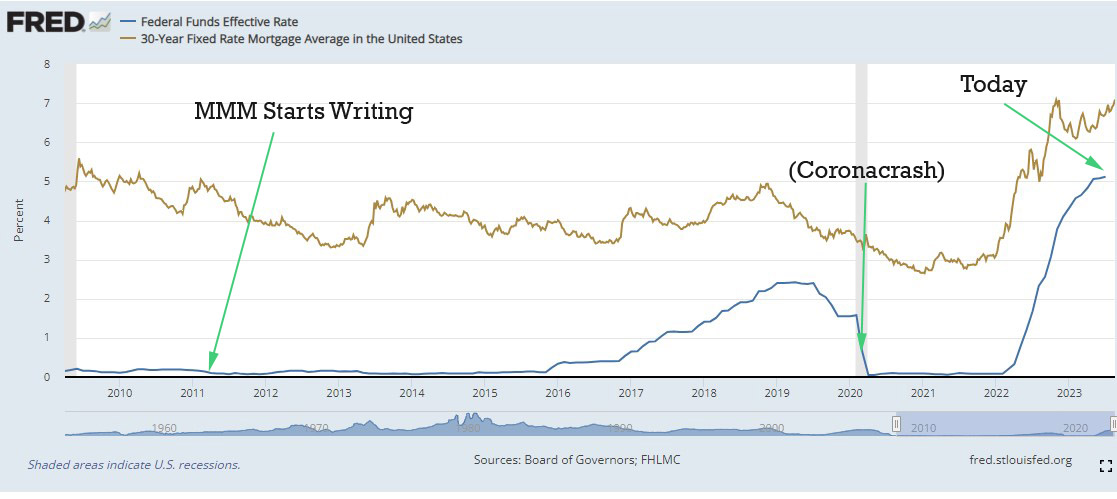
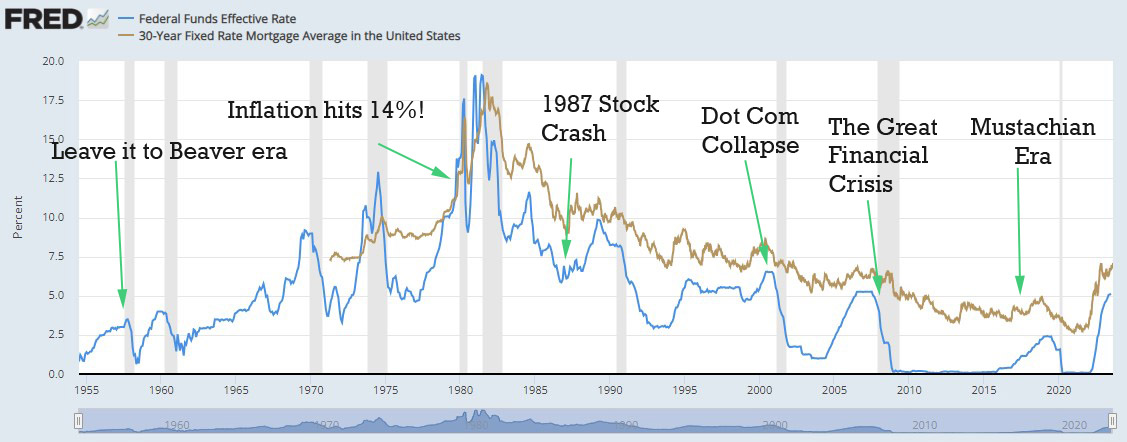
This party was highly productive for a time, leading to significant innovation and general prosperity. However, the excess liquidity eventually created a classic economic scenario: too much money chasing too few goods. By 2022, the byproduct of this unchecked expansion became clear: rampant inflation. The Federal Reserve was forced to transition from a policy of stimulus to one of restraint, slamming the brakes on the economy by rapidly hiking the federal funds rate.
Supporting Data: A Market in Transition
The transition has been stark. Mortgage rates, which were comfortably sitting at 3% just a few years ago, have surged toward the 7.5% mark. This shift has fundamentally altered the math of homeownership.

Consider a prospective buyer with a 10% down payment. At a 3% interest rate, the monthly cost of servicing a mortgage was manageable for many middle-class families. At 7.5%, the exact same property requires a significantly higher monthly outlay, effectively pricing out millions of potential buyers and cooling the frantic bidding wars that defined the pandemic era.
Simultaneously, the broader stock market has felt the pressure. Between the peak of 2022 and late 2023, the U.S. market experienced a period of stagnation and decline. While long-term investors are accustomed to volatility, the psychological shift from "growth at all costs" to a high-interest-rate environment has caused many to reconsider their asset allocation.

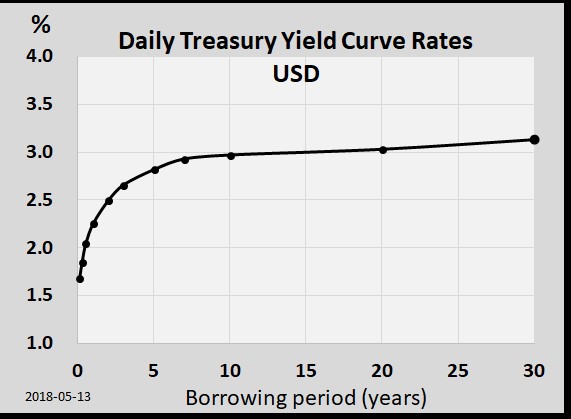
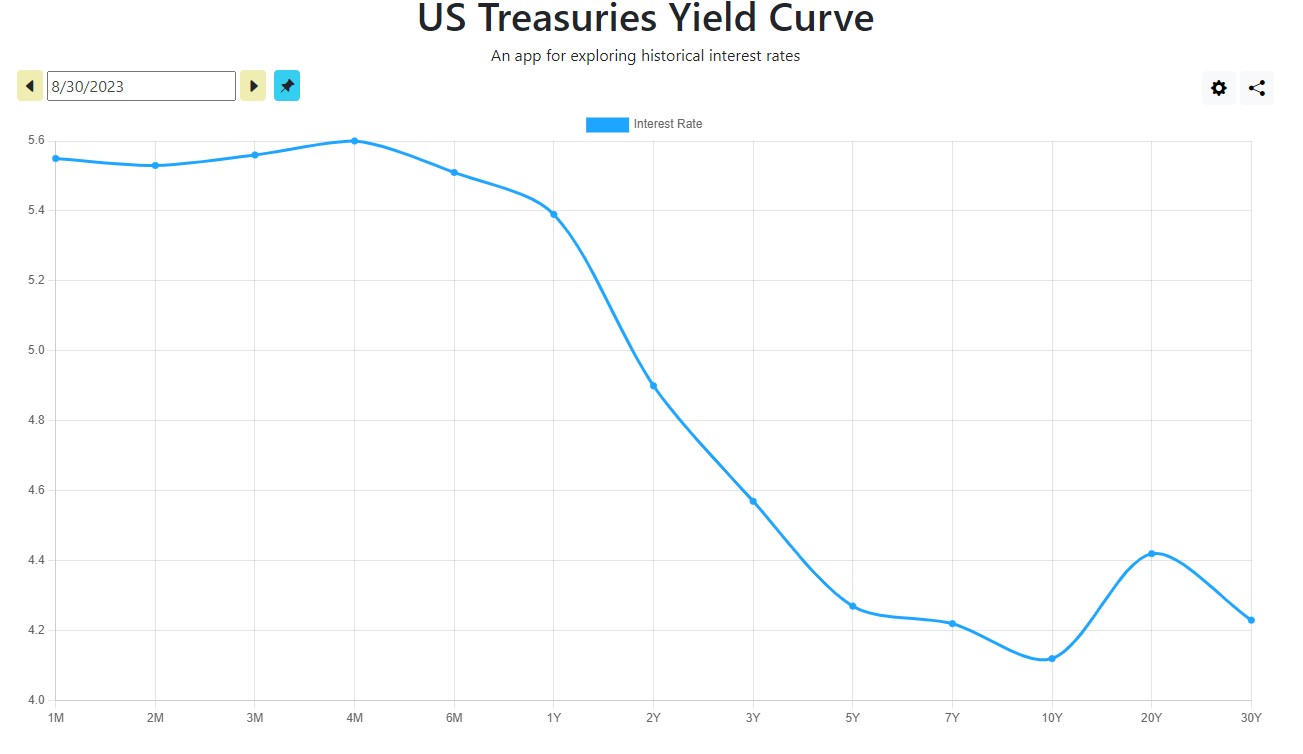
Furthermore, we are observing an inverted yield curve. Typically, lenders demand higher interest rates for locking up their money for longer periods. Currently, the market is offering higher returns for short-term bonds than for long-term ones. Historically, this anomaly has been a highly accurate harbinger of an impending economic recession. It signals that investors believe the current high-rate environment is unsustainable and that the Fed will eventually be forced to pivot back to lower rates to stave off an economic contraction.
Official Responses and Economic Sentiment
The official narrative from the Federal Reserve remains focused on "taming" inflation. Jerome Powell has repeatedly stated that the Fed is willing to endure a period of economic softness to ensure that inflation returns to its 2% target.
While critics across the political spectrum argue over whether the Fed has gone too far or acted too late, the macro data tells a surprising story: the U.S. economy has proven remarkably resilient. Unemployment remains at historic lows, and corporate earnings have, in many sectors, defied the gloom-and-doom forecasts.
Despite the "hard times" rhetoric pervasive in media, the country is not currently experiencing a structural collapse. Rather, it is experiencing a necessary, if uncomfortable, correction. Think of it as a cooling-off period for an economy that had "wolfed down" too much sugar and now needs to digest it. This is a cyclical, normal event that occurs every decade or two, even if it feels jarring after such a long period of artificial stimulus.
Implications: What Should You Do?
1. The Stock Market: Stay the Course
If you are asking, "Should I pull my money out because the market will crash?" the answer remains a resounding no. The stock market is the most efficient wealth-building machine in human history, but it does not move in a straight line. Timing the market is a fool’s errand. In fact, if the market is currently in a correction, it should be viewed as a "sale." Long-term investors should maintain their contribution schedules; you are effectively buying assets at a discount compared to their previous highs.
2. The Savings vs. Investing Dilemma
The rise of 4.5% to 5% interest rates in high-yield savings accounts and money market funds has created a new temptation for conservative investors. While it is true that these vehicles now offer a risk-free return that was previously nonexistent, they rarely outperform the market over a ten-year horizon. If your time horizon is decades, the stock market remains the superior choice. If you are keeping cash for a house down payment in the next 1–2 years, however, these high-interest vehicles are a prudent place to park your capital.
3. The Housing Market: A Structural Shift
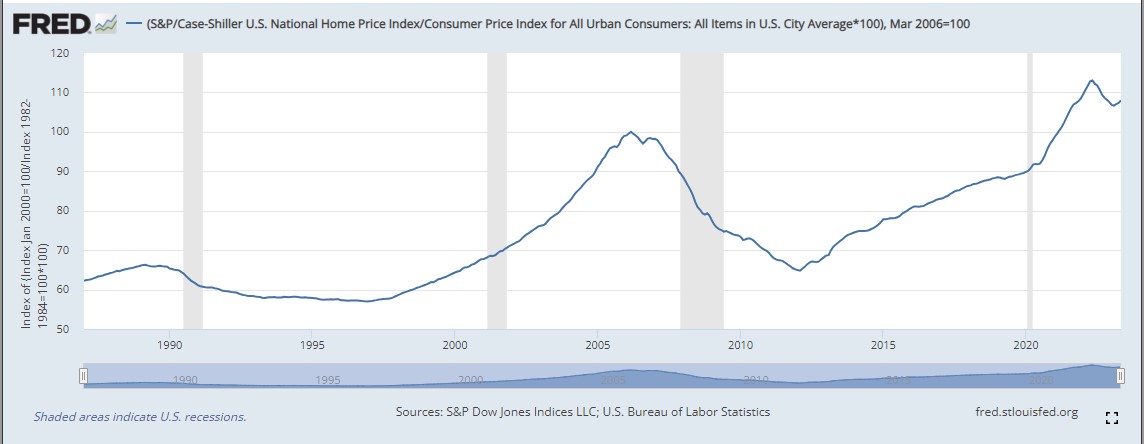
The reality of the housing market is that supply and demand will always dictate price. While higher mortgage rates have temporarily suppressed demand, the fundamental shortage of housing in the U.S. persists.
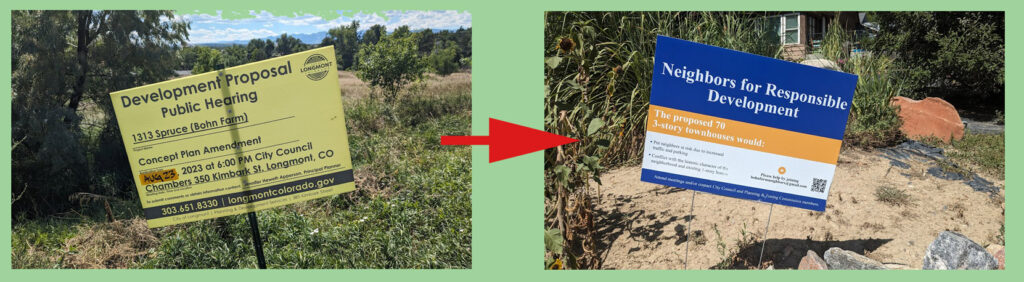
Construction costs are being mitigated by technology—better tools and modular building techniques—but these gains are frequently offset by "bullshit restrictions." Excessive zoning laws, red tape, and NIMBY (Not In My Backyard) opposition continue to stifle the supply of new homes. Consequently, while we may see a 20% to 25% correction in prices in some overheated markets, a total collapse is unlikely due to the sheer lack of inventory.
4. The "Strategy Hack": Position, Not Prediction
The ultimate strategy in a volatile interest-rate environment is to prioritize your personal balance sheet over macroeconomic predictions.
- Become Liquidity-Rich: If you have cash reserves, you do not need to worry about the interest rates that the rest of the world is stressing over. You are in a position of strength. When the market provides an opportunity—be it a dip in stocks or a motivated seller in the real estate market—you can pounce.
- Live Below Your Means: The most effective defense against high interest rates is a lack of debt. By avoiding excessive financing, you insulate yourself from the whims of the Federal Reserve.
- Focus on the Long Term: Interest rates will inevitably fluctuate. They will rise when the economy is hot and fall when it cools. By focusing on your personal earning power, savings rate, and lifestyle design, you turn these macroeconomic forces into mere background noise.
Conclusion
We are currently navigating a transition phase—a "rebalancing" of the global economy. While the headlines suggest that the sky is falling, the reality is much more mundane. The era of "free money" has ended, and we are returning to a more traditional environment where the cost of capital is once again a factor in decision-making.
Do not be distracted by the political noise or the daily hand-wringing in the financial press. Focus on the variables within your control: your debt levels, your savings rate, and your long-term asset allocation. If you maintain a disciplined, lean, and proactive approach to your finances, today’s interest rates will be nothing more than a ripple in the lake of your long-term wealth journey. The economy will eventually adjust, inflation will settle, and the cycle will begin anew. Your job is not to predict the next turn, but to ensure that when it comes, you are standing on solid ground.


 Nana Wu

 Nila Kartika Wati

 Muslim

 Laily UPN

 Lina Irawan

 Asep Darmawan

 Reynand Wu
