
 Basiran
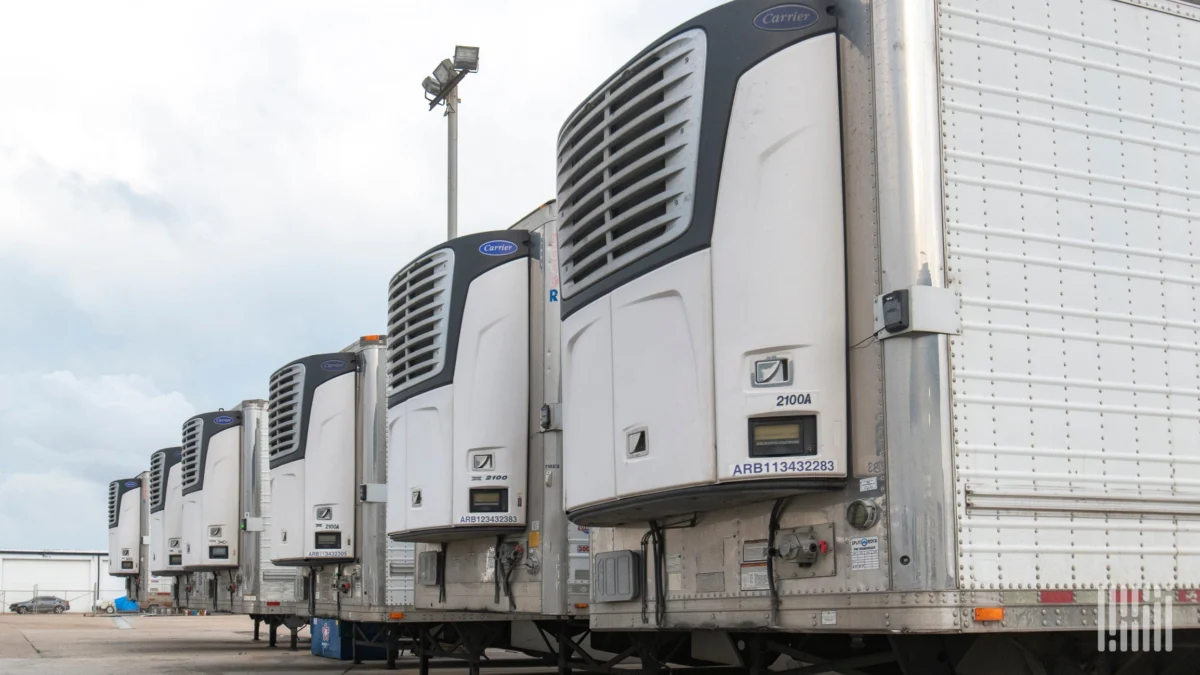
For the small-to-mid-sized carrier, the logistics of equipment acquisition is often treated as a secondary concern, subordinate to the acquisition of trucks and drivers. However, according to industry experts, this perspective is fundamentally flawed. Choosing between owning a trailer, financing one, running power-only, or utilizing a rental marketplace is not merely an equipment question; it is a critical business strategy that dictates the cost structure and profitability of the entire operation.
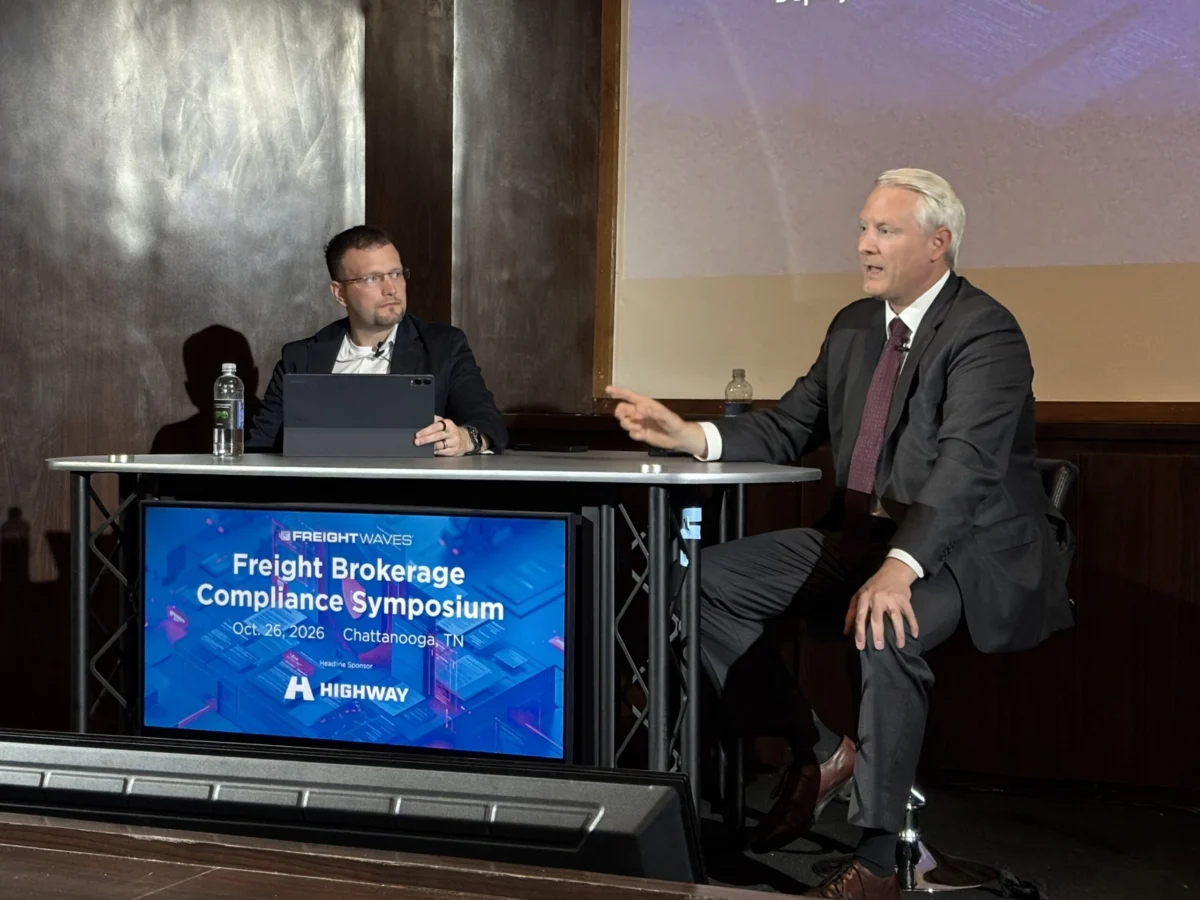
As discussed during a recent episode of the Long Haul podcast, recorded live at the F3 event in Chattanooga, the failure to master this "trailer math" is one of the most common and expensive errors growing fleets make. Matt Harb, Vice President of Product and Operations at the trailer-sharing marketplace Repowr, argues that in an era of volatile freight rates, the most successful carriers are those that treat trailer capacity as a flexible, on-demand resource rather than a rigid, depreciating asset.
The Core Problem: The Hidden Costs of Asset Rigidity
At the heart of the debate is the transition from a single-truck owner-operator to a small fleet. When an operator moves from one truck to five or ten, the temptation is to replicate the previous model: buy another truck, sign another lease, and manage assets as fixed pillars of the business.
Harb suggests that this approach is a trap. "The margin lives in the box, not just the tractor," he notes. For a carrier, the trailer is not just a tool; it is the physical manifestation of market access. Without a sufficient trailer-to-truck ratio, a carrier is effectively excluded from the most lucrative segment of the market: drop-and-hook freight.
The Myth of the "One-Size-Fits-All" Model
Many carriers fall into the habit of running "power-only"—a model where the carrier provides the tractor and driver, but pulls a trailer owned by a broker or shipper. While this eliminates the capital expenditure (CapEx) of purchasing a trailer, it introduces significant hidden costs:
- Rate Compression: Power-only freight typically commands a premium lower than drop-and-hook work, often by 5% to 10%.
- Regional Confinement: Power-only operations often force carriers to follow the equipment rather than the market, limiting their ability to chase high-paying lanes.
- Efficiency Loss: The time spent waiting for a specific trailer or deadheading to reposition equipment eats into the driver’s hours of service (HOS) and the fleet’s overall revenue per mile.
Chronology of a Business Decision: From Start-up to Scale
The lifecycle of a growing fleet follows a predictable arc, and the strategy for equipment management should evolve accordingly.
Phase 1: The Start-Up (1-3 Trucks)
At this stage, capital is the most precious resource. Harb advises against locking capital into depreciating trailers. Instead, he suggests leveraging short-term rentals. This allows a new carrier to test lanes, understand their shippers’ requirements, and maintain agility.
Phase 2: The Transition (4-9 Trucks)
This is the "danger zone" where many carriers make the mistake of over-committing to long-term leases based on the promise of future freight. Harb recalls advising a 15-truck fleet that was planning to lease a fleet of reefers based on verbal commitments from shippers. "A promise of freight is exactly the wrong reason to take on years of fixed equipment cost," he says. The recommendation? Rent for 90 days to prove the lane’s viability before signing a long-term contract.
Phase 3: The Established Fleet (10+ Trucks)
Once a business is established, the focus shifts to maximizing the trailer-to-truck ratio. This is where "drop-and-hook" becomes the primary objective. Achieving a 2:1 or 3:1 ratio allows a fleet to drop trailers at customer sites, keeping the tractors moving constantly. This phase requires a sophisticated mix of owned assets, long-term leases, and a flexible rental "buffer" to manage seasonal spikes.
Supporting Data: The Economics of Rental vs. Ownership
To understand why the "rent vs. buy" decision is so impactful, one must look at the math. A used dry van can cost upwards of $35,000, while a new unit can exceed $55,000. These figures, however, are just the entry fee.
The "All-In" Cost of Ownership
Ownership involves a web of secondary costs that are often ignored:
- Maintenance: Tires, brakes, and structural repairs on trailers are constant.
- Insurance: Premiums are non-negotiable and fixed.
- Parking/Storage: In urban centers, finding secure yard space for idle trailers is increasingly difficult and expensive.
- Repositioning: If a trailer is in the wrong location, moving it empty can cost $500–$600 per trip through traditional services.
The Rental Advantage
Marketplaces like Repowr have introduced a new layer of efficiency. By charging on a rolling 30-day basis, these platforms eliminate the "sunk cost" of idle equipment. Harb notes that for short-term needs (under 14 days), some trailers can be rented for as low as $8 per day—a price point driven by suppliers who are desperate to have their equipment repositioned.
Official Perspective: The Repowr Approach
Repowr’s platform was built specifically to lower the friction of this equipment dance. The platform utilizes data-driven screening to ensure that carriers only see trailers they are qualified to rent.
Lowering the Barrier to Entry
The onboarding process is designed for the high-velocity environment of modern trucking. A carrier enters their DOT number, and the platform automates the verification of their safety record and insurance status.
- Time-to-Approval: Most carriers are vetted in minutes.
- Insurance Integration: The platform handles the "additional-insured" paperwork, which is often a major administrative hurdle for small fleets.
- Equipment Quality: By setting a minimum threshold—such as requiring three months of active revenue—the platform protects the equipment owners, ensuring that trailers remain in good condition.
Implications for the Industry
The shift toward on-demand trailer access represents a fundamental change in how small fleets compete with larger, asset-heavy carriers.
The Competitive Advantage of Flexibility
When a carrier treats their trailer supply as a variable cost rather than a fixed one, they gain the ability to scale up for seasonal surges (like the retail peak season) and scale down during market lulls. This agility acts as a hedge against the cyclical nature of freight rates.
The Rise of Digital Security
As the industry moves toward digital rental marketplaces, the threat of fraud has also increased. Harb issued a stark warning to owner-operators: "If a deal looks too good to be true, it is." He advises against using cash apps for equipment rentals and emphasizes the importance of verifying the identity of the counterparty. The most effective security measure remains the simplest: picking up the phone and speaking with a human representative.
The Future of Asset Utilization
The long-term implication of this trend is a more efficient logistics network. When trailers are not sitting idle in a yard, but are instead being actively managed through a sharing ecosystem, the industry achieves higher utilization rates. For the carrier, this means better margins. For the shipper, it means better service levels.
In conclusion, the decision-making process for fleet equipment is undergoing a quiet revolution. As Matt Harb emphasized at F3, the modern carrier must be as adept at managing the "math of the box" as they are at managing the road. By treating trailers as a fluid, accessible resource, small carriers are finding that they no longer need to be massive to compete with the giants—they simply need to be more flexible. As the industry continues to evolve, the distinction between those who own their assets and those who optimize them will likely define the next generation of successful trucking companies.

 Azzam Bilal Chamdy
 Laily UPN

 Lina Hope


 Lina Irawan


 Ammar Sabilarrohman
