
 Neng Nana
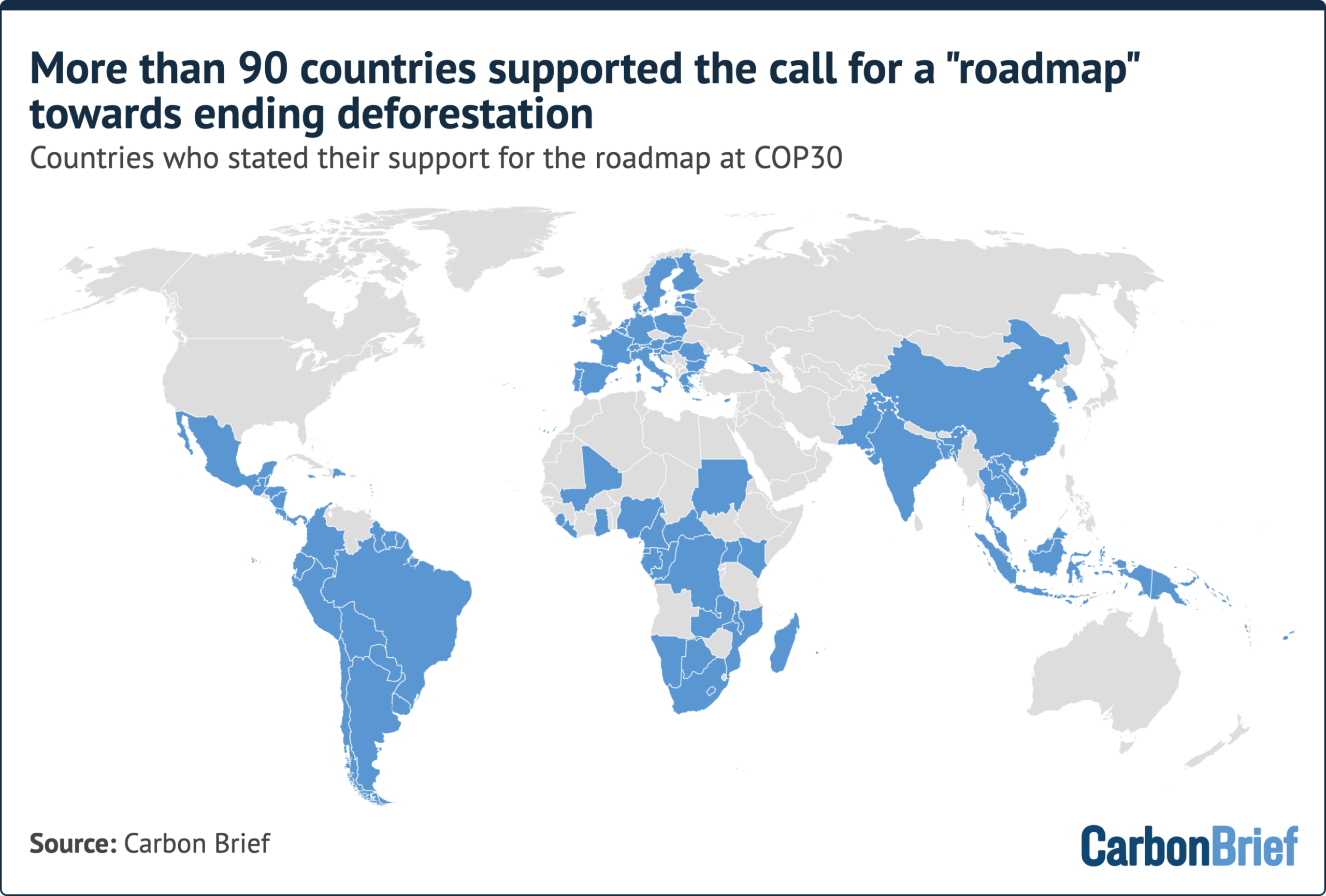
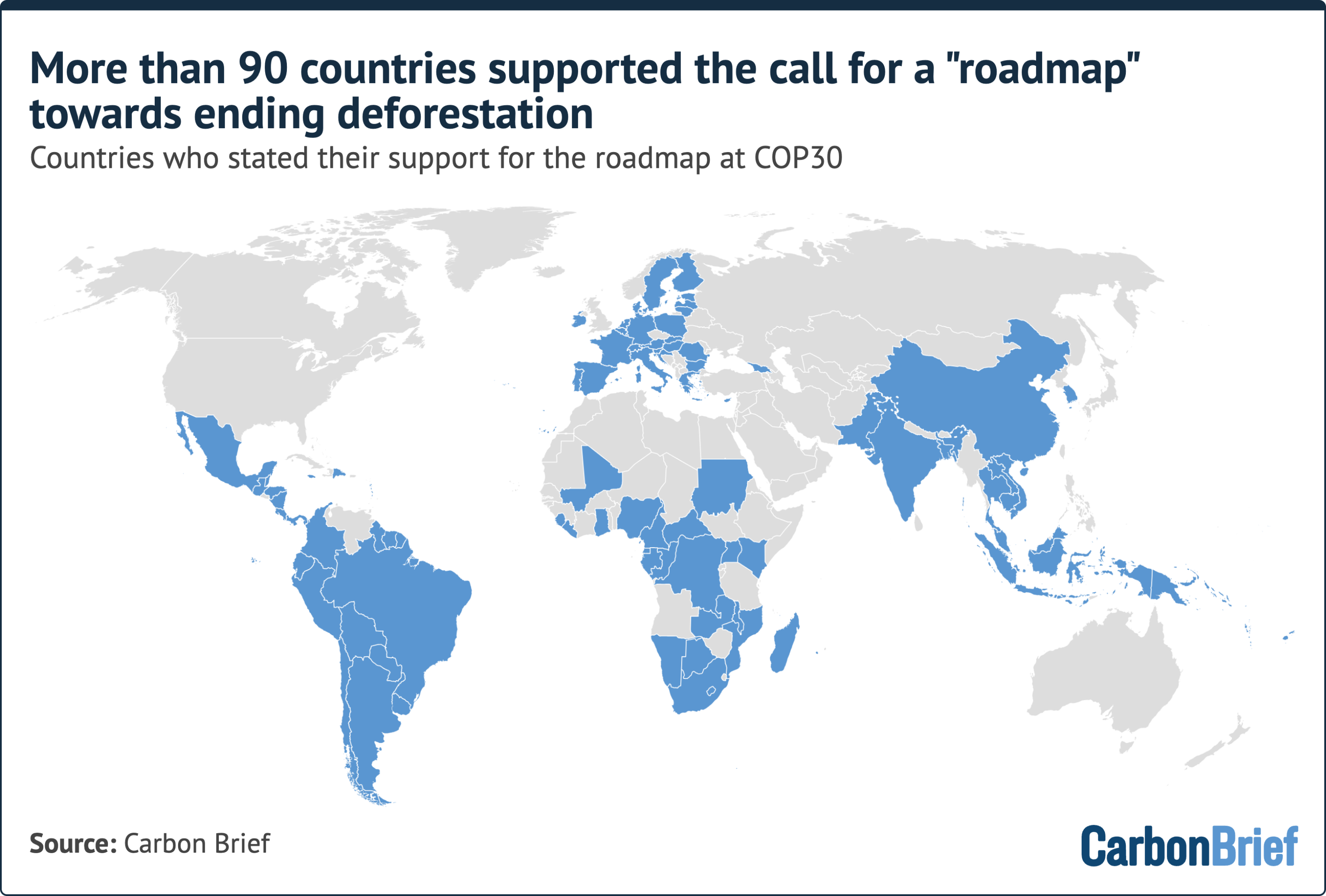
In a landmark effort to translate high-level climate ambition into granular, country-led action, the Brazilian presidency of the COP30 climate summit unveiled its long-awaited "roadmap" to halt and reverse global deforestation. Released on November 3, 2026, the document represents a pivot in how the international community approaches the existential threat of forest loss—moving away from the often-stalled formal consensus processes of the UNFCCC and toward a pragmatic, multi-stakeholder framework.
While the roadmap technically falls outside the formal, negotiated outcomes of the COP process, its influence as a "rallying point" for the so-called "Amazon COP" cannot be overstated. By the conclusion of the summit in Belém, 93 countries had formally signed on to the initiative, committing to develop national pathways to reverse forest degradation by 2030.
A Chronology of Commitments: From New York to Belém
The deforestation roadmap is not an isolated event; rather, it is the latest iteration in a decade-long series of global attempts to address the rapid disappearance of the world’s carbon sinks.
The journey began in earnest during the 2014 UN Climate Week, when 39 countries pledged to end natural forest loss under the New York Declaration on Forests. Momentum appeared to accelerate at COP26 in Glasgow, where over 140 nations signed the Glasgow Leaders’ Declaration on Forests and Land Use. However, that declaration was quickly mired in controversy regarding the specific definitions of "deforestation" and the lack of a standardized enforcement mechanism.
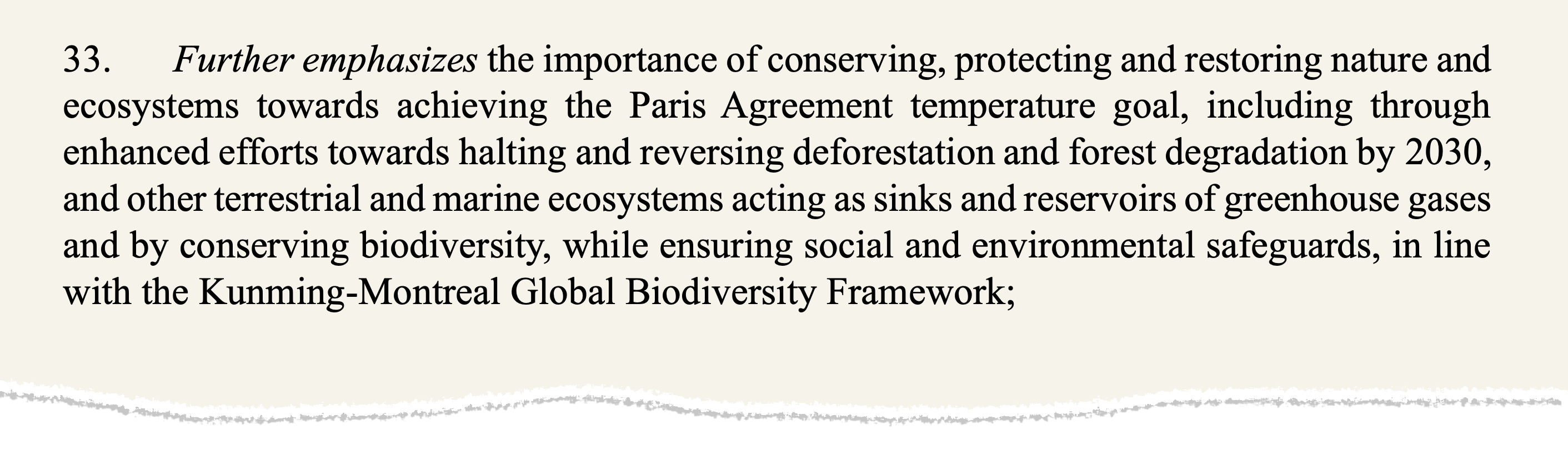
A major breakthrough occurred at COP28 in Dubai, where, for the first time, the objective of halting and reversing forest loss by 2030 was explicitly codified into the negotiated text of the Global Stocktake. Paragraph 33 of that agreement underscored the vital importance of conserving and restoring ecosystems to meet the Paris Agreement’s temperature goals.
The COP30 roadmap, proposed by Brazilian President Luiz Inácio Lula da Silva just before the Belém summit, seeks to build upon the momentum of the Dubai agreement. It does not aim to reopen past negotiations or create new, legally binding international law. Instead, its stated objective is to act as a "living document"—a technical and policy guide designed to help nations navigate the complexities of national implementation.
The Anatomy of the Roadmap: Pillar-Based Action
During the launch event in Brasília, COP30 president André Corrêa do Lago highlighted the stark progress achieved in Brazil, where deforestation rates have plummeted by more than 70% since 2022. This success story served as the backdrop for the roadmap’s structure, which organizes forest-related action into three core pillars:
1. National Efforts: A Five-Dimensional Approach
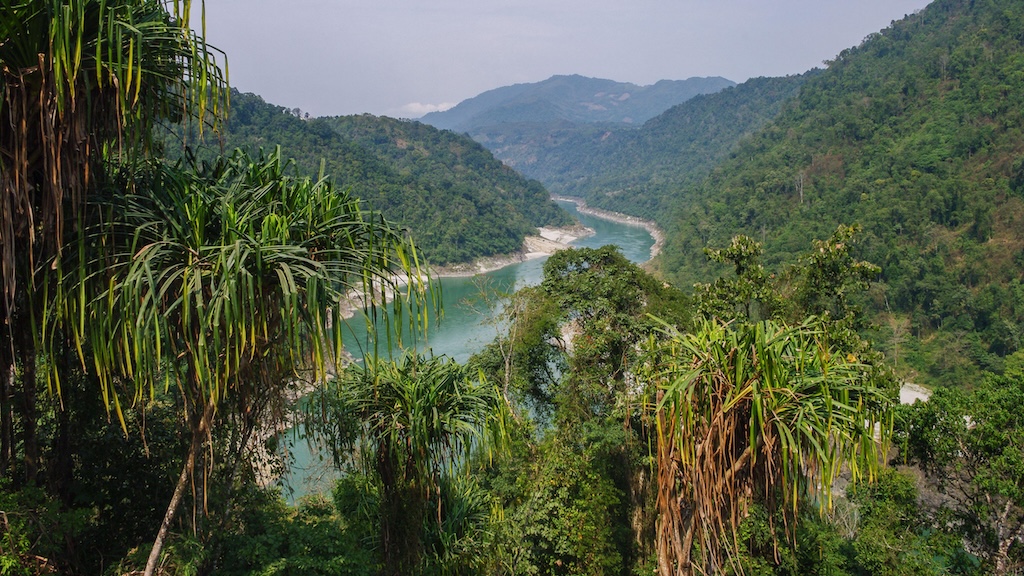
The roadmap provides a flexible framework for countries to address deforestation across five distinct "forest dimensions." It identifies 18 distinct policy approaches, ranging from the establishment of protected areas to the formal recognition of Indigenous territorial rights. Crucially, the roadmap emphasizes that these approaches are not "prescriptive," but rather a menu of options that countries can adapt to their specific national circumstances.
2. International Architecture and Trade
The roadmap addresses the disconnect between various international regimes governing climate, biodiversity, and human rights. It acknowledges that while these systems often overlap, their implementation remains fragmented. A significant portion of the roadmap focuses on trade, arguing that international policies should prioritize rewarding sustainable, deforestation-free production rather than imposing punitive administrative burdens on exporters, which can alienate developing nations.
3. Financial Mechanisms: Bridging the $300bn Gap
The most daunting barrier identified by the roadmap is the finance gap. It estimates that $300bn per year is required by 2030 to effectively halt deforestation, yet current global finance covers less than one-third of that requirement. The roadmap proposes 10 pathways to close this gap, including the alignment of domestic finance flows and the strengthening of the role of forests within international carbon markets.

Official Responses and the Challenge of Consensus
The reception of the roadmap was mixed, reflecting the deep-seated tensions within the UNFCCC regarding top-down versus bottom-up climate mandates.
The Skeptics: India and Russia
India, a vocal member of the "Like-Minded Developing Countries" (LMDC) bloc, expressed concerns about the roadmap’s development outside of the official COP agenda. Historically, India has resisted initiatives that link forest conservation to trade, fearing that such mechanisms could disadvantage developing economies. While Indian Environment Minister Bhupender Yadav later signaled an endorsement of Brazil’s Tropical Forest Forever Facility—a separate, more specific financial vehicle—the initial resistance to the roadmap highlighted the difficulty of achieving total alignment.
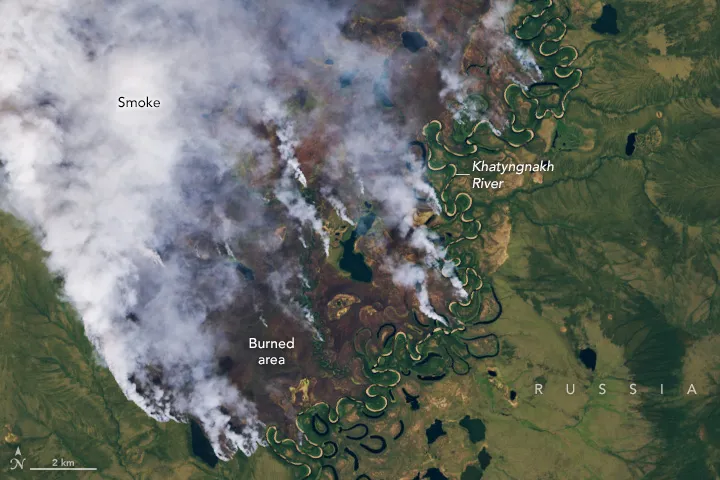
Russia, which stewards the world’s largest expanse of boreal forests, was more overtly critical. Moscow questioned the scientific consensus on the definition of "forest degradation," arguing that the roadmap’s, "universal" nature exceeded the mandate of the Paris Agreement. Russia’s objection underscored a recurring theme: the lack of a universally accepted, legally binding definition of what constitutes forest degradation, which remains a primary obstacle to effective global monitoring.
The Supporters and the "Living Document"
Conversely, 93 countries, including the European Union and the 56-member Coalition for Rainforest Nations, have fully embraced the roadmap. Supporters argue that the climate crisis is moving faster than the glacial pace of formal UNFCCC negotiations. As COP30 President Corrêa do Lago remarked, "The climate change agenda is advancing faster than the negotiations themselves, so we restructured the agenda."
Supporting Data: The Hurdles to Implementation
The roadmap process prompted 18 countries and four negotiating blocs to submit formal inputs, revealing a complex web of on-the-ground challenges.
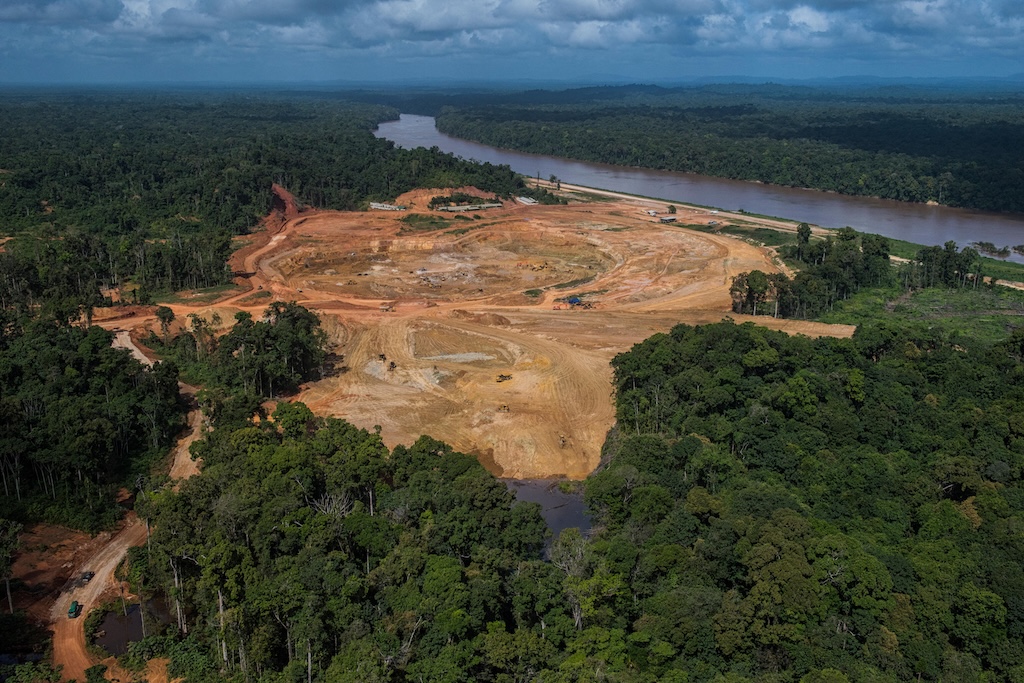
- Extractive Pressures: Countries like Guyana and Suriname reported that the short-term economic gains from mining and large-scale agriculture frequently outweigh the long-term, non-monetized benefits of standing forests.
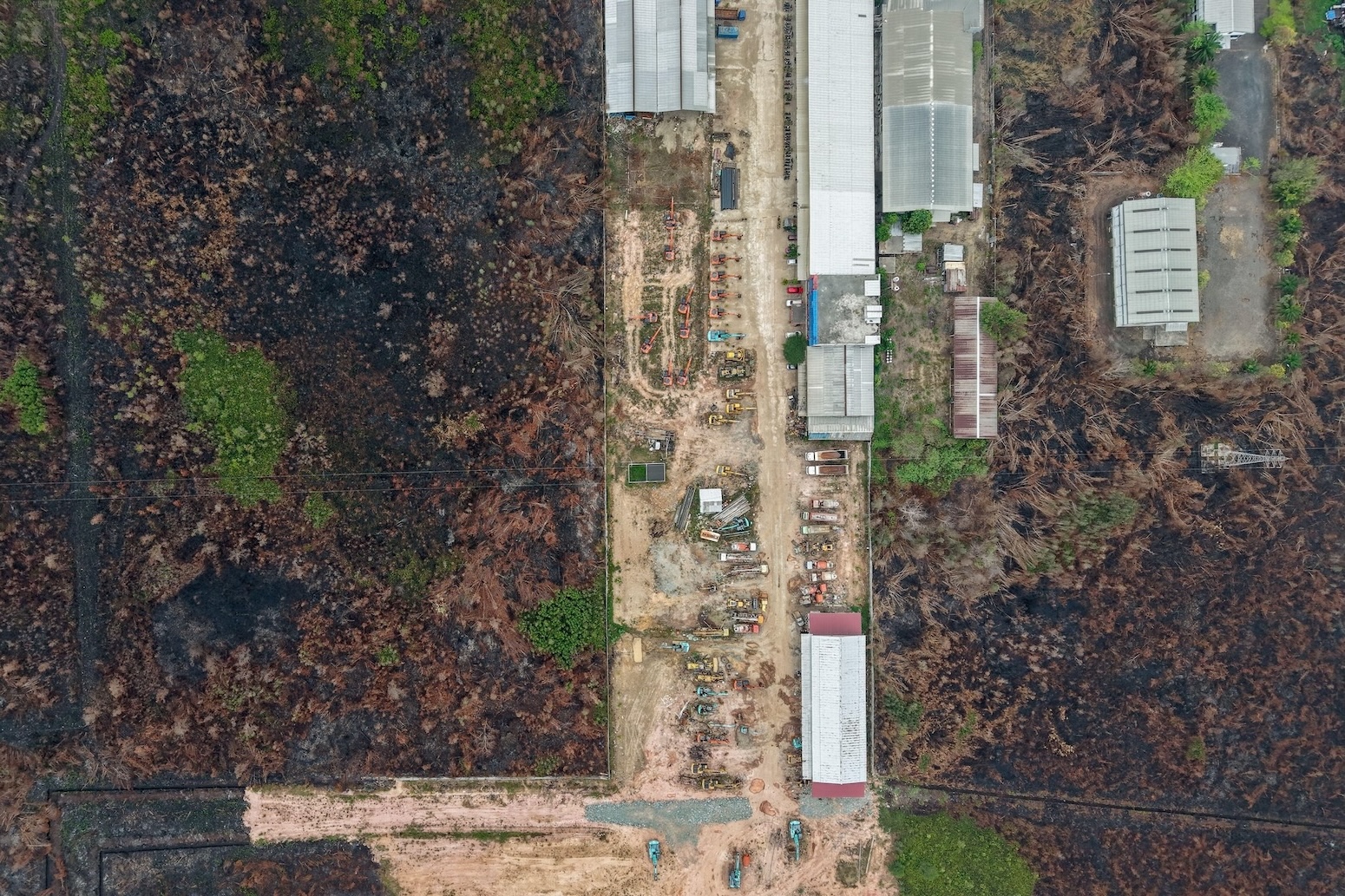
- The Wildfire Crisis: A consistent theme among nations as diverse as Canada, Russia, and Australia is the intensification of megafires. These countries have called for global cooperation on early-detection technology, noting that fire is now a leading driver of degradation that defies traditional conservation efforts.
- Energy Poverty: In nations like Sudan, the reliance on firewood for survival—a consequence of conflict and poverty—demonstrates that forest conservation cannot be divorced from broader development and humanitarian goals.
- Technical Capacity: Small Island States (AOSIS) and others highlighted a critical need for satellite-based monitoring and technical training. Even when countries have the political will to halt deforestation, they often lack the data infrastructure to track progress in real-time.
Implications: A New Era for Forest Diplomacy
The publication of the COP30 deforestation roadmap marks a significant shift in climate diplomacy. By creating a repository of "guiding questions" and best practices, Brazil has attempted to bypass the gridlock of consensus-based decision-making.
The roadmap acknowledges that "one size fits all" solutions are inherently flawed. Instead, it invites countries to engage in a "collective dialogue" that will span the period leading up to the second global stocktake in 2028.
Kelly Stone, representing the Climate Land Ambition and Rights Alliance (CLARA), offered a cautious assessment: "The forest commitments in the first global stocktake and this roadmap process are important steps, but these commitments need to translate into actual urgent action on the ground. We cannot afford to wait."

Looking Ahead to COP31
As the world pivots toward the upcoming COP31 climate summit, the deforestation roadmap will serve as a barometer for whether this new, voluntary approach can generate tangible results. The challenge remains the same as it was in 2014: moving from the rhetoric of declarations to the reality of enforced protection.
For the roadmap to be considered a success, it must prove that it is more than just a bureaucratic exercise. It must facilitate a genuine flow of capital—not just from public sources, but through de-risked private investment—to the frontlines of conservation. Whether it can maintain its status as a "living document" depends entirely on the willingness of signatory nations to submit to transparency, share data, and prioritize the long-term stability of the planet over the short-term pressures of extraction.
In the final analysis, the COP30 roadmap is an admission that the official UNFCCC machinery, while essential for global consensus, is insufficient to manage the rapid, localized, and multifaceted nature of forest loss. By moving the conversation into a collaborative, non-negotiated space, Brazil has provided a new template for climate action—one that relies on technical cooperation and political goodwill rather than just the weight of a signature on a piece of paper. Whether that is enough to save the world’s remaining forests, however, remains the defining question of the next decade.

 Nana
 Asro
 Azzam Bilal Chamdy
 Ammar Sabilarrohman


 Lina Hope

 Suro Senen
