
 Asro

In the high-stakes world of digital marketing, brands often fall into the trap of "platform tunnel vision." For years, the conversation surrounding influencer partnerships has been dominated by the algorithmic allure of TikTok and the polished, aesthetic-driven landscape of Instagram. While these platforms undoubtedly command massive attention, a singular focus on them risks leaving significant segments of your target audience—and the creators who hold their trust—untapped.
As digital landscapes mature, the most forward-thinking brands are looking toward a platform that has quietly evolved into a global powerhouse: Snapchat. Far from being merely a relic of the early 2010s, Snapchat has solidified itself as an essential, distinct pillar of modern social strategy. By integrating Snapchat into their influencer marketing efforts, brands can unlock unparalleled intimacy, reach a unique demographic, and future-proof their campaigns against the volatility of shifting algorithms.
The Evolution of the Snap Ecosystem
To understand why Snapchat is experiencing a resurgence in marketing relevance, one must look at its trajectory. Launched in 2011, Snapchat preceded the international explosion of competitors like TikTok by nearly six years. This longevity has allowed the platform to cultivate a multi-generational user base that has grown alongside the app.
The data supports this transition from a "teen-only" app to a massive, global communication hub. Snapchat now reaches an impressive 75% of 13- to 34-year-olds across more than 25 countries. As its original user base has matured into their 30s, the platform has retained their loyalty, creating a unique demographic bridge. With nearly one billion monthly active users and almost half a billion daily active users, the platform’s scale is difficult to ignore.
As Snap Inc. CEO Evan Spiegel recently noted, "Snapchat is now one of the largest Internet communities in the world, approaching one billion people using our service every month." This scale provides brands with a massive, captive audience that is often disengaged from the noise of other platforms. Research from GWI indicates that 40% of U.S. Snapchatters do not use TikTok daily, meaning that brands relying exclusively on TikTok are effectively invisible to a substantial portion of the market.
The Psychology of Connection: Why Snapchat Differs
The primary differentiator for Snapchat is its fundamental architecture. Unlike Instagram or TikTok, which are built around content discovery and public broadcasting, Snapchat was built with the premise of "personal connection" at its core.

On Snapchat, the primary function remains communication with close friends and family. When creators operate within this environment, the dynamic shifts significantly. A creator on Snapchat is not viewed as a distant, polished celebrity; they are perceived as a peer. This proximity is a double-edged sword for marketers: it offers a level of trust and authenticity that is hard to replicate, but it demands a non-negotiable adherence to genuine content.
In this ecosystem, overly scripted or highly produced advertisements are often rejected by the audience. The "camera-first" nature of the platform rewards creators who provide raw, real-time insights into their lives. For brands, this means that successful influencer partnerships must feel like a natural extension of the creator’s personality rather than a forced commercial intrusion. When executed correctly, the barrier between brand and follower dissolves, leading to significantly higher engagement and trust.
A Chronology of Strategic Features
Snapchat has meticulously built a suite of tools designed to leverage this intimacy while providing creators with diverse ways to monetize and engage. Understanding the progression of these features is essential for any brand manager looking to diversify their strategy.
1. Stories: The Engine of Urgency
The "Stories" format, which Snapchat pioneered, remains the heartbeat of the platform. Because these posts disappear after 24 hours, they create a natural sense of "Fear of Missing Out" (FOMO). This is a marketer’s dream for time-sensitive campaigns, such as flash sales, limited-edition product drops, or exclusive, one-time-use promo codes. The urgency forces immediate action, cutting through the procrastination that often occurs on permanent-feed platforms.
2. Spotlight: Expanding the Reach
While Stories cater to the creator’s loyal, inner circle, "Spotlight" provides the mechanism for discovery. This short-form video feed allows creators to reach beyond their current follower base. By utilizing Spotlight, brands can benefit from the algorithmic virality seen on other platforms while maintaining the authentic, informal tone that characterizes the Snapchat user experience.
3. AR Lenses: The Interactive Edge
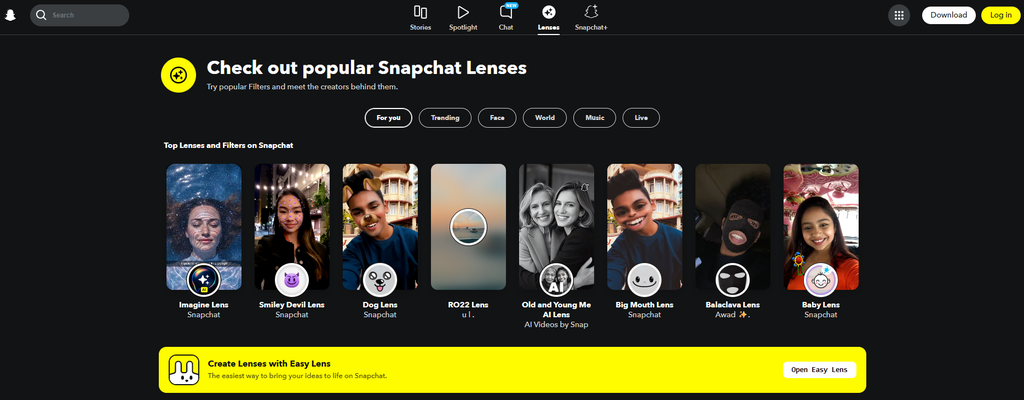
Perhaps the most distinct feature of the Snapchat ecosystem is its Augmented Reality (AR) Lenses. Unlike static filters on other apps, Snapchat’s Lenses allow for high-level interactivity. Brands can collaborate with creators to design custom, branded Lenses that invite users to play, try on products, or engage with a digital environment. This transforms a passive viewing experience into an active, branded interaction that feels fun rather than transactional.
Implications for the Modern Marketing Mix
Adopting a multi-platform influencer strategy is no longer a luxury; it is a risk-mitigation necessity. The marketing industry is notoriously volatile. Algorithm changes can render a brand’s primary platform strategy obsolete overnight, and shifts in user sentiment can lead to sudden platform migration. By diversifying across platforms, brands protect themselves against these fluctuations.
Furthermore, a multi-platform approach allows brands to test creative approaches in different environments. A piece of content that feels "polished" on Instagram might serve as a brand-building asset, while a raw, "behind-the-scenes" take of that same campaign on Snapchat can serve as the conversion driver.
This approach also expands the pool of available talent. Some of the most influential creators have built their entire careers on the intimacy of Snapchat. These creators are often overlooked by brands solely obsessed with Instagram metrics, meaning there is less competition for their time and often a higher degree of audience loyalty. Finding these creators, however, requires specialized tools. Platforms like Brandwatch Influence are streamlining this process, allowing marketers to search for creators based on specific audience demographics and engagement behaviors unique to the Snapchat ecosystem.
Conclusion: The Road Ahead
The dominance of TikTok and Instagram is not going to vanish, but the era of the "single-platform" influencer strategy is coming to a close. Snapchat represents an essential opportunity for brands to connect with a distinct, massive audience in a space where authenticity is the currency of choice.
By understanding the unique psychological environment of Snapchat—where personal connection outweighs public broadcast—brands can move beyond the traditional "ad" format and into a space of genuine influence. As we look toward the future of digital marketing, the winners will be those who refuse to stay within the lines, opting instead to meet their audiences where they truly are: in the personal, ephemeral, and highly engaging world of Snapchat.
As the digital landscape continues to fragment, the ability to build a presence across multiple touchpoints will determine the longevity of a brand’s influence. Whether through time-sensitive Stories, viral Spotlight content, or immersive AR Lenses, Snapchat provides the tools to build a deeper, more resilient relationship with consumers. The question for modern marketers is no longer "should we be on Snapchat?" but rather, "how quickly can we adapt to the unique language of this platform to maximize our impact?"

 Nana Muazin

 Lina Hope
 Azzam Bilal Chamdy
 Ammar Sabilarrohman


 Suro Senen
