
 Muslim
By Robert Muggah and Ilona Szabó de Carvalho
October 27, 2026
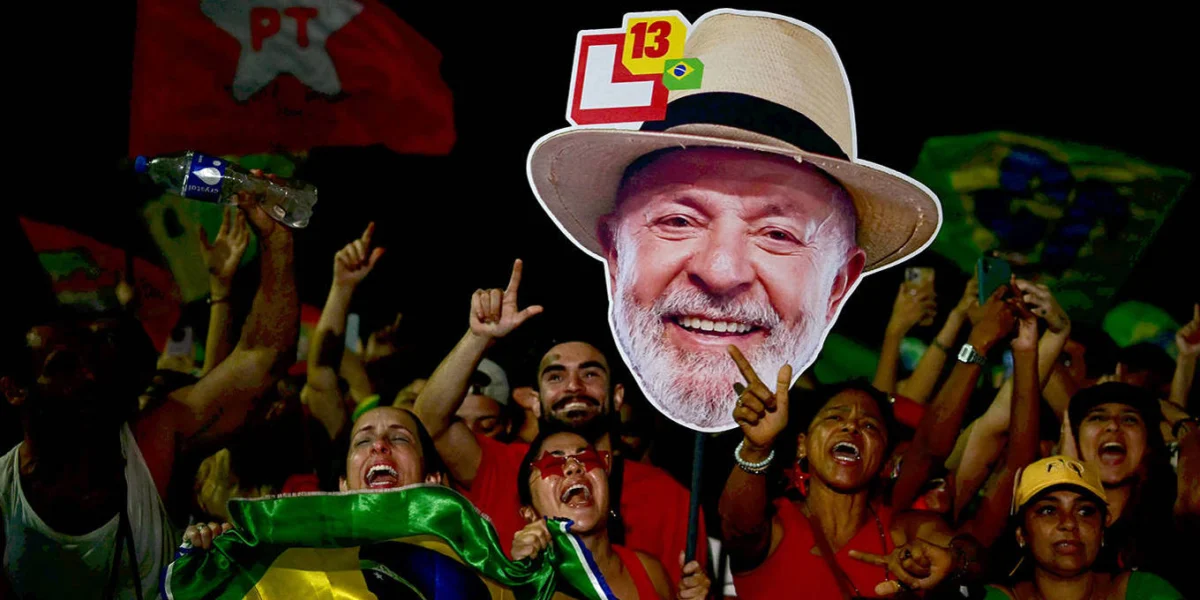
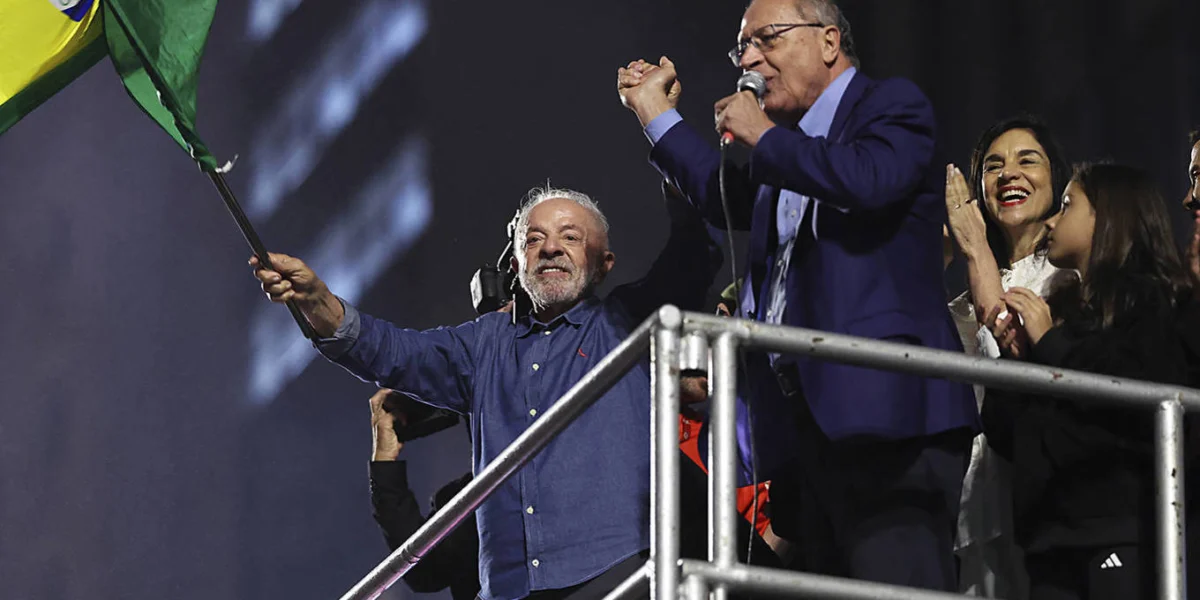
In a political landscape defined by polarization and the erosion of democratic norms globally, Brazil has delivered a stunning rebuttal to the trend of authoritarian drift. On October 27, 2026, the Superior Electoral Court (TSE) confirmed the re-election of President Luiz Inácio Lula da Silva, marking a watershed moment in the nation’s democratic history. By overcoming a first-round deficit to secure a victory in the runoff with nearly 52% of the vote against challenger Flávio Bolsonaro, Lula has achieved what was once considered statistically impossible in the annals of Brazilian electoral politics.
Main Facts: A Historic Reversal
The 2026 Brazilian general election will be studied by political scientists for decades to come. Facing a formidable challenge from Flávio Bolsonaro—the political heir to former President Jair Bolsonaro—Lula entered the second round of voting trailing in momentum and public perception.
The final tally—roughly 52% to 48%—reflects a nation deeply divided but fundamentally committed to the ballot box. Voter turnout was historic, with over 128 million citizens casting their ballots in the second round, an increase of nearly three million voters compared to the first round. This surge in participation indicates that, despite the toxicity of the campaign trail, the Brazilian electorate remains deeply invested in the institutional framework of their republic. Lula’s victory is not merely a win for his Workers’ Party (PT); it is a stress test that the Brazilian democratic system has, for the moment, survived.
Chronology of a Campaign Comeback
The trajectory of the 2026 campaign was marked by extreme volatility.
- August 2026: The campaign officially commenced under the shadow of economic inflation and intense social media polarization. Flávio Bolsonaro campaigned on a platform of "national preservation," focusing on traditional values and an aggressive critique of the sitting administration’s economic policies.
- October 4, 2026 (First Round): The results stunned many pollsters. Flávio Bolsonaro led the field, failing to reach an absolute majority but signaling a strong mandate for the opposition.
- October 5–25, 2026: A period of frantic coalition-building. Lula, recognizing the limitations of his base, pivoted toward the center, seeking endorsements from moderate governors and business leaders who feared the volatility associated with the Bolsonaro camp.
- October 26, 2026 (Runoff): The decisive day. Long queues at polling stations across the country suggested a high level of civic engagement.
- October 27, 2026: The TSE confirmed the results. The official announcement was accompanied by a call for unity, marking the transition from a combative election cycle to a period of governance.
Supporting Data: The Anatomy of the Vote
The data behind the 2026 election reveals a country cleaved along demographic and geographic lines. The northeastern regions remained a stronghold for Lula, providing the necessary buffer against the losses in the more affluent southern and central-western agricultural hubs.
Crucially, the "middle-class pivot" proved decisive. While Flávio Bolsonaro maintained his hold on the evangelical demographic and the agrarian elite, Lula’s campaign successfully chipped away at the suburban middle class. Exit polling suggests that voters concerned with democratic stability and international reputation—particularly regarding environmental policy and climate change—moved toward Lula in the final weeks. The three-million-vote increase between the first and second rounds underscores that the "undecided" demographic ultimately broke for the status quo, favoring the experience of the incumbent over the radical shifts proposed by the opposition.
Official Responses and Political Reactions
The response from the international community and domestic stakeholders has been swift. Global leaders have hailed the election as a victory for the rule of law. However, the domestic reception within Brazil is more nuanced.
Flávio Bolsonaro, in a brief statement, acknowledged the TSE’s numbers but warned that his movement would serve as a "vigilant opposition." This signaled that while the election is over, the political confrontation is far from finished. Meanwhile, leaders of the Brazilian Congress have called for a "national pact," acknowledging that the government’s slim majority will necessitate a degree of cross-party cooperation that has been absent in recent years.
Implications: The Hard Work of Governance
Lula’s re-election provides a reprieve, but it does not resolve the structural weaknesses of Brazilian governance. To ensure that this "democratic confidence" lasts, the administration must pivot from campaign rhetoric to meaningful institutional reform.
The Necessity of Coalitional Expansion
The primary lesson for Lula is that a victory on the left is not enough to govern a divided nation. The administration must look toward lessons learned from the recent democratic outcomes in Hungary and Serbia. In those nations, the failure of opposition movements to build broad, multi-ideological coalitions often led to the consolidation of power by populist autocrats. Lula must now reach across the aisle, engaging with center-right stakeholders who are disillusioned with the far-right populist trajectory but remain wary of traditional PT policies.
Institutional and Structural Reform
Brazil’s economy requires more than just political stability; it requires structural adjustment. The government must address:
- Fiscal Responsibility: Balancing the social safety net with the demands of international investors to stabilize the Real.
- Environmental Governance: Restoring the credibility of the Amazonian conservation agenda, which remains a key lever for Brazil’s soft power in global climate negotiations.
- Judicial Autonomy: Maintaining the independence of the TSE and the Supreme Court as the ultimate arbiters of the democratic process, shielding them from political interference.
The Long Shadow of Polarization
The most significant challenge facing the second Lula term is the persistence of the "Bolsonarista" ideology. Even without their figurehead in the presidential palace, the movement remains a potent political force in the legislature and local governorships. The risk of institutional paralysis is high.
Lula must resist the temptation to "purge" the opposition. Instead, he must integrate the legitimate grievances of the 48% who voted against him into the national policy framework. This is the only way to deflate the populist rhetoric that thrives on the perception of exclusion.
Conclusion: A New Chapter for South America
Brazil’s democratic resilience is a beacon for the Global South. By rejecting the siren call of populist destabilization, the country has opted for a difficult, messy, but ultimately democratic path. However, the victory on October 27 is a beginning, not an end.
For Lula da Silva, this third mandate is his legacy project. It will be defined not by the number of votes he secured in the runoff, but by his ability to lead a country that is fundamentally split in its vision of the future. The institutional reforms he implements today will determine whether Brazil remains a vibrant, evolving democracy or slides back into the precarious cycle of confrontation. As the dust settles in São Paulo, the message is clear: democracy has been saved for another day, but it must be earned anew every day thereafter.


 Asep Darmawan
 Jia Lissa
 Rifan Muazin

 Pevita Pearce

 Nana Muazin

 Siti Muinah
