
 Asep Darmawan

In a significant shift that fundamentally alters the nature of community interaction on the platform, Discord has announced a major policy update that will make public messages within "Discoverable Servers" indexable by search engines like Google. Starting in mid-December, content from these large, public-facing communities will transition from being isolated within the Discord ecosystem to becoming part of the searchable public web, effectively transforming the platform from a "walled garden" into a public knowledge base.
This change represents a tectonic shift in how Discord—a platform historically defined by its ephemeral and semi-private nature—interacts with the broader internet. While the move aims to increase community growth and accessibility, it has immediately prompted a wave of concern regarding user privacy and the sanctity of long-standing community discussions.
The Mechanics of the Change
The transition centers on "Server Web Pages," a new feature rolling out to Discoverable Servers—communities with at least 1,000 members that do not require an invitation to join.
Starting November 16, these servers began receiving automated web pages. These hubs function as landing pages, providing potential new members with a snapshot of the community, including a brief description and AI-generated or curated summaries of ongoing discussions within public channels. By mid-December, the functionality is set to expand significantly: individual messages posted in these public channels may begin to appear word-for-word in search engine results.
Importantly, Discord has stated that these indexed messages will not display the original author’s username, avatar, or any identifying markers. The intent is to surface the content of the discussion—the tips, the troubleshooting advice, and the gaming strategies—rather than the individual contributor.
Chronology of the Transition
The rollout is being executed in a staggered, cautious manner to allow for administrative adjustments and regulatory compliance:
- Initial Announcement: Discord revealed the policy shift via its official blog, framing it as a strategy to "make content from Discoverable Servers easier to discover."
- November 16: The platform began the rollout of Server Web Pages, which include high-level descriptions and channel summaries.
- Late November/Early December: An "opt-out" period is currently active. Server administrators have been granted the ability to designate specific channels as non-indexed, effectively shielding them from the transition to search engine visibility.
- Mid-December: The target date for the full integration of channel messages into search engine indexing protocols.
- Regional Variations: In specific jurisdictions, including the European Union, the United Kingdom, Canada, Brazil, Australia, and South Korea, the default setting is "opt-in." In these regions, messages will not be indexed unless users manually enable the feature, ensuring compliance with strict regional data privacy laws.
Supporting Data and Context
To understand the gravity of this change, one must consider the sheer scale of Discord’s growth. Originally launched as a niche tool for gamers, Discord has evolved into a global communication hub for everything from hobbyist knitting circles to cryptocurrency trading groups and software development teams.
Discord has traditionally relied on the "private" feel of its servers to encourage participation. Unlike Reddit or X (formerly Twitter), where users expect their posts to be public, Discord users often treat their servers as digital living rooms. The decision to index these rooms is a calculated risk. Discord is essentially betting that the utility of having their content surfaced via Google will outweigh the potential friction of moving away from their "privacy-first" reputation.
Furthermore, the exclusion of teen users from this feature is a critical safeguard. Discord has explicitly stated that users under the age of majority will not have the option to enable message indexing, a move clearly intended to mitigate risks regarding the digital footprint of minors.
Official Responses and Rationale
Discord’s leadership frames this decision as a way to "reduce the friction" of finding quality information. In a statement, the company noted that users often use search engines to solve problems, and that the "tribal knowledge" locked away inside thousands of Discord servers is currently wasted potential.
"By making this content searchable, we are helping people find the answers they need, whether it’s a specific bug fix for a game or a recommendation for a niche hobby," a company representative suggested.
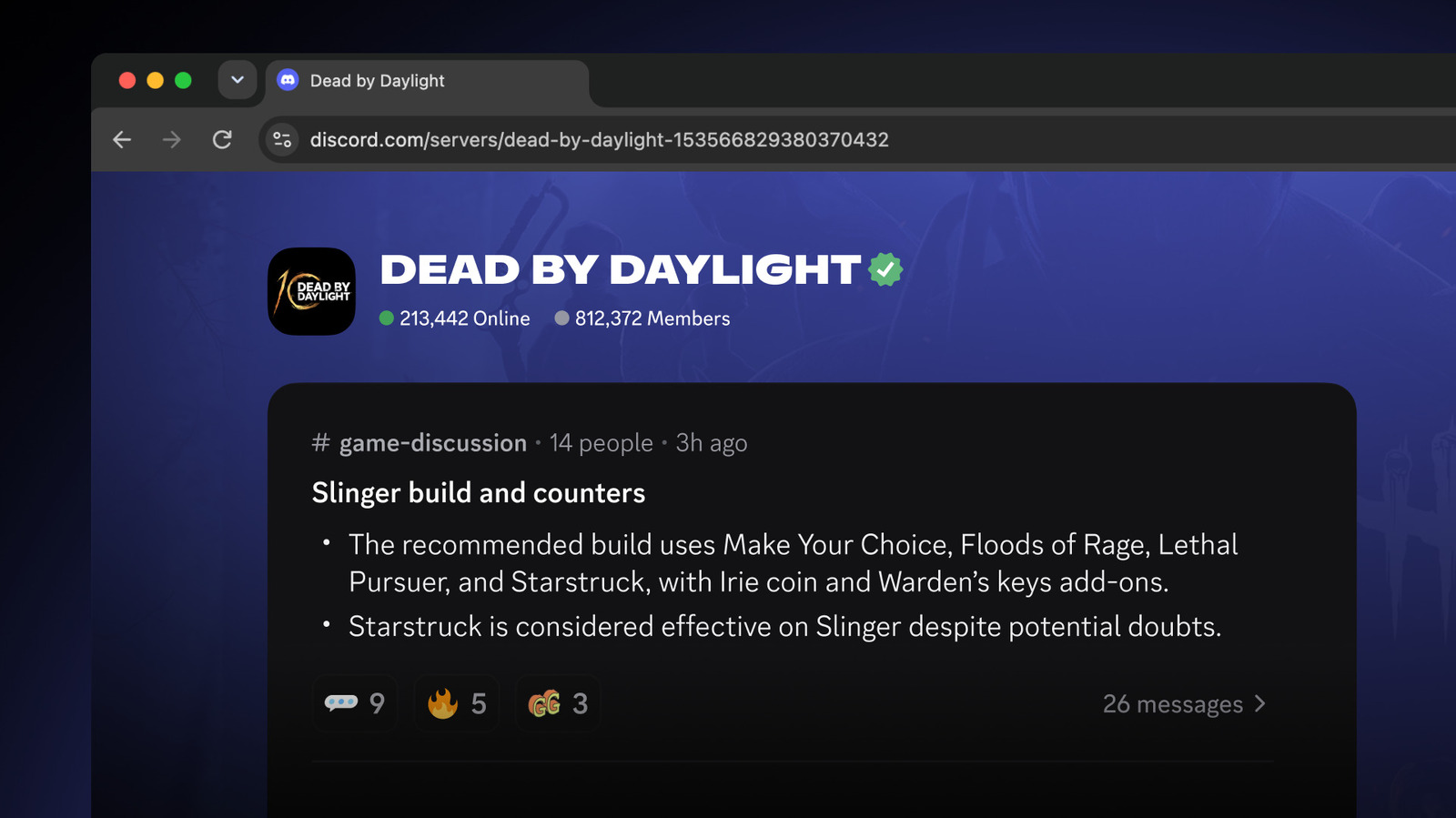
However, the tone from the user base has been mixed. While some power users—particularly those who manage large help-desk or community-support servers—welcome the change as a way to reduce repetitive questions, others view it as an encroachment on the platform’s core identity.
Implications for Privacy and Community Dynamics
The implications of this policy shift are far-reaching and touch upon several critical areas of digital life:
1. The Death of Ephemerality
Discord has always felt "temporary." Even though messages are technically stored, they feel fleeting. By indexing them, Discord is making these messages permanent. A joke made in a chat room today could be the first result on a Google search ten years from now. This may lead to a "chilling effect," where users become more self-censored and less likely to engage in the candid, informal, or "off-the-cuff" behavior that has defined the platform’s culture.
2. The "Reddit-ization" of Discord
Discord is effectively attempting to compete with platforms like Reddit and Stack Overflow. By allowing Google to crawl its servers, it is positioning itself as a legitimate source of SEO-optimized information. This could significantly boost the platform’s user base, as it becomes a primary destination for organic search traffic.
3. The Burden on Admins and Moderators
The responsibility now falls heavily on server administrators to curate their community’s digital footprint. Admins must decide which channels are "for the public" and which should remain "community-only." This adds a layer of administrative burden to an already demanding volunteer role.
4. Regulatory Scrutiny
This change follows a period of intense public scrutiny regarding Discord’s safety policies, particularly regarding age verification and the handling of content in private spaces. By opting for a "regional-first" approach to the opt-in/opt-out status, Discord is clearly attempting to stay ahead of international regulators. However, privacy advocates argue that even with opt-out mechanisms, the default state of "public" is a fundamental change to the social contract between the user and the platform.
How Users Can Protect Their Data
Despite the move toward wider visibility, Discord has provided tools for users to maintain their privacy:
- For Admins: Servers can be managed via the "Server Settings" tab. Administrators can opt-out specific channels, preventing them from being crawled or summarized by Discord’s indexing tools.
- For Individual Users: If a user wishes to ensure their personal contributions are not part of this broader public dataset, they can visit their "User Settings," navigate to the "Data and Privacy" section, and adjust their preferences. This allows for a granular level of control, though it requires proactive effort on the part of the user.
Conclusion: A New Era for Discord
The move to index public servers marks the end of Discord’s era as a purely private, invite-only social network. It is a bold, perhaps even risky, evolution that prioritizes the utility of information over the exclusivity of the community.
Whether this transition will result in a more vibrant and useful platform or a sterile and guarded environment remains to be seen. As the December deadline approaches, the burden of privacy is being shifted from the platform to the individual, forcing every member of a Discoverable Server to ask themselves: "Am I comfortable with my words becoming part of the global, permanent internet?"
For now, the platform waits to see how its massive, diverse, and often vocal community will respond to the realization that their private conversations may soon be the top result on a Google search.


 Jia Lissa

 Nana Muazin

 Asro

 Nana Wu

 Evan Lee Salim
