
 Pevita Pearce
By Ginger Christ, HR Dive | October 27, 2026
The rapid integration of artificial intelligence into the modern business landscape presents a complex challenge, particularly when it comes to workforce preparedness. While younger generations, notably Generation Z, are perceived as digital natives, their practical application of AI in professional settings is often surprisingly nascent. This reality is prompting organizations like Toshiba to proactively address a potential skills gap, emphasizing adaptability and continuous learning as paramount in navigating the AI-driven future of work.
Jason Desentz, Chief Human Resources Officer at Toshiba, shared his candid observations with HR Dive, highlighting a significant disconnect between Gen Z’s casual use of AI for personal tasks and their readiness to leverage its power for business objectives. "It’s shocking," Desentz stated, reflecting on a trend he’s observed where educational institutions are sometimes hesitant to endorse AI use, inadvertently leaving new entrants to the workforce ill-equipped for its professional applications. This situation necessitates a fundamental retraining effort, as companies find themselves "having to start from scratch" when it comes to cultivating workplace AI fluency.
The Emerging AI Readiness Gap: A Generational Conundrum
The notion that Gen Z, having grown up immersed in technology, would be inherently proficient in workplace AI tools is a common assumption, but one that Desentz suggests is largely unfounded. While these individuals are adept at using AI for personal endeavors like travel planning or property searches, their understanding of its strategic business applications remains limited. "A lot of universities are actually not encouraging the use of AI, so when they do enter the workforce, they’re not even prepared," Desentz elaborated. This educational oversight creates a vacuum that companies must now fill, retraining employees on fundamental AI concepts and their practical integration into daily operations.
This gap isn’t exclusive to Gen Z, but their entry into the workforce amplifies the issue. As AI becomes increasingly sophisticated and integrated into business processes, the ability to effectively utilize these tools will transition from a niche skill to a core competency. The challenge for HR leaders is to foster an environment where employees, regardless of their generational cohort, feel empowered to explore, experiment, and ultimately master AI technologies.

Toshiba’s Proactive Approach: Cultivating an AI-Ready Workforce
Recognizing the imperative to bridge this AI readiness gap, Toshiba has embarked on a comprehensive initiative to equip its employees with the necessary skills and mindset. Central to this strategy is the promotion of experimentation, viewing AI not as a replacement for human intellect, but as a powerful augmentative tool.
Interns as AI Pioneers: Laying the Groundwork
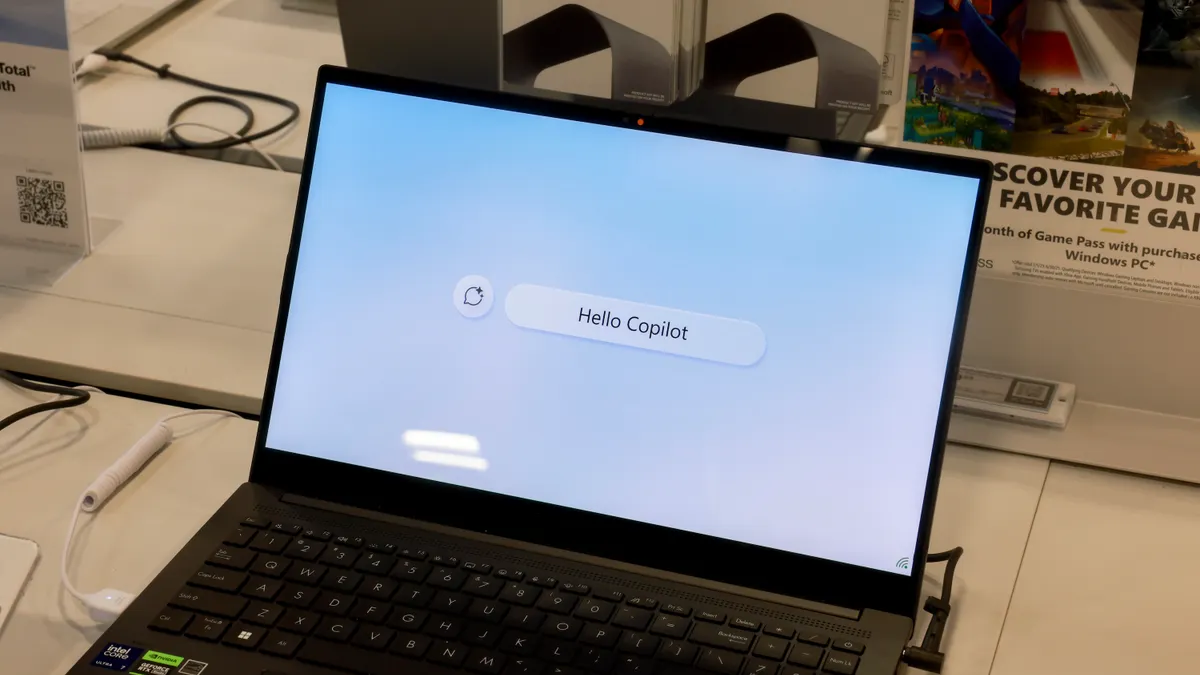
For its most recent cohort of over two dozen interns, Toshiba took a bold step by providing each individual with a Microsoft Copilot license. This decision was not merely about granting access; it was a deliberate encouragement to explore, test, and discover the practical applications of AI within a business context. By empowering interns to "use and experiment with AI," Toshiba is fostering a generation of future professionals who will have a foundational understanding of AI’s capabilities and limitations. This hands-on experience is invaluable, allowing interns to develop an intuitive grasp of how AI can streamline workflows, enhance productivity, and drive innovation. The company’s investment in these young minds signifies a long-term vision for an AI-literate workforce.
Comprehensive AI Readiness Training
Beyond the intern program, Toshiba has implemented an "AI readiness course" designed to provide all employees with a foundational understanding of artificial intelligence. This curriculum goes beyond theoretical concepts, delving into practical business use cases and the methodology behind creating AI agents to solve specific organizational challenges. The course aims to demystify AI, making it accessible and actionable for every employee, regardless of their technical background. By focusing on "learning the basics of the technology," Toshiba ensures a common understanding across the organization, paving the way for more advanced AI adoption.
Case Study: The "Shark Tank" of AI Agents in HR
A compelling example of Toshiba’s innovative approach to AI training is the initiative undertaken by its Human Resources department. HR employees were tasked with a 30-day challenge: to develop their own AI agents capable of addressing specific departmental needs. The culmination of this effort was a "Shark Tank"-style presentation, where teams pitched their AI solutions to their colleagues.
This exercise yielded a range of ingenious applications. Desentz recounted the success of "Payroll Princess," an AI agent designed to efficiently handle all payroll-related inquiries, and "Time Teamer," which addressed attendance-related questions. These examples illustrate the practical impact of AI in automating repetitive, question-oriented tasks. In HR, the goal is to liberate employees from the constant barrage of inquiries regarding payroll, benefits, or paid time off, allowing them to reallocate their valuable time and expertise.

Liberating Human Capital Through Automation
The strategic deployment of AI in HR is envisioned as a catalyst for transformation. By delegating routine, information-seeking tasks to AI bots, HR professionals can free themselves to engage in more impactful, "transformational consulting work with employees." This shift allows HR to move beyond transactional functions and become strategic partners in employee development, organizational design, and change management. Desentz articulated this vision clearly: "They can throw an AI bot at that and then free up time so they can actually do more transformational consulting work with employees." This is a fundamental reimagining of the HR function, enabled by AI.
AI as the Next Chapter in Continuous Improvement
Desentz views the integration of AI not as a disruptive anomaly, but as a natural progression in the ongoing evolution of business processes. He draws parallels to historical shifts in workplace technology, such as the transition from paper resumes to applicant tracking systems and from in-person training to digital learning modules. Each of these advancements, while initially met with some apprehension, ultimately led to greater efficiency and new avenues for growth.
"I think AI is just the next chapter of continuous improvement of process," Desentz stated. This perspective frames AI adoption as an opportunity for optimization and refinement, rather than a wholesale overhaul. The company’s approach is rooted in the belief that technology should serve to enhance existing processes and empower employees to achieve higher levels of performance.
The Enduring Importance of the "Improvement Mindset"
In an era of rapid technological change, Desentz emphasizes the critical need for a workforce that embodies a "continuous improvement mindset." He actively seeks individuals who are not only adaptable but also possess an innate curiosity and a proactive desire to enhance existing systems. "I’m looking more for continuous experimentation people. I want people that look for continuous improvement, who look at things and say, ‘How can I make this better?’" he remarked. This forward-thinking attitude is essential for navigating the complexities of AI integration and for driving ongoing innovation within the organization.
Lessons from the Internet Era: Embracing Transformative Change
Desentz draws a poignant analogy between the current AI revolution and the advent of the internet. He recalls the widespread concern during the internet’s early days that it would lead to mass job displacement. However, as he points out, this prediction did not fully materialize. Instead, the internet fundamentally altered how work is performed, creating new roles and transforming existing ones. "People thought all your jobs were going away because it was going to be all online, right? That didn’t happen. We just shifted and altered our work," he explained.

This historical perspective offers a valuable lesson for today: technological advancements often lead to adaptation and evolution rather than outright elimination of human roles. The key lies in embracing these changes and cultivating the skills necessary to thrive within them.
Identifying and Empowering AI Champions
To facilitate this adaptation, Desentz recommends a strategic approach to AI adoption: identify and empower "AI champions" within the organization. These individuals, who possess a natural inclination towards experimentation and a knack for mobilizing their colleagues, can serve as catalysts for wider AI adoption. By fostering a network of internal advocates, companies can accelerate the learning curve and build momentum for AI integration. These champions can disseminate best practices, provide peer support, and encourage experimentation, thereby creating a more AI-literate and agile workforce.
Adaptability: The True Story in the Age of AI
Ultimately, Desentz concludes that the narrative surrounding artificial intelligence is not about the technology itself, but about the human capacity to adapt. AI is a powerful tool, a significant development, but it is the ability of individuals and organizations to evolve and adjust that will determine success in the future. "I would tell people at the end of the day: AI is really not the story. Adaptability is the story. AI is just the latest chapter," he stated.
This perspective shifts the focus from the intricacies of AI algorithms to the fundamental human skill of resilience and continuous learning. In a world where technology is in constant flux, the most valuable asset any individual or organization can possess is the capacity to learn, evolve, and embrace the unknown. Toshiba’s proactive approach, characterized by hands-on learning, comprehensive training, and a culture that champions adaptability, positions them as a forward-thinking leader in navigating the transformative landscape of the AI-driven workplace.

 Nana Muazin
 Iffa Jayyana

 Lina Hope

 Siti Muinah
 Rifan Muazin
