
 Asro
This story is made possible through a partnership between Grist and The Flatwater Free Press, Nebraska’s first independent, nonprofit newsroom focused on investigations and feature stories.
The flickering lights of Winter Storm Uri in 2021 served as a jarring wake-up call for the American heartland. As the deep freeze swept across the country, utility providers scrambled to meet a surge in demand for electricity and natural gas. In Nebraska, the Omaha Public Power District (OPPD) was forced to implement rolling blackouts to prevent a catastrophic, system-wide collapse of the grid.
Years later, the specter of that crisis still haunts utility planning, but the current challenge is far more complex. While 2021 was a fight against the elements, today’s struggle is a battle against growth. A convergence of a national data center boom, the rapid electrification of the economy, and an aging energy infrastructure has brought the Omaha metro area to a precarious tipping point. OPPD, which provides power to approximately 419,000 customers in eastern Nebraska, now finds itself in the uncomfortable position of telling prospective businesses that it may not have the capacity to keep the lights on for their new projects.
A Chronology of Constraint
The road to the current power shortage was paved with a combination of regulatory shifts and industrial evolution. Following the 2021 winter crisis, the Southwest Power Pool (SPP), which oversees grid reliability for the region, tightened its requirements. It mandated that member utilities hold higher reserve margins—essentially keeping more power in "savings" to ensure the grid can withstand future extreme weather events.
Simultaneously, the economic landscape began to shift. The rise of artificial intelligence and cloud computing ignited a massive demand for data centers, which are notoriously energy-intensive. When combined with new manufacturing facilities and the general electrification of the residential and commercial sectors, the demand curve began to tilt upward far faster than utility planners had anticipated.
For the past several years, Nebraska has been aggressively courting new industry to combat "brain drain" and broaden its tax base. However, the success of these recruitment efforts has now collided with the physical reality of the grid. OPPD, once an engine of regional growth, is now forced to act as a gatekeeper, rationing its limited capacity.
The Data Gap: By the Numbers
The scale of the energy deficit is daunting. Currently, OPPD projects it has less than 100 megawatts of available power capacity for large-scale new or expanding customers. To put that in perspective, a single massive data center can require up to 1,000 megawatts of capacity—roughly equivalent to the output of a large nuclear reactor or several massive wind farms. Manufacturing plants, while smaller, can still demand upwards of 100 megawatts.
The queue for power is long and growing. According to a September update from the utility, projects totaling nearly 2,000 megawatts are already in the formal pipeline through 2031. Beyond that, there are an additional 5,000 megawatts of potential projects waiting in the wings.
The composition of that demand is also shifting dramatically. Current peak demand is split between industrial (32%), residential (41%), and commercial (27%) sectors. By 2035, however, the industrial share is expected to surge to 52%, a shift driven almost entirely by the insatiable energy requirements of data centers and high-tech manufacturing.
Javier Fernandez, the outgoing president and CEO of OPPD, has been blunt about the reality of the situation. "Any new or expanding development requiring 2 megawatts or more might have to wait to receive service," he noted. For a state looking to attract multi-million-dollar investments, that delay is a competitive death knell.
The Dilemma of Infrastructure and Investment
The utility faces an impossible balancing act: the "Goldilocks" problem of capacity. If OPPD builds too little infrastructure, it chokes the region’s economic engine and ensures that Nebraska loses out on thousands of jobs and millions in tax revenue. If it builds too much, it risks "stranded assets"—massive, expensive power plants that remain underutilized, with the resulting financial burden falling squarely on the shoulders of residential ratepayers.
"How do we bridge this?" Fernandez asked in an interview with Grist. "Can we buy capacity from other utilities? Literally, no one has excess capacity. Everyone is in the same boat as we are, so now the pinch, so to speak, it’s, well, growth has to slow down, maybe?"
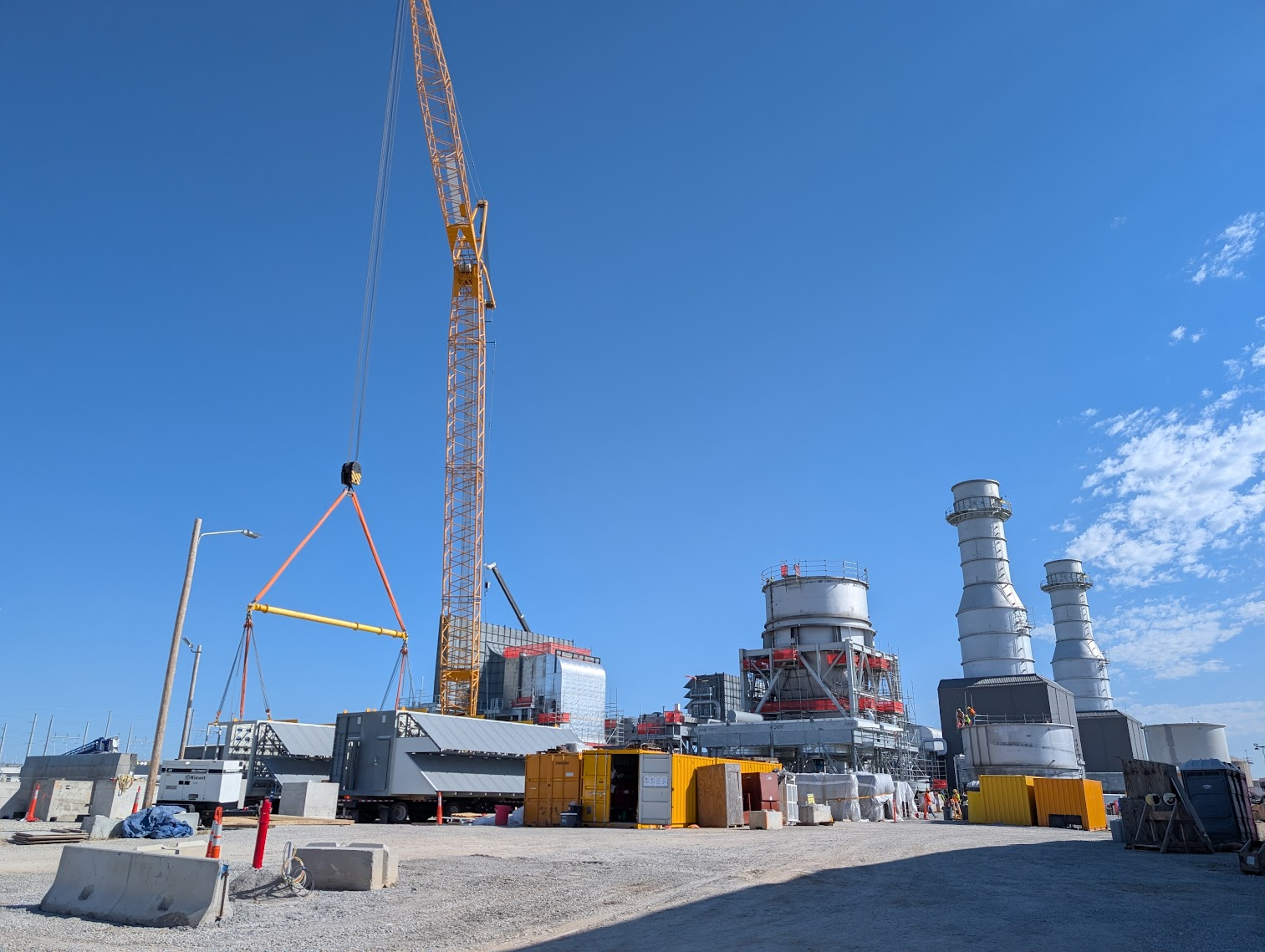
The utility is currently weighing a 10-year plan that could see its energy portfolio expand anywhere from 1,000 megawatts to more than double its current 4,583-megawatt capacity. This decision, which will be finalized by the utility’s board, is essentially a referendum on the future of the Omaha economy.
The Pushback: NIMBYism and the Energy Transition
Compounding the technical challenge is a political one. To meet the projected demand, OPPD must build new generation assets, likely a mix of natural gas and renewable energy sources. However, as the utility looks to expand its footprint, it has faced significant local opposition.
Across rural Nebraska, communities have frequently blocked renewable energy developments. Concerns about fire risks, the preservation of agricultural land, and a general distrust of large-scale infrastructure have led to a series of "no" votes at the local level.
Fernandez described a frustrating irony in these interactions: "Everyone is saying no, and then we end up in a really bad place." Some community leaders, he noted, have actively campaigned against renewable projects while simultaneously lobbying for more power capacity to attract new economic development. It is a paradox of modern development: the desire for the benefits of a modern economy without the physical burden of the infrastructure required to sustain it.
Economic Implications: A State at Risk
The stakes extend far beyond the city limits of Omaha. Nebraska is currently bracing for a projected $208 million budget deficit. With state income tax revenues down by $703 million compared to 2022, the need for new, high-paying jobs and the resulting tax revenue is more acute than ever.
Heath Mello, president and CEO of the Greater Omaha Chamber, has urged the OPPD board to look past 2036 and commit to aggressive growth. For the Chamber, energy availability is now the primary metric by which they lose deals to other states. "Energy is one of the top two reasons that the chamber loses deals to other locations," the organization has signaled.
Larry Gigerich, chair of the Site Selectors Guild, which helps large corporations choose locations for new facilities, confirms that this is a nationwide trend. "The competition for electricity with data centers is causing manufacturing companies now to be more proactive and to use their voice more directly with utilities," Gigerich said. "Now it’s a true competition, and we can’t generate enough new power fast enough to meet everybody’s needs."
Looking Ahead: Who Decides the Future?
As the utility prepares for a leadership transition with Fernandez’s departure at the end of the year, the board is left to confront the fundamental question of identity: Is OPPD primarily a provider of reliable, affordable electricity to current residents, or is it a primary engine of aggressive state economic growth?
The answer, according to industry experts, requires a level of coordination that has yet to be realized. Local and state officials, chambers of commerce, and utility providers must find a common language for economic planning. Without a unified vision for what kind of growth Nebraska wants—and where that growth should be located—the utility is effectively flying blind, forced to guess at the energy needs of a future that may never arrive or may arrive all at once.
"If Omaha doesn’t grow, if Omaha doesn’t prosper, the rest of the state very likely won’t," Fernandez said. "What the state wants versus what the city wants versus what the chambers want—well, they all want different things. But the one common denominator that I keep hearing is jobs and income."
For now, the grid remains tight. The power, like the economy, sits in a state of delicate tension, waiting for the political and financial will to either spark a new era of expansion or accept the consequences of a constrained future. The next decade of planning in Omaha will serve as a masterclass in how modern, climate-strained, and demand-heavy regions navigate the hard limits of 21st-century power.


 Nana
 Neng Nana
 Azzam Bilal Chamdy
 Ammar Sabilarrohman


 Lina Hope


 Suro Senen
