
 Muslim
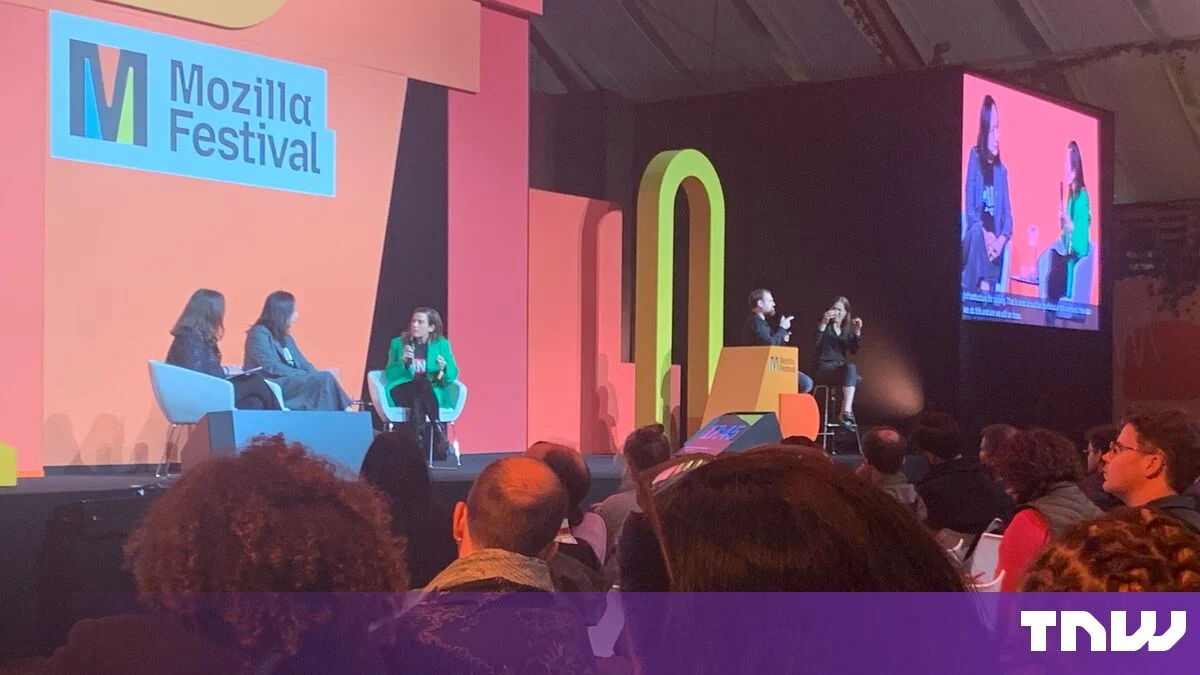
What does the digital future look like when it is cultivated by the hands of a community rather than dictated by the boardrooms of Big Tech? This fundamental query serves as the intellectual scaffolding for this year’s Mozilla Festival (MozFest), a premier global gathering of technologists, artists, and activists returning to Barcelona from October 28 to 30.
As the festival takes root in the Recinte Fabra i Coats—a historic textile factory reborn as a vibrant arts center—it represents more than just a conference. It is a deliberate, collaborative attempt to imagine a technological landscape that prioritizes openness, equity, and human-centric design over the extractive, closed-loop systems that dominate the contemporary internet.
The Chronology of an Open Web Movement
The Mozilla Festival has evolved from its humble beginnings into a global movement, becoming the heartbeat of the foundation’s year-round mission to ensure the internet remains a public resource. Following a successful debut in Barcelona last year, the decision to return to the Catalan capital is no coincidence.
In a landmark move during the 2023 edition, the Mozilla Foundation and the City of Barcelona formalized a multi-year partnership, signing an agreement to host the event in the city through 2027. This collaboration, which coincides with the city’s broader "Open Tech Week," cements Barcelona’s reputation as a growing epicenter for digital rights and ethical technology policy.
The evolution of the event is marked by its shifting focus: from the early days of browser advocacy to the current, more complex struggle against the monopolization of artificial intelligence and digital infrastructure. By anchoring itself in a city known for its commitment to digital sovereignty, Mozilla is attempting to bridge the gap between abstract policy and lived, urban experience.
The "Wilding" Manifesto: Beyond Technological Monocultures
This year, the festival operates under the central theme of "Wilding." The metaphor is deliberate: if the current iteration of the internet is a sterile, corporate-owned monoculture, then the future must be allowed to grow in a more diverse, unpredictable, and decentralized fashion.
"Technology today is fueled by a closed, controlled, and often extractive system, and Mozilla Festival exists to be a counterpoint," explains Zeina Abi Assy, the festival’s director.
This sentiment is echoed by Nabiha Syed, CEO of the Mozilla Foundation, who views the current concentration of power as a direct threat to innovation. "Wilding is simple: the future of tech shouldn’t grow in a monoculture owned by a handful of companies," Syed notes. By "rewilding" the digital sphere, the foundation argues that we can cultivate tools that are more resilient, culturally diverse, and aligned with the needs of the many rather than the shareholders of the few.
A Convergence of Minds: The Speaker Roster
The festival’s main stage is designed as a crossroads for disparate fields, bringing together those who often operate in silos. This year’s lineup includes some of the most critical voices in the discourse surrounding technology and human rights:
- Alaa Abd El-Fattah: The Egyptian activist, whose voice has become synonymous with the struggle for digital freedom and human rights, will share his insights following his release from prison last year.
- Academic and Creative Leaders: The roster includes Princeton professor Ruha Benjamin, whose work on the social implications of AI has become a touchstone for ethical technology, and Elizabeth Alexander, president of the Mellon Foundation.
- Cultural Pioneers: The event also features inventor and author Gitanjali Rao, artist Stephanie Dinkins, and poet-comedian ALOK Vaid-Menon, who will serve as the host, blending creative expression with rigorous technical debate.
These speakers do not merely lecture; they participate in a program designed to scrutinize the digital inheritance of the next generation, dissecting the social tensions inherent in AI development and proposing frameworks for digital tools rooted in care and shared power.
Supporting Data and Collaborative Projects
With over 2,000 attendees and more than 200 workshops and art installations, the festival provides a tangible look at what decentralized technology looks like in practice. The event is intentionally cross-disciplinary, proving that the conversation about digital control must extend beyond software engineers and policy analysts to include musicians, urban planners, and historians.
Case Study: Digital Preservation
One of the most compelling sessions is led by Sudanese music producer Khaled Alsedeg, who explores the role of digital archives in safeguarding Sudan’s musical heritage. In an era where corporate platforms can delete history at the whim of an algorithm, Alsedeg’s work highlights how community-owned digital tools can act as a bulwark against cultural erasure.
Urban Planning and Data Sovereignty
The installation Wild Lots brings the concept of "wilding" to urban geography. Originally showcased at New York’s Open Data Week, the project uses city data to envision how vacant, underutilized land can be returned to nature. It serves as a physical metaphor for the festival’s goals: reclaiming "vacant" digital spaces from corporate interests and letting them flourish under community stewardship.
Empowering the Next Generation
A significant portion of the festival is dedicated to those who will inherit the digital systems being built today. Teenagers aged 13 to 17 are invited to take part in role-playing simulations to test and draft the rules that should govern AI and online platforms. Furthermore, a workshop focused on an AI guide developed with and for girls in The Gambia underscores the foundation’s commitment to ensuring that technological progress is not a Western-centric endeavor.
The Global Implications: Confronting Power
The Mozilla Festival does not exist in a vacuum; it is the tactical arm of a much broader campaign. Earlier this year, the foundation made headlines with a bold poster campaign in New York City, directly criticizing the concentration of power held by figures like Elon Musk and Mark Zuckerberg.
For the foundation, the challenge is twofold:
- Critical Advocacy: Using public awareness to highlight the dangers of current digital monopolies and the erosion of privacy.
- Constructive Building: Providing the space and resources for developers and activists to build alternative, decentralized tools that provide a viable path forward.
The implications for the broader tech industry are significant. As regulations like the EU’s AI Act begin to take hold, the conversations occurring at MozFest are likely to inform the next decade of digital policy. By prioritizing "shared power" and "digital care," Mozilla is shifting the goalposts, forcing a conversation about whether we want an internet that is a corporate utility or a public good.
Conclusion: A Blueprint for the Future
The 2025 edition of the Mozilla Festival arrives at a critical juncture. As artificial intelligence threatens to reshape the very nature of human interaction and creativity, the "Wilding" theme provides a necessary framework for resistance.
By gathering 2,200 people from 79 countries in the halls of the Recinte Fabra i Coats, the foundation is proving that the desire for a decentralized, community-led internet is not merely an idealistic pipe dream—it is a global, burgeoning reality. Whether through preserving the music of Sudan or drafting the rules for ethical AI with the youth of The Gambia, the festival is a testament to the fact that when the power to build is distributed, the results are far more vibrant, resilient, and human than any corporate product could ever be.
As the doors close on this year’s festival, the challenge remains: to take these ideas beyond the factory walls of Barcelona and into the code, the policy, and the daily digital habits of people around the world. The era of the "monoculture" may be reaching its peak, but if the energy at this year’s MozFest is any indication, the era of the digital commons is just beginning.


 Sagoh
 Suro Senen

 Neng Nana

 Siti Muinah

 Lina Irawan
 Evan Lee Salim
