
 Iffa Jayyana
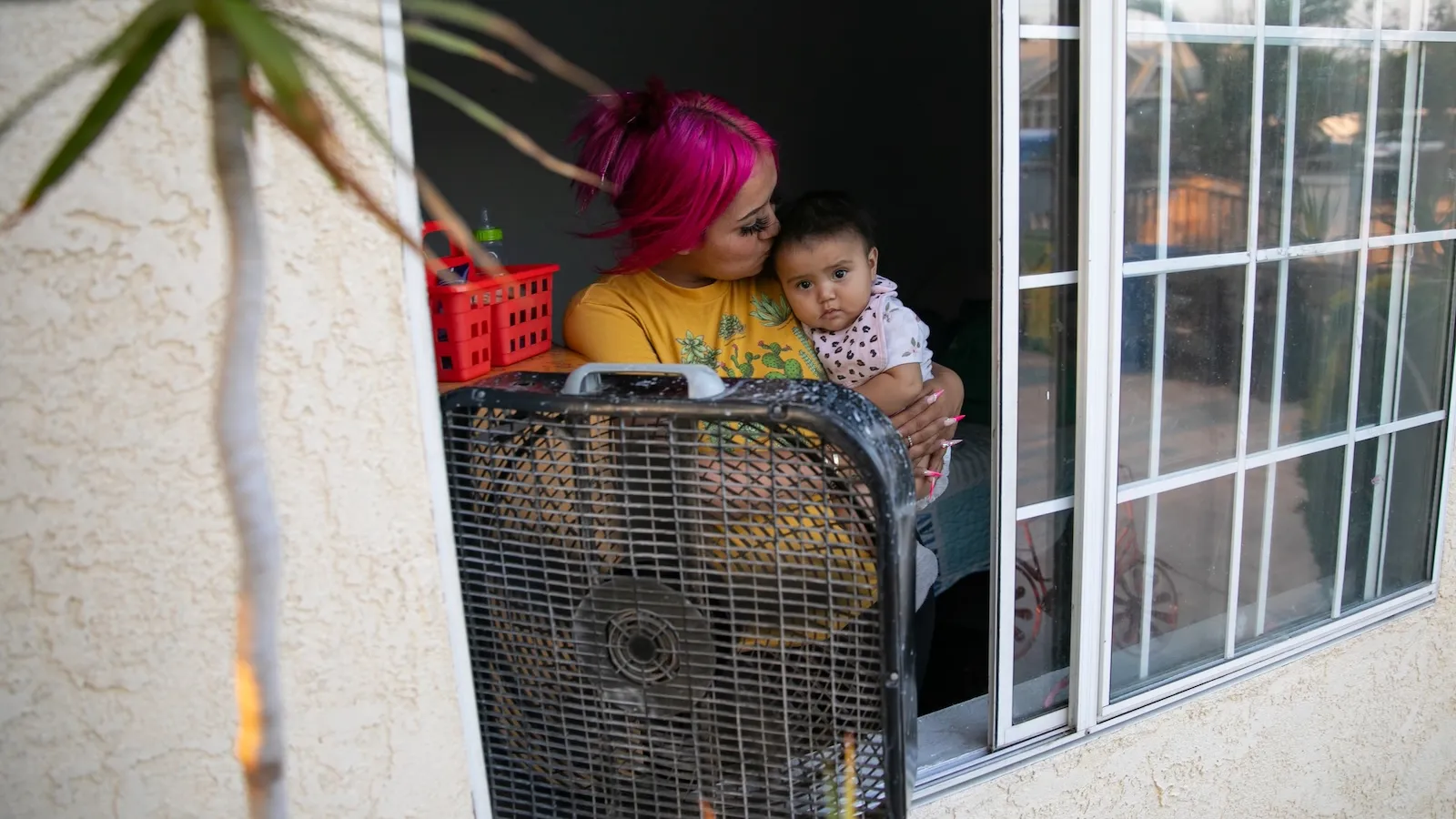
As global temperatures continue to shatter historical records, the definition of a "habitable" home is undergoing a radical transformation. For decades, the legal threshold for a livable residence has been tethered to the availability of heat, running water, and electricity. However, in an era of unprecedented heat domes and persistent, life-threatening thermal waves, that consensus is shifting. Cooling is no longer viewed as a luxury amenity; it is rapidly becoming recognized as a non-negotiable component of human survival.
From the high-security walls of Texas prisons to the crowded apartment complexes of Los Angeles and Spokane, a legal and social revolution is underway. As society grapples with the climate crisis, the "right to cooling" has emerged as the latest frontier in housing justice and human rights.
The Constitutional Shift: Texas Prisons as a Catalyst
The legal landscape shifted dramatically last month when Judge Robert Pitman issued a landmark ruling regarding the incarcerated population in Texas. The court declared that subjecting prisoners to extreme, unmitigated heat constitutes "cruel and unusual punishment," a violation of the Eighth Amendment of the U.S. Constitution. The ruling mandates that all state prisons must be equipped with air-conditioning by the end of 2029.
While this ruling is specific to the carceral system, its implications are profound. It establishes a legal precedent that when the environment becomes lethal—and when individuals are unable to move to safety—the state has an affirmative duty to provide cooling. This acknowledgment that heat can be a form of torture is forcing policymakers across the country to confront the same reality for the general public, particularly for renters who lack the structural agency to modify their living environments.
A Chronology of the Cooling Crisis
The push for cooling legislation has accelerated as the human toll of extreme heat has become impossible to ignore.
- 2020: Major urban centers, including New Orleans, New York City, and Austin, Texas, begin passing local ordinances requiring landlords to provide cooling equipment or meet temperature standards.
- 2024: A comprehensive study reveals that renters are three times more likely than homeowners to require medical intervention due to heat exposure at home, highlighting the deep class-based inequality of climate risk.
- September 2026: Europe experiences its deadliest summer on record, with researchers estimating that as many as 50,000 deaths were linked to five distinct heat waves.
- July 2026: A devastating heat dome in Spokane, Washington, claims the lives of 14 people, serving as a grim wake-up call for Pacific Northwest municipalities.
- August 2026: Houston, Texas, passes a landmark ordinance requiring functional air-conditioning in all rental housing, closing loopholes that previously allowed landlords to rely on inadequate measures like window screens.
- October 2026: Momentum builds as cities from Charlotte to Toronto begin weighing legislation to force landlords to install climate-control systems.
Supporting Data: The Rising Human Toll
The scientific consensus is clear: the planet is warming, and the consequences for human health are severe. The 2024 data regarding the "renter gap" in heat safety is particularly alarming. While homeowners often have the autonomy to install central air, upgrade insulation, or plant shade-providing trees, renters are frequently trapped by high costs, lease restrictions, and landlord negligence.
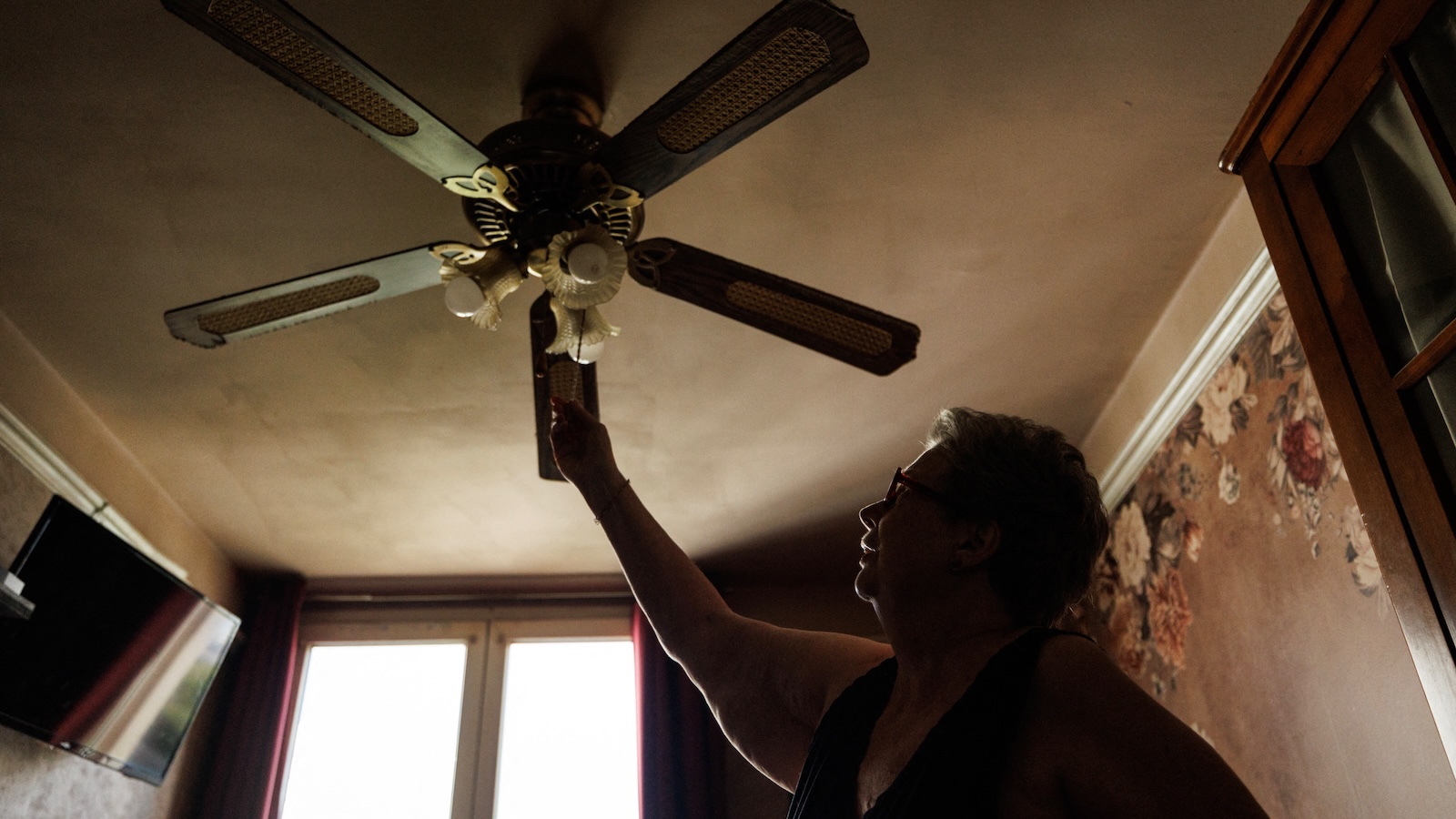
The vulnerability is not just a matter of discomfort; it is a matter of mortality. During Europe’s 2026 heat waves, the sheer volume of fatalities underscored that current housing stock is woefully ill-equipped for the climate of the 21st century. In the United States, the disparity is echoed in the work of researchers like Stefano Schiavon at UC Berkeley, who notes that while human physiology can adapt to moderate changes, the current pace of climate warming is outpacing our biological and infrastructural ability to cope.
The Legal Framework: From "Habitability" to "Health"
For years, the "implied warranty of habitability" has been the bedrock of tenant rights. This legal principle requires that a landlord provide the basic necessities for life—such as potable water and structural integrity—even if those items aren’t explicitly detailed in a lease.
Advocates argue that cooling must now be folded into this warranty. Doug Ruley, director of the Environmental Justice Clinic at the University of Miami School of Law, frames the argument with stark simplicity: "You can’t run a place without heat. The same is exactly true for cooling. I think the rights framing is powerful, and very consistent with how we Americans tend to think about things we care about."
However, the legal route is slow and fraught with inconsistency. Consequently, many activists are bypassing the courts in favor of legislative mandates. This has led to two distinct, competing approaches in policy:
1. The Mandate Approach
Cities like Houston have taken the direct route, passing ordinances that require the installation of air-conditioning units. This removes ambiguity: if a unit is for rent, it must have AC. This approach is favored by activists like Chelsea Kirk of the L.A.-based nonprofit Strategic Actions for a Just Economy, who argues that during a heat event, "tree shade is not going to get us there."
2. The Performance Standard
Other jurisdictions, such as Los Angeles County, have opted for a "maximum temperature" standard. Beginning January 1, 2027, landlords in unincorporated areas of L.A. County must ensure indoor temperatures do not exceed 82 degrees Fahrenheit. This allows landlords to choose the method—be it AC, high-efficiency insulation, or window shading—as long as the result is a safe environment. Proponents like Clinton Andrews of Rutgers University argue this encourages energy efficiency, but critics fear it creates loopholes where landlords provide the bare minimum rather than effective cooling.
Official Responses and Economic Implications
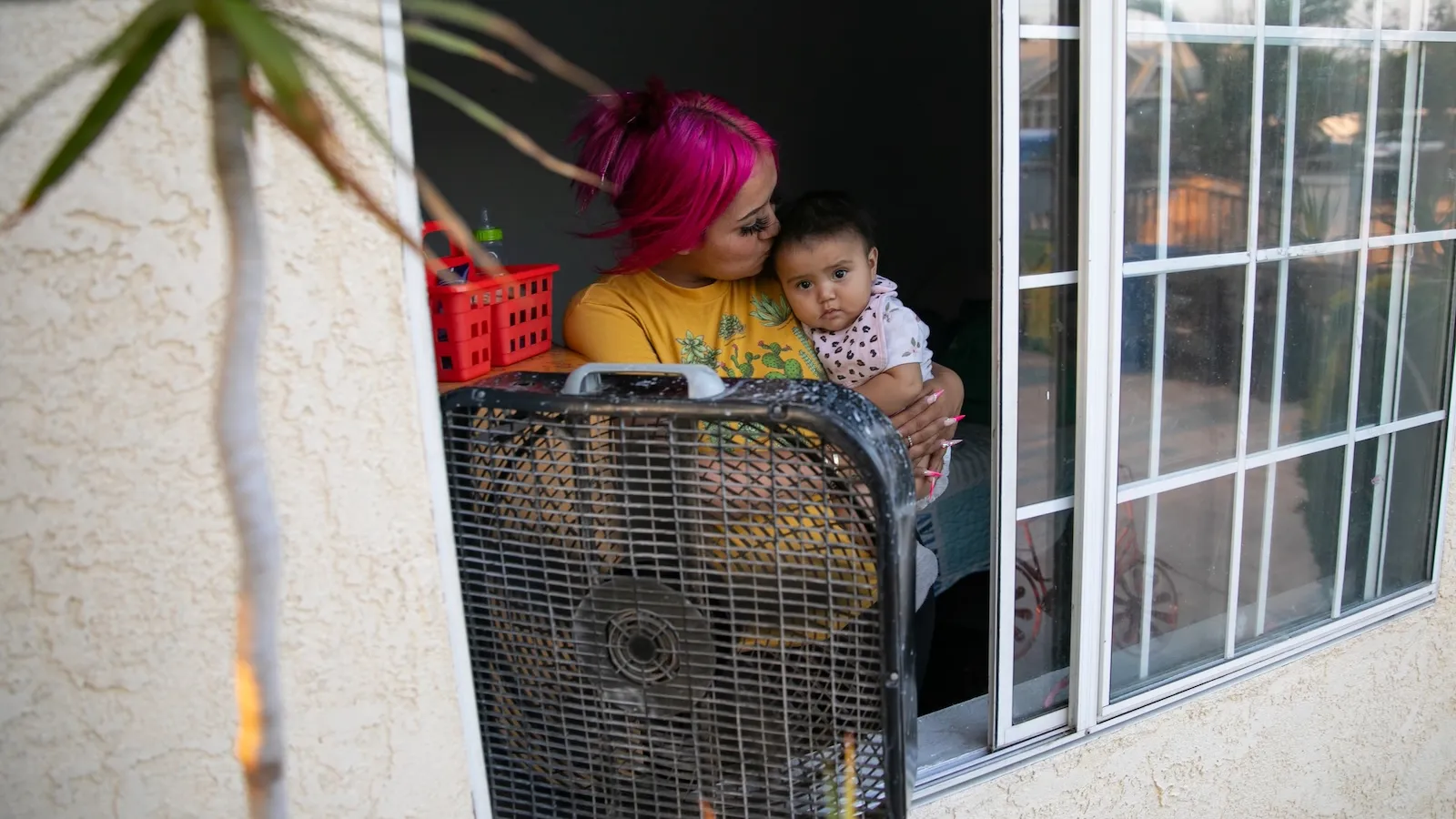
The movement toward mandatory cooling has met significant pushback from landlord associations, which argue that these requirements will drive up rents. However, independent research suggests the correlation between cooling mandates and rent spikes is weak.
A more significant concern is the rising cost of electricity. As more residents are forced to run AC units to meet safety standards, utility bills are projected to climb. This has led to a renewed focus on the federal Low Income Home Energy Assistance Program (LIHEAP). Despite political volatility in Washington—including the Trump administration’s previous efforts to dismantle the program—Congress has continued to fund it, releasing $3.6 billion this fiscal year. Experts like C.J. Gabbe argue that such federal subsidies are essential to ensuring that a "right to cool" doesn’t become a "debt trap" for low-income tenants.
Implications: The Climate Reality
The most sobering aspect of the "right to cooling" movement is the acknowledgment that it is, at best, a stopgap measure. Providing air-conditioning in a heating world is a necessary reaction to an emergency, but it does not address the root cause of the crisis.
Brian Henning, director of the Institute for Climate, Water, and the Environment at Gonzaga University, offers a sobering assessment. While he continues to fight for right-to-cooling policies, he warns that relying on technology to solve the climate crisis is a losing game. "We can’t just AC the world," Henning said.
As we look toward the 2030s, the legal, economic, and moral battle over cooling will likely intensify. The shift in Texas prisons and the new ordinances in cities like Spokane and Houston signal a new social contract: in a warming world, the state and the property owner have a moral obligation to ensure that the four walls providing shelter do not become an oven. Ultimately, however, the survival of the population will depend not just on how well we cool our buildings, but on how effectively we act to curb the planetary warming that makes such cooling mandatory.

 Reynand Wu

 Asro

 Ammar Sabilarrohman

 Lina Irawan

 Asep Darmawan
