

Asep Darmawan
- Data Privacy and Ethics
- October 14, 2026
- 12 views
The Patchwork Paradox: Why Large Enterprises Are Voluntarily Leaving the Door Open to Cyber Threats
In an era where cybersecurity is frequently touted as a C-suite priority, a startling dichotomy has emerged: the larger the company, the more likely it is to knowingly leave the…

Nila Kartika Wati
- Global Economics
- October 14, 2026
- 15 views
The Renminbi Paradox: Why Currency Appreciation Is Not the Panacea for Global Imbalances
By Kai Guo | October 13, 2026 The global economic order is once again fixated on the renminbi (RMB). As China’s merchandise trade surplus hit a staggering $1.2 trillion in…
- Social Media Trends
- October 14, 2026
- 40 views
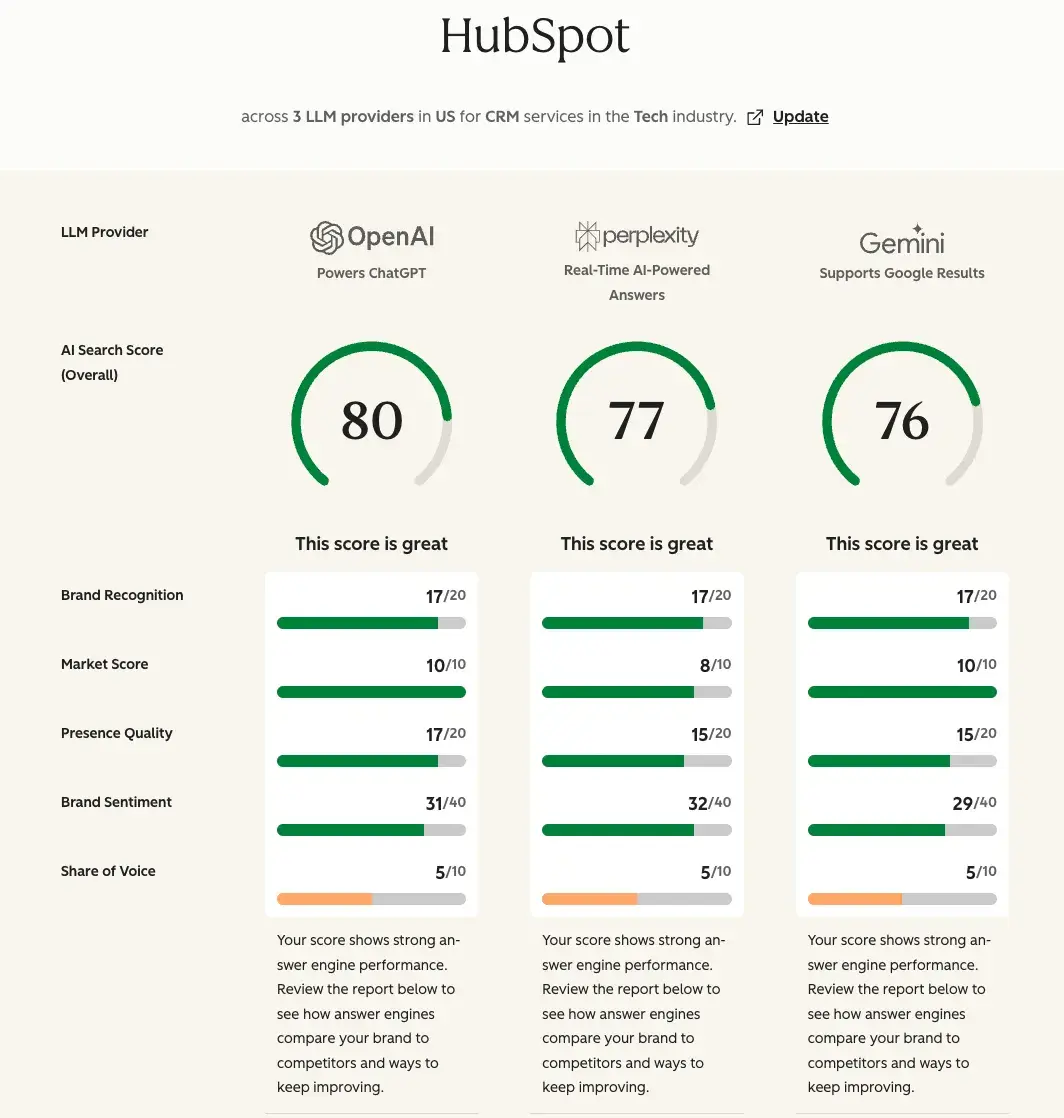
The AI Search Paradox: A Strategic Framework for Diagnosing and Fixing AEO Gaps
In the rapidly evolving landscape of digital search, a new paradigm has emerged: Answer Engine Optimization (AEO). For modern brands, the traditional "blue link" SEO strategy is no longer sufficient.…

Iffa Jayyana
- Software Development
- October 13, 2026
- 45 views
Unlocking the Invisible: How Meta Solves the Inference Capacity Paradox
In the high-stakes world of hyperscale computing, efficiency is the ultimate currency. Meta, the parent company of Facebook, Instagram, and WhatsApp, operates one of the most complex AI inference infrastructures…

- Global Economics
- October 13, 2026
- 48 views
The Bardella Paradox: Can Marine Le Pen’s Heir Apparent Survive the Gathering Storm?
By Zaki Laïdi October 12, 2026 The French political landscape is currently dominated by a singular, looming question: Is the ascension of Jordan Bardella to the Hôtel de Matignon a…
Ali Ikhwan
- Data Privacy and Ethics
- October 12, 2026
- 59 views
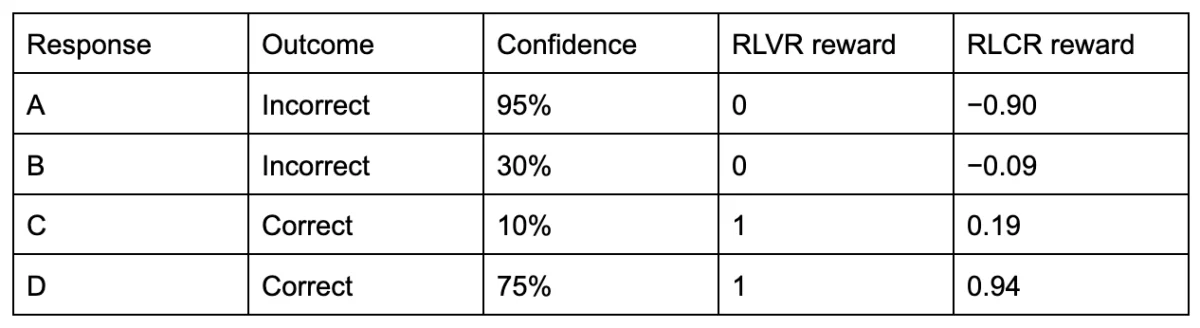
The Automation Paradox: Evaluating Jev and the Future of Agentic Decision-Making
In the modern Security Operations Center (SOC), the volume of alerts often outpaces the capacity of human analysts. Consider a common scenario: a PowerShell script is flagged for potentially malicious…
Neng Nana
- Design and UX
- October 12, 2026
- 62 views
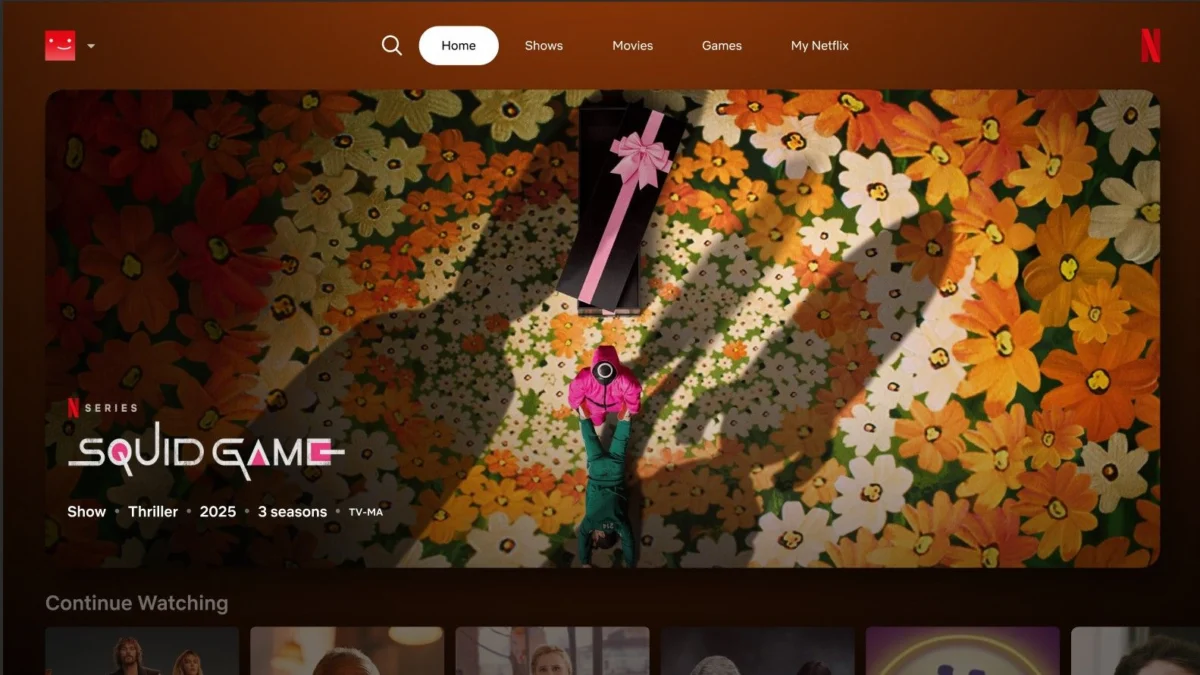
The Streaming Paradox: How the "Future of TV" Became the New Cable
Back in 2012, the streaming landscape felt like a digital utopia. For a modest monthly fee—roughly the price of two coffees—consumers were granted access to a vast, ad-free library of…
- Design and UX
- October 12, 2026
- 55 views
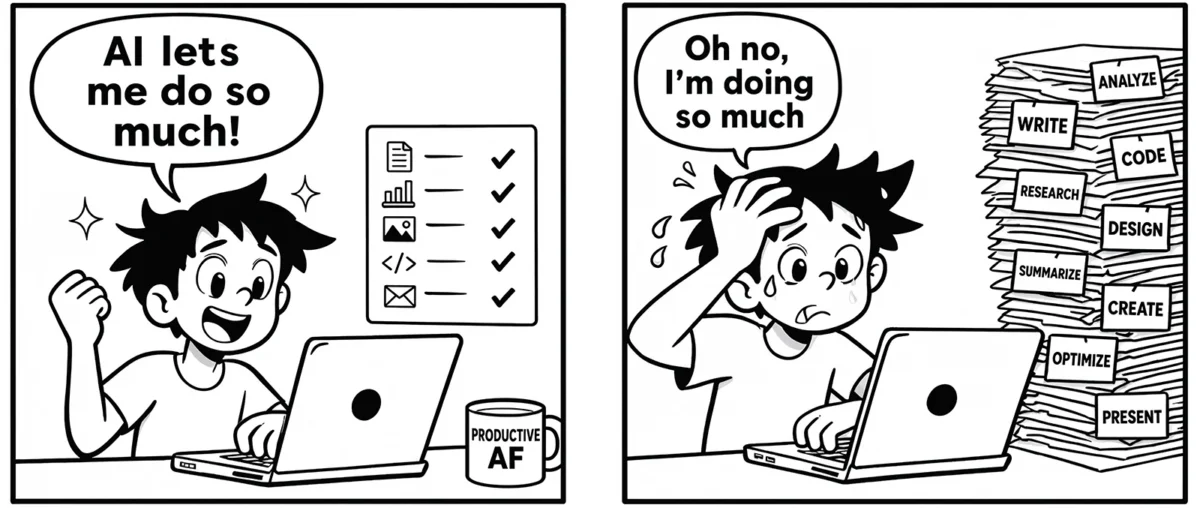
The AI Paradox: Why Scaling Expertise Beats Playing "Everyman"
The current zeitgeist in the technology sector is dominated by a seductive, albeit dangerous, narrative: AI is the great equalizer. With tools like Claude Code for developers and Figma Make…

- Technology Trends
- October 12, 2026
- 74 views
The Digital Security Paradox: Why Elon Musk’s Advice on Grok and Credit Cards Has Sparked a Firestorm
In an era where cybersecurity experts and financial institutions spend billions of dollars annually educating the public on the perils of sharing sensitive information, a singular post from Elon Musk…

Laily UPN
- Sustainability and Environment
- October 12, 2026
- 18 views
The Paradox of Crisis: How the Hormuz Conflict is Rewriting the Global Emissions Trajectory
As the geopolitical landscape remains fractured by the ongoing US-Iran war, the global economy has been forced into a state of involuntary structural adjustment. While initial fears centered on a…

 Raul Delapena Setiawan

 Reynand Wu

 Sagoh


 Azzam Bilal Chamdy

Beyond the Transaction: How to Transform Your Email List Into a Thriving Community
- October 24, 2026
- 1 views
