
 Nana
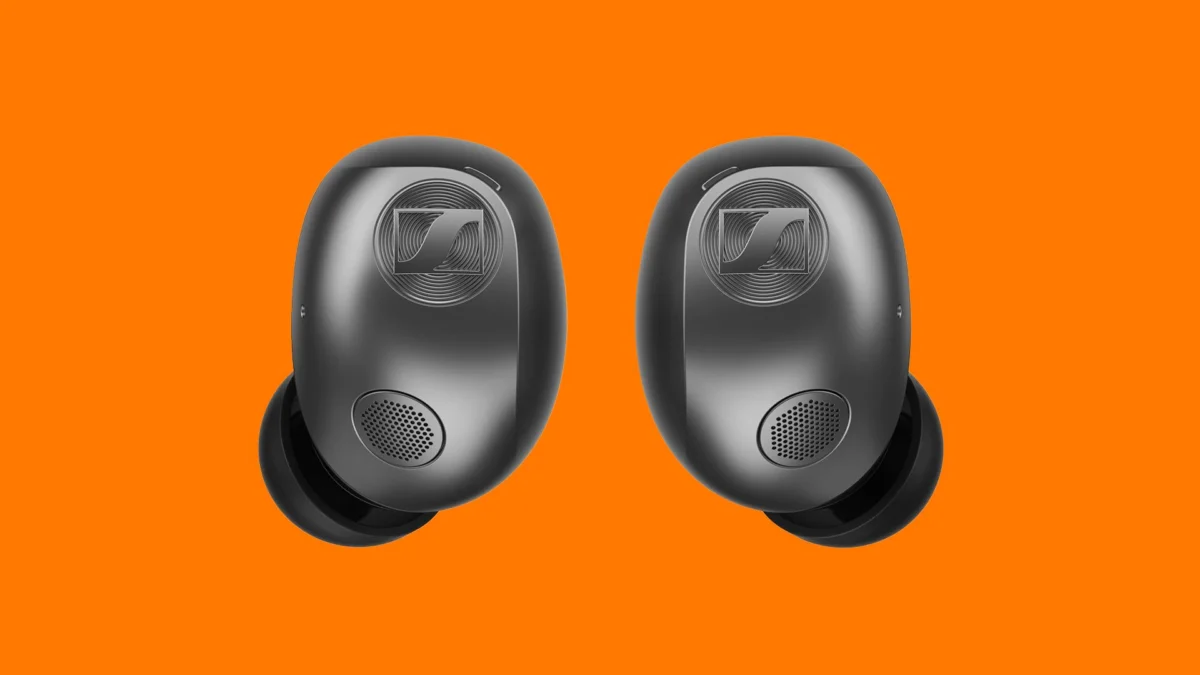
In the fast-paced world of consumer electronics, wireless earbuds have become a ubiquitous accessory. From budget-friendly impulse buys that flicker out within months to high-end, audiophile-grade in-ear monitors (IEMs) that promise sonic perfection, the market is saturated with options. Yet, regardless of the price point or the brand prestige, almost every pair of wireless earbuds shares a common, fatal flaw: a built-in "expiration date" dictated by the chemistry of their lithium-ion batteries.
For years, tech giants like Apple have dominated the landscape with products like the AirPods series. While celebrated for their seamless integration and sleek design, these devices are notoriously difficult to repair. Once the battery degrades—a process that is biologically inevitable for lithium-ion cells—the earbuds effectively become electronic waste. Today, however, German audio titan Sennheiser is challenging this industry-wide status quo with the release of the Momentum True Wireless 5.
By introducing user-replaceable batteries for both the earbuds and their charging case, Sennheiser is not just launching a new product; they are making a radical statement about the future of sustainable consumer technology.
The Core Innovation: Engineering Longevity
The primary selling point of the Momentum True Wireless 5 is its departure from the "glue-and-solder" manufacturing standard. In most modern earbuds, components are sealed shut with industrial adhesives to achieve a compact, waterproof form factor. This design philosophy renders the battery inaccessible to the average user, and often even to professional technicians.
Sennheiser’s approach with the Momentum True Wireless 5 is markedly different. By utilizing a screw-based architecture, the company has ensured that the most fragile component of the device—the battery—can be swapped out with nothing more than a small, common screwdriver. This shift in design is a potential game-changer. For consumers, it means that a pair of premium earbuds can theoretically last for years, rather than being relegated to a drawer once the battery cycle count reaches its limit.
Chronology of a Tech Stagnation
To understand the significance of Sennheiser’s move, one must look at the trajectory of the wireless audio market over the last decade.
- 2016: Apple releases the first-generation AirPods, setting the standard for the "disposable" era of wireless audio. Despite their popularity, the devices are labeled "zero out of ten" for repairability by industry watchdogs.
- 2020-2022: Public outcry regarding e-waste grows. In response to mounting pressure, Apple introduces limited self-repair kits for iPhones, though this does little to address the proprietary sealed nature of their wearable audio devices.
- 2023: A wave of "hardware hacking" emerges. Independent engineers and tinkerers begin documenting ways to crack open sealed earbud cases to replace cells, proving that repair is possible but intentionally discouraged by manufacturers.
- 2024: The industry sees a shift in consumer sentiment. Brands like Fairphone prove that modular, user-serviceable designs are viable in the mainstream, paving the way for Sennheiser’s latest announcement.
- Present Day: The launch of the Momentum True Wireless 5 marks the first time a major premium audio brand has prioritized battery modularity as a core marketing pillar, signaling a potential shift in the high-end audio segment.
The Sustainability Gap: Supporting Data
The environmental cost of "disposable" audio is staggering. According to recent industry reports, millions of wireless earbuds are sold annually, with the vast majority lacking any viable path for battery replacement.
When a lithium-ion battery fails, the remaining high-fidelity components—the transducers, the Bluetooth chips, and the sophisticated sensors—often remain in perfect working order. By failing to provide a path for battery replacement, manufacturers are effectively forcing users to discard fully functional high-end technology.
The "repairability index," a metric used to score devices based on the availability of parts, manuals, and ease of access, has traditionally been abysmal for the earbud category. By incorporating user-replaceable batteries, the Momentum True Wireless 5 positions itself as a leader in this index. While Fairphone’s Fairbuds have set a precedent for modularity in the mid-range market, Sennheiser is the first to bring this philosophy to the "premium" tier, where consumers expect both high-fidelity sound and long-term hardware reliability.
Sonic Fidelity Meets Practicality
Sennheiser has not sacrificed its legendary audio pedigree for the sake of sustainability. The Momentum True Wireless 5 features the company’s proprietary TrueResponse transducers, which provide a wide, balanced soundstage that few competitors can match.
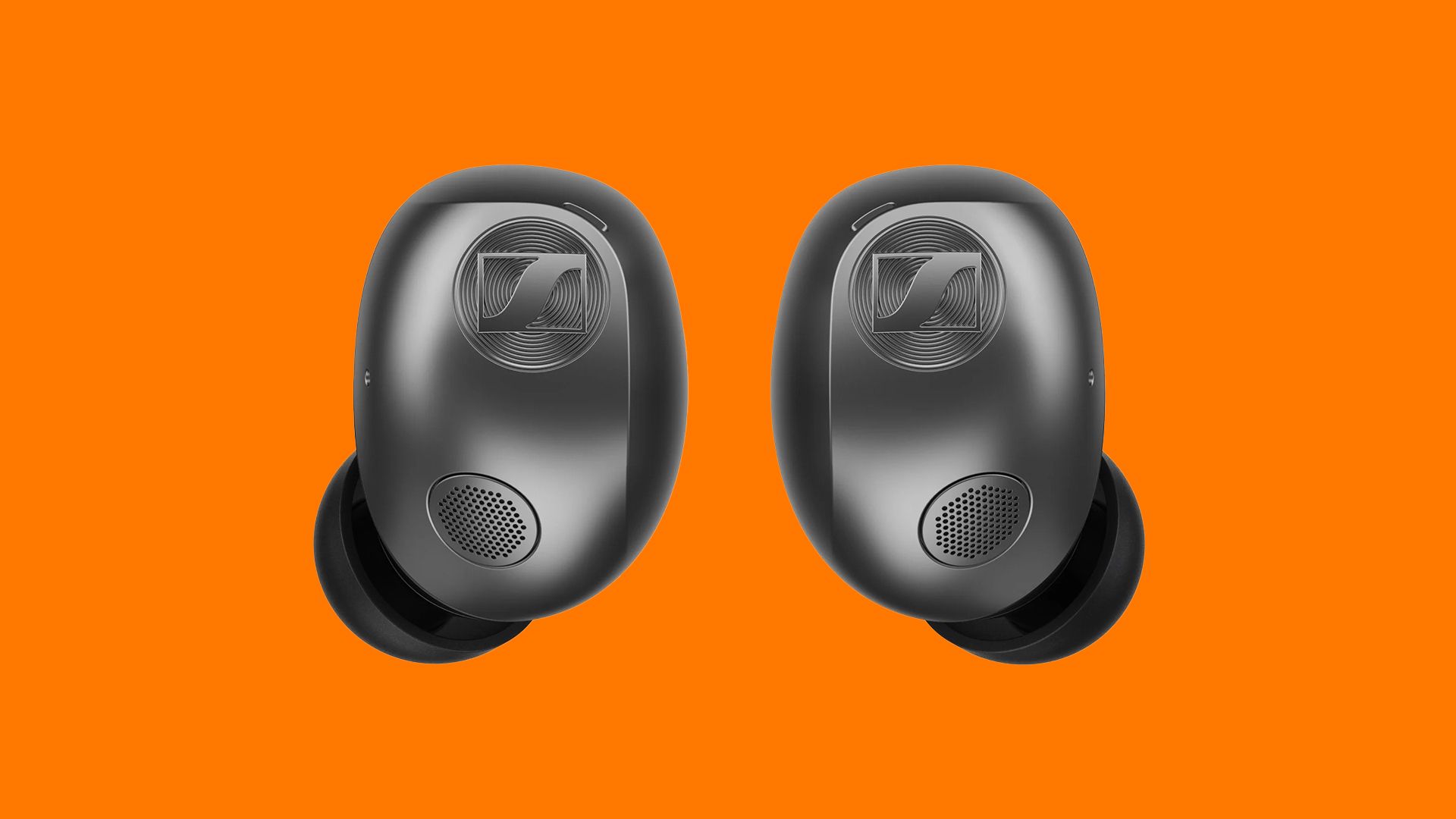
The technical specifications are equally impressive:
- Audio Quality: Support for high-fidelity Lossless codecs ensures that audiophiles don’t have to compromise on sound quality for the sake of the environment.
- Immersive Features: 3D Dolby Atmos sound provides a spatial audio experience that is increasingly becoming the industry standard.
- Adaptive Intelligence: The inclusion of adaptive active noise cancellation (ANC) and AI-powered voice isolation ensures the buds perform in challenging acoustic environments, such as wind-heavy outdoor areas.
- Battery Life: Beyond being replaceable, the system boasts up to 40 hours of combined playtime, minimizing the need for constant charging cycles that accelerate battery degradation.
Official Responses and Industry Implications
The industry’s reaction to the Momentum True Wireless 5 has been one of cautious optimism. Industry analysts suggest that Sennheiser’s move could force competitors like Apple, Sony, and Bose to rethink their design methodologies.
"We are seeing a distinct movement where consumers are becoming ‘repair-conscious,’" says Dr. Aris Thorne, an analyst specializing in sustainable electronics. "If a brand like Sennheiser can prove that they can maintain a premium aesthetic and high performance while allowing users to open the device, the ‘it’s too small to be repairable’ excuse used by other manufacturers will start to sound increasingly hollow."
Sennheiser has stated that their goal was to balance the demands of a sleek, ergonomic design with the realities of modern ecological concerns. Their focus on the Smart Control Plus app—which allows for granular EQ settings and battery health monitoring—further reinforces the idea that the user should have full control over the device’s entire lifecycle.
The Broader Implications for the Tech Industry
The launch of these earbuds is part of a larger conversation regarding "Right to Repair" legislation. Across Europe and parts of North America, lawmakers are pushing for stricter regulations that mandate longer product lifespans and easier repair paths for consumer goods.
If the Momentum True Wireless 5 succeeds commercially, it will serve as a powerful proof-of-concept. It demonstrates that repairability is not a barrier to profitability or brand prestige. In fact, for a brand like Sennheiser, it becomes a value-add. Customers are more likely to invest in a higher-priced item if they know they can swap out the battery in three years rather than buying a new pair entirely.
Conclusion: A New Standard
The Sennheiser Momentum True Wireless 5 represents more than just an iteration of a popular audio product. It is a bridge between the high-performance audio world and the growing movement for sustainable, repairable technology.
While the industry has spent years telling consumers that sealed, unrepairable devices are the price of admission for miniaturization, Sennheiser has effectively debunked that narrative. By empowering the user to maintain their own devices, they are ensuring that these headphones will not end up in a landfill, but rather remain a reliable companion for years to come.
As we look toward the future, the question for other manufacturers is no longer whether they can make their products repairable, but whether they will. For the design-obsessed consumer who values both high-fidelity audio and environmental responsibility, the choice is becoming clearer: the era of disposable tech is finally being challenged, one screw at a time.


 Sagoh

 Asep Darmawan

 Raul Delapena Setiawan

 Reynand Wu



 Azzam Bilal Chamdy

 Ali Ikhwan
