
 Sagoh
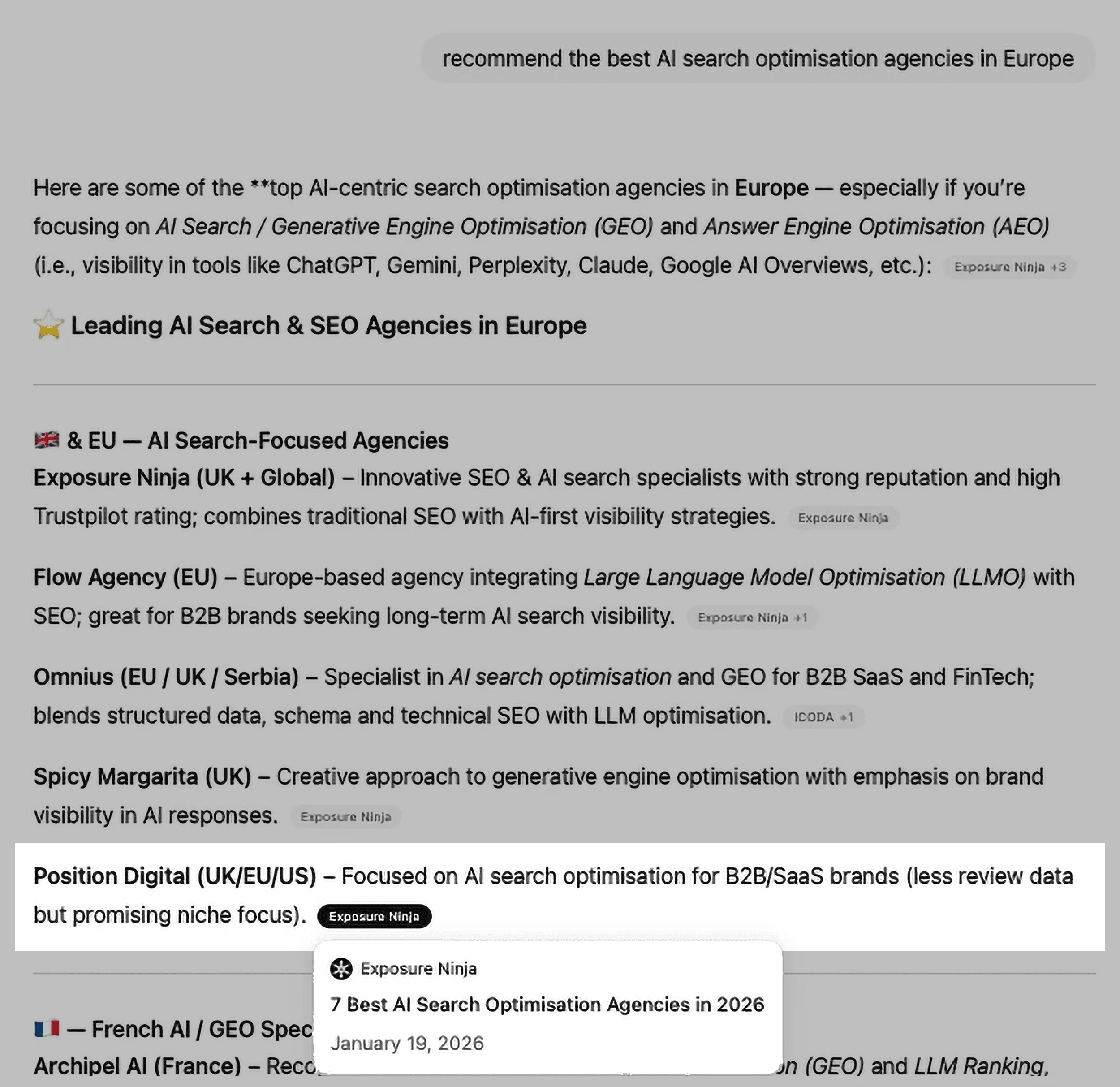
In the rapidly evolving landscape of digital search, the traditional playbook for SEO is undergoing a radical transformation. As Large Language Models (LLMs) like ChatGPT, Google’s AI Overviews, and Perplexity become the primary gateways to information, the old reliance on onsite optimization is no longer sufficient.

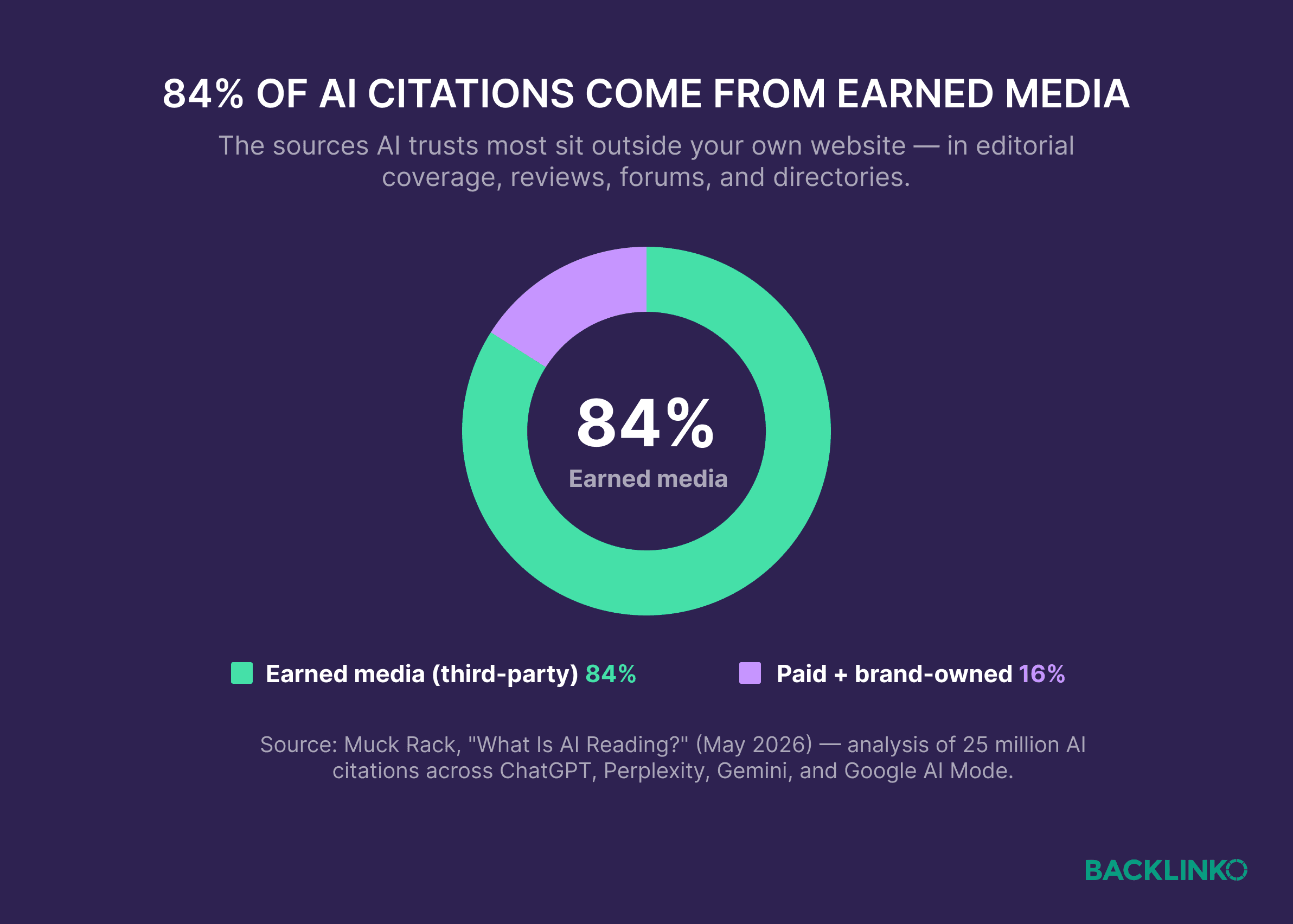
The data is clear: to win in the age of AI, your brand must exist everywhere. A comprehensive study by Muck Rack recently revealed that a staggering 84% of AI citations are derived from "earned media"—the third-party ecosystem of editorial coverage, expert reviews, and community forums. In the world of generative AI, third-party validation has officially eclipsed self-promotion. While your website remains your headquarters, your AI visibility is now primarily dictated by what is said about you across the wider web.
The Shift: From Onsite Ranking to Offsite Authority
AI systems do not simply "crawl" a single website to provide an answer. Instead, they ingest, synthesize, and summarize data from dozens, sometimes hundreds, of disparate sources across the internet. When a user asks a question, the model constructs a response based on the "consensus" it finds in its training data and real-time web access.
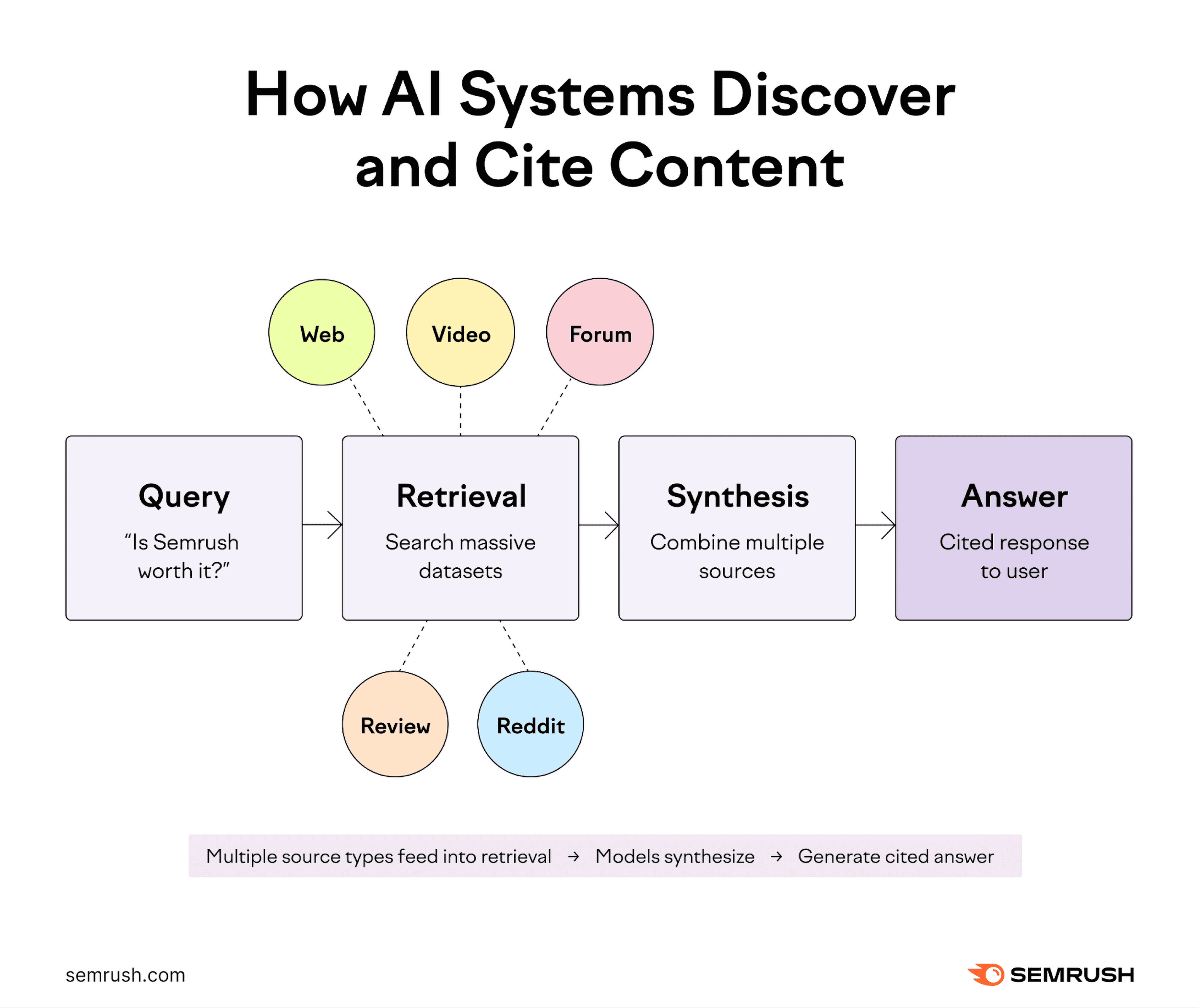
For your brand to be recommended, mentioned, or cited, you must achieve a level of digital ubiquity. The more frequently and consistently your brand name, data, and expertise appear in reputable third-party sources, the more the AI begins to recognize, trust, and ultimately prioritize you. This is the new mandate for digital PR.
Six Proven Strategies for AI-Era Digital PR
To dominate in AI-generated answers, you must shift your PR focus from general brand awareness to high-intent, authoritative placement. Here are six strategies to build that presence.
1. Data-Led PR: Establishing Authority Through Research
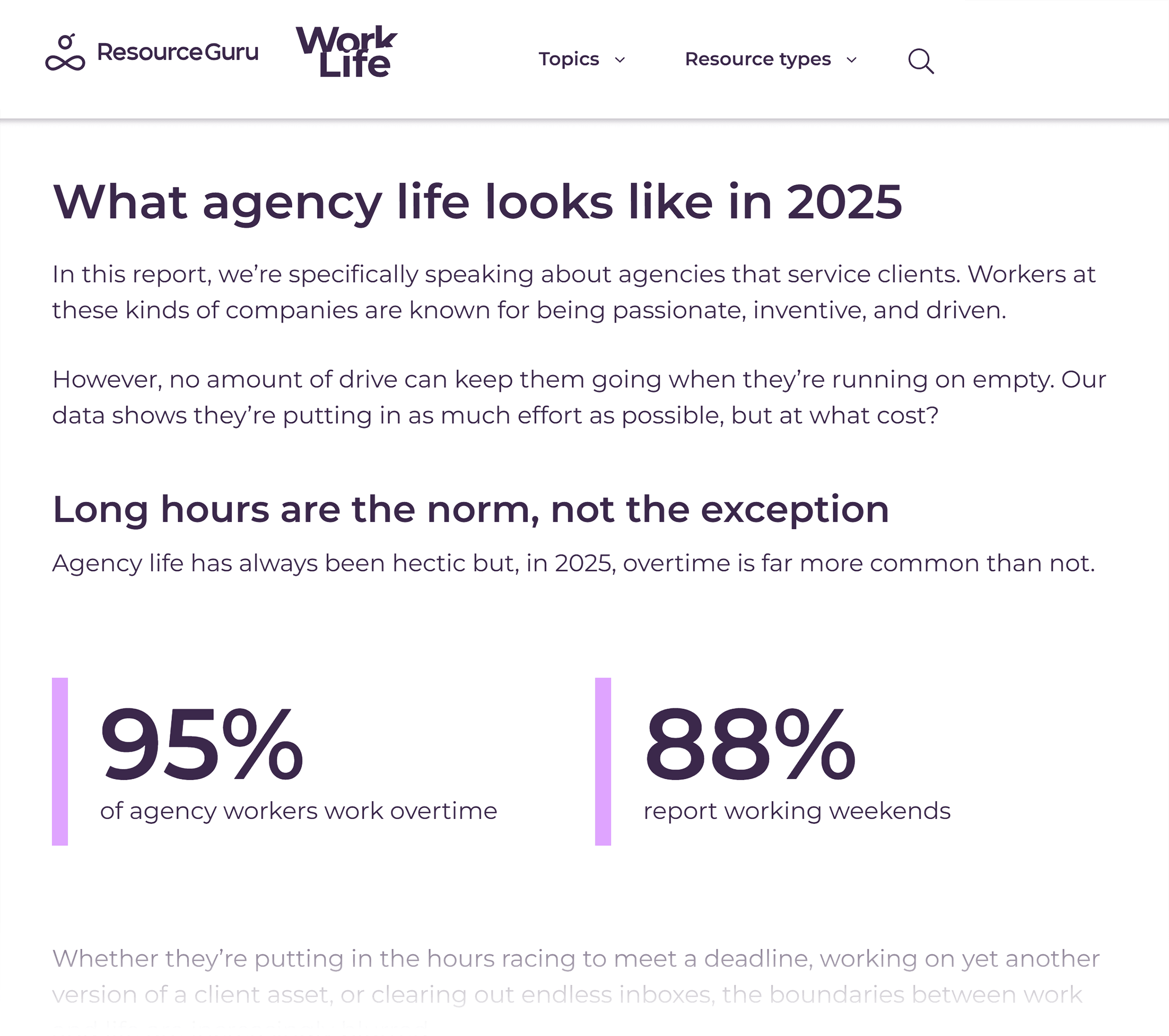
Data-led PR involves publishing original research, statistical roundups, and proprietary studies. Journalists and bloggers are in a constant state of hunger for credible data to bolster their own arguments. When you provide this data, you earn high-quality backlinks, which remain a primary metric for domain authority.
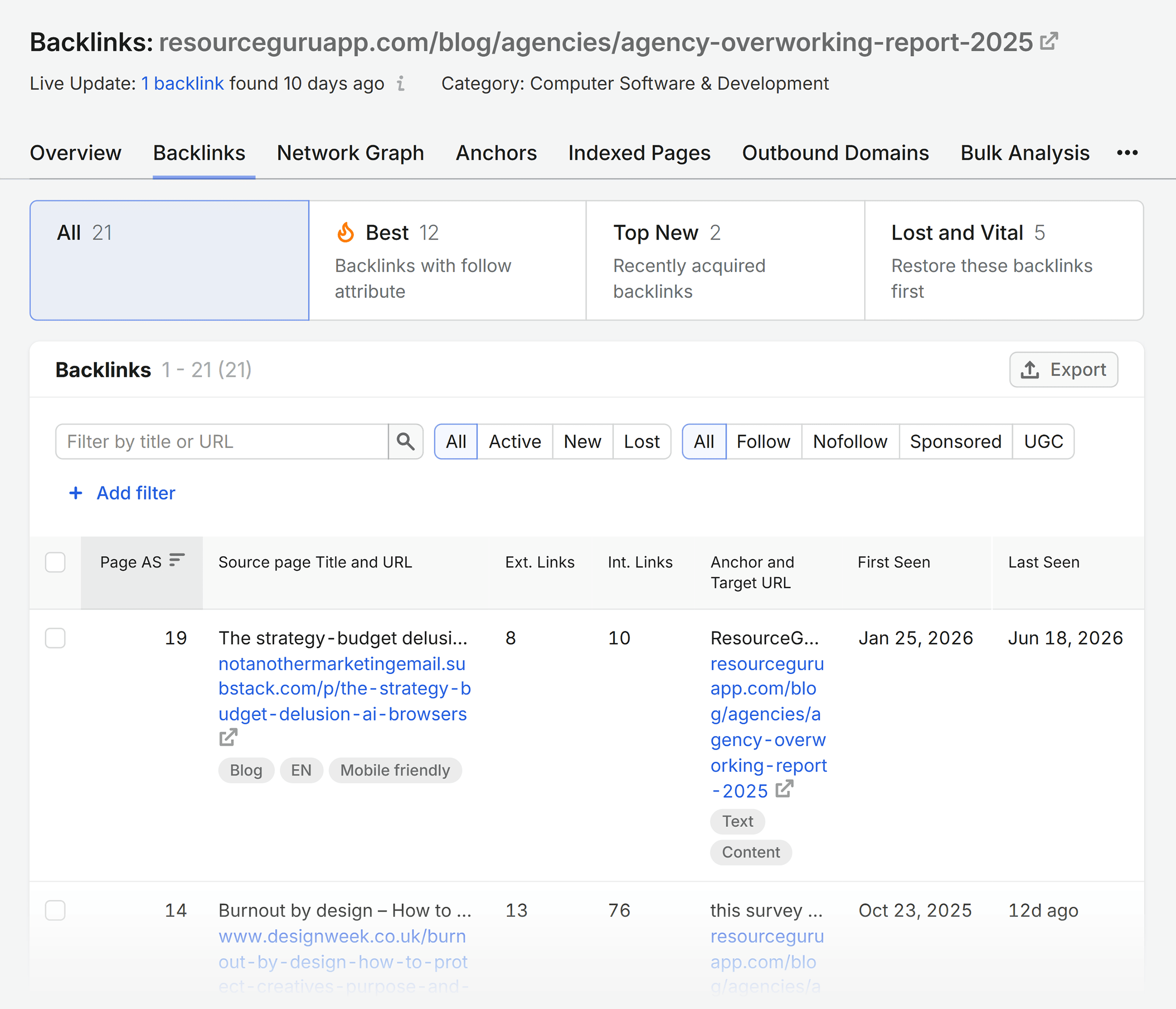
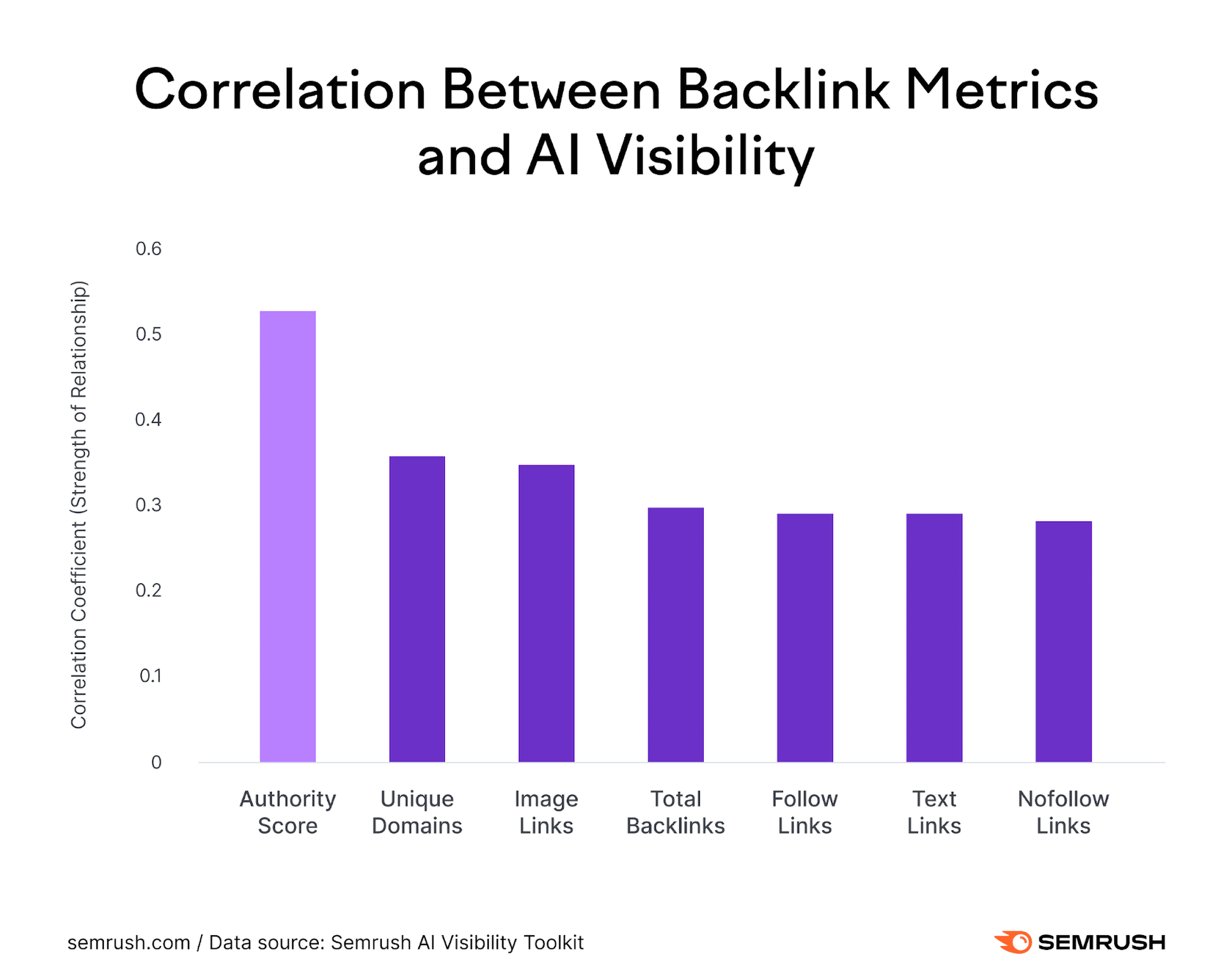
Recent studies from both Semrush and Seer Interactive confirm that domain authority and high-quality backlinks from high-DA sites are the two most significant factors in determining AI visibility. By publishing an "Industry Report" or a "State of the Market" study, you position your brand as the primary source that others—and by extension, AI models—must cite.
2. AI Citation Outreach: Targeting the Sources
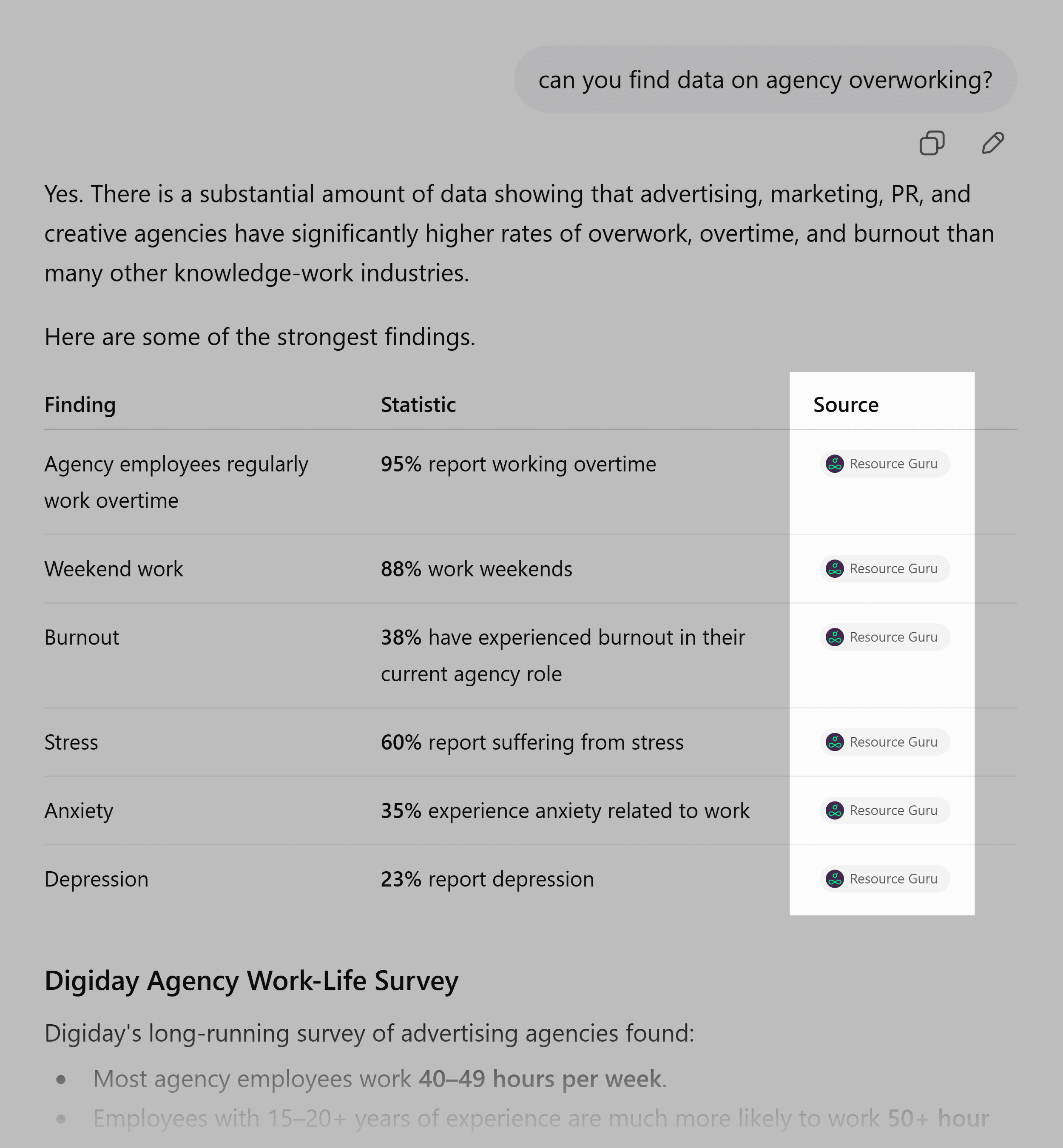
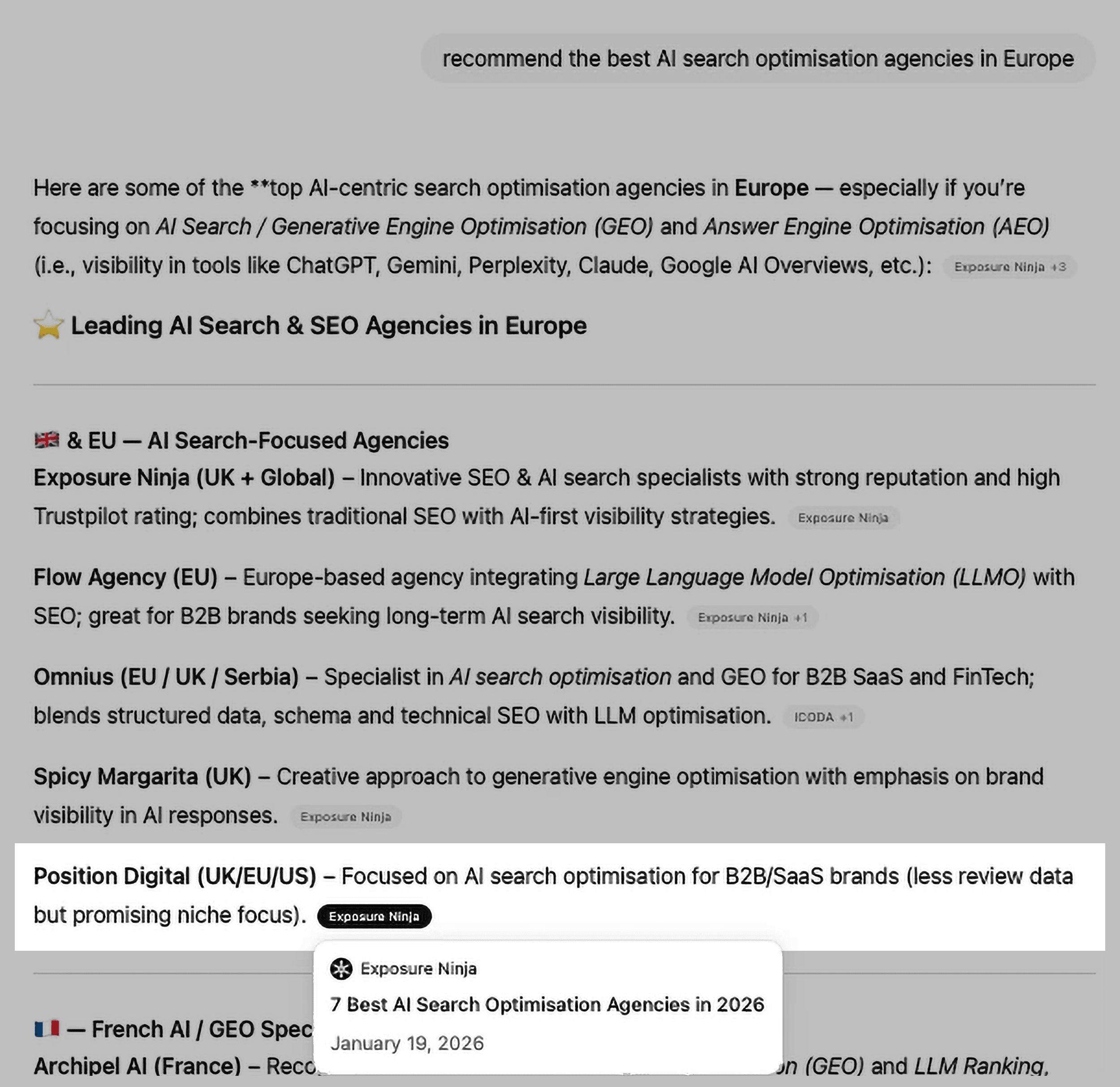
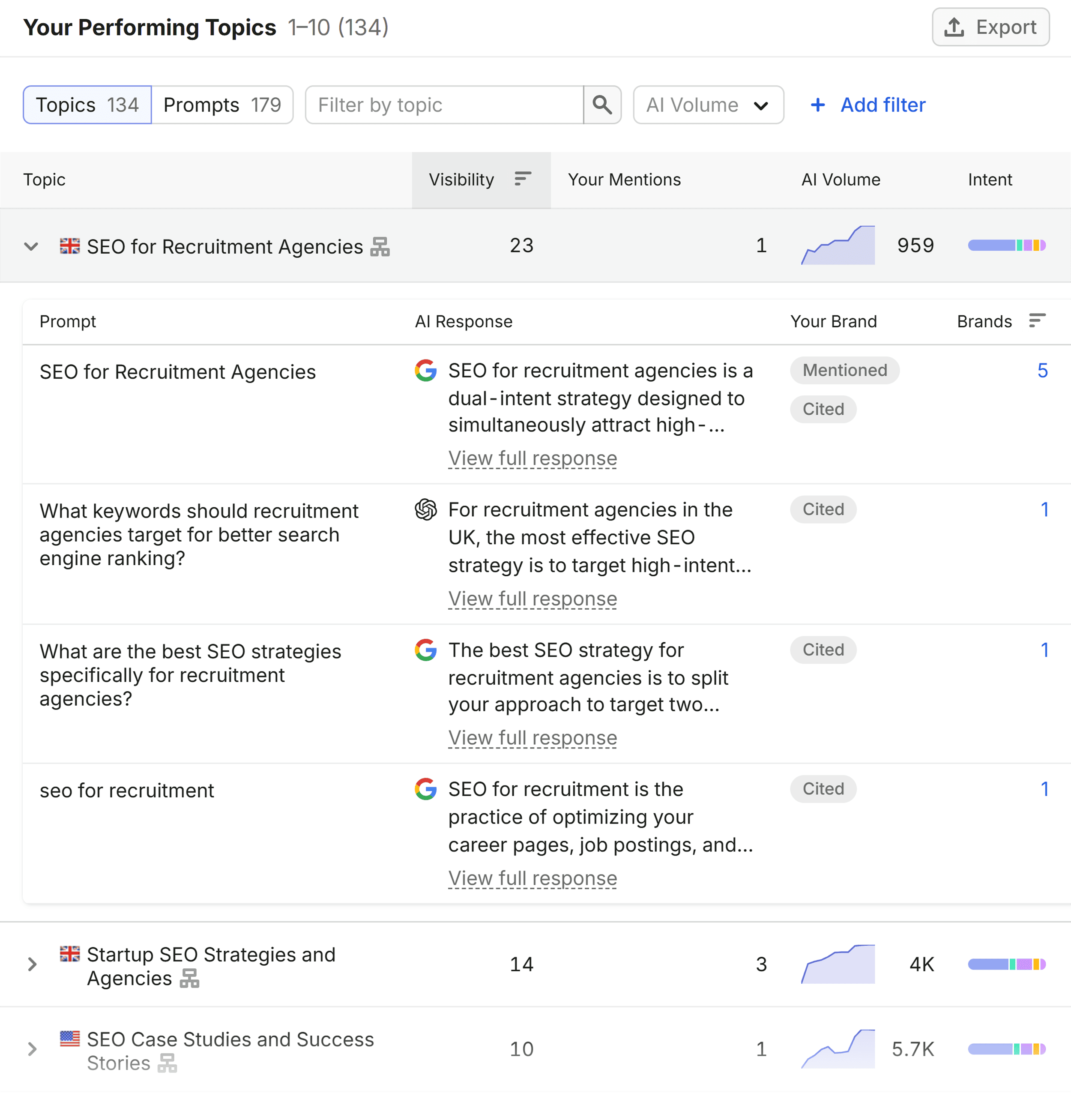
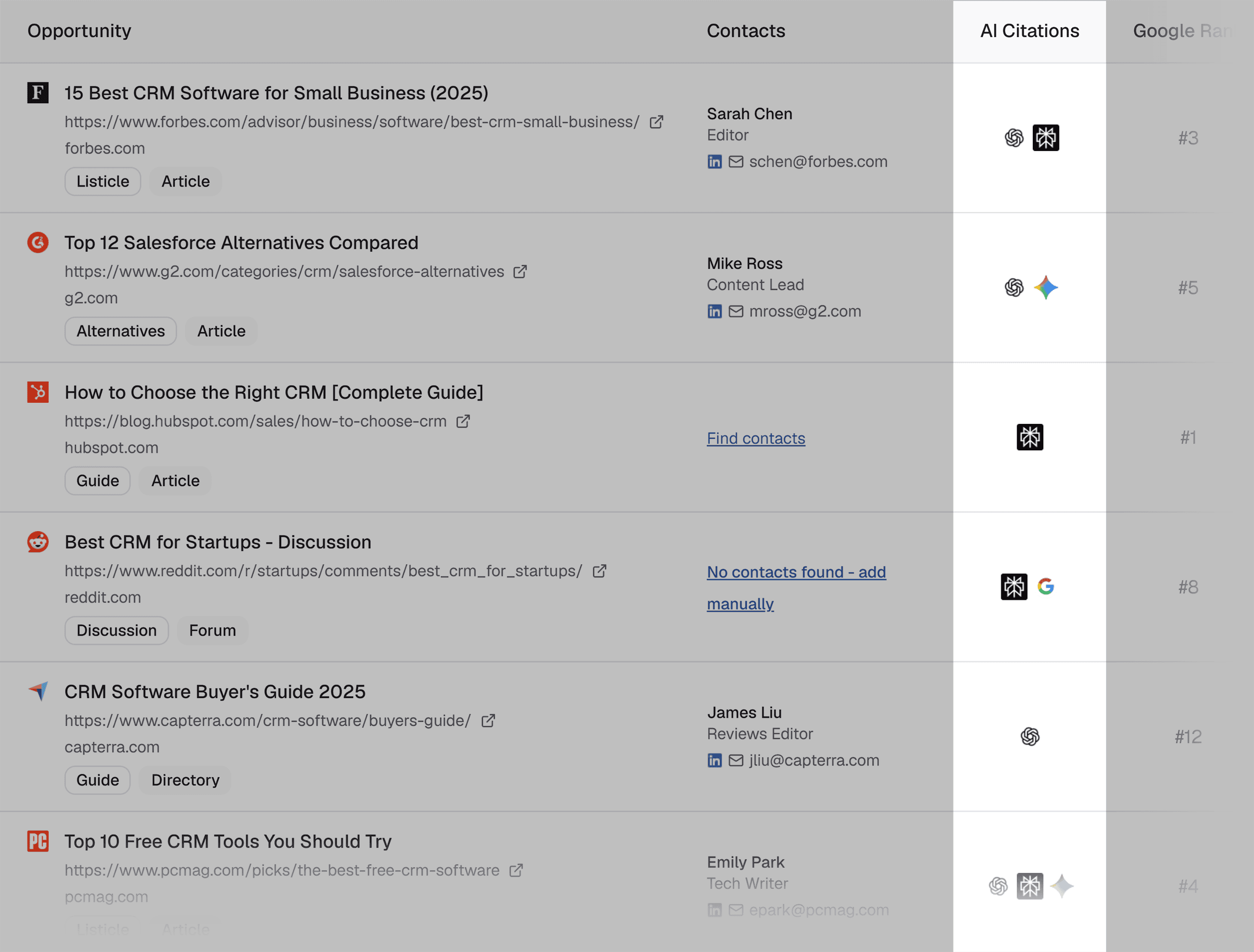
AI citation outreach is the surgical practice of identifying exactly which publications your target AI models use as "source material" and securing a feature within those specific pages. If an AI consistently cites a particular "Top 10" listicle when asked about your industry, getting your brand into that listicle is a direct path to being cited in the AI’s response.
How to execute:
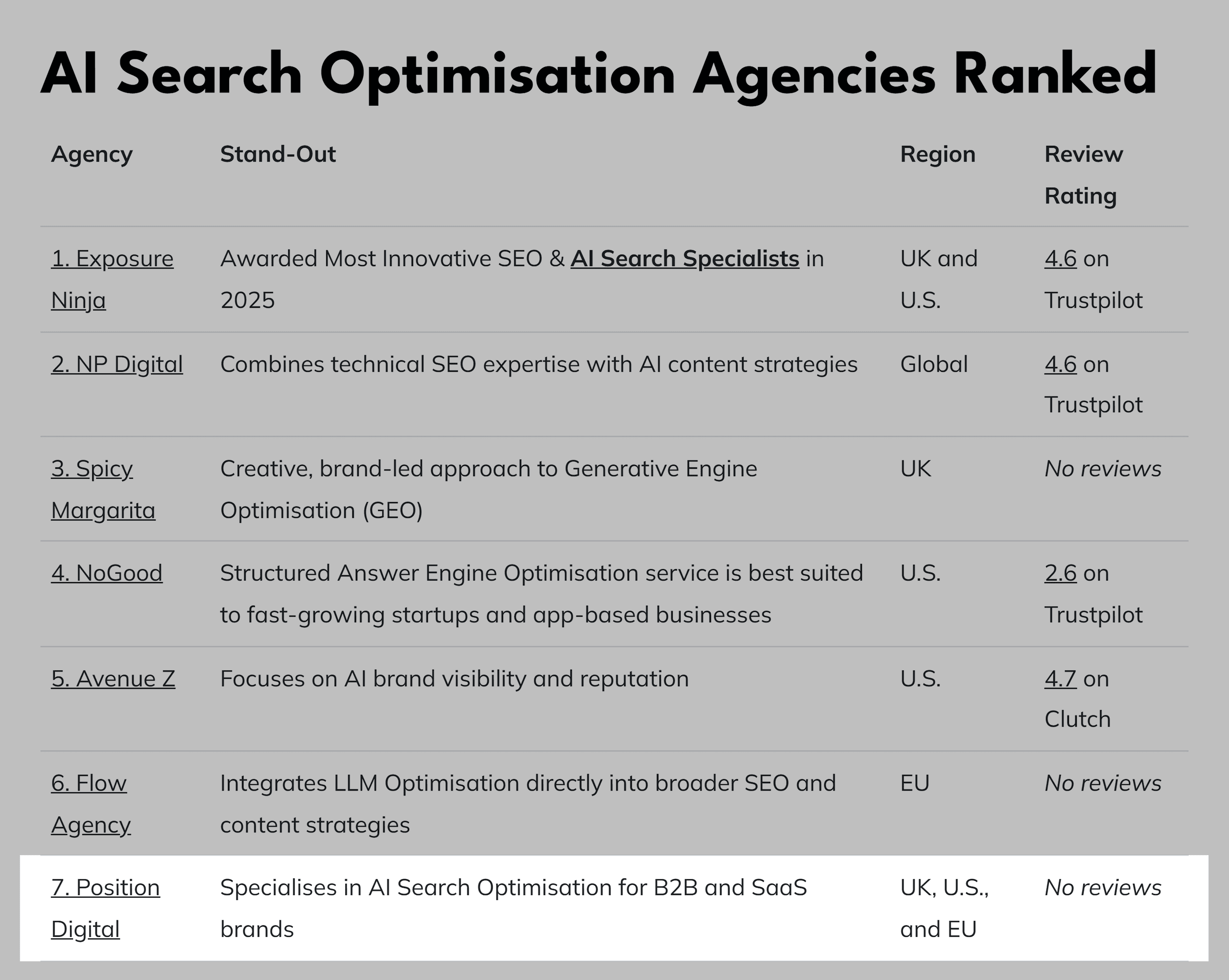
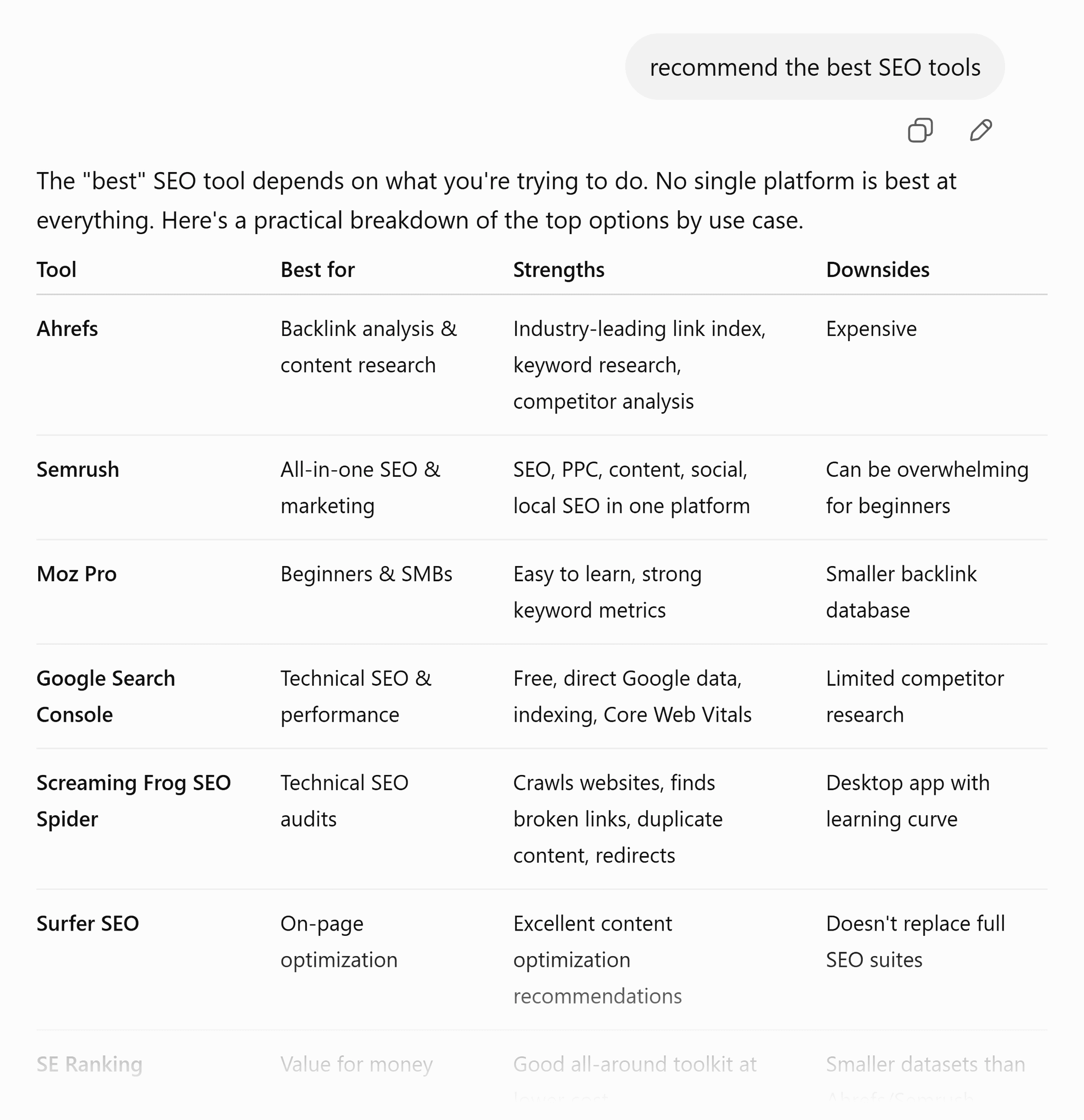
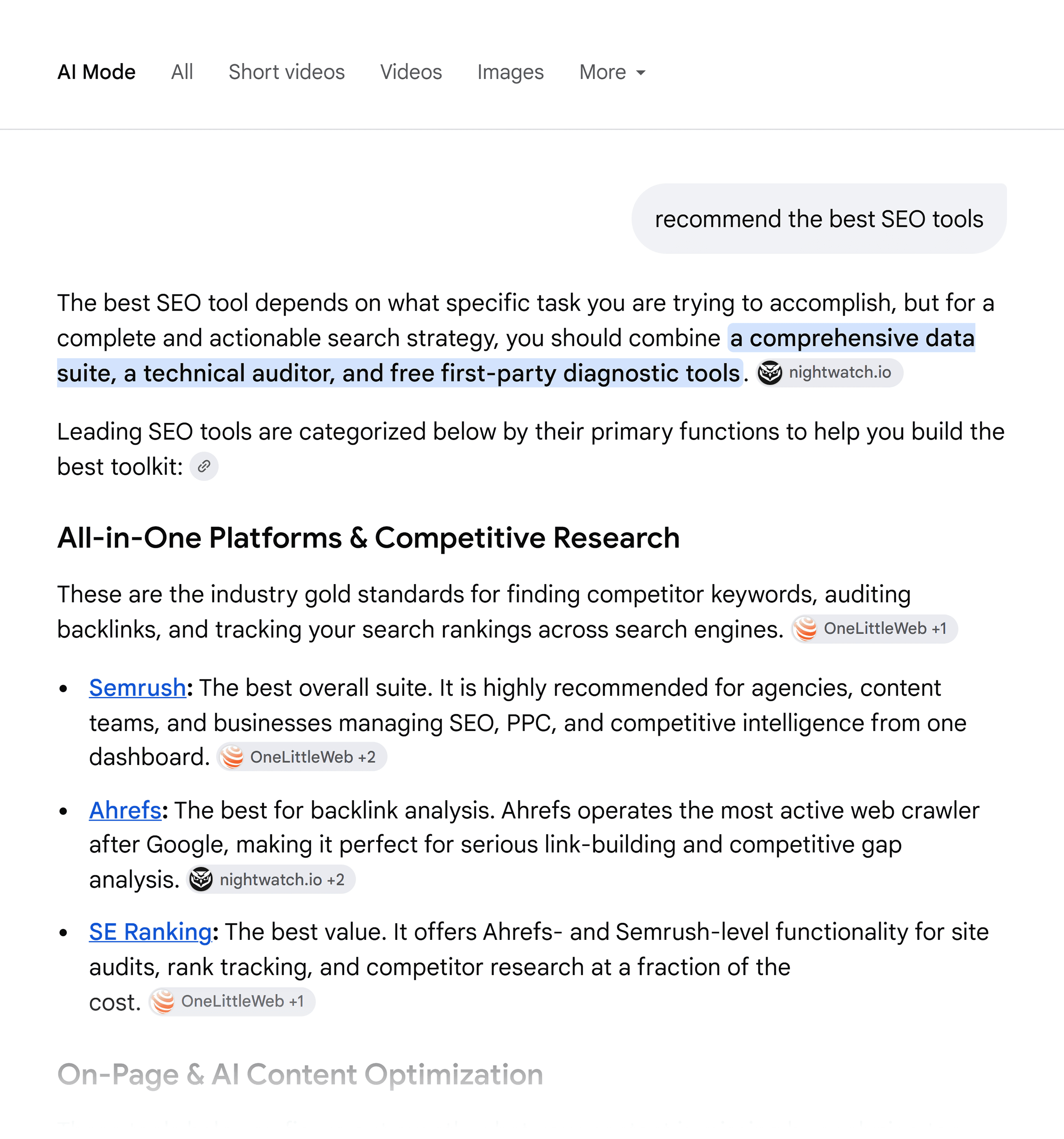
- Prompt Mapping: Run your target keywords through multiple AI models (ChatGPT, Claude, Gemini) and document which domains they cite.
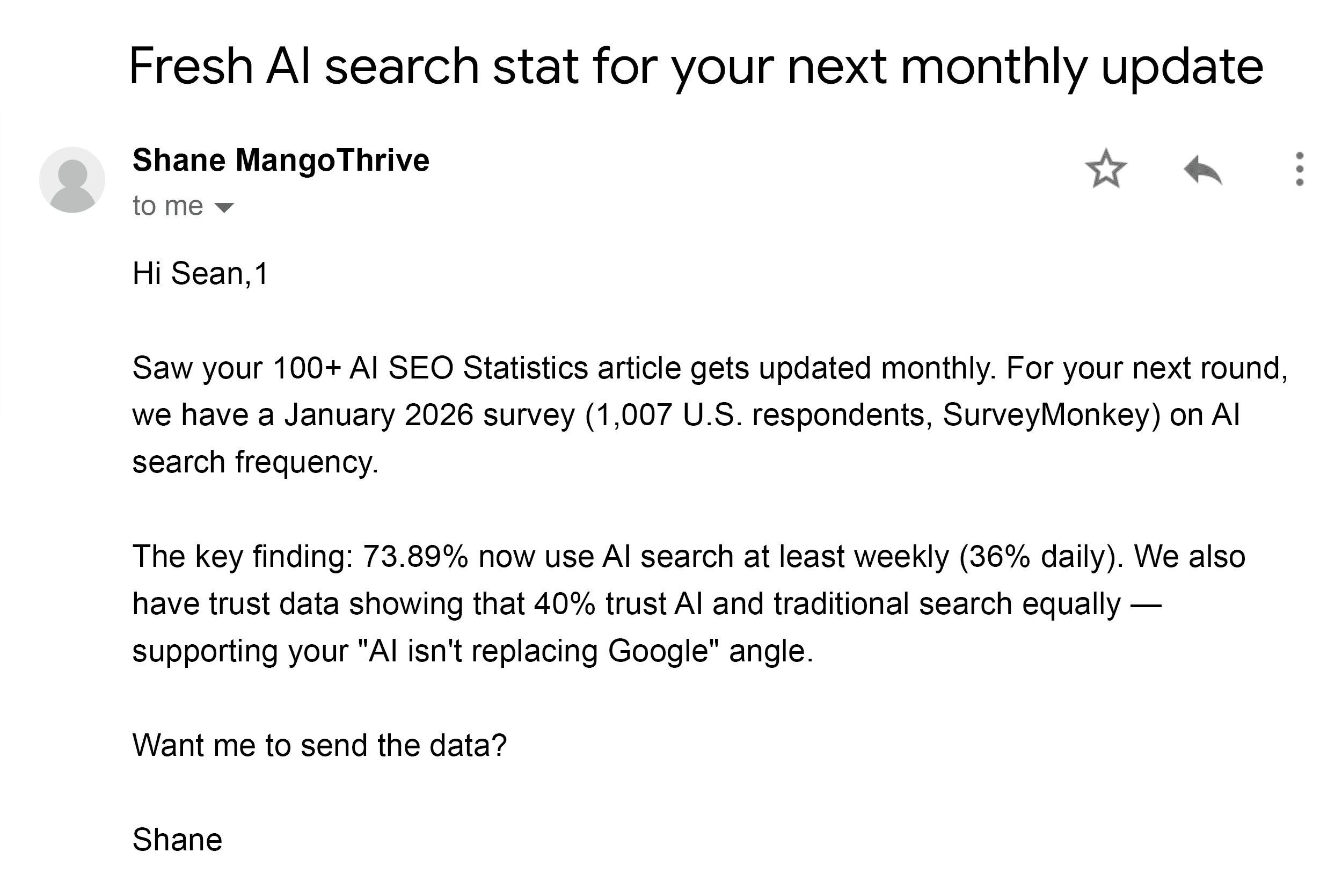
- Outreach: Use tools like Hunter or Apollo to find the editors of those specific pages.
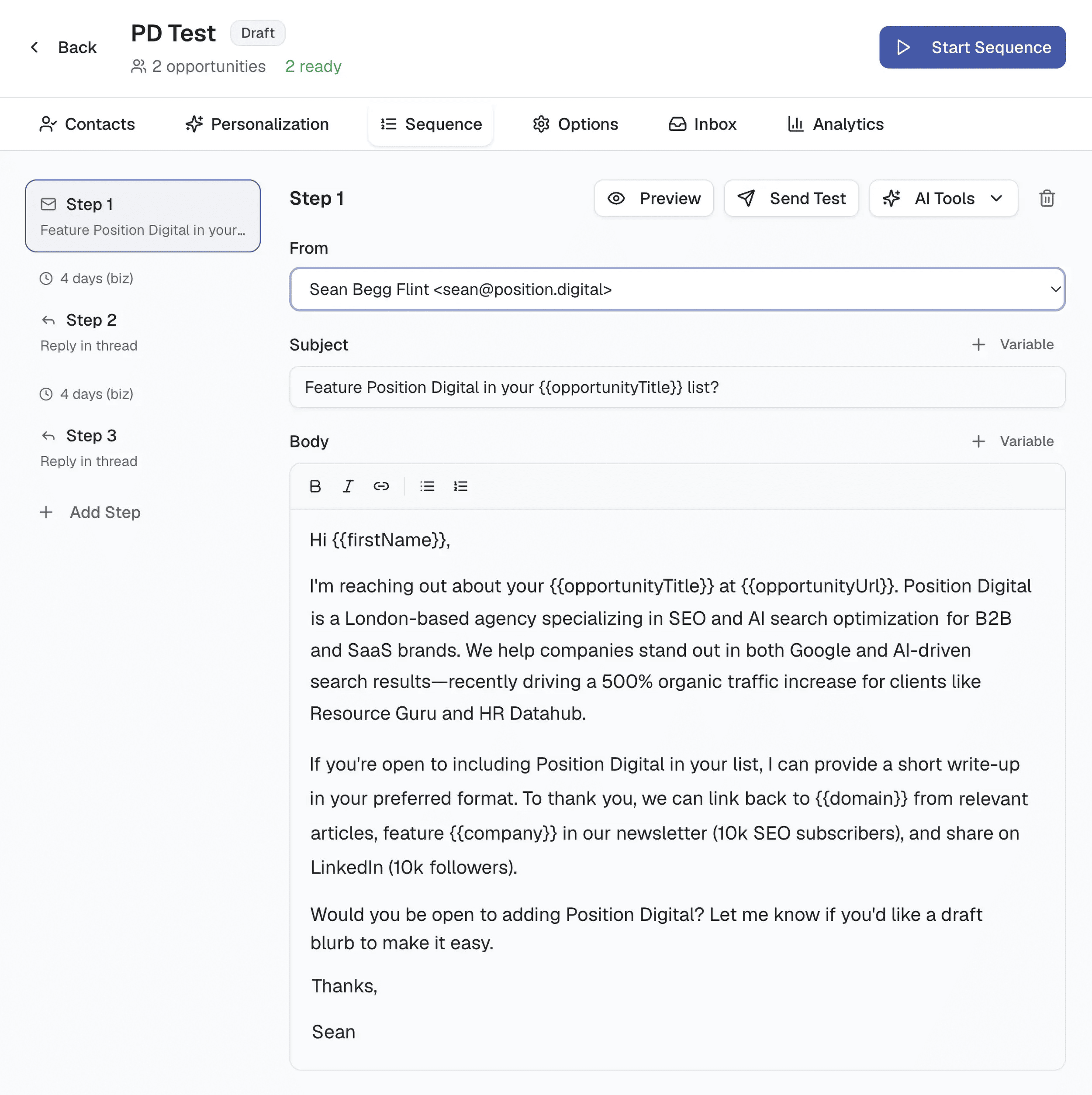
- The "Copy-Paste" Offer: When pitching, provide the author with a pre-written, high-quality blurb that they can simply drop into their existing content.
3. Reactive PR: The Speed Advantage
LLMs have training cut-off dates. When a breaking news story or an emerging trend occurs, the model relies heavily on the first few reputable sources to hit the web. This is your window of opportunity.
Reactive PR is about speed. When a major industry shift happens, being the first to publish a high-quality, analytical response ensures that when the AI searches for current context, your brand is the one it finds. By tracking emerging conversations through newsletters (like SEOFOMO) and social platforms, you can position your brand as the leading voice on the topic before the major outlets have even begun their reporting.
4. Ego Bait: The Power of Expert Validation
Ego bait—the practice of featuring industry influencers and experts in your content—is a potent trust signal. An AI SEO study found that pages featuring expert quotes receive an average of 4.1 citations in ChatGPT, compared to just 2.4 for pages lacking such credentials.
When you feature an expert, you aren’t just improving your content quality; you are creating a distribution engine. These experts are likely to share the content, creating a ripple effect of backlinks and mentions that further solidify your brand’s authority in the eyes of the LLM.
5. Thought Leadership: Challenging the Status Quo
Generic, "safe" content rarely ranks or earns citations. To achieve true thought leadership, you must produce content that challenges the status quo.
By building a strong presence on LinkedIn—which was found to be the second-most-cited domain in AI search engines—you create a feedback loop. When you share controversial or highly analytical takes that spark debate, you generate the engagement necessary for your ideas to be picked up by third-party publications. Once your ideas are discussed on multiple authoritative sites, the AI recognizes these repeating patterns of validation as evidence of your expertise.
6. Community Building: The "Neutral Ground" Strategy
Perhaps the most counterintuitive strategy is investing in forums like Reddit and Quora. These platforms are heavily scraped by AI models. Crucially, AI models often treat these as "neutral" or "community-driven" sources, which they view as more honest than brand-owned blogs.
Key Findings:
- The Trust Gap: Studies show LLMs frequently cite Reddit threads over brand blogs.
- Review Profiles: Brands without a presence on sites like Trustpilot or G2 have a negligible AI citation rate (roughly 1%). Simply building a minimal profile with a handful of reviews can jump that rate to over 50%.
Implications for the Future
The implications for marketers are clear: the wall between SEO and PR has crumbled. "Digital PR" is no longer just about building links for Google rankings; it is about building a web of trust that artificial intelligence uses to understand the world.
To succeed, you must stop treating your website as an island. You must identify the sources that AI models trust, become a visible and valued member of the communities those models scrape, and provide the data and expert validation that LLMs crave. The future of search is not just about being found—it is about being referenced. By following these six strategies, you ensure that when the AI speaks, your brand is part of the conversation.


 Ammar Sabilarrohman

 Suro Senen

 Raul Delapena Setiawan

 Reynand Wu



 Azzam Bilal Chamdy

 Ali Ikhwan
