
 Reynand Wu
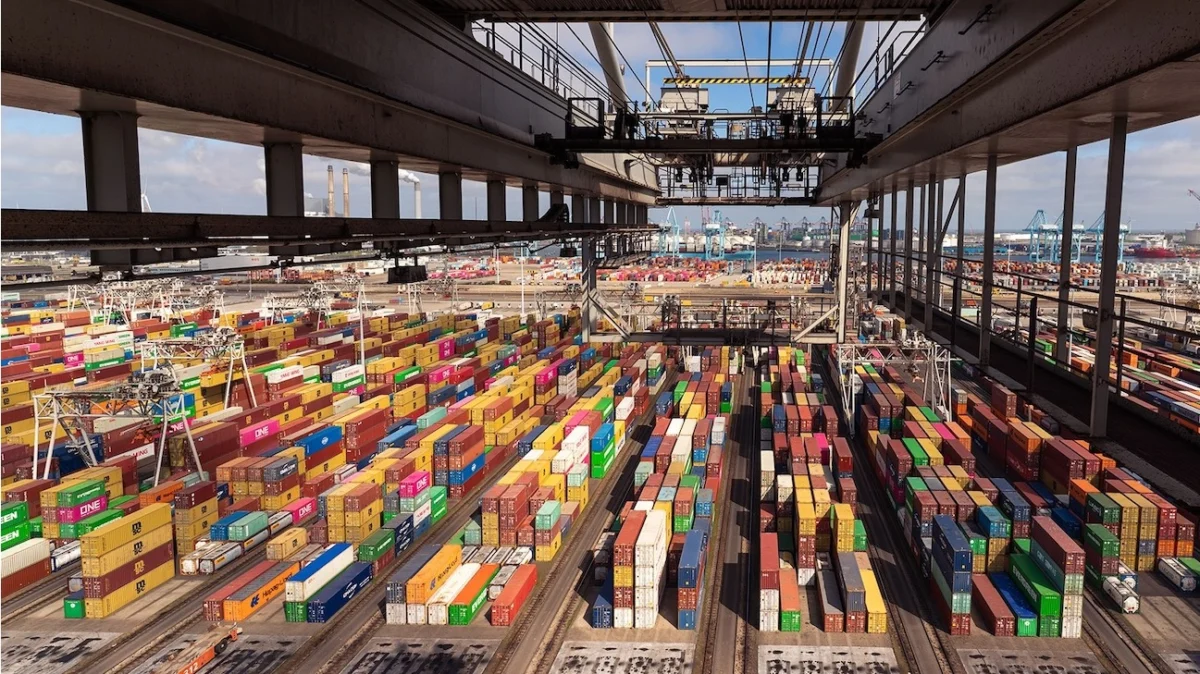
The global maritime logistics sector finds itself navigating a period of heightened volatility, as reflected in the latest data from the Drewry World Container Index (WCI). The index, which tracks freight rates across major global trade lanes, has recorded a 2% increase, bringing the average cost to $4,585 per 40-foot container. This uptick underscores the precarious balance between resilient consumer demand in the United States and the aggressive capacity management strategies employed by ocean carriers to bolster their bottom lines.
While supply chain stakeholders had hoped for a stabilization of costs following the tumultuous disruptions of the past several years, the current landscape suggests that upward pressure on freight rates remains a persistent reality. As importers and retailers continue to wrestle with unpredictable service levels, the interplay between trans-Pacific demand and Asia-Europe supply constraints has created a fragmented market, where shippers in different regions face vastly different economic pressures.
The State of Global Freight: Key Market Drivers
The rise in the Drewry World Container Index is not a monolithic event; rather, it is the result of divergent strategies being deployed by shipping alliances across the world’s most critical maritime corridors.
In the trans-Pacific trade, the narrative is defined by robust U.S. import appetite. Despite concerns over macroeconomic headwinds and potential inventory gluts, demand for Asian-manufactured goods remains strong enough to push rates higher. The route from Shanghai to Los Angeles saw a 2% increase to $8,007, while the voyage to New York edged up 1% to $10,166 per 40-foot container. Analysts at Drewry suggest that these rates are likely to maintain their current levels into the near term, as the sheer volume of U.S. imports continues to absorb the influx of new vessel capacity entering the market.
Conversely, the Asia-Europe trade route is experiencing a more deliberate form of rate manipulation. Unlike their counterparts on the Pacific, carriers on the Europe-bound lanes are leaning heavily into "blank sailings"—a tactical move to remove capacity from the network. By artificially restricting the supply of available slots, carriers are effectively placing a floor under freight rates, ensuring that profitability remains insulated from fluctuations in cargo volume.
Chronology: From Port Congestion to Strategic Capacity Management
To understand how the market reached this current juncture, one must look at the recent operational shifts within major global ports.
For much of the third quarter, Asian export hubs were plagued by severe port congestion, which created a bottleneck effect, trapping vessels at anchor and effectively reducing the global supply of active containers. However, the latest data indicates a significant shift in operational efficiency. In Week 38, vessel waiting times at the Port of Shanghai averaged a grueling 97 hours. By Week 42, that figure had plummeted to just 38 hours.
This drastic reduction in waiting times represents a major improvement in port throughput, which theoretically should have led to an increase in available vessel capacity. However, instead of allowing this regained efficiency to soften prices, carriers have pivoted. The reduction in port congestion has been met with a synchronized increase in blank sailings on the Asia-Europe route—jumping from two cancellations in the previous week to eight for the coming week. This serves as a clear signal that the industry is prioritizing rate stability over volume maximization.
Meanwhile, the security landscape in the Persian Gulf continues to serve as an X-factor in global maritime planning. Ongoing geopolitical tensions and security threats have forced carriers to reconsider their routing. The number of containerships entering the Gulf dropped from five to just two in Week 42. While traffic through the Suez Canal saw a marginal increase from 54 to 55 transits, the underlying risk profile for vessels operating in the region remains elevated, adding a "security premium" to the cost of doing business.
Supporting Data: The Anatomy of the Rate Hike
The complexity of the current market is best illustrated by the granular data provided by Drewry’s Container Capacity Insight. The service, which monitors the pulse of global trade, paints a picture of a market defined by active intervention:
- Trans-Pacific Resilience: Carriers have significantly reduced their reliance on blank sailings for trans-Pacific routes, scheduling only two for the upcoming week compared to six previously. This reflects confidence in the sustained strength of U.S. consumer spending.
- Asia-Europe Tightening: The jump to eight blank sailings on the Asia-Europe route is a direct effort to counteract the easing of port congestion. By managing supply so aggressively, carriers are successfully forcing rates upward, with Shanghai-to-Rotterdam prices rising 3% to $3,632 and Shanghai-to-Genoa prices increasing 5% to $4,152.
- The Reliability Gap: Despite the improved port turnaround times in Shanghai, the broader issue of service reliability remains a persistent risk. As carriers continue to adjust their schedules on the fly, shippers are finding it increasingly difficult to plan for "time-definite" arrivals, a factor that is driving interest in alternative, albeit experimental, logistics routes such as the recently trialed Arctic passages.
Official Industry Perspectives and Implications
The implications for global supply chains are profound. For importers, the current environment means that even as physical logistical hurdles—such as port congestion—are resolved, the financial burden of shipping remains high. The transition from a market driven by supply chain constraints to one driven by carrier capacity management is a pivotal development.
Industry experts note that we are entering a phase where the "cost of shipping" is no longer just a function of fuel prices and labor, but a tactical calculation by carrier alliances. For companies reliant on the trans-Pacific and Asia-Europe lanes, this means that budgeting for logistics has become an exercise in monitoring the "capacity withdrawal" strategies of major lines.
Furthermore, the rise of specialized discussions, such as the viability of nuclear-powered container ships for U.S.-U.K. routes, suggests that the industry is looking beyond traditional fuel sources to solve the long-term cost and efficiency puzzle. However, these are long-term solutions to immediate, short-term pressures.
The Outlook: What Shippers Should Expect
As we look toward the remainder of the quarter, the following themes are expected to dominate the shipping discourse:
- Demand-Side Dependency: The U.S. market remains the primary anchor for global rates. Should domestic consumer confidence falter, the current trans-Pacific rate strength could evaporate, forcing a recalibration of capacity similar to the European model.
- Capacity Discipline: Expect carrier alliances to continue their use of blank sailings as a primary tool to mitigate the impact of new vessel deliveries. As more mega-ships enter the global fleet, carriers will face immense pressure to keep utilization rates high, meaning capacity management will become even more aggressive.
- Geopolitical Risk: Security in the Red Sea and Persian Gulf will remain a volatility trigger. Any escalation in regional conflict could lead to a rapid spike in insurance premiums and fuel costs, further complicating the rate environment for shippers who are already operating on thin margins.
In conclusion, while the easing of congestion at major Asian ports offers a glimmer of hope for operational fluidity, it has not provided the relief in costs that many had anticipated. Instead, the market has entered a sophisticated, albeit expensive, equilibrium where carriers hold the keys to supply. For shippers, the road ahead requires not just an eye on the cargo, but a vigilant watch on the strategic maneuvers of the global shipping lines. As the industry prepares for upcoming events like the FreightWaves Future of Freight Festival, the focus will undoubtedly remain on how technology, data, and collaborative planning can navigate these increasingly choppy waters.


 Nila Kartika Wati

 Neng Nana

 Ammar Sabilarrohman

 Asep Darmawan

 Asro

 Layla Zulfa


 Muslim
