
 Suro Senen
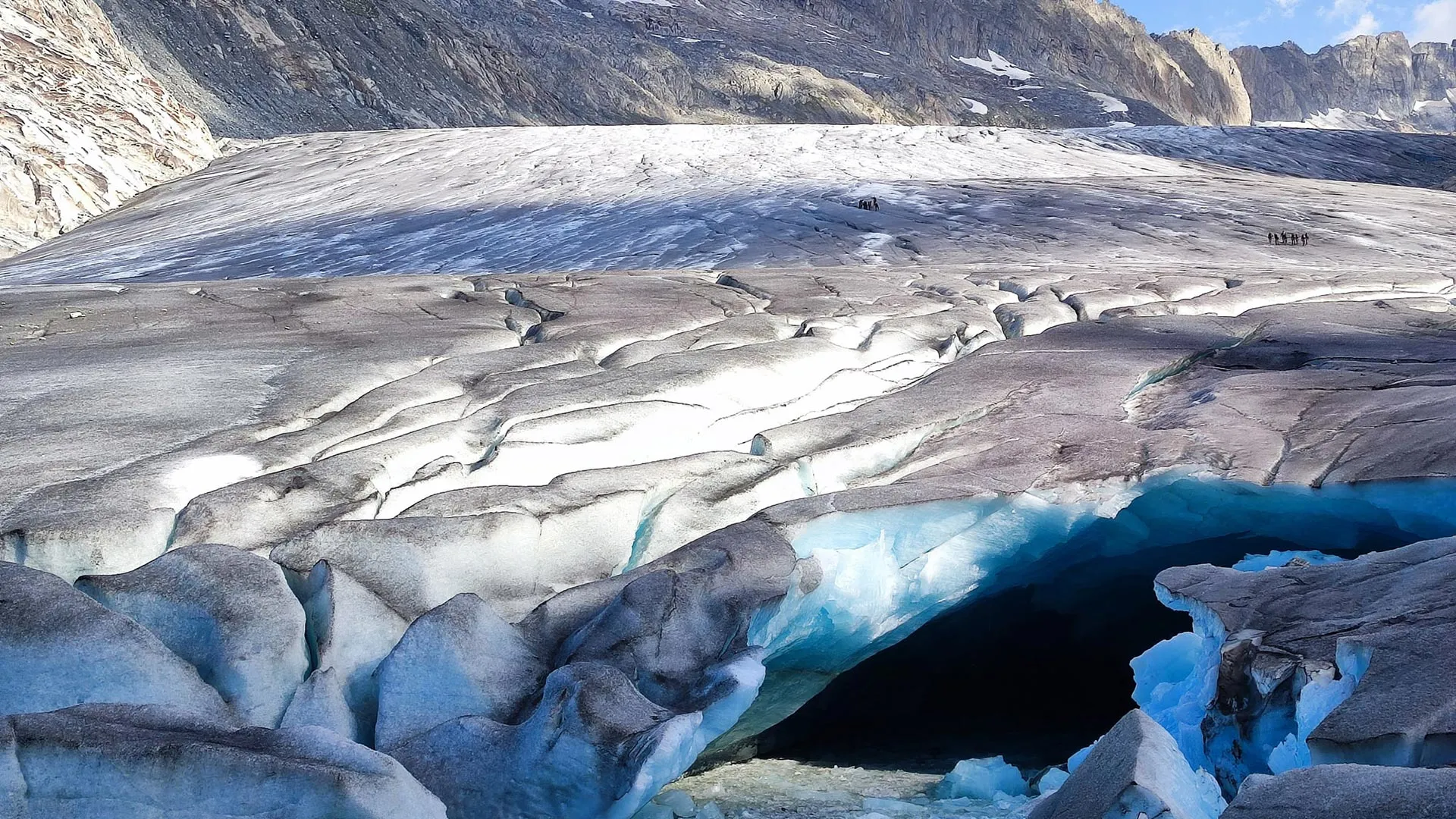
Introduction: A Landscape in Peril
The dramatic transformation of the Swiss Alps, long considered the "water tower of Europe," has reached a tipping point that researchers are calling a generational catastrophe. According to the latest annual report from the Swiss Academy of Sciences (SCNAT), 2026 has etched itself into the history books as a year of profound loss. Switzerland’s glaciers, the majestic sentinels of the mountain landscape, shed more than 5% of their total ice volume in a single year. While this figure falls just shy of the record-shattering collapse observed in 2022, the persistent, compounding nature of this decline signals an irreversible shift in the Alpine ecosystem.
Main Facts: The 2026 Ice Crisis
The data released by the Glacier Monitoring Network (GLAMOS)—a collaborative effort between ETH Zurich and the universities of Fribourg and Zurich—paints a harrowing picture of thermal stress. Across the country, glaciers thinned by an average of 2.5 to 4 meters. In the most vulnerable low-lying zones, the damage was localized and acute, with some glacier tongues retreating and thinning by as much as 10 meters in a single season.
Perhaps most symbolic of this crisis is the permanent disappearance of smaller glaciers. The Bella Tola in the canton of Valais and the Griessfirn in the canton of Glarus have officially vanished from the map. These are not merely statistics; they represent the extinction of geological features that have existed for centuries, now lost to the climate instability of the early 21st century.
Chronology: The Accelerated Descent
To understand the gravity of the 2026 figures, one must look at the trajectory of the past five years. Since 2021, Switzerland has lost nearly 20% of its total glacier ice volume. This is a staggering rate of depletion that has outpaced the most pessimistic models developed by glaciologists at the turn of the millennium.
- The Winter of 2025–2026: The decline began before the first heatwave. The winter season was among the ten least snowy in Swiss history. Without a thick, reflective blanket of snow to shield the ice from the sun, the glaciers were left "naked" as spring arrived.
- May to September 2026: The summer months were defined by unrelenting, persistent heatwaves and a distinct lack of precipitation.
- July to September 2026: The critical window for meltwater production saw the release of 2.2 trillion liters of water—a massive volume that, while providing a temporary buffer against regional drought, highlights the hemorrhaging of the country’s frozen reservoirs.
Supporting Data: The 4,000-Meter Threshold
The SCNAT report identifies a specific meteorological phenomenon that proved fatal for the ice: the "zero-degree line." Under normal circumstances, temperatures at 4,000 meters elevation should hover near or below freezing, allowing ice to remain stable.
In 2026, the elevation at which temperatures reached freezing climbed above 4,000 meters for 76 days—more than double the historical average and a new national record. By September, even the highest peaks at 3,500 meters were stripped of their snow cover. This exposed the underlying "black ice" (the ancient, dark glacial ice) to direct solar radiation, which absorbs more heat than snow, creating a self-reinforcing feedback loop of rapid melting.
Major landmarks, including the Rhone, Aletsch, and Clariden glaciers, suffered their most severe melting on record. The Aletsch, the largest glacier in the Alps, serves as the most prominent barometer for this crisis; its retreat is no longer a matter of slow, geological time, but a visible, rapid recession that can be observed from year to year.
The Paradox of Abundance: Water Security
The 2026 report presents a complex paradox regarding water management. During the peak of the summer heat, the rapid melting provided an artificial surplus of water, temporarily mitigating what would have been a catastrophic drought for the Swiss agricultural and energy sectors. The 2.2 trillion liters of meltwater released in those three months represent four times the annual drinking water consumption of the entire Swiss population.
However, experts are sounding the alarm on the "peak water" phenomenon. This surge in meltwater is a symptom of a dying system, not a sustainable resource. As the volume of the glaciers shrinks, the "tap" will eventually run dry. Once the ice mass falls below a critical threshold, the seasonal contribution of glacial runoff to rivers like the Rhine, the Rhone, and the Ticino will dwindle, potentially leaving the region vulnerable to severe water scarcity during the hot, dry summers that are becoming the new norm.
Official Responses and Scientific Consensus
The SCNAT, through its GLAMOS network, has transitioned from being a monitoring body to an agency documenting a collapse. The consensus among the researchers is clear: the current state of the glaciers is a direct reflection of human-induced climate change.
"We are witnessing the liquidation of a natural asset that took millennia to accumulate," said one lead researcher involved in the study. The scientific community is calling for urgent, systemic changes to reduce carbon emissions, emphasizing that while some glacier loss is now "locked in" due to historical greenhouse gas emissions, the survival of the remaining ice depends entirely on the global trajectory of climate policy over the next decade.
Implications for the Future
The loss of Switzerland’s glaciers extends far beyond the visual aesthetic of the Alps. The implications are multi-faceted:
1. Ecological Disruption
The disappearance of glaciers alters the chemistry and temperature of mountain streams. High-altitude biodiversity, which relies on the cold, mineral-rich runoff of glacial melt, is already showing signs of distress. As these streams warm, endemic species are being displaced, leading to a loss of alpine biodiversity.
2. Geotechnical Hazards
The thawing of glaciers often leads to the thawing of permafrost beneath them. This destabilizes mountain slopes, leading to an increased frequency of rockfalls and landslides. Communities situated in alpine valleys are increasingly at risk, forcing local governments to invest heavily in monitoring systems and protective infrastructure.
3. Economic and Tourism Impact
The tourism industry, which relies on the iconic "snow-capped peak" imagery of Switzerland, faces an existential threat. Ski resorts are forced to move to higher elevations or invest in energy-intensive snow-making technologies. Furthermore, the loss of these natural landmarks fundamentally alters the appeal of the Swiss mountain landscape, which serves as a cornerstone of the national economy.
4. Hydropower and Energy
Switzerland relies heavily on hydroelectric power, which is bolstered by glacial melt. The long-term reduction in water storage capacity in the Alps will necessitate a redesign of the nation’s energy strategy. The transition away from glacial-fed water supplies will require massive investments in reservoir expansion and new water management technologies to ensure that the country remains energy-independent and water-secure.
Conclusion: A Call to Action
The 2026 SCNAT report is more than a scientific document; it is a eulogy for a landscape that is being rewritten before our eyes. The disappearance of the Bella Tola and Griessfirn glaciers serves as a stark warning: the era of "stable" alpine ice is over.
As the glaciers continue their retreat, the world looks on at the Swiss Alps as a mirror for the rest of the planet. If the most robust glaciers in Europe cannot survive the current climate trajectory, the implications for other mountain ranges—from the Andes to the Himalayas—are dire. The data is unequivocal, the timeline is accelerating, and the need for a global response to stabilize the climate has never been more urgent. Switzerland’s mountains are melting, and with them, the foundation of a climate-stable future is receding.

 Ammar Sabilarrohman
 Neng Nana

 Asep Darmawan

 Asro

 Layla Zulfa

 Nila Kartika Wati

 Muslim
