
 Nana Wu
For nearly two decades, Peter Adeney—known to millions as the financial independence pioneer "Mr. Money Mustache" (MMM)—has been the North Star for those seeking to escape the "rat race." His philosophy of extreme frugality, combined with aggressive saving and index-fund investing, created a blueprint for early retirement that relies on a stark, minimalist lifestyle. However, a significant pivot in his personal habits over the last two years has ignited a conversation about what comes after the initial climb to financial independence: Can a master of frugality learn to spend, and if so, what does that "abundance" actually look like on a spreadsheet?
The Shift: Moving from Austerity to Intentional Spending
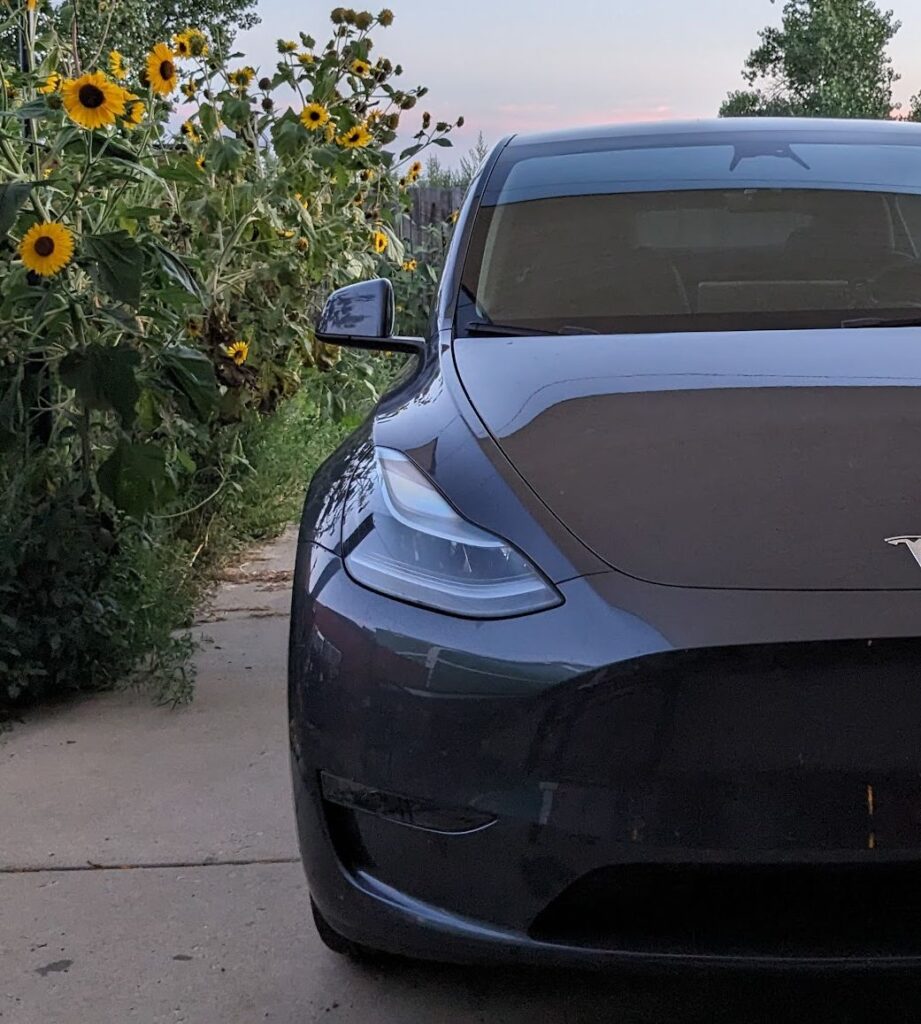
A couple of years ago, Adeney made a controversial move within the FIRE (Financial Independence, Retire Early) community by purchasing a Tesla Model Y. While seemingly trivial to the average consumer, for a man whose brand was built on the utility of bicycles and 15-year-old beater cars, the purchase signaled a profound psychological shift.
Adeney described this transition not as a lapse in discipline, but as a deliberate "adjustment of habits." Having achieved a level of wealth that far exceeds his modest annual needs, he began exploring the concept of the "abundance mindset." This transition involved shedding the reflex to choose the cheapest option in favor of experiences that provide genuine value.
Chronology of a Lifestyle Adjustment
The journey toward this new financial equilibrium did not happen overnight. It was a gradual evolution characterized by two distinct phases:

The "Enlightened Badass" Phase (2023)
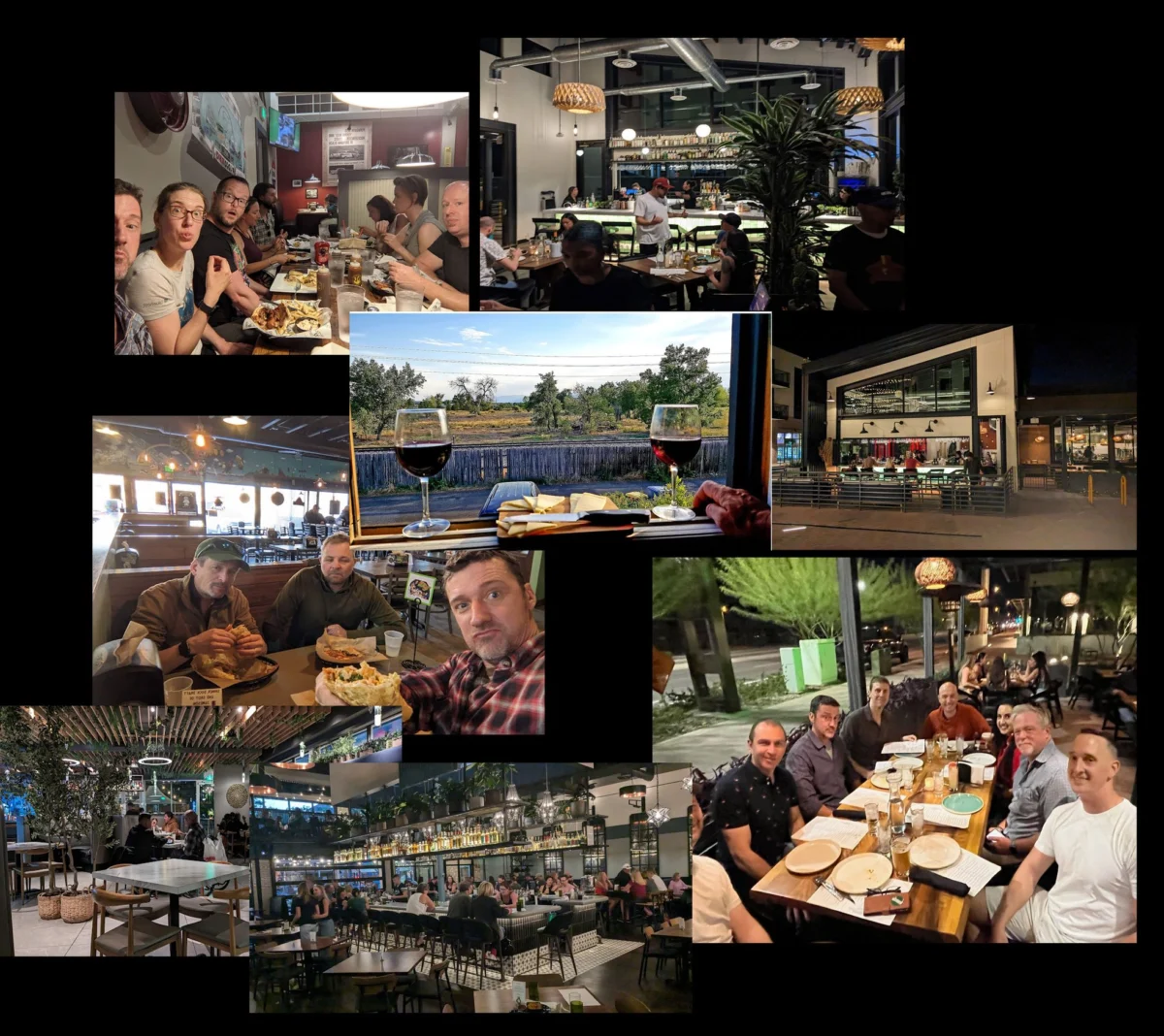
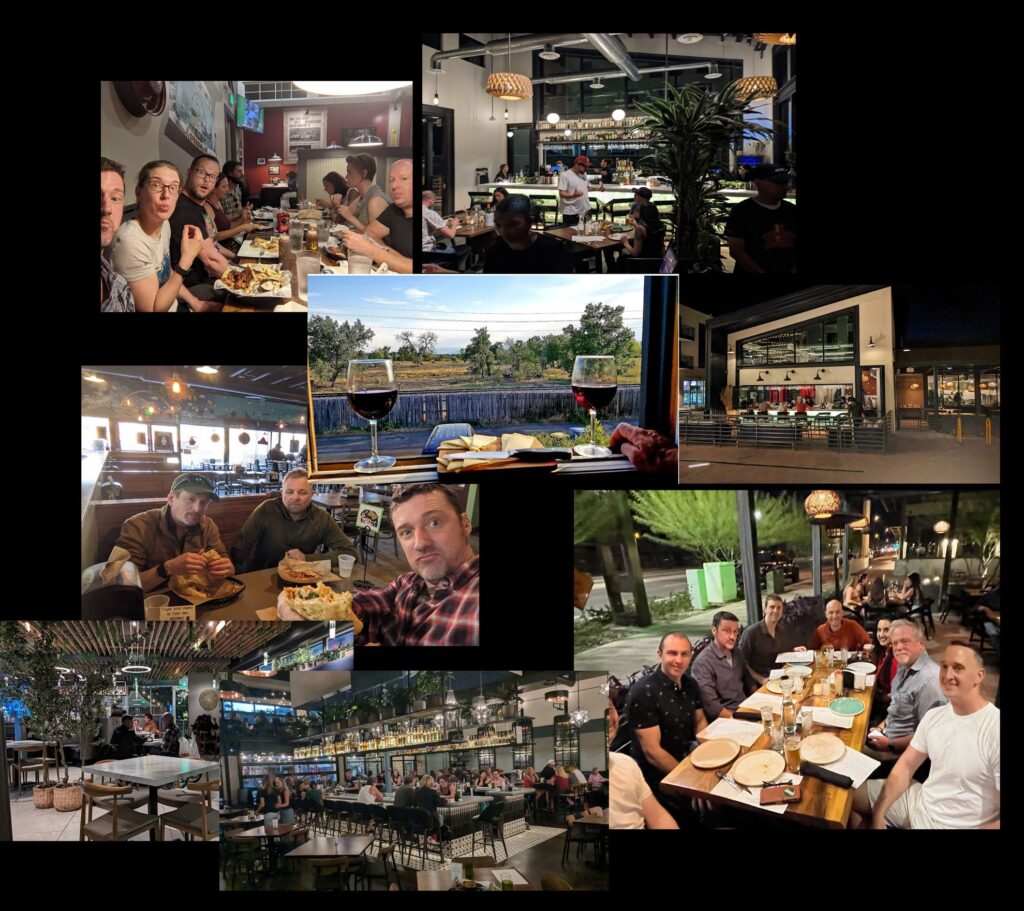
The initial experiment was driven by a desire to test whether an "enlightened" middle-aged individual could adjust decades-old behaviors. This period was marked by a newfound willingness to prioritize convenience and enjoyment over absolute cost minimization. Adeney began choosing hotels for their comfort rather than their price point, opting for premium seating on flights, and frequenting upscale restaurants.
The "Abundance" Consolidation (2024)
By 2024, these behaviors had solidified into a lifestyle. The year was defined by high-engagement activities: attending EDM concerts with his son, embarking on multi-state road trips to Meow Wolf art installations, and leveraging his status as a single man to travel and network extensively. The goal was to prove that one could spend more on experiences without sacrificing the core tenets of financial stability.
Supporting Data: The Anatomy of a $30,000 Annual Budget
To determine if his "abundance" experiment had spiraled into reckless consumerism, Adeney recently conducted a comprehensive audit of his 2024 spending. The results, when broken down, provide a fascinating look at the spending habits of an early retiree in his late 40s.
Annual Spending Breakdown (2024)
| Category | Personal Card | Business Card | Total |
|---|---|---|---|
| Groceries | $5,465.56 | $494.83 | $5,960.39 |
| Restaurants | $2,145.11 | $98.48 | $2,243.59 |
| Travel | $3,982.00 | $2,176.77 | $6,158.77 |
| Utilities | $1,909.51 | $0 | $1,909.51 |
| Amazon/House | $949.64 | $2,604.46 | $3,554.10 |
| Booze | $250.67 | $0 | $250.67 |
| Healthcare | $813.20 | $2,723.46 | $3,536.66 |
| Automobile | $2,191.68 | $233.53 | $2,425.21 |
| Phone/Internet | $0 | $1,410.56 | $1,410.56 |
| Property Taxes | $2,577.30 | $0 | $2,577.30 |
| TOTAL | $20,284.67 | $9,742.09 | $30,026.76 |
The data reveals that while Adeney’s spending increased from his historical baseline of $20,000 to approximately $30,000, the "big-picture" impact remains negligible. Because his investment portfolio has benefited from sustained market growth, this $30,000 annual burn rate remains well within the "safe withdrawal rate" parameters, proving that a modest increase in quality-of-life spending does not necessarily threaten long-term financial security.
The Infrastructure of Savings: Why the Math Works
The reason Adeney can sustain such a lifestyle on $30,000 a year lies in the structural "fixed cost" advantages he has cultivated over two decades.
1. The Mortgage-Free Advantage
The most significant contributor to his low overhead is his lack of a mortgage. By eliminating the single largest expense for most Americans, he creates a massive buffer. Furthermore, by performing his own home maintenance—lawn care, plumbing, and carpentry—he avoids the "service economy" inflation that plagues many homeowners.
2. The Healthcare Strategy
Healthcare is often the "X-factor" for early retirees. Adeney manages this through a two-tiered system: a Direct Primary Care (DPC) membership for day-to-day medical needs and a health-sharing organization (Sedera) for catastrophic protection. This combination costs approximately $308 per month—significantly less than standard high-deductible commercial insurance plans—while providing a level of care that meets his needs.
3. The "Optimization Council" Mentality
Adeney emphasizes that his spending is not static. He consistently utilizes the "Optimization Council" framework, a concept he introduced in 2019 to encourage community-wide brainstorming on how to maximize the value of every dollar spent. By treating his life as a series of experiments, he remains agile, willing to cut back where utility is low and expand where value is high.
Implications for the FIRE Community
The implications of Adeney’s latest report are twofold: it validates the sustainability of the early retirement lifestyle while challenging the dogma of permanent, extreme austerity.
The Myth of "More is Better"
Adeney warns against the trap of "doubling down" on things that are already sufficient. He argues that fixing persistent problems is a more effective path to happiness than simply increasing consumption of luxuries. For example, he acknowledges that his current workshop space is "maxed out," which is a legitimate friction point in his daily life. He is considering expanding his garage space—not for status, but to improve the utility of his hobbies. This is a deliberate, problem-solving approach to spending rather than a consumption-driven one.
The Psychological Benefit of Abundance
Perhaps the most significant takeaway is that the "abundance mindset" has improved his overall life satisfaction. By moving from a state of "scarcity management" to "intentional resource allocation," Adeney reports a higher level of enjoyment in his daily life. This suggests that for those who have already achieved financial independence, the next logical step is to optimize for fulfillment rather than just accumulation.
Looking Toward 2025: Challenges and Future Projects
As he enters 2025, Adeney remains focused on balancing his existing commitments—such as his home, his coworking space, and his community outreach—with the desire for new ventures. While he has toyed with the idea of a "mountain compound," he is cautious about over-extending his portfolio. His current philosophy is one of "calculated growth": he will only take on new, capital-intensive projects if he is willing to trade them for an existing commitment.

He also remains a vocal proponent of electric vehicles, noting that with potential shifts in federal tax incentives, the current window may be the most cost-effective time for consumers to transition to an EV like the Tesla Model Y or Model 3.
Final Reflection: The Spectrum of Fulfillment
Adeney’s transition serves as a case study for the FIRE community. It suggests that financial independence is not a finish line where you stop living, but a starting point where you finally gain the agency to design your life.
Whether one leans toward the stinginess of early-stage accumulation or the abundance of late-stage retirement, the core principle remains the same: Money is a tool for self-actualization. By auditing his life with the same intensity he once audited his grocery bills, Mr. Money Mustache has proven that you can indeed have it both ways: you can be a frugal, responsible steward of your capital, and still lead a life that feels wealthy, adventurous, and profoundly, unapologetically full.
For the reader, the question remains: Are you hoarding for the sake of the number, or are you utilizing your resources to solve your persistent problems and maximize your joy? As Adeney’s spreadsheet shows, the gap between the two is often smaller—and more manageable—than we fear.

 Sagoh

 Muslim

 Raul Delapena Setiawan

 Reynand Wu



 Azzam Bilal Chamdy

 Ali Ikhwan
