
 Iffa Jayyana
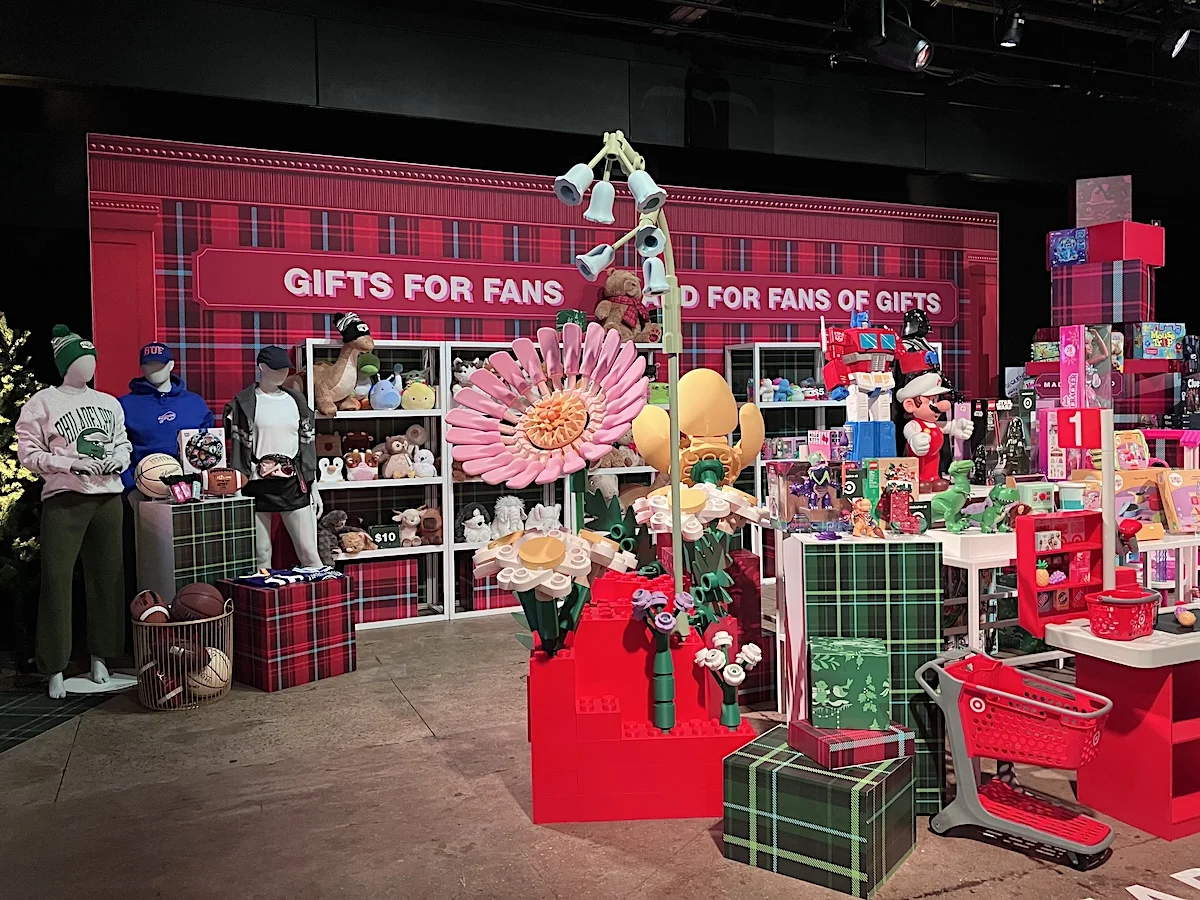
As the retail industry approaches the critical final quarter of the year, Target is orchestrating a massive, multi-pronged strategy to capture the hearts and wallets of budget-conscious consumers. By blending a hyper-focused "luxe for less" merchandise strategy with cutting-edge artificial intelligence, the big-box giant is attempting to navigate a macroeconomic landscape defined by inflation, lingering economic anxiety, and shifting consumer priorities.
Main Facts: A Holiday Assortment Reimagined
Target’s holiday blueprint for this year centers on accessibility and variety. The retailer is unveiling more than 8,000 new gift items, with over 50% of the collection exclusive to Target. The most striking aspect of this rollout is the pricing architecture: the vast majority of these new offerings are priced at $20 or under, with a significant portion retailing for $5 or less.
To drive traffic, Target is implementing a high-frequency promotional calendar. From November 1 through December 24, the company will feature a daily "Deal of the Day," punctuated by a concentrated period of early Black Friday promotions running from November 5 through November 7. This strategy is designed to keep shoppers returning to the Target app and website throughout the duration of the season, rather than waiting for a single "doorbuster" event.
Chronology of the Retailer’s Digital Transformation
The path to this year’s holiday strategy began months ago, as Target accelerated its investment in AI-driven retail tools. The timeline of these deployments highlights a shift toward a more seamless, digital-first shopping experience:
- June 2026: Target introduced AI-generated summaries of customer reviews, allowing shoppers to gauge product sentiment without scrolling through hundreds of individual comments.
- August 2026: The retailer launched "Photo Search" in the Target app, enabling users to upload images of products—such as a specific style of throw blanket or kitchenware—to instantly find similar items within the Target catalog.
- September 2026: The company expanded its suite of digital tools, further integrating AI to enhance personalization, including the "Buy Again" feature, which utilizes historical purchase data to streamline the restocking process for frequent buyers.
- October 20, 2026: Target officially unveiled its conversational AI assistant, "Ask Target," currently in beta. This tool allows users to engage in natural language queries to build wishlists, find gift inspiration, and navigate the retailer’s massive inventory.
Supporting Data: The Economic Pulse of the Consumer
Target’s strategy is not happening in a vacuum; it is a direct response to a consumer base that remains wary of economic headwinds. Recent findings from the National Retail Federation (NRF) underscore the climate in which Target is operating. According to the NRF’s latest holiday survey, 56% of shoppers report that the state of the economy is actively shaping their spending plans.
Among these cautious consumers:
- 43% intend to hunt for sales more aggressively than in previous years.
- 31% are increasing their frequency of online comparison shopping.
- 29% are turning to coupon-clipping and loyalty programs to stretch their budgets.
Despite these concerns, the retail sector remains cautiously optimistic. The NRF forecasts a 4.2% year-over-year growth in U.S. holiday retail sales for November and December, projecting a record $1.013 trillion. While some of this growth is mathematically tied to the inflationary pressures on goods, NRF President and CEO Matthew Shay suggests that it also signals a resilience in the consumer psyche. "Retailers are prepared to meet that demand with competitive prices, value and choices for every budget," Shay noted in a recent industry briefing.
Official Responses: "Luxe for Less" as a Philosophy
Target leadership is positioning the brand as a beacon of stability during a high-stress time of year. During an October 20 press event, Target CEO Michael Fiddelke emphasized that the company’s role goes beyond mere logistics.
"Value plays an important role all year, especially so during the holiday season," Fiddelke said. "Yes, of course, that means incredible pricing. It also means finding that right item, whether it’s for them or whether it’s a gift for a loved one, and to do all of that in a place that can bring a little joy to that hectic season is where we play such an important role, as Target."
Cara Sylvester, Target’s executive vice president and chief merchandising officer, expanded on this by highlighting the retailer’s aggressive price-point variation. By moving beyond a one-size-fits-all pricing model, Target is introducing tiers for popular categories like home decor. "We didn’t have anything like [these candles] at $5 last year," Sylvester remarked. "Now, we’ve got $5 options, $10 options, $15 options. We have a ton of products specifically focused on key price points this year."
Sylvester also credited Target’s owned-brand strategy for their ability to maintain these margins. With 80% of their apparel business comprised of private labels, Target leverages its design and sourcing infrastructure to control costs. This allows them to offer premium materials—such as cashmere sweaters—at prices that would be impossible for smaller retailers to match.
Implications: The Intersection of AI and Retail
The integration of "Ask Target" is perhaps the most significant technological leap for the retailer this year. While many AI assistants in retail are limited to simple FAQs, Target is betting that its conversational tool will function as a personal shopper.
The tool can handle complex, multi-layered requests such as: "Looking for a quiet luxury-inspired gift for her, focusing on clothing and accessories under $50." This capability helps solve a fundamental consumer pain point: choice paralysis. By curating options based on style, budget, and recipient, the AI creates a more personalized journey that encourages conversion.
Importantly, Sylvester noted that this technology is not merely a seasonal gimmick. "It is anything you may be looking for ideas for," she explained, noting that the company has already seen early adoption in the Target Beauty Studio. The success of these tools suggests that consumers have reached a level of comfort with conversational AI, treating it as a functional, time-saving resource rather than a futuristic novelty.
Market Positioning and Future Outlook
While Target is leaning heavily into its own brands—such as Favorite Day for food and Haeze for fragrances—it is not abandoning its partnerships with global powerhouses. The holiday aisles will continue to feature major players like Lego, Nintendo, and SharkNinja, ensuring that the store remains a "one-stop-shop" destination for high-demand goods.
The company is also making a strategic pivot toward wellness, introducing protein-forward and health-conscious items that defy the traditional indulgence-heavy narrative of the holidays. This reflects a broader trend in the retail industry: consumers are increasingly looking for goods that align with their long-term health goals, even during the gifting season.
As Target moves through the holiday period, the success of these initiatives will be measured by their ability to retain loyalty in a fragmented marketplace. By marrying the high-touch, emotional appeal of "luxe for less" with the high-tech, data-driven efficiency of their new AI tools, Target is attempting to bridge the gap between necessary frugality and the human desire for celebration.
Whether the strategy pays off in record-breaking growth will depend on how effectively these tools can simplify the chaos of the holiday season for the average shopper. If the early adoption rates for the AI assistant are any indication, Target is successfully positioning itself not just as a store, but as a digital partner capable of guiding the consumer through one of the most demanding retail periods of the year.


 Reynand Wu

 Ammar Sabilarrohman

 Raul Delapena Setiawan


 Sagoh

 Azzam Bilal Chamdy

 Ali Ikhwan
