
 Reynand Wu
The Democratic Republic of the Congo (DRC) stands at a perilous environmental juncture. As a nation, it serves as the custodian of the world’s second-largest tropical rainforest—a "green lung" essential to global climate stability. Yet, the government is currently advancing plans that could irrevocably alter this landscape. By opening more than half of its total landmass to oil and gas exploration, the DRC is risking the integrity of critical biodiversity hotspots, the rights of millions of Indigenous people, and the future of the global climate.
A new, comprehensive report titled Forests to Frontlines: Oil Expansion Threats in the DRC, published by Earth Insight, reveals that the government has initiated an auction for 52 new oil blocks. This move, which comes on the heels of three previously awarded contracts, places approximately 64 percent of the nation’s pristine forest under the threat of industrial exploitation.
The Scope of the Threat: A Nation Under the Drill
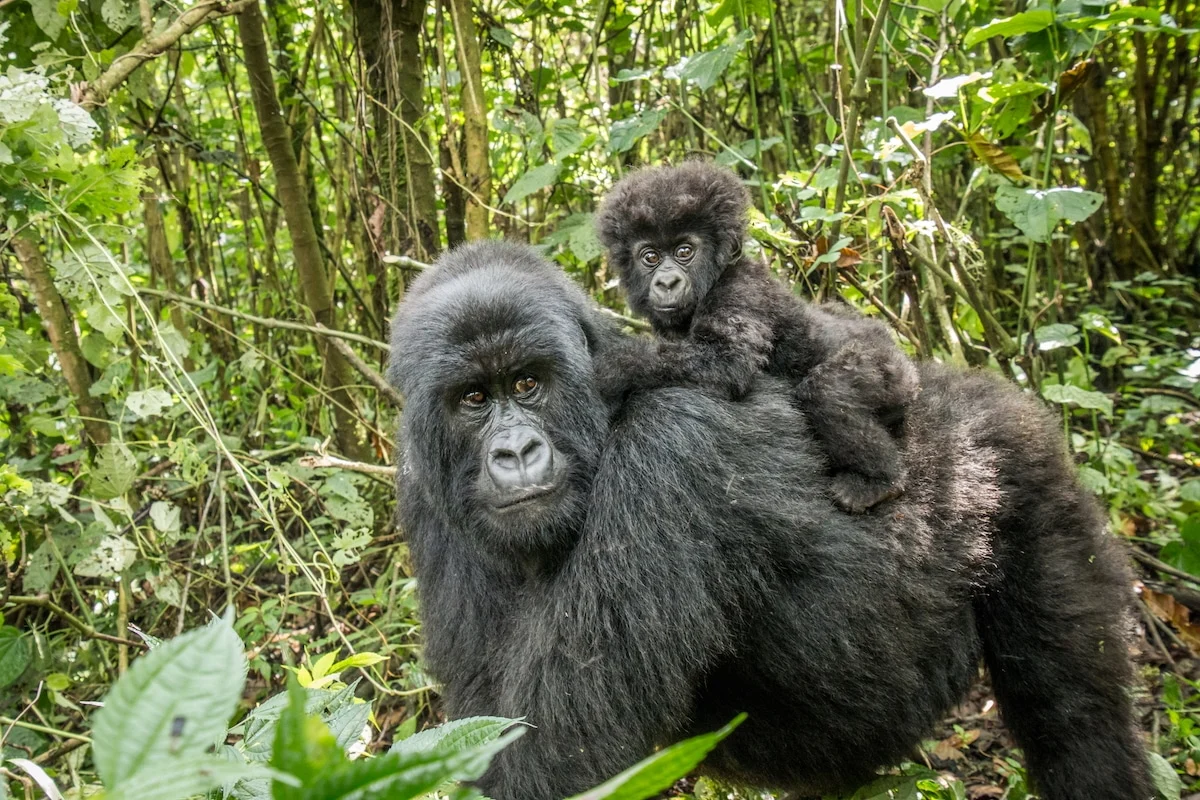
The sheer scale of the proposed expansion is difficult to comprehend. The auction covers a massive swath of territory, encompassing 306 million acres of intact tropical forest. These areas are not merely "empty land"; they are vital habitats for some of the planet’s most iconic and endangered species, including mountain gorillas, eastern lowland gorillas, and bonobos.
The data provided by Earth Insight is stark. The proposed oil blocks overlap with:
- 20.5 million acres of protected areas.
- 21.3 million acres of Key Biodiversity Areas (KBAs).
- 165.1 million acres of intact tropical forest.
- 72 percent of the newly established Kivu-Kinshasa Green Corridor.
Perhaps most concerning to climate scientists is the inclusion of the Cuvette Centrale in the auction zones. This vast peatland complex is one of the world’s most significant carbon sinks, storing an estimated 30 gigatons of carbon—the equivalent of several years of total global human-caused emissions. Disturbing these peatlands through road construction, seismic testing, or drilling could release this massive stockpile of carbon into the atmosphere, rendering international climate goals virtually unattainable.
A Chronology of Escalation: From 2022 to the Present
The current auction is not an isolated event but rather the latest escalation in a series of controversial policy shifts.
- 2022: The Initial Breach. The DRC government launched a high-profile, contentious auction for 30 oil and gas blocks. Despite immediate international outcry from conservation groups and the scientific community, the government moved forward with the tender. Many of these blocks were situated directly within sensitive protected areas, peatlands, and the ancestral lands of Indigenous communities.
- 2023: Cementing the Path. Despite facing criticism regarding the environmental impact, the administration continued to prioritize the hydrocarbon sector, signaling that the initial 2022 auction was only the beginning of a broader strategy to leverage the country’s natural resources for economic growth.
- 2025: The Massive Expansion. The publication of Forests to Frontlines confirmed that the scope of this ambition has grown significantly. By adding 52 new blocks to the existing portfolio, the government has now effectively placed over 53 percent of the country’s land surface under potential oil and gas concessions. This represents a dramatic acceleration that seems to prioritize short-term revenue over long-term ecological and social viability.
Supporting Data: Why the Congo Basin Matters
The Congo Basin is a global environmental asset. It is a mosaic of life that sustains millions of people and regulates the climate of the entire continent and beyond.
Biodiversity and Ecosystem Services
The rainforest is home to an astonishing wealth of life. Elephants, great apes, and thousands of endemic plant and bird species thrive in the undisturbed ecosystems of the basin. The "Kivu-Kinshasa Green Corridor," intended to be a flagship project for sustainable development, is now largely compromised, as 72 percent of its area overlaps with the new oil blocks. This move undermines the DRC’s own conservation initiatives and casts doubt on its credibility as a partner in global biodiversity protection.
The Carbon Conundrum
The world cannot limit global warming to 1.5 degrees Celsius without the preservation of the Congo Basin. The peatlands of the Cuvette Centrale are essentially a "carbon bomb." If these ecosystems are degraded or drained for industrial access, the carbon stored for millennia will be released, creating a positive feedback loop that accelerates global warming.

Official Responses and Civil Society Outcry
The government’s pursuit of fossil fuels has met with fierce resistance from the people who will be most affected: the Congolese citizens themselves.
Pascal Mirindi, a campaign coordinator for Notre Terre Sans Pétrole (Our Land Without Oil), expressed the frustration of many in a recent statement to The Guardian: "Imagine: 39 million Congolese people… and 64% of our forests could be directly affected by the awarding of these oil blocks. Where is the logic? Where is the coherence? We are reminding our leaders that the Congolese people are the primary sovereign. We will not remain silent while certain people organize themselves to sell off our future."
The report by Earth Insight, produced in partnership with the Coalition des Organisations de la Société Civile pour le Suivi des Reformes et de Action Publique (CORAP), Rainforest Foundation UK, and local grassroots organizations, argues that the government’s actions are diametrically opposed to the country’s commitments under the Convention on Biological Diversity and the Paris Agreement.
Socio-Economic Implications: A Human Rights Crisis
Beyond the environmental devastation, there is a profound human rights dimension to this story. An estimated 39 million people live within the areas designated for auction. These populations include Indigenous communities whose livelihoods, cultural identity, and spiritual connection to the land are inextricably linked to the health of the forests and rivers.
The disruption caused by oil infrastructure—including the construction of roads that facilitate poaching, illegal logging, and land grabbing—often destroys the traditional livelihoods of these communities. Rather than fostering "sustainable development," as the government often claims, this expansion risks displacing millions and marginalizing the very people the state is obligated to protect.
The Path Forward: Recommendations for Change
The Forests to Frontlines report provides a clear roadmap for the DRC government and its international partners to reverse course. The report’s primary recommendations include:
- Immediate Cancellation: Stop the 2025 licensing round and declare a moratorium on all future hydrocarbon exploration in the Congo Basin.
- Upholding Rights: Formally recognize and protect the land rights of Indigenous Peoples and local communities, ensuring their free, prior, and informed consent in all development decisions.
- Aligning Finance: Ensure that international donor support and financing are strictly tied to environmental and social benchmarks that forbid fossil fuel expansion.
- Inclusive Governance: Establish transparent, participatory governance mechanisms that allow civil society and local communities to play a direct role in environmental monitoring and decision-making.
As Anna Bebbington, an Earth Insight research manager, noted: "Oil and gas development in these fragile ecosystems would have devastating impacts on biodiversity, communities, land rights and the global fight against climate change."
The DRC is currently at a turning point. It can choose to be a global leader in the transition to a sustainable future, or it can lock itself and the rest of the world into a carbon-intensive path that jeopardizes the very foundations of life. The international community, observers, and—most importantly—the people of the DRC are watching. The choice made in Kinshasa today will resonate in the climate and the ecosystems of the world for generations to come.


 Raul Delapena Setiawan

 Laily UPN


 Sagoh


 Azzam Bilal Chamdy

 Ali Ikhwan
