
 Basiran
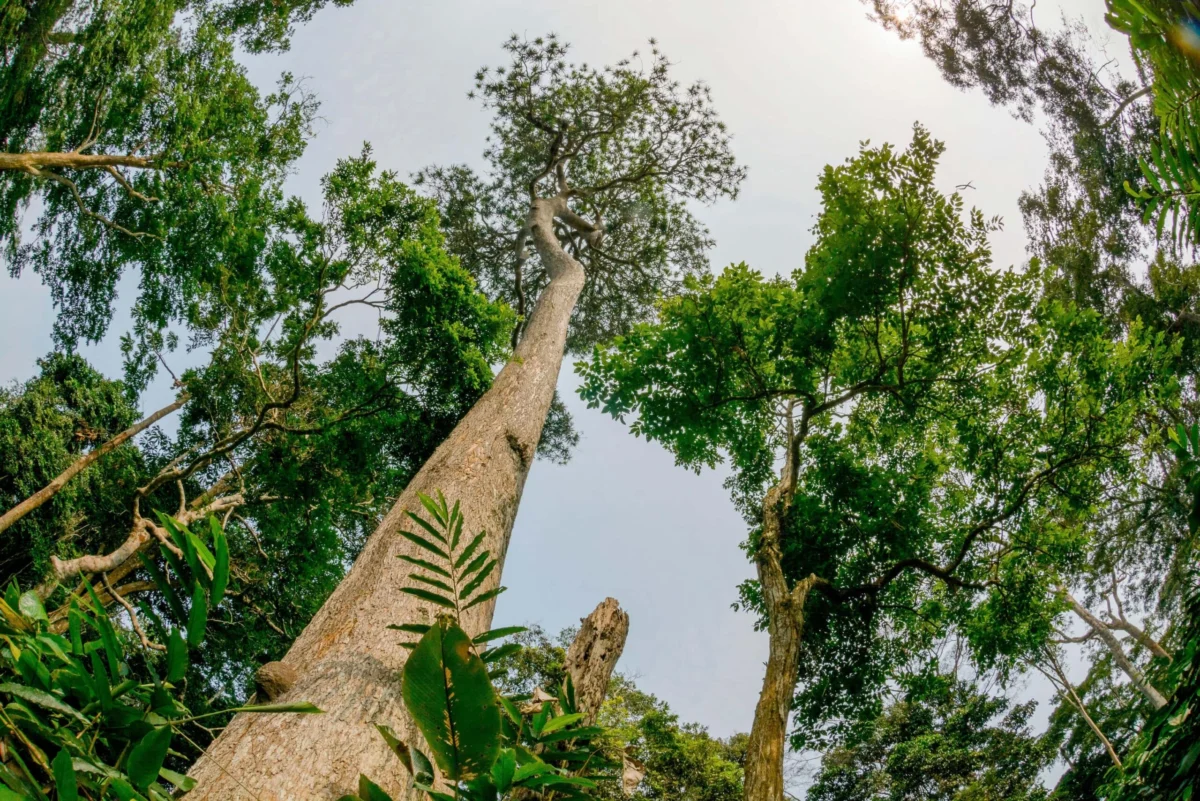
As international delegates prepare to convene in Armenia for the COP17 biodiversity summit (October 19–30), the mood is one of urgent alarm rather than celebration. Less than six years remain before the 2030 deadline for the Kunming-Montreal Global Biodiversity Framework—the landmark “Paris Agreement for Nature” signed in 2022—and the latest findings from the United Nations paint a stark picture of a world falling dangerously behind.
A comprehensive new UN report has revealed that nations are currently failing to meet 22 out of 23 critical nature targets. From the restoration of degraded ecosystems to the redirection of harmful financial subsidies, the trajectory of global conservation is not merely stalling; it is moving in the wrong direction.
Main Facts: The Anatomy of a Failure
The Kunming-Montreal framework was designed to halt and reverse biodiversity loss by the end of the decade. Its 23 targets serve as the blueprint for planetary survival, covering everything from the protection of land and sea to the equitable sharing of genetic resources. However, the UN’s latest assessment indicates that the global community lacks the momentum to reach these milestones.
The data, which aggregates national progress reports and scientific indicators, suggests that current policies are insufficient. Of the 23 targets, only one—related to climate change resilience—has shown anything resembling moderate progress. The remaining 22 targets, which address systemic issues such as pollution, species extinction, and the reform of environmentally damaging subsidies, are languishing.
The "Overall Score" assigned to most targets—often hovering between 0.13 and 0.38 on a scale of 1—serves as a quantitative indictment of the current political commitment. Without a radical, rapid acceleration of action, the 2030 vision of a world living in harmony with nature will remain an unfulfilled aspiration.
Chronology: From Montreal to Yerevan
To understand the current crisis, one must look back at the trajectory of international biodiversity policy:
- December 2022: The world gathered in Montreal for COP15. Amidst intense negotiations, 196 countries adopted the Kunming-Montreal Global Biodiversity Framework. It was hailed as a historic breakthrough, establishing the "30×30" goal—the commitment to protect 30% of the planet’s land and marine areas by 2030.
- 2023–2024: The implementation phase began, characterized by the submission of National Biodiversity Strategies and Action Plans (NBSAPs). While 174 countries have submitted at least one national target, the quality and ambition of these submissions have been widely criticized by environmental NGOs.
- Early 2025: The UN released its comprehensive progress report, highlighting the systematic failures in national implementation and the massive funding gap.
- October 19–30, 2025: The COP17 summit in Armenia. This meeting represents the first major global review of the framework’s progress. It is expected to be a high-stakes diplomatic arena where developing nations will likely demand greater financial support from the Global North to meet their obligations.
Supporting Data: Where the World Falls Short
The UN report provides a granular look at the areas where humanity is failing to protect the natural world. The scoring system (0 to 1) highlights specific areas of neglect:
The Financial and Subsidy Gap (Targets 18 & 19)
Perhaps the most damning statistics relate to finance. Target 18, which mandates the elimination or reform of harmful subsidies by $500 billion per year, has an abysmal score of 0.17. Governments continue to incentivize industrial activities that destroy ecosystems, such as intensive agriculture and fossil fuel extraction. Similarly, Target 19—the pledge to mobilize $200 billion annually for biodiversity—is scoring at 0.13. The shortfall in funding creates a "virtuous circle" of failure: without capital, conservation projects cannot scale, and without projects, political will wanes.
Extinction and Ecosystem Restoration (Targets 2 & 4)
Target 4, aimed at halting human-induced extinctions, holds a score of just 0.25. Despite clear scientific pathways to recovery, human-wildlife conflict remains poorly managed, and the loss of critical habitats continues to drive species toward the brink. Furthermore, Target 2, which requires the effective restoration of 30% of degraded terrestrial and marine ecosystems, sits at 0.50—a middling score that masks the reality that restoration is often superficial rather than functional.
Urbanization and Pollution (Targets 7 & 12)
As the world becomes increasingly urbanized, the failure to integrate nature into city planning (Target 12) is particularly glaring (0.25). Urban areas are expanding rapidly, often at the cost of local biodiversity. Additionally, the goal of reducing pollution from pesticides and plastics (Target 7) is struggling (0.38), as industrial reliance on synthetic chemicals continues to outpace regulatory reform.
Official Responses and Diplomatic Friction
The upcoming Armenia summit is expected to be fraught with tension. On one side, the scientific community and civil society groups are urging "emergency status" for biodiversity, demanding that countries move beyond voluntary pledges to binding legislation.
On the other side, government negotiators are navigating complex internal economic pressures. Developing nations have expressed frustration that the "financial promises" made in Montreal remain largely on paper. There is a palpable fear that if the developed world does not fulfill its pledge to provide $30 billion per year in international financial resources by 2030, the Global South will be unable to protect the critical "lungs of the planet," such as the Amazon and the Congo Basin.
UN officials have issued a stern warning: the "accelerate rapidly" rhetoric must be backed by institutional change. This includes integrating biodiversity into the financial sector (Target 15), where large corporations are still not being held accountable for their impacts on natural capital.
Implications: The High Cost of Inaction
The implications of failing to meet these targets extend far beyond the loss of individual species. Biodiversity is the foundation of the global economy. Ecosystem services—such as pollination, water purification, and climate regulation—provide trillions of dollars in value annually.
- Economic Instability: The degradation of agricultural land and the loss of pollinators threaten food security for billions.
- Climate Vulnerability: As noted in Target 8 (the highest-scoring target at 0.75), biodiversity is essential for climate resilience. Without healthy forests, mangroves, and wetlands, the world is significantly more vulnerable to the extreme weather events caused by the climate crisis.
- Loss of Traditional Knowledge: The failure to include Indigenous peoples and local communities (Target 22, score 0.25) risks alienating the most effective stewards of the land, potentially leading to social conflict and the loss of invaluable traditional ecological knowledge.
Conclusion: A Turning Point in Armenia
The summit in Armenia is not just another bureaucratic exercise; it is a diagnostic test for the global environmental movement. If the international community continues to ignore the data, the 2030 targets will become historical monuments to good intentions that failed to manifest in the real world.
The path forward is clear: reform the $500 billion in harmful subsidies, bridge the massive financial gap for the Global South, and shift from voluntary "green" promises to mandatory disclosures for the corporate sector. As the delegations arrive in Yerevan, the world will be watching to see if leaders have the political courage to prioritize the survival of the biosphere over short-term economic convenience. The clock is ticking, and the window for effective intervention is closing rapidly.


 Raul Delapena Setiawan

 Laily UPN

 Reynand Wu

 Sagoh


 Azzam Bilal Chamdy

 Ali Ikhwan
