
 Layla Zulfa

For years, the "Instagram Algorithm" has been spoken of in hushed, almost mythical tones—a mysterious, opaque force capable of making or breaking a creator’s career overnight. However, the tides of transparency have shifted. In a refreshing move toward openness, Instagram has begun pulling back the curtain on the AI-driven systems that power the platform.
For those of us at Buffer, who believe that transparency is the bedrock of community building, this is a welcome development. But understanding the algorithm is not as simple as reading a single manual. The reality is more nuanced: Instagram does not operate on a single "master algorithm." Instead, it utilizes a suite of distinct ranking systems for each surface of the app—Feed, Stories, Explore, and Reels.

Does this mean you need to craft four different content strategies to survive? Not exactly. While the technical specifics differ, the core principles remain remarkably evergreen. By focusing on fundamental human behaviors—watch time, meaningful interactions, and authentic sharing—you can master the platform’s signals regardless of how the AI models evolve.
The Core Philosophy: Why Ranking Exists
If you find yourself longing for the days of a chronological feed, you aren’t alone. However, the current reality of the platform makes a chronological model nearly impossible. With millions of posts uploaded daily, a linear feed would be quickly dominated by high-volume commercial accounts, effectively drowning out the voices of individual creators and friends.

Adam Mosseri, Head of Instagram, has clarified that the ranking systems have two primary goals: to help you connect with the people you care about and to help you discover new content that aligns with your interests. By predicting your potential interest in a post—measuring the likelihood of a like, comment, or share—Instagram curates a personalized experience that keeps the app relevant to billions of users.
The Two Pillars of Instagram Content
While there are four surfaces, they effectively fall into two buckets for creators:

- Retention Surfaces (Feed and Stories): These are designed to help you deepen relationships with your existing audience. Here, your historical interactions with followers and the popularity of your posts among your core community take center stage.
- Discovery Surfaces (Reels and Explore): These are the engines of growth. These surfaces are designed to surface your content to people who do not yet follow you. Engagement signals—specifically shares and watch time—are weighted more heavily here.
The Four Evergreen Principles
Regardless of the surface, Instagram’s ranking systems are governed by four pillars of content quality. These are the principles you should bake into every piece of content you produce:
1. Originality
Instagram is actively de-prioritizing "aggregator" accounts that simply repost content. The platform now utilizes signals to detect whether content is original or repurposed. If you want your reach to grow, you must be the source. If you are sharing third-party content, use native tools like "Collab" posts or the platform’s official repost feature to ensure the original creator is credited.

2. Recency
The "shelf life" of a post has tightened. Instagram’s data shows that a significant share of daily impressions now go to content less than 24 hours old. While evergreen content still has a place, timely, reactive content is favored by the system.
3. "Auditioning" (Breaking Content)
This is the most exciting development for smaller creators. Instagram effectively "auditions" posts from public, smaller accounts by showing them to a limited group of non-followers. If that initial test group engages, the post is "pushed" to a wider audience. This is the mechanism that allows a small creator to go viral. The key to winning an audition? A clear, punchy hook in the first three seconds.
4. Model Size
Instagram is increasingly relying on large-scale AI models to handle ranking. The implication for creators is simple: stop chasing "hacks" or "shadowban" myths. Focus on content quality, as the AI is getting smarter at identifying value, not just keywords.
Deep Dive: How the Surfaces Work
The Feed: Staying Relevant
The Feed is a mix of photos, videos, and carousels from people you follow, interspersed with occasional recommendations. The algorithm prioritizes your interaction history. If you frequently like a specific creator’s posts, you are statistically more likely to see their next post.

- Strategy: Use carousels. Data indicates that carousels generate significantly higher engagement per person reached. If a user doesn’t swipe through all slides, the algorithm will often re-serve the carousel later, starting from the slide they missed.
Stories: Building Community
Stories are for your inner circle. The ranking here is based on "closeness"—the frequency of DMs, replies, and views.
- Strategy: Make it interactive. Use polls, question stickers, and the "Add Yours" feature. These actions tell Instagram that your audience is actively engaged, ensuring your story stays at the front of their tray.
Explore: Interest-Based Discovery
The Explore page is where interest-based discovery happens. It looks at your history and finds "lookalike" audiences. If people who like your content also like a specific cooking account, the system will start showing your content to that cooking account’s followers.

- Strategy: Focus on niche specificity. If you are a landscape photographer, stay within that niche. Confusing the algorithm with erratic, non-related topics makes it harder for the AI to categorize your "ideal" viewer.
Reels: The Reach Engine
Reels are the primary vehicle for reaching non-followers. Watch time and shares (sends) are the critical metrics here.
- Strategy: Optimize for the "mute" experience. Many users scroll with sound off. Use on-screen text to communicate your value immediately. Avoid watermarks from other apps (like TikTok), as the algorithm will penalize these posts.
The Critical Metrics: What to Track
Stop obsessing over vanity metrics like follower count. According to Adam Mosseri, you should be looking at engagement rates per reach:

- Likes per reach: Crucial for your existing followers.
- Sends (Shares) per reach: The "gold standard" for reaching new people.
- Average Watch Time: The primary indicator of content quality.
Controlling the Algorithm: The User’s Perspective
Instagram has introduced "Your Algorithm," a tool that allows users to see the topics the AI has associated with them. Users can now "reset" their feed or remove topics they no longer enjoy. For creators, this is a signal: your niche matters more than ever. If you consistently post about gardening, you will be categorized under that topic. If you pivot to crypto, your existing audience (and the algorithm) may struggle to keep up.
Best Practices for a Sustainable Strategy
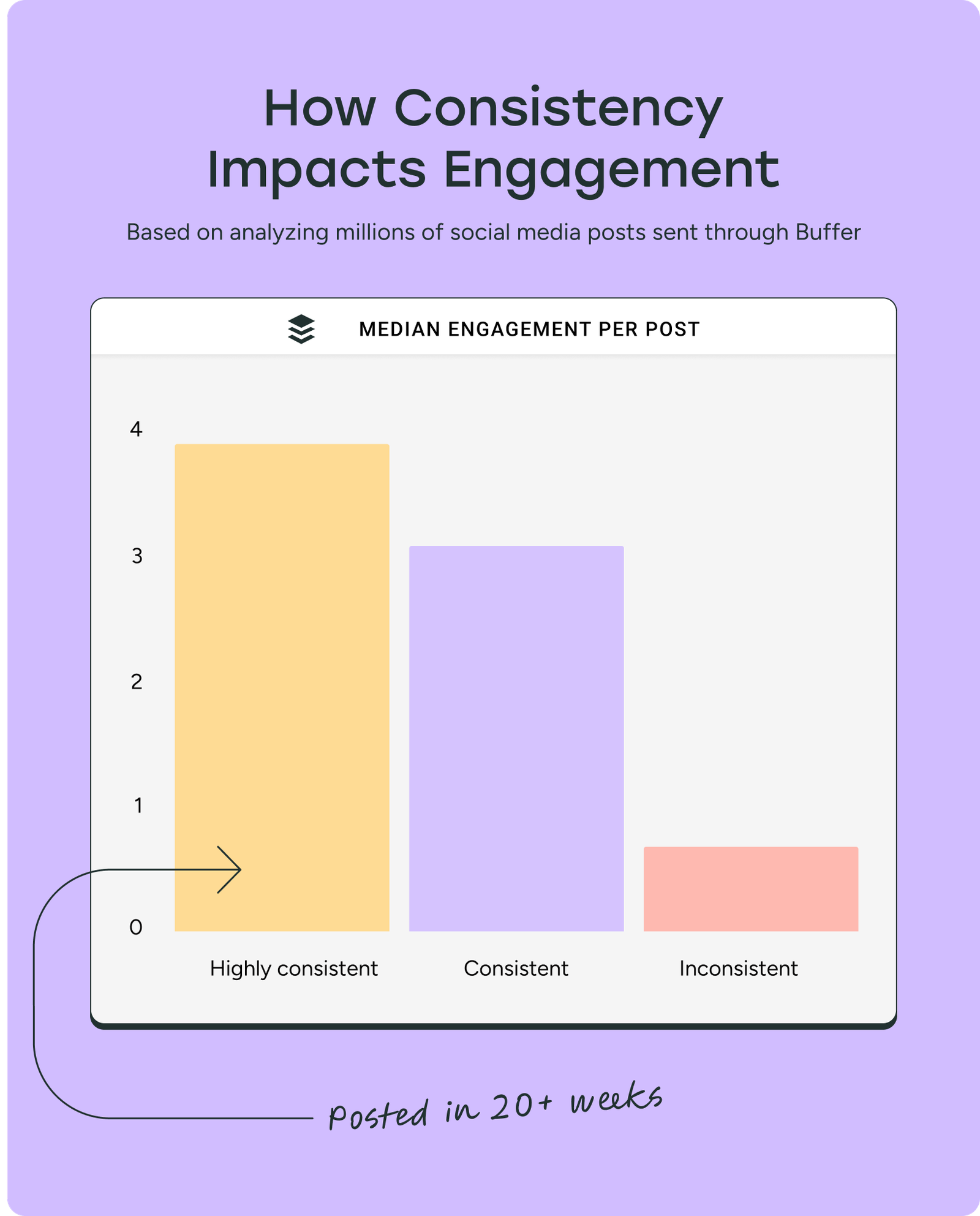
- Consistency Over Intensity: Posting once a day is better than posting five times in one day and disappearing for a week. Consistency signals reliability to the algorithm.
- The 5-3-1 Rule: For every post you make, interact with others: like 5 posts, comment on 3, and follow 1 new account. This humanizes your presence and fosters genuine community.
- Keywords vs. Hashtags: Hashtags are losing their potency. Focus on keyword-rich captions and profile descriptions. The platform’s SEO capabilities now rely more on the text within your post than a string of hashtags.
- Analyze and Iterate: Don’t guess. Use your insights to find your "top-performing" posts. Look for commonalities—was it the hook? The music? The visual style? Reverse-engineer your own success.
Conclusion: The Human Element
Despite the complexity of AI models and machine learning, the Instagram algorithm is ultimately trying to solve for human preference. It wants to show users content they will enjoy. If you create content that is genuinely valuable, entertaining, or thought-provoking, the algorithm will naturally reward you.

Stop trying to outsmart the system. Instead, focus on the fundamentals: be original, be consistent, and foster authentic conversations. When you treat the algorithm as a tool for connection rather than a hurdle to overcome, you will find that growth becomes a natural byproduct of your creativity.


 Ammar Sabilarrohman

 Sagoh

 Raul Delapena Setiawan

 Reynand Wu



 Azzam Bilal Chamdy

 Ali Ikhwan
