
 Neng Nana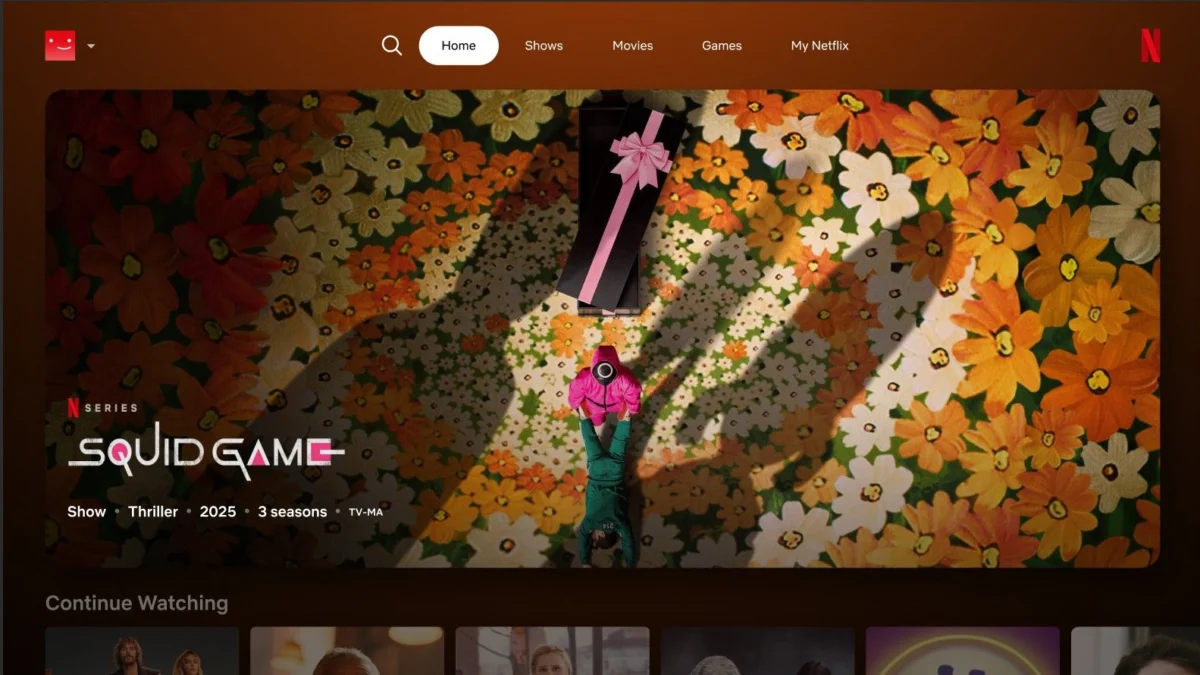
Back in 2012, the streaming landscape felt like a digital utopia. For a modest monthly fee—roughly the price of two coffees—consumers were granted access to a vast, ad-free library of content. There were no long-term contracts, no bulky satellite dishes, and, crucially, no interruptions. It was a golden era of entertainment, a revolutionary shift that promised to liberate the viewer from the rigid, expensive, and commercial-heavy structures of traditional cable and satellite television.
Fast forward to 2026, and the promise of that utopia has curdled into something strikingly familiar. Following recent price hikes, Netflix’s cheapest ad-free tier now commands £13.99 per month, with the Premium tier reaching an eye-watering £20.99. What was once a budget-friendly alternative to expensive cable bundles has morphed into a premium, fragmented, and increasingly cluttered experience. We have come full circle, reinventing the very systems we once sought to destroy.
The Chronology of Compromise: How We Got Here
The erosion of the "streaming ideal" did not happen overnight; it was a slow, calculated migration toward profitability.
The Dawn of Ad-Supported Tiers
The turning point arrived in November 2022, when Netflix introduced its first ad-supported tier in the UK. At the time, it was marketed as a consumer-friendly move, providing "more choice" for those on a tighter budget. This was the thin end of the wedge. By 2023, the company had phased out its cheapest ad-free plan for new subscribers, effectively forcing users to either pay more for an ad-free experience or accept a lower-tier, ad-riddled service.
The Normalization of Interruptions
The dominoes fell quickly thereafter. In February 2024, Amazon Prime Video fundamentally altered the value proposition of its service by introducing ads as the default setting for all subscribers, requiring an additional £2.99 per month to restore the ad-free experience. Shortly after, Disney+ followed suit with its own tiered strategy.
The strategy has been consistent across the industry: introduce an ad-tier as a "budget option," normalize the presence of commercials, and then slowly widen the price gap between the cheap, ad-supported tier and the ad-free experience. This makes the ad-free subscription feel less like a baseline and more like a luxury commodity. Even the "budget" options are not immune to inflation; Netflix’s ad-supported tier has already seen a 33% price increase, climbing from £5.99 to £7.99 in a remarkably short period.
The Economic Engine: Why Profit Overtook Growth
To understand why our streaming bills are climbing while the user experience degrades, one must look at the shifting priorities of Wall Street. For the better part of the last decade, the streaming industry operated on a model of "growth at all costs." Investors were willing to overlook massive operational losses so long as subscriber counts continued to climb.
However, the market reached a saturation point in 2022. When Netflix reported its first decline in subscribers in over a decade, the narrative shifted. Investors demanded profitability. With the majority of potential households already subscribed to at least one major service, streaming giants realized they could no longer rely on aggressive growth to satisfy shareholders.
They were left with two levers: raise prices or sell advertising. The genius—or perhaps the cynicism—of the current model is that they are doing both. By creating a hybrid tier, companies can collect a monthly fee while simultaneously monetizing the viewer’s attention through data-driven advertising.
Disney+ and the New Frontier of Sponsorships
The latest controversy involves Disney+, which recently updated its UK subscriber agreement. The new terms state that all tiers "may include" promotional content, sponsorships, and "advertisements before/after playback." While Disney has been quick to reassure subscribers that this does not necessarily mean traditional mid-roll commercials will interrupt every film or show, the fine print signals a clear shift.
This move represents a subtle but significant encroachment into the "ad-free" space. By integrating brand sponsorships directly into the interface or the playback experience, streamers are testing the waters of how much commercial clutter a premium subscriber will tolerate. If the industry’s history is any guide, "sponsorships" are simply the precursor to more overt advertising.
The Re-emergence of the "Bundle"
In the United States, the trend has manifested in the return of the "bundle." Major players like Disney+, Hulu, and Max are now frequently packaged together, mimicking the cable television bundles that the streaming revolution was supposed to eliminate. In the UK, we see similar consolidation through partnerships with legacy providers like Sky and Virgin Media.
We have spent the last decade tearing down the walls of the cable package, only to rebuild them using digital, algorithmic bricks. We are paying for subscriptions to services that require additional add-ons for 4K resolution, live sports, or the removal of ads. The "freedom" of streaming has been replaced by the "hassle" of managing a dozen different accounts, all of which seem to be undergoing constant price adjustments.
Implications for the Modern Viewer
The implications of this shift are twofold: economic and psychological.
The Economic Burden
The total cost of maintaining a "complete" streaming library now rivals or exceeds the cost of a traditional premium cable subscription. The promise of "no contracts" remains, but it is increasingly undermined by the fact that the services themselves are becoming less desirable. When you are paying £20 a month for a service that still requires you to navigate advertisements or pay extra for basic features, the value proposition collapses.
The Paradox of Choice
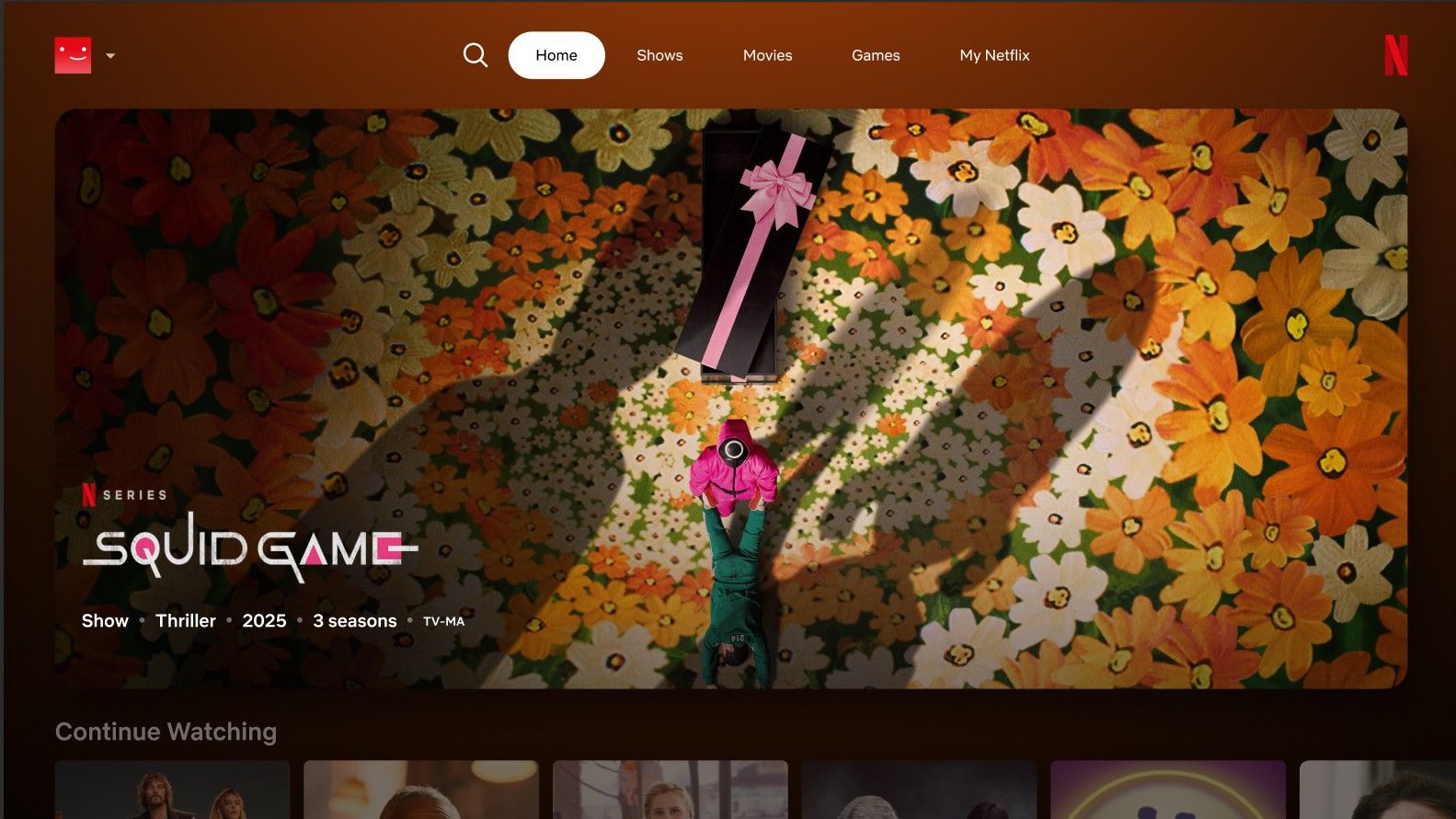
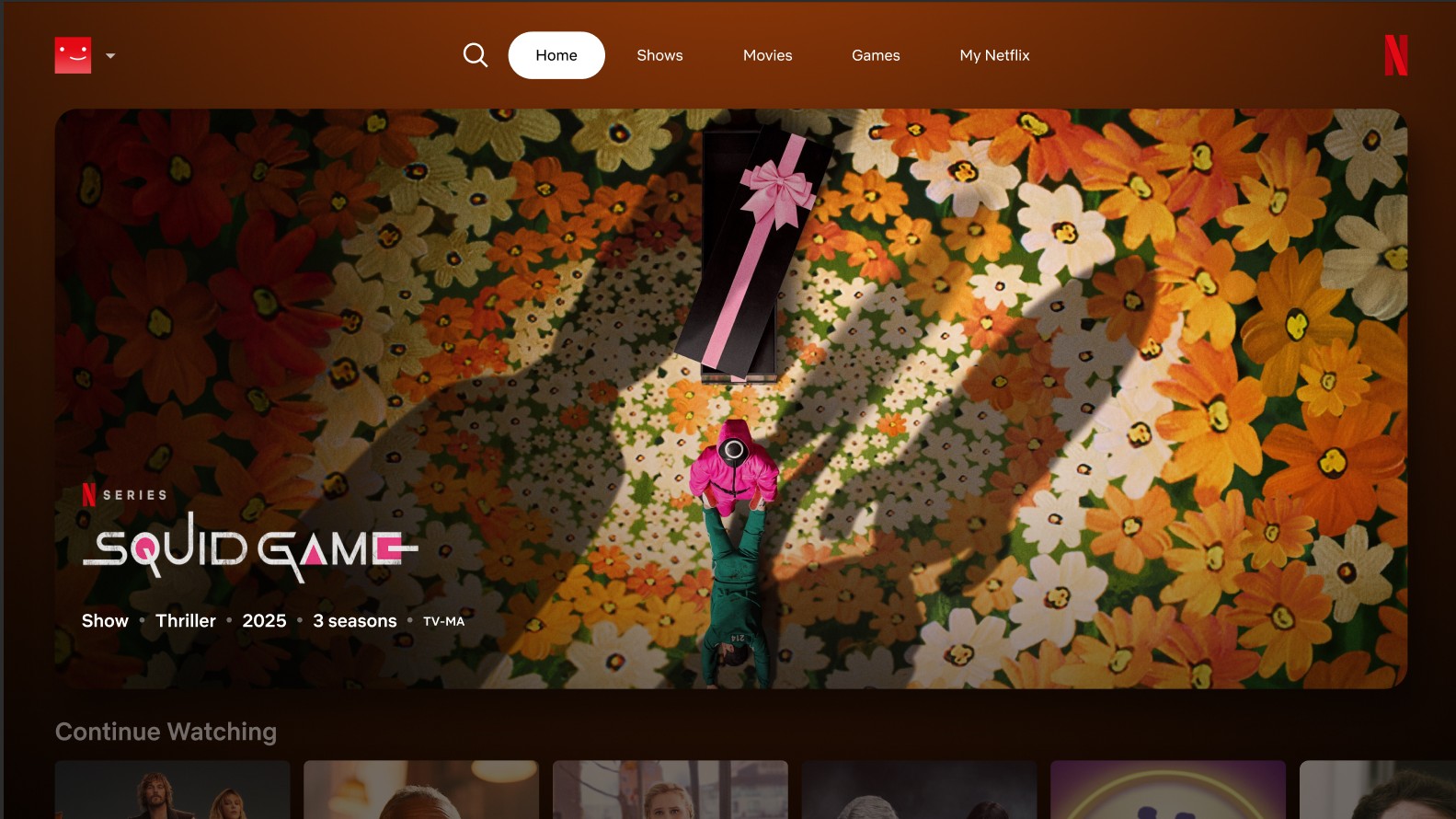
Perhaps the most ironic outcome is that despite having more content at our fingertips than any generation in human history, we are paradoxically finding it harder to find something to watch. The user interfaces are cluttered with "sponsored" content, promotional banners, and the "continue watching" rows that serve to keep us trapped within the ecosystem of a single provider. We are spending more money and more time navigating menus, only to find ourselves back at the beginning of the cycle.
The Consumer’s Last Stand: The Power of the "Cancel" Button
Despite the bleak outlook, the viewer is not entirely without leverage. Unlike the archaic, multi-year contracts of the satellite TV era, the modern streaming model relies on the ability of the user to churn—to cancel and re-subscribe at will.
This is the one weapon the consumer still wields. The process of canceling a subscription now takes mere seconds. By adopting a "rotating" approach to streaming—subscribing to one service for a month to binge specific shows and then canceling it before moving to the next—viewers can effectively regain control over their monthly expenditure.
Furthermore, the rise of Free Ad-Supported Streaming Television (FAST) channels offers a viable alternative to the paid giants. Services that provide content for free in exchange for ads are becoming increasingly sophisticated, offering a library that can often satisfy the needs of the casual viewer without the requirement of a recurring monthly payment.
Conclusion: A Cautionary Tale
The trajectory of the streaming industry serves as a stark reminder of the lifecycle of digital disruption. What begins as a customer-centric innovation, driven by ease of use and price transparency, inevitably bows to the pressures of corporate scale and shareholder expectations.
As we look toward the future, the "streaming wars" are no longer about who has the best content; they are about who can extract the most value from a captive audience. The next time you find yourself staring at your TV interface, scrolling through endless rows of suggestions and feeling the weight of multiple monthly charges, remember: you are not just a viewer. You are a subscriber, and in this new, reconstructed version of cable television, your ability to walk away remains the most powerful tool you have.
The era of "Netflix and Chill" has become the era of "Netflix and Bill." Whether the industry continues to push the boundaries of consumer tolerance or faces a backlash from an increasingly weary public remains to be seen. But one thing is certain: the myth of the cheap, ad-free digital paradise has officially been retired.

 Asep Darmawan
 Dwi Wanna

 Muslim
 Nana Wu

 Rifan Muazin
 Asro
Asro