
 Nila Kartika Wati
As we navigate the latter half of 2026, the social media landscape has undergone a profound transformation. The rapid integration of generative AI, the formalization of creator-focused monetization, and a renewed emphasis on "real-world" connectivity define the current era. From X’s bold attempts to automate ad creation to TikTok’s aggressive push into e-commerce, the platforms are no longer just channels for content—they are becoming comprehensive business ecosystems.
This report synthesizes the most significant updates from 2026, tracking the evolution of platform features, advertiser tools, and the shifting relationship between creators and their audiences.
The AI Revolution in Ad Tech: X, TikTok, and LinkedIn
The most notable trend of 2026 is the democratization of high-quality ad creative through AI.
X Lift: Bridging the Gap for New Advertisers
In October 2026, X unveiled "X Lift," a tool designed to lower the barrier to entry for small and mid-sized businesses. By simply inputting a website URL, the tool generates ad copy and imagery. It can even structure full campaigns based on a predefined budget. This arrives at a critical juncture for the platform, which reported a 50% increase in active self-serve advertisers in Q3 compared to the previous year. While powerful, industry analysts caution that the tool leans heavily on "platform-native" performance trends, which may prioritize click-through rates over long-term brand identity.
TikTok’s AI-Powered Commerce
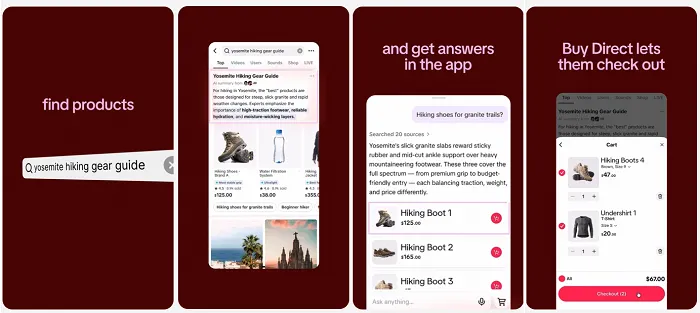
TikTok is moving closer to the "end-to-end" commerce dream. At Advertising Week New York, the platform introduced "Buy Direct," an in-app checkout feature, and "Shopping Assistant," a conversational AI designed to handle customer queries regarding sizing, shipping, and availability. Furthermore, the introduction of "Lead Agent" for prospect qualification and the expansion of the TikTok ad network—now capable of reaching nearly 400,000 apps—demonstrates TikTok’s ambition to be the primary funnel for consumer action.

LinkedIn’s Creative Suite
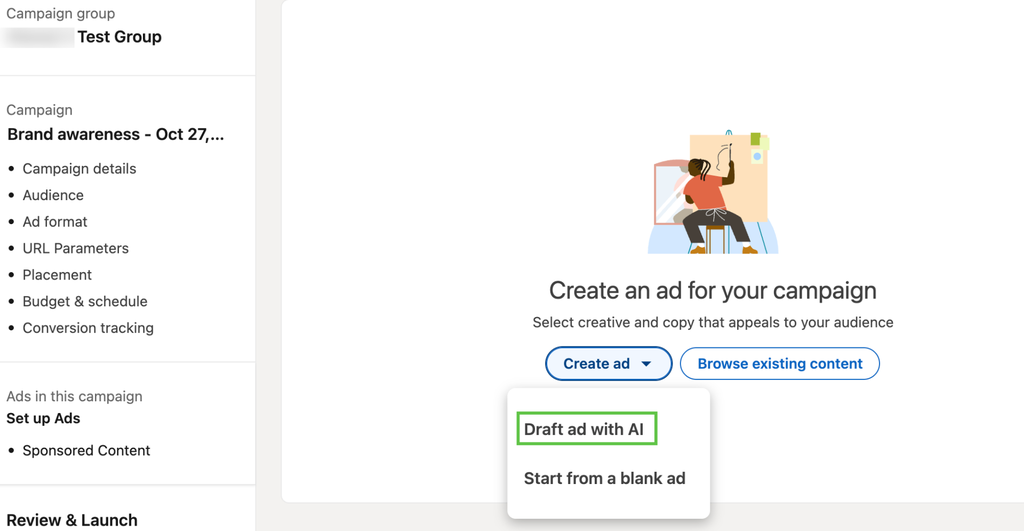
LinkedIn has also prioritized the needs of time-strapped marketing teams. Its new "Campaign Manager" features—including Brand Kit, Draft with AI, and AI Ad Variants—are specifically engineered to optimize performance. Data from LinkedIn suggests that campaigns utilizing five or more creative variants see a 20% increase in click-through rates, making these AI-assisted tools essential for B2B marketers.

Chronology: Key Milestones of 2026
The following timeline captures the rapid pace of change across the social media ecosystem throughout the year:

- January 2026: Instagram launches "Trial Reels," allowing creators to test content on non-followers before committing to a permanent post. X offers a $1M prize to boost long-form articles, signaling a push for depth.
- February 2026: TikTok announces the phase-out of the Creator Marketplace in favor of "TikTok One," a comprehensive hub for trend research and brand-creator collaboration.
- April 2026: Instagram introduces the ability to reorder carousel posts after publication, a massive win for creator flexibility. LinkedIn launches its Ads Agency Certification program to vet professional services.
- June 2026: Facebook initiates a controversial rebranding where all video uploads—regardless of length or orientation—are consolidated under the "Reels" label.
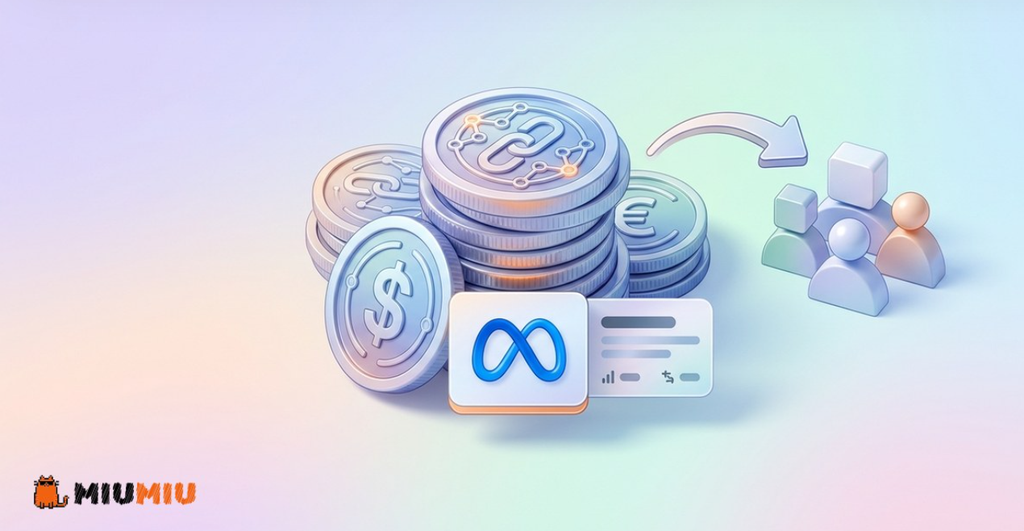
- July 2026: Meta begins allowing payments for ads using stablecoins like USDC, marking a significant step toward crypto-integration.
- August 2026: Instagram launches performance-based bonuses for Reels and photo posts in select markets.
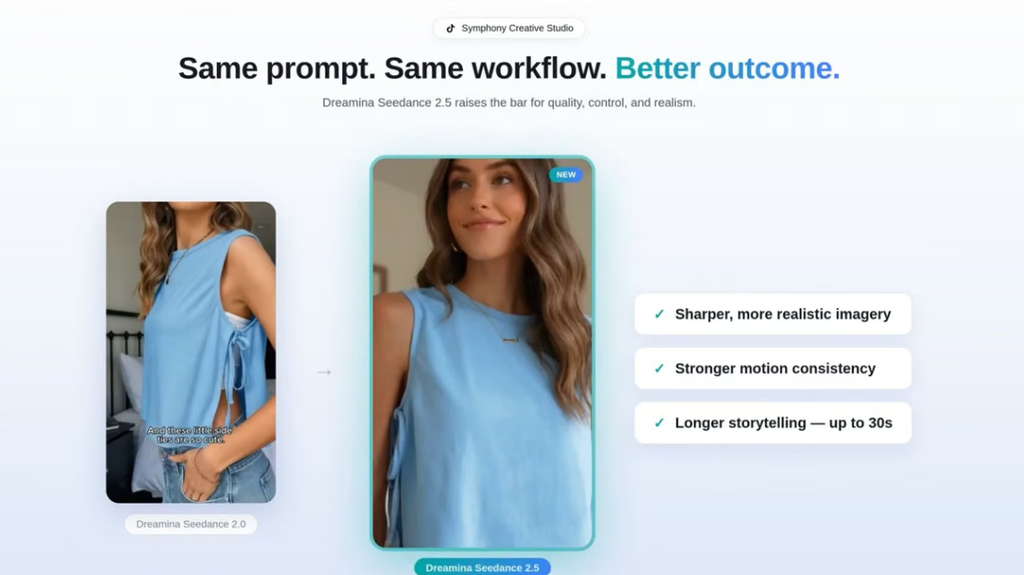
- September 2026: TikTok upgrades its "Symphony" AI model to version 2.5, enabling 30-second video generation.
- October 2026: X launches "X Lift" to automate ad creation, while TikTok reveals its massive suite of AI shopping updates.
The "Group Decision" Shift: Snapchat and Real-World Connection
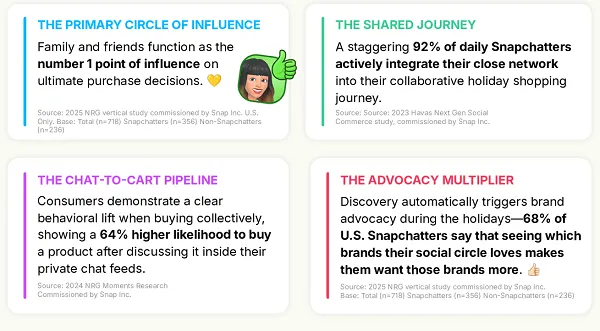
Snapchat’s 2026 strategy reflects a pivot away from passive consumption toward active, real-world utility. Their "Wrapped in the Chat" holiday guide highlights a core consumer insight: holiday shopping has become a group decision.

To capitalize on this, Snapchat introduced the "Plans" feature, allowing users to create events directly within a chat. With integrated RSVP options and Bitmoji-powered covers, the platform is betting that by facilitating offline plans, they can remain relevant in the "group chat" culture that drives modern consumer spending.
Transparency, Ethics, and the Rise of "AI-Generated Profiles"
As AI becomes ubiquitous, the platforms are responding with stricter disclosure requirements.
Instagram’s AI Transparency
Instagram has renamed its "AI creator" label to "AI-generated profile." Any account utilizing an AI persona must disclose it clearly, or face an algorithmic penalty—reduced reach. This move is a direct response to the erosion of trust in digital spaces. Similarly, Pinterest has introduced AI content filters, allowing users to reduce the amount of GenAI content in their feeds, giving power back to the user to define their digital experience.
YouTube’s Likeness Protection
YouTube continues to lead in content safety. Their new likeness detection tool allows creators to upload government ID and facial scans to flag unauthorized AI-generated content that mimics their image. This proactive approach sets a high standard for how platforms should manage the legal and ethical implications of synthetic media.
Implications for Brands and Creators
The shift toward 2026 is clear: Platforms are becoming smarter, but they are also becoming more demanding.
- The Death of the Passive Feed: With the shift of Facebook video into Reels and the introduction of "Nearby" feeds on TikTok, discovery is increasingly driven by algorithmic preference rather than social graph connections. Brands must optimize for "interest-based" discovery rather than just follower counts.
- The Rise of the "Collaborative Content": From Instagram’s ability to add tagged posts to profile grids to TikTok’s "Shared Collections," the platforms are encouraging users to participate in the content lifecycle. Brands that facilitate collaboration—allowing creators to easily share and feature content—will gain more mileage per post.
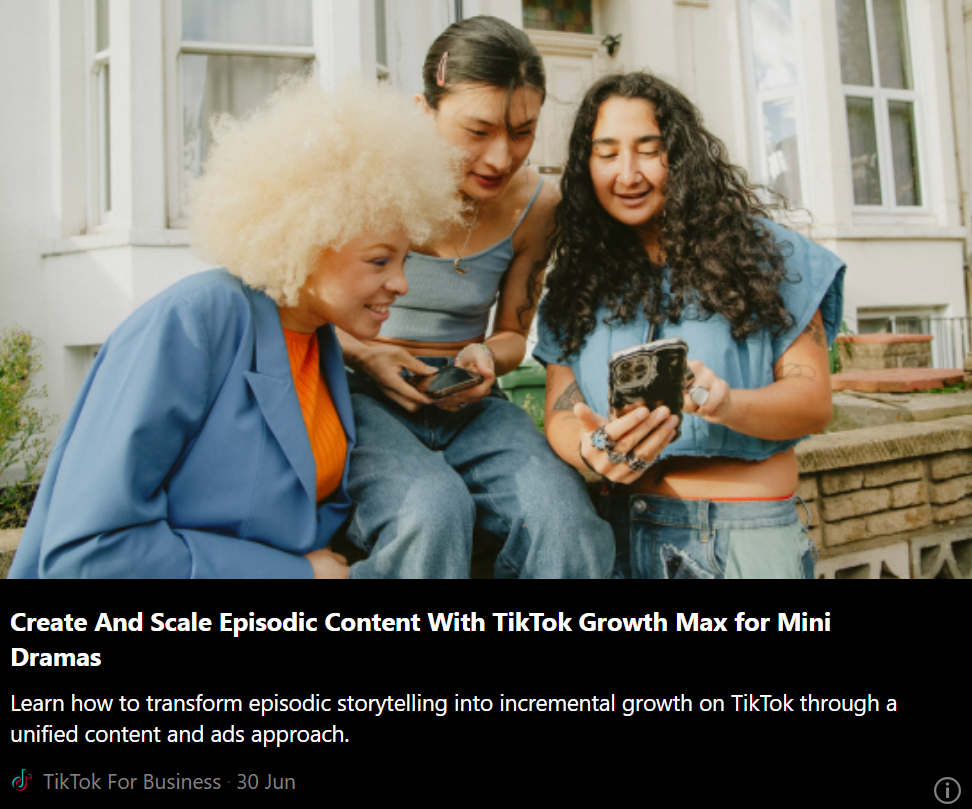
- The Monetization of Engagement: We are seeing a move toward direct rewards for performance. Instagram’s bonus programs and the growth of TikTok’s "Growth Max" for episodic content show that the platforms are willing to pay for high-quality, high-engagement creative work.
- The Return of "Human-Centric" Tech: Interestingly, there is a pushback against the machine. The teasing of a "MySpace comeback" and the success of apps like the photo-sharing-focused "Flashes" suggest that a segment of the population is hungry for chronological, non-AI-driven, and algorithm-light experiences.
Official Responses and Strategic Outlook
"We are swimming against the tide," noted BuzzFeed CEO Jonah Peretti regarding the company’s tentative plans to launch a new social platform, Island. His sentiment captures the broader mood of 2026: a recognition that while AI provides efficiency, it also risks creating a "depressing" and homogenized content landscape.
Platforms are attempting to balance this. By integrating AI tools for creative assistance while simultaneously implementing transparency labels and user-control settings, they are trying to maintain the competitive edge of generative technology without alienating the human creators who provide the platform’s value.

For the modern marketer, the advice is simple: Embrace the AI tools to manage your efficiency, but double down on the human, community-led, and collaborative elements of your brand to maintain your relevance. The landscape of 2026 is one where the machine provides the tools, but the community still holds the keys to the kingdom.


 Lina Irawan
 Lina Hope

 Ammar Sabilarrohman

 Asep Darmawan

 Asro

 Layla Zulfa


 Muslim
