
 Reynand Wu
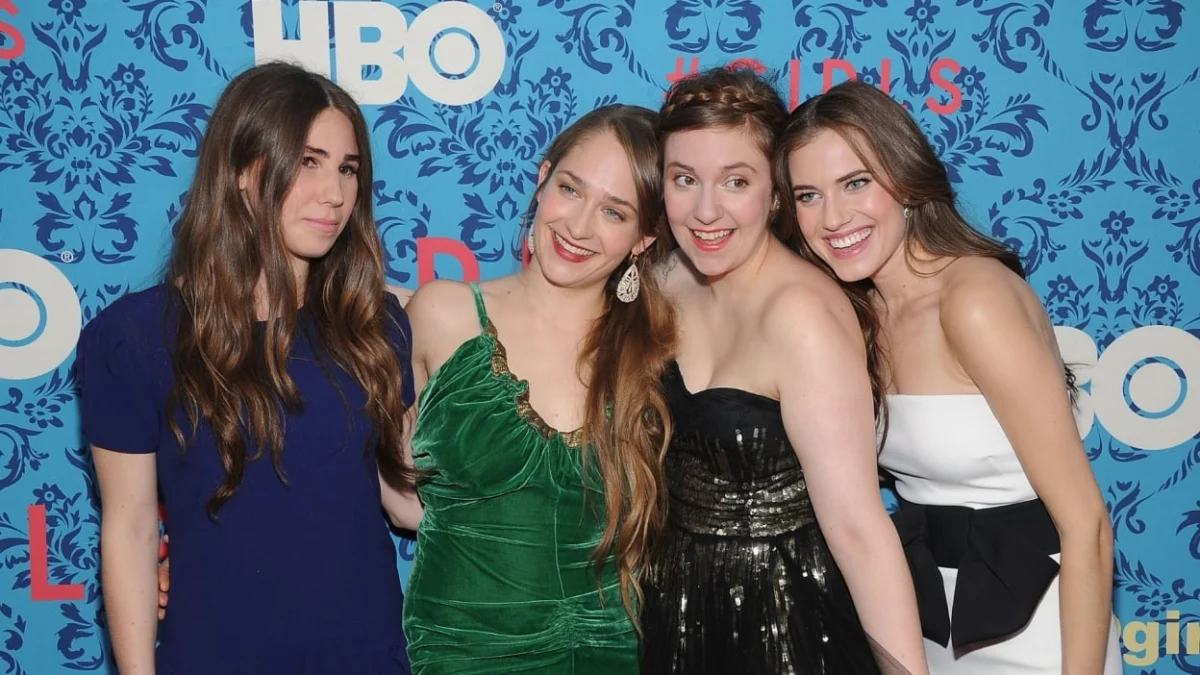
When Girls first graced our screens in 2012, it didn’t just premiere a television show; it ignited a cultural firestorm. Created by and starring Lena Dunham, the series became a lightning rod for discussions about millennial narcissism, the economic realities of post-collegiate life in New York City, and the messy, unvarnished nature of female friendship. Now, nearly 15 years after its 2017 finale, HBO has officially greenlit a limited, five-episode revival series.
For the generation that grew up alongside Hannah, Marnie, Jessa, and Shoshanna, the announcement is both a nostalgic siren call and a prompt for existential inquiry. We aren’t the same people we were in 2012, and neither are these characters. As the production gears up to revisit these iconic figures, the question remains: Can a show defined by the specific, singular anxiety of the early 2010s find a home in the hyper-digital, disillusioned landscape of 2026?
The Anatomy of the Revival: A Brief Chronology
The path to this revival has been long and paved with fan speculation. Following the series finale—which saw Hannah settling into a complicated version of motherhood in upstate New York—the cast largely moved on to individual projects, from Zosia Mamet’s critically acclaimed indie roles to Allison Williams’ foray into psychological horror.
- 2017: Girls concludes its six-season run, leaving audiences with a polarizing, ambiguous look at adulthood.
- 2021–2024: Rumors of a reunion bubble up periodically in interviews, with Dunham frequently citing the "right timing" as the primary barrier.
- October 2026: HBO confirms the limited series. Production is slated to begin in early 2027, with the core quartet—Dunham, Williams, Jemima Kirke, and Mamet—officially signed on.
The Cultural Landscape: Why Now?
The timing of the revival is hardly accidental. In an era where "reboot culture" often leans toward comfort and nostalgia, Girls feels like a jarring, necessary intrusion. The original series thrived on the "cringe" factor—the ability to watch characters make objectively poor decisions with a straight face.
Today’s social media environment, dominated by the algorithmic perfection of TikTok and the curated aesthetics of Instagram, is ripe for the kind of satirical skewering that Girls pioneered. If Hannah Horvath were navigating the current creator economy, her struggles would likely be more public, more performative, and infinitely more chaotic. The revival arrives at a moment where the "millennial vs. Gen Z" discourse is at an all-time high, positioning the original cast as the perfect test subjects for a clash of generations.

A Wishlist for the Revival: Navigating Modern Chaos
To capture the essence of the original while acknowledging the passage of time, the writers must tackle the evolution of the characters with a scalpel rather than a sledgehammer. Here is what we expect to see as these women navigate their late thirties and early forties.
The Professional and Personal Evolution
- The Wellness Grifter: Jessa Johansson was always the most bohemian of the group. In 2026, it is almost inevitable that she would have pivoted to the wellness industry. Imagine a Jessa who sells overpriced tinctures and hosts "trauma-informed" retreats in the Hudson Valley—all while lacking any formal certification.
- The Mommy-Influencer Pivot: Marnie Michaels was defined by her desperate need for validation. It is only logical that she has transitioned into the world of "mommy-blogging," where her aesthetic is aggressively beige, her life is curated for brand partnerships, and her podcast, Becoming Marnie, serves as a daily chronicle of her mid-life crisis.
- The Corporate Girlboss: Shoshanna Shapiro, the breakout character of the later seasons, was always the most ambitious. We envision her as a high-level startup founder, wielding corporate jargon like a weapon and possessing the only LinkedIn profile in the group that actually matters.
The Digital Reckoning
- Hannah’s TikTok Villainy: Hannah Horvath was the original "main character" of the internet. A revival without her attempting to leverage her motherhood for social media clout—and failing spectacularly—would be a disservice. We need to see a multi-part series where she becomes a "villain of the week" on TikTok, followed by an ill-advised Notes app apology that only fuels the fire.
- The AI Frontier: Mimi-Rose Howard, the quintessential conceptual artist, would undoubtedly be an early adopter of generative AI, much to the chagrin of the traditionalist Hannah.
Official Responses and Creative Direction
HBO has been tight-lipped regarding the specific plot points, though Lena Dunham has teased that the new episodes will focus on the "loss of the city." In a statement, the network emphasized that the revival is not a "reboot," but rather a "check-in."
"The goal is not to retread the past," an HBO spokesperson noted. "It is to look at how the specific, singular, and often infuriating friendships of these women have aged. It is about the reality of losing touch with the people who once defined your identity."
Implications: The Weight of Expectations
The implications for this revival are significant. For one, it sets a precedent for how modern dramas can handle the "legacy sequel" format. By opting for a limited five-episode run, the show avoids the trap of trying to recreate the multi-season arc of the original. Instead, it offers a concentrated dose of character study.
However, the risk of "cringe" is higher than ever. Audiences have become hyper-aware of media literacy and the ethics of portraying "messy" characters. Will the show be accused of being tone-deaf, or will it successfully hold a mirror to the audience once again?

The "Hot Doctor" and Other Lingering Threads
For the fans who stuck with the show for its secondary characters, the return of Patrick Wilson’s Joshua remains the most anticipated cameo. His presence represents a time when the show was grounded in a more traditional narrative structure. Furthermore, the inclusion of characters like Elijah (Andrew Rannells) as a "gay elder" on Fire Island provides a much-needed bridge between the old guard of the NYC scene and the new generation.
Conclusion: Looking Ahead
As we look toward the 2027 premiere, the question isn’t whether the characters have "grown up." The question is whether they have grown at all. If Girls taught us anything, it is that growth is rarely linear and often painful. We don’t need these women to be successful or settled; we need them to be as spectacularly, humanly flawed as they were when they first stepped into their Brooklyn apartments.
Whether it’s Ray winning a local election on a platform of "banning TikTokers from public spaces" or Hannah finding herself in a literary rivalry with a younger, sharper novelist, the revival has the potential to remind us why we were so obsessed with them in the first place. They are our mirror, our warning, and our most enduring, annoying friends.

 Iffa Jayyana
 Azzam Bilal Chamdy

 Sagoh
 Suro Senen

 Layla Zulfa
