
 Asep Darmawan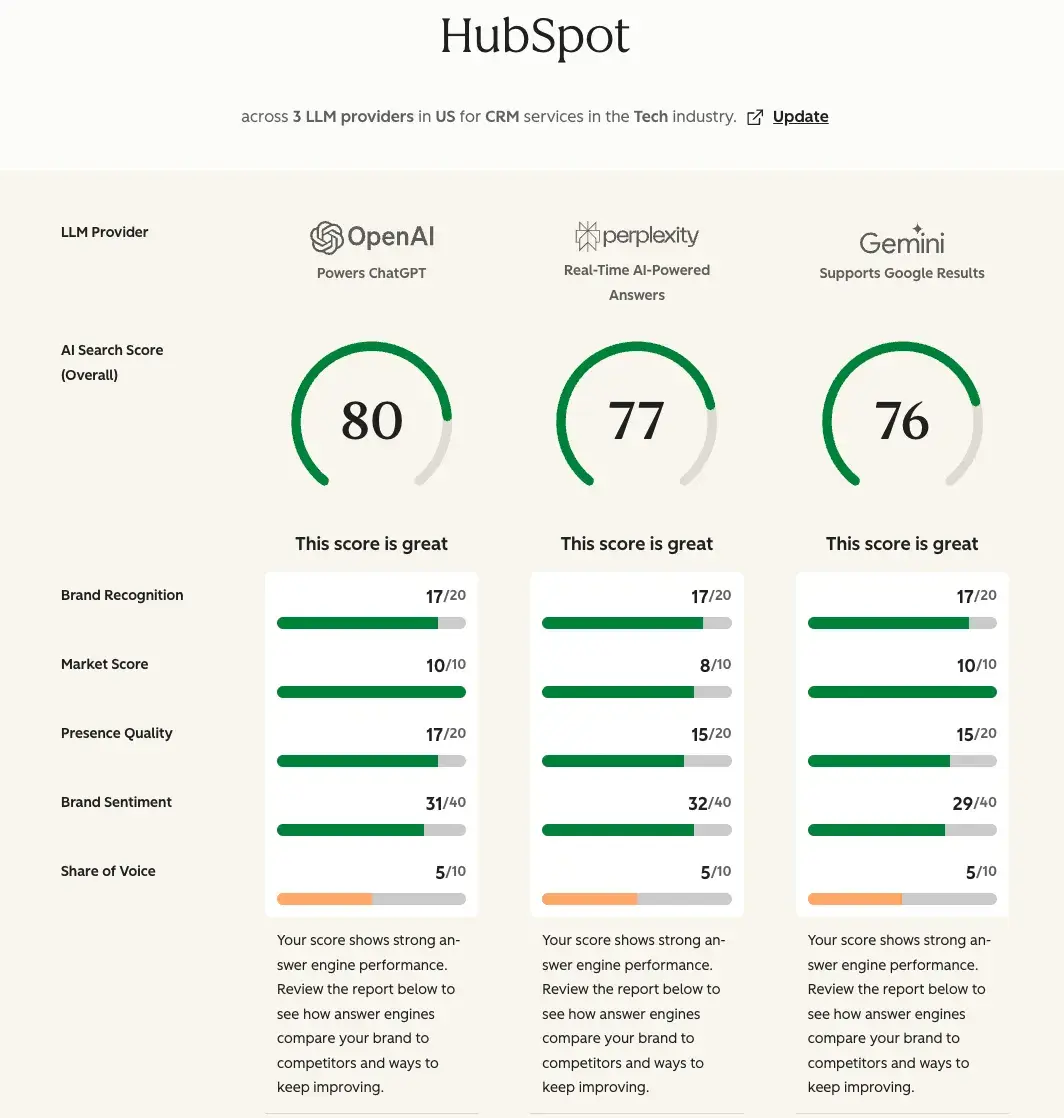
In the rapidly evolving landscape of digital search, a new paradigm has emerged: Answer Engine Optimization (AEO). For modern brands, the traditional "blue link" SEO strategy is no longer sufficient. As users increasingly turn to AI-driven tools like ChatGPT, Google AI Overviews, and Perplexity for direct answers, the goal for content teams has shifted from simply ranking to being cited.
If you have been tasked with addressing "AEO gaps"—instances where your content is ignored or bypassed by AI engines—the most common pitfall is treating the issue as a singular, vague failure. In reality, an AEO gap is a diagnostic puzzle that requires a structured audit of four distinct layers: coverage, answerability, schema health, and citation-source authority.
The Anatomy of an AEO Audit: Why You’re Being Ignored
An AEO audit is a systematic evaluation of why AI systems do or do not select your site as a foundational source. Unlike traditional SEO, which focuses on indexing, AEO focuses on retrievability and trust.
As David Kirkdorffer, a B2B fractional marketer specializing in LLM discoverability, aptly puts it: "SEO is the Dewey Decimal System. You won’t find a book at all if you cite the words inside but not the numbers on the spine. SEO can help get you found on the shelf, but it doesn’t help get you mentioned or cited."
When a brand fails to show up in an AI answer, it is almost always due to one of three technical or strategic failures: the page doesn’t exist, the answer is buried deep within the content, or the AI has deemed a competitor’s citation more authoritative. Treating these as a single problem leads to inefficient resource allocation.

Chronology of the Audit: A Step-by-Step Diagnostic
To effectively resolve AEO gaps, you must follow a logical sequence. Attempting to fix schema before addressing core content coverage is like painting a house that has no foundation.
1. The Coverage Layer: Solving the "Thin Content" Problem
The first step is ensuring you have the necessary content to pull from. AI engines prioritize "topical completeness." If your site lacks deep coverage of a specific buyer question, the engine will favor domains that provide a comprehensive answer.
The Diagnostic Process:
- Build a Prompt Inventory: Compile 25 to 50 questions your buyers are asking. Look at sales calls, support tickets, and common competitive intelligence queries.
- The "Clean Slate" Test: Use a fresh, logged-out browser window for every query. Personalization skews results, leading to a false sense of security.
- Log Results: For each prompt, note if you are mentioned, cited, or ignored. If you are not mentioned and no page on your site addresses the prompt, you have identified a primary coverage gap.
2. The Answerability Layer: Making Content Extractable
Even if you have the right content, it may be "unextractable." LLMs break pages into "chunks." If your answer is spread across four paragraphs and a subhead, the engine cannot retrieve it as a single, coherent response.
The Fix:

- Answer-First Formatting: Place a concise, direct answer in the first 40 to 60 words under every H2.
- Structural Integrity: According to HubSpot’s State of AEO 2026, pages with 7 to 15 H2 headers see peak citation rates. Use headings to segment specific questions clearly.
- The "Three-Sentence Rule": Read only the first three sentences under each H2. If the answer isn’t clear, the chunk is poorly formed.
3. The Schema Layer: Removing Technical Friction
Valid structured data serves as the "spine" of your content, telling the engine exactly what the page represents. While schema does not grant you "trust" or "authority," it removes the friction that prevents an AI from reading your content correctly.
Key Schema Types to Prioritize:
- FAQ Schema: Essential for direct Q&A formatting.
- Article/HowTo Schema: Provides context for instructional content.
- Product/Organization Schema: Vital for brand-specific queries.
Pro Tip: Schema is a maintenance task. A simple CMS update or template change can break markup across thousands of pages. Establish a recurring validation cycle to ensure your data remains intact.
Supporting Data and Performance Metrics
The shift toward AI-driven search has necessitated a new set of KPIs. Traditional rank tracking is largely obsolete in this environment. Instead, focus on the metrics that define AI visibility.
Key Performance Indicators (KPIs) for AEO:
- Citation Frequency: The frequency with which your brand appears as a cited source in AI responses. This is your North Star metric.
- Prompt Coverage: The percentage of your tracked prompt set in which you appear.
- Answer Share of Voice: Of the total citations provided by the engine, what percentage belongs to your brand versus your competitors?
- Entity Accuracy Rate: Does the AI correctly describe your brand, category, and unique value proposition?
- AI-Referred Sessions: Tracking traffic specifically from generative AI sources. Similarweb data from late 2025 indicated that AI referral traffic converts at a significantly higher rate (11.4%) than traditional organic search (5.3%).
Official Perspectives and Industry Realities
The industry is moving toward a model where "presence" is as important as "rank." Krista Doyle, founder of Fan Out, emphasizes that for B2B, a mention in a niche industry community or forum often carries more retrieval weight than a high-DA (Domain Authority) backlink.

Furthermore, the "Source of Truth" problem is gaining traction. Because LLMs pull from historical data, your past content—even if it is now outdated—can haunt your current positioning. Auditing your brand’s presence on third-party sites is not just a PR task; it is an AEO requirement. If your company rebranded or shifted its core offering last year, ensure that third-party directories and roundups reflect your current identity to prevent the AI from "hallucinating" your previous value proposition.
Implications: The Organizational Fix
Perhaps the most critical takeaway is that AEO is as much an organizational challenge as it is a marketing one. A successful AEO strategy involves:
- Content Teams: Responsible for coverage and answerability.
- Development Teams: Responsible for schema and technical infrastructure.
- PR/Partnerships: Responsible for the "citation-source" gap—ensuring the brand is present in the forums and publications that AI engines trust.
The audit is rarely the hard part; the difficulty lies in coordinating these cross-functional teams. When you bring these stakeholders into the diagnosis phase, you create a shared understanding of the problem. If you wait until the remediation phase, you will likely face resistance from teams that do not report to the same leadership.
Conclusion: Avoiding the "Regression Trap"
AEO is not a "set it and forget it" task. Content ages, models update, and competitors will inevitably respond to your moves. To maintain your gains:
- Run a Monthly Prompt Audit: Use a fixed set of 25 to 50 questions to monitor for regression.
- Set a Freshness Cadence: For fast-moving industries like SaaS or Finance, update your content every three to six months. For manufacturing or ecommerce, six to nine months may suffice.
- Annotate Everything: Record the date, the change, and the rationale. When you see a dip in AI citations, you need a clear timeline to determine if the issue is a model update or a failure in your recent content changes.
By treating AEO as a rigorous, iterative process rather than a one-time SEO tactic, brands can secure their position in the future of search. As the line between "search" and "answer" continues to blur, those who provide the most direct, accurate, and extractable information will emerge as the clear winners in the age of AI.


 Nana Wu
 Neng Nana
 Ali Ikhwan
 Raul Delapena Setiawan
 Nana
Nana
 Muslim

