
 Reynand Wu
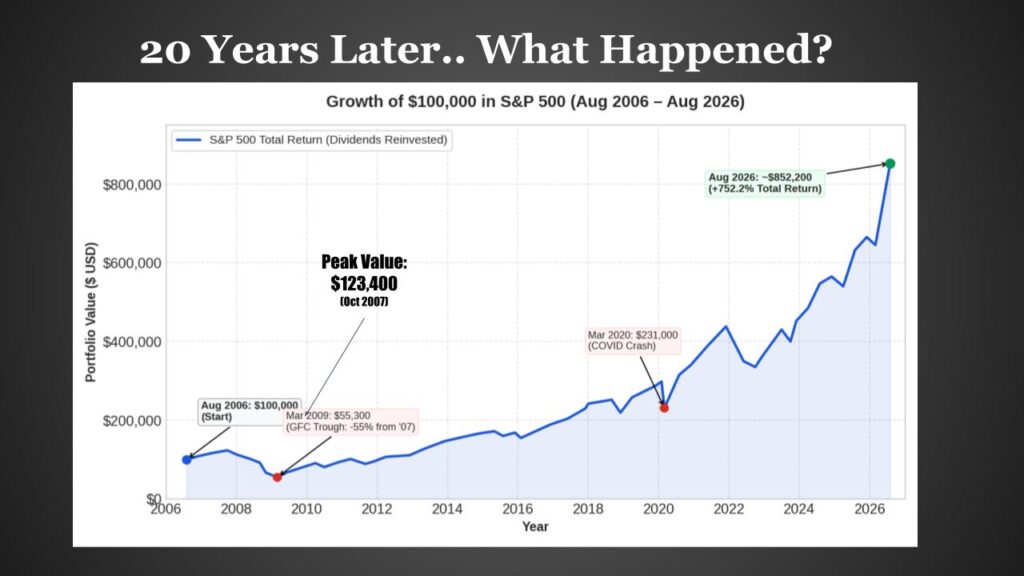
The stock market has a unique ability to keep us on our toes. Just as investors grow comfortable with a period of stability, the market shifts, surprising even the most seasoned analysts. In recent months, as the S&P 500 and other major indices have soared to record valuations, a familiar sense of anxiety has permeated the financial discourse. Much of this current apprehension is pinned to the meteoric rise of Artificial Intelligence—a technological boom so rapid and transformative that it has drawn inevitable comparisons to the dot-com bubble of the late 1990s.
For those who have remained focused on their personal lives, the stock market’s daily fluctuations might seem like distant noise. However, for the millions of retirees and long-term investors whose financial security is tied to these markets, the question remains: Is the current AI frenzy a genuine engine of long-term prosperity, or a precarious bubble destined to trigger a systemic collapse?

The Anatomy of an Investment Mania: A Chronology of Concern
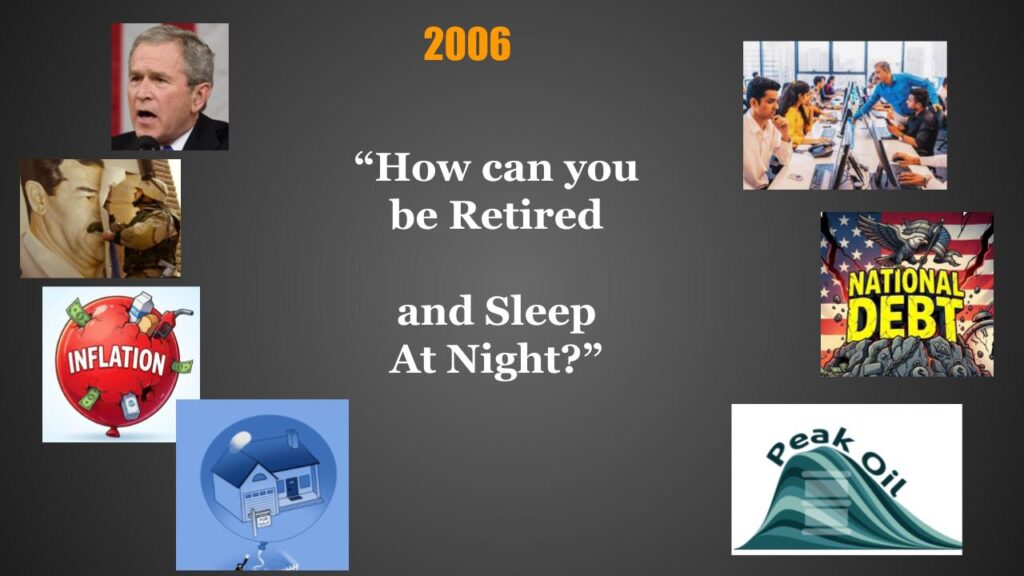
To understand the current sentiment, one must look at the historical context of financial panics. Every generation faces its own set of "catastrophic" worries. Twenty years ago, in 2006, the investor mindset was dominated by a different set of anxieties. The world was fixated on the geopolitical instability of the Iraq War, the looming threat of peak oil, and fears regarding the outsourcing of labor to emerging markets in India and China. Most notably, the financial world was vibrating with concern over an overvalued housing market—the precursor to the 2008 Great Financial Crisis.
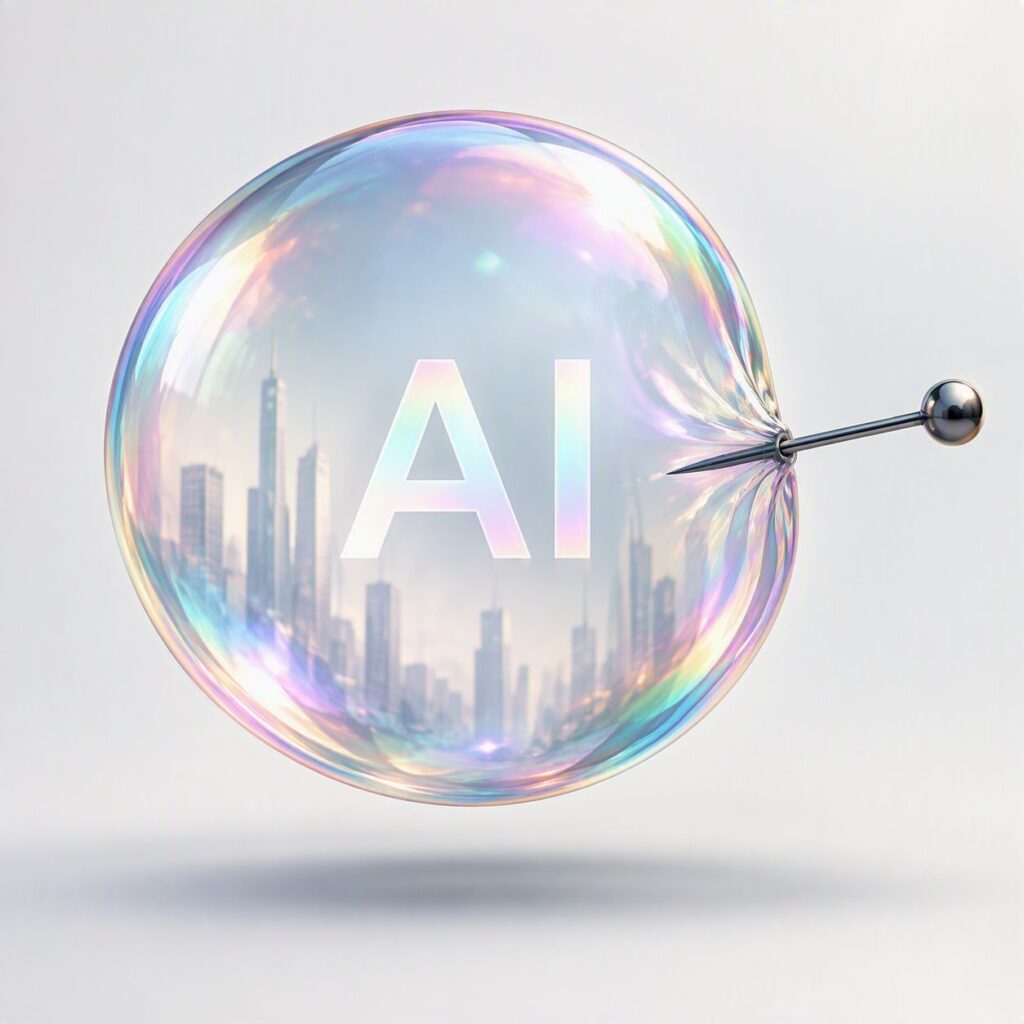
The transition from the 2006 "Housing Bubble" anxiety to the 2026 "AI Bubble" anxiety follows a predictable pattern. In both instances, the market was driven by a belief that technological or structural changes would fundamentally alter human productivity. The difference, however, lies in the nature of the disruption. While the housing crisis was built on financial engineering and unsustainable debt, the AI boom is rooted in a tangible leap in computational capability. Despite this, the fear remains identical: that the market has moved "too much, too fast."
Supporting Data: Prosperity Through Productivity
While the financial media is adept at spinning narratives of impending doom, the fundamental drivers of human prosperity are often ignored. Prosperity is not merely a reflection of share prices or digital ledger entries; it is a direct result of human productivity.
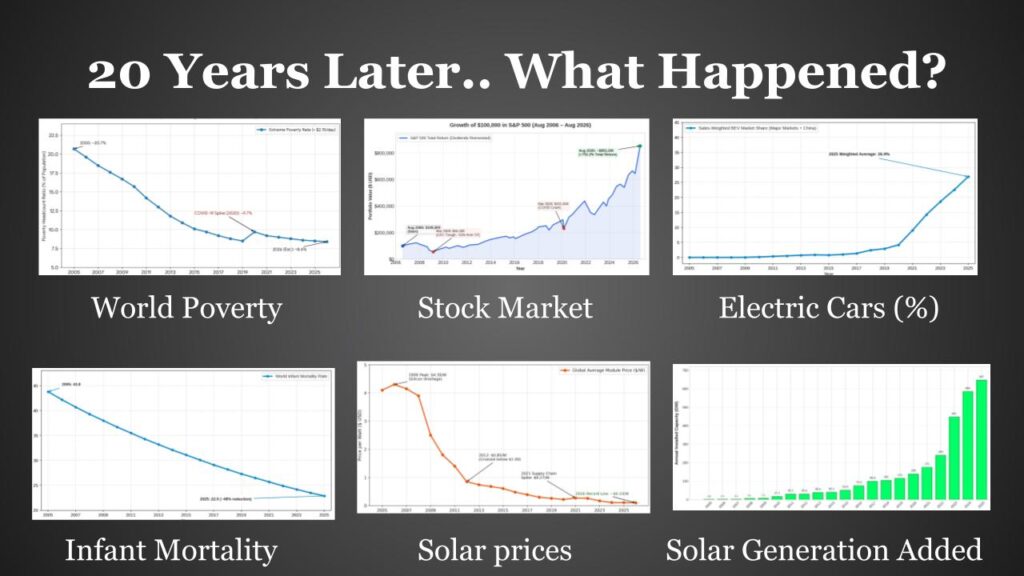
Looking back at the last two decades provides a sobering reality check for the perennial pessimist. Despite the 2008 financial crash and the 2020 COVID-19 pandemic, global indicators of well-being have shown remarkable progress:

- Poverty Reduction: The portion of the global population living in extreme poverty dropped from approximately 20% in 2005 to roughly 8% today.
- Healthcare Advancements: Infant mortality rates have been cut in half globally, signaling a significant improvement in standard-of-living metrics.
- The Energy Transition: Solar energy generation has become hyper-efficient, with panel costs dropping by a factor of 40. Pure electric vehicle adoption has surged, with nations like Norway achieving total market penetration, signaling that the "peak oil" fears of 2006 were largely unfounded.
These data points illustrate a critical truth: the real economy—the world where people build, innovate, and solve problems—continues to grow even when the "paper" economy (the stock market) experiences volatility. The invention of the "cognitive nail gun"—the term often used to describe AI—is simply the latest tool to boost human output.
Implications: The Role of Fear in Investor Behavior
Why, if the long-term trend is one of progress, do so many investors remain paralyzed by fear? The answer lies in human evolutionary biology. Humans are essentially "Danger Detection Machines." We are biologically wired to scan the horizon for predators and scarcity. When those threats are removed, our brains do not simply shut off the alarm; they search for new targets.
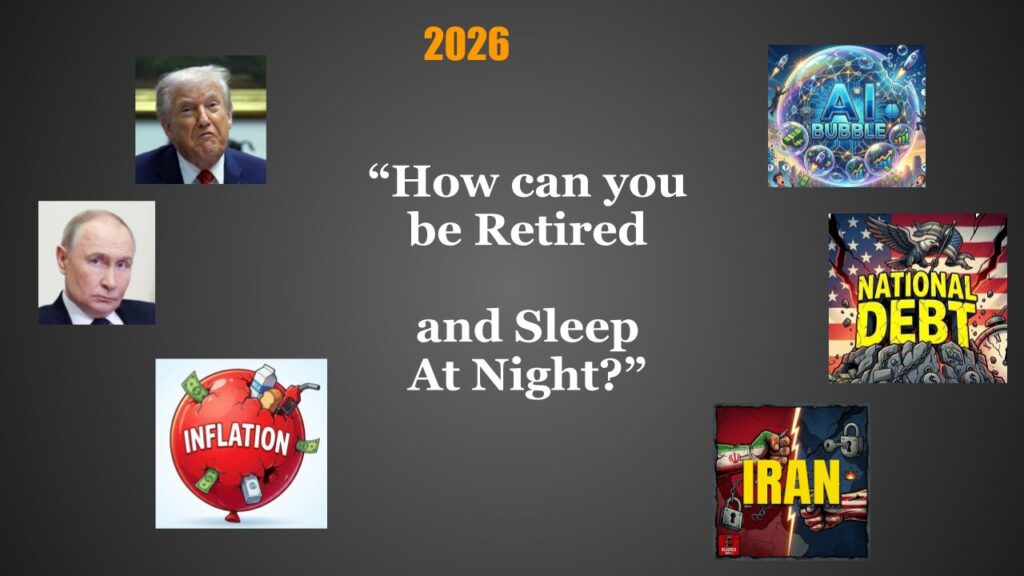
This phenomenon explains why successful investors, who have secured their financial future, often shift their worries from "survival" to "maintenance." This is seen in the irrational fear of Required Minimum Distributions (RMDs) or the obsession with minimizing tax liabilities on wealth that is already sufficient to provide a lifetime of comfort.
The Psychology of "Everything is an Experiment"
To overcome this paralyzing anxiety, one must adopt an experimental mindset. When an individual views life events—whether a career change, a new investment strategy, or the integration of AI into their workflow—as an experiment rather than a permanent, high-stakes gamble, the fear dissipates.
The current AI era should be viewed through this lens. While it will undoubtedly displace certain roles, it will simultaneously lower the cost of services and spawn entirely new industries. This has been the trajectory of every major technological shift since the Industrial Revolution. The key is to distinguish between the market’s speculative mania and the actual utility of the technology.
Official Responses and Strategic Perspectives
Financial institutions and market experts have largely adopted a bifurcated stance on the AI bubble. On one side, conservative analysts argue that valuations have detached from earnings potential, warning that a "mean reversion" is inevitable. On the other, technologists argue that the scale of AI’s impact on global GDP has been underestimated, suggesting that current valuations are merely a "down payment" on future productivity gains.
However, the most effective response to this uncertainty comes not from market analysts, but from the realization that individual agency outweighs market trends.
Action Cures Fear
The most potent antidote to fear is action. When an investor takes steps to educate themselves—by reading, analyzing, and engaging with the technology—they transform the "unfamiliar" into the "familiar." This builds resilience, or what some might call "Badassity."
Furthermore, the "mental diet" of the modern investor is a critical factor. Constant consumption of fear-based news cycles is akin to consuming processed, unhealthy food; it leads to systemic mental health degradation. By tuning out the noise and focusing on positive, productive behaviors—such as learning new skills, maintaining physical health, and cultivating a community of optimistic peers—investors can insulate themselves from the volatility of the stock market.
Conclusion: The Path Forward
The fear of an AI-induced market crash is a symptom, not a root cause. If you find yourself losing sleep over the market, it is likely not the market that is the problem, but a deeper, unresolved relationship with uncertainty.
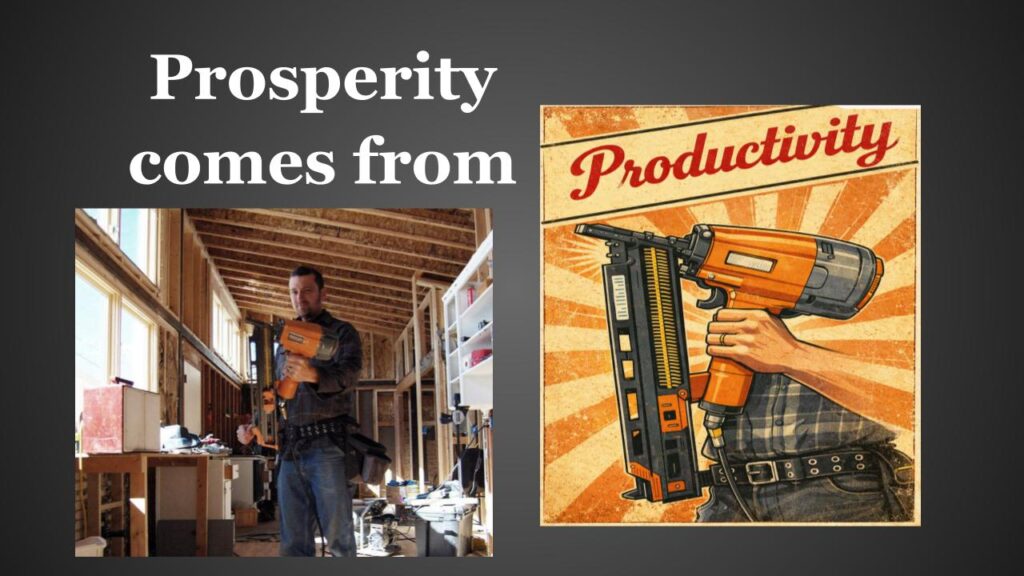
The truth, as reflected in the lessons of the last twenty years, is that human ingenuity is remarkably adaptive. The stock market will always be choppy; it is a system designed to reflect human greed and fear in real-time. But beneath the waves of market volatility lies the bedrock of human productivity.
As you navigate the AI era, remember that every significant reward in life lies on the other side of fear. If you were not afraid to reach for progress, you would already have achieved it. The choice remains: will you be a passive victim of the next market cycle, or an active participant in the next phase of human innovation? The answer is yours to determine.


 Ali Ikhwan
 Layla Zulfa
 Sagoh
Sagoh
 Laily UPN
 Jia Lissa
 Neng Nana
 Iffa Jayyana