
 Ali Ikhwan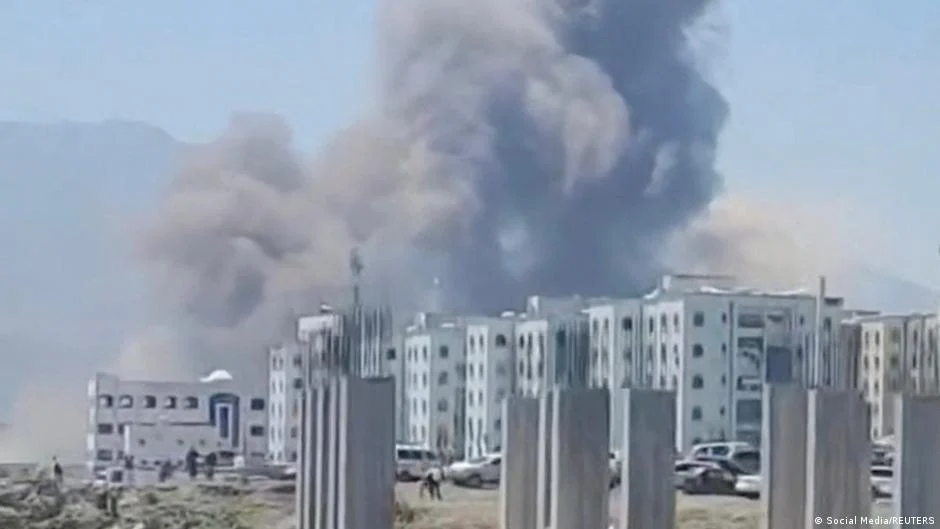
Riyadh, Saudi Arabia – A recent Houthi missile and drone attack on Riyadh’s international airport on Saturday, October 10, 2026, resulted in several injuries, marking the third such assault since the beginning of the month. This latest aggression underscores a dangerous escalation in the protracted conflict between the Houthi movement in Yemen and the Saudi-led coalition, further destabilizing an already volatile region and exacerbating the world’s most severe humanitarian crisis.
The incident is a stark reminder of the complex and multi-faceted nature of the Yemeni conflict, which involves a web of local factions, regional powers, and international interests. To grasp the current trajectory of hostilities, it is crucial to differentiate between the Houthi movement, the internationally recognized Yemeni government (currently represented by the Presidential Leadership Council or PLC), and Saudi Arabia – entities often mistakenly conflated but distinct in their origins, objectives, and roles within this devastating war.
Chronology: The Unfolding Conflict
The roots of the Yemeni conflict are deep, tracing back decades, but the current phase of intense violence primarily stems from events in the mid-2010s. Understanding this chronology is essential to comprehending the current crisis and the implications of the recent attacks.
Roots of Discontent: The Houthi Movement’s Genesis
The Houthi movement, officially known as Ansar Allah (Supporters of God), emerged in the mountainous Saada province in northern Yemen during the 1990s. Founded by Hussein al-Houthi, the group initially advocated for the rights of the Zaydi Shiite minority, who felt marginalized by the central government of then-President Ali Abdullah Saleh. The Zaydis, a distinct branch of Shiism, have historically been a significant cultural and political force in Yemen. The Houthis’ ideology developed into a potent mix of religious revivalism, anti-corruption rhetoric, and strong anti-American and anti-Israeli sentiments, famously encapsulated in their slogan: "God is the greatest, death to America, death to Israel, a curse upon the Jews, victory for Islam."
From the early 2000s, the movement engaged in a series of sporadic uprisings against the Saleh government, accusing it of corruption and excessive alignment with Saudi Arabia and the United States. These skirmishes, often brutally suppressed, hardened the Houthi’s resolve and expanded their popular support base in their northern strongholds, transforming them from a localized religious group into an increasingly formidable armed faction.
The Spark: 2014 Houthi Uprising and Civil War
The pivotal moment that ignited the current civil war occurred in 2014. Following the Arab Spring uprisings, President Ali Abdullah Saleh was forced to step down in 2012, replaced by his vice president, Abd-Rabbu Mansour Hadi. Hadi inherited a deeply fractured nation plagued by rampant corruption, secessionist movements in the south, a resurgent al-Qaeda presence, and continued Houthi grievances.
The Houthis capitalized on the power vacuum and widespread discontent with Hadi’s transitional government, which many Yemenis perceived as weak and ineffective. In September 2014, the Houthi forces, allied with remnants of the Saleh regime loyal to the ousted president, launched a major offensive, seizing control of the capital, Sanaa. This strategic capture marked a dramatic shift in Yemen’s political landscape. By January 2015, the Houthis had fully consolidated their control over Sanaa, effectively capturing the presidential palace and forcing President Hadi to flee first to the southern port city of Aden, and subsequently into exile in Saudi Arabia. From Riyadh, Hadi continued to lead his internationally recognized government in exile until his resignation in 2022. The fall of Sanaa to the Houthis unequivocally marked the beginning of Yemen’s devastating civil war.
Saudi Arabia’s Intervention and Escalation
The Houthi takeover of Sanaa and their subsequent expansion southward was viewed with alarm by Saudi Arabia and its regional allies. Riyadh perceived the Houthi’s rise as a direct threat to its southern border and, crucially, as a proxy for its regional arch-rival, Iran. The Saudis feared the establishment of an Iranian-backed state on their doorstep, potentially altering the regional balance of power.
In response, Saudi Arabia assembled a military coalition comprising several Arab states, including the United Arab Emirates, Egypt, Bahrain, Kuwait, and others. On March 26, 2015, the coalition launched Operation Decisive Storm, an extensive air campaign aimed at rolling back Houthi gains and restoring the Hadi government to power. The intervention was framed as a legitimate response to a request from the internationally recognized Yemeni president. However, what was initially expected to be a swift military operation quickly devolved into a prolonged and brutal conflict. The Saudi-led coalition provided air support, intelligence, and logistical backing to pro-Hadi forces, while the Houthis accused the coalition of aggression and targeting civilian infrastructure.
Years of Stalemate and Cross-Border Attacks
For years, the conflict settled into a grinding stalemate. The Saudi-led coalition maintained air superiority and imposed a blockade on Houthi-controlled areas, severely restricting the flow of goods, including vital humanitarian aid. In response, the Houthis, with alleged support and expertise from Iran, developed and deployed an increasingly sophisticated arsenal of ballistic missiles, cruise missiles, and armed drones.
These capabilities allowed the Houthis to launch retaliatory attacks deep into Saudi territory, targeting critical infrastructure such as oil facilities, airports, and military installations. The first such significant attacks began to emerge in late 2015, steadily increasing in frequency and sophistication. These cross-border assaults served multiple purposes for the Houthis: demonstrating their resilience, retaliating against Saudi airstrikes, and pressuring Riyadh to lift the blockade and cease its military operations. While many of these attacks were intercepted by Saudi air defenses, some, like the recent Riyadh airport incident, successfully penetrated, causing damage and casualties.
The 2022 Truce and its Fragile Demise
Amidst immense international pressure and the catastrophic humanitarian situation in Yemen, a significant breakthrough occurred in April 2022 when the United Nations brokered a nationwide truce between the warring parties. This ceasefire, which lasted for six months, brought a period of relative calm, allowing for increased humanitarian access and fostering hopes for a lasting peace settlement. Under the terms of the truce, commercial flights resumed from Sanaa International Airport, and fuel shipments were permitted into the Hodeidah port, both under Houthi control.
However, the truce proved fragile and ultimately collapsed in July 2026. The reasons for its failure are complex, with both sides blaming the other for non-compliance and unmet demands. The Houthis accused the Saudi-led coalition of failing to fully lift the blockade and adequately pay public sector salaries in Houthi-controlled areas, which they argued were funded by Yemeni oil and gas revenues. Conversely, the Saudi-led coalition and the Yemeni government accused the Houthis of violating the truce by refusing to open key roads in Taiz and continuing military buildups. The breakdown of negotiations led to a rapid resurgence of hostilities, plunging Yemen back into full-scale conflict.
Renewed Hostilities and Strategic Gains
Since the collapse of the truce in July 2026, the conflict has intensified significantly. Fighting has reignited across multiple frontlines, including Marib, Taiz, Lahj, al-Jawf, and al-Bayda. The Houthis have demonstrated renewed military prowess, making strategic gains that have shifted the balance of power on the ground.
A particularly significant development occurred with the Houthi capture of the port city of Mocha on the Red Sea. This victory, alongside their already established control over other key Red Sea coastal areas, has dramatically expanded Houthi influence over the vital Bab al-Mandeb Strait, a narrow chokepoint through which much of the world’s maritime trade, including oil shipments, passes. This enhanced control over maritime routes has given the Houthis significant leverage.
The September 2026 drone attack on Saudi Arabia’s East-West oil pipeline, disrupting crude exports and causing global oil prices to surge past USD 100 per barrel, demonstrated the Houthis’ capacity to inflict economic pain beyond Yemen’s borders. The subsequent attacks on Riyadh airport in early October 2026, now a recurring threat, signal the Houthis’ intent to maintain pressure on Saudi Arabia and underscore the enduring volatility of the conflict.
Supporting Data: The Human Cost and Geopolitical Web
Beyond the battlefield, the Yemeni conflict has spawned a catastrophic humanitarian crisis and deeply entangled regional and international powers.
Yemen’s Catastrophe: The World’s Worst Humanitarian Crisis
The most tragic consequence of the war has been the devastating impact on the Yemeni civilian population. The United Nations has repeatedly labeled Yemen as the world’s worst humanitarian crisis. By 2026, nearly half of Yemen’s population, an estimated 22 million people, are in dire need of humanitarian assistance, including food, water, shelter, and medical care. Years of relentless conflict, a punishing blockade, and economic collapse have pushed the nation to the brink of famine.
The country’s infrastructure has been decimated. Healthcare systems have collapsed, with hospitals and clinics either destroyed or lacking basic supplies and personnel. Access to clean water is severely limited, leading to recurrent outbreaks of preventable diseases. Yemen has endured the worst cholera epidemic in modern history, with millions of suspected cases reported. Children are particularly vulnerable, facing malnutrition, disease, and psychological trauma, with millions out of school. The displacement of millions of Yemenis from their homes further complicates aid efforts and exacerbates their suffering. The cumulative effect of war, disease, and starvation paints a grim picture of human suffering on an unprecedented scale.
The Power Dynamics: Who’s Who in the Conflict
The Yemeni conflict is not a simple two-sided affair but a complex interplay of various actors with overlapping and often conflicting agendas.
-
The Houthi Movement: With an estimated 350,000 members by 2025, the Houthis have proven to be a resilient and effective fighting force. They currently control between a quarter and a third of Yemen’s territory, including the capital Sanaa and crucial Red Sea ports. Their primary objectives are to consolidate their power in Yemen, end the Saudi-led blockade, and gain full control over the country’s resources, including its oil and gas revenues. They envision a more independent Yemen, free from what they perceive as Saudi and Western interference. The Houthis are widely believed to receive significant military and financial support from Iran, including advanced weaponry, training, and strategic guidance, enabling them to counter the superior firepower of the Saudi-led coalition.
-
The Yemeni Government (PLC): After President Hadi’s resignation in 2022, the internationally recognized government is now represented by the Presidential Leadership Council (PLC). This eight-member council, chaired by Rashad al-Alimi (a former advisor to Hadi and interior minister under Saleh), was formed with the aim of uniting anti-Houthi factions, managing the country’s political, security, and military affairs, and leading negotiations for a permanent ceasefire. The PLC is strongly supported by Saudi Arabia and its allies, who view it as the legitimate authority in Yemen. However, the PLC faces significant challenges in uniting diverse factions and asserting its authority across the limited territories it controls.
-
Saudi Arabia: Riyadh leads the military coalition against the Houthis, driven by a desire to restore the legitimate Yemeni government, secure its southern border, and counter Iranian influence in the Arabian Peninsula. The war has proven costly for Saudi Arabia, both financially and in terms of international reputation due to civilian casualties and the humanitarian crisis. The Houthi attacks on Saudi territory, particularly oil infrastructure, represent a direct threat to the Kingdom’s economic stability and security.
-
Iran: Tehran’s involvement is primarily strategic, aimed at challenging Saudi Arabia’s regional dominance and projecting its influence. By supporting the Houthis, Iran gains a valuable proxy at the doorstep of its main rival, diverting Saudi resources and attention. Iran views the Houthis as part of its broader "Axis of Resistance" against the United States and Israel, leveraging the conflict to advance its geopolitical agenda without direct military engagement.
Strategic Significance: Red Sea and Global Energy
The Yemeni conflict has profound implications for global trade and energy security. The recent Houthi control over critical Red Sea coastline, including the port of Mocha and areas adjacent to the Bab al-Mandeb Strait, is particularly alarming. This narrow waterway, connecting the Red Sea to the Gulf of Aden and the Indian Ocean, is one of the world’s most crucial shipping lanes, through which approximately 10% of global seaborne trade and a substantial portion of the world’s oil supplies pass annually.
Houthi threats to target Saudi shipping in the Red Sea, coupled with the September 2026 drone attack on the East-West oil pipeline, demonstrate their capability to disrupt international commerce and energy markets. The immediate surge in global oil prices following the pipeline attack, exceeding USD 100 per barrel, highlighted the fragility of energy supply chains in the face of such geopolitical instability. The Houthis’ ability to project power into these strategic maritime corridors poses a direct threat to regional and global economic stability.
Official Responses and International Involvement
The international community has largely condemned the violence and called for a political solution, but decisive action remains elusive.
Saudi and Yemeni Calls for Action
Following the latest Houthi attacks, the internationally recognized Yemeni government and Saudi Arabia have vehemently condemned the aggression, reiterating their calls for greater international intervention. They have urged global powers to recognize the Houthis as a terrorist organization and to take concrete steps to curb their capabilities, particularly their access to sophisticated weaponry allegedly supplied by Iran.
Specifically, both Riyadh and the PLC had previously pressed the administration of then-President Donald Trump to "join" in striking Houthi targets after the September 2026 attack on Saudi oil supplies. However, Trump reportedly declined to do so, citing the Houthis’ agreement not to target United States assets, indicating a complex balancing act in Washington’s foreign policy considerations. This highlights the varying degrees of international appetite for direct military engagement in the conflict.
International Community’s Stance
The United Nations has been at the forefront of diplomatic efforts, deploying special envoys to mediate peace talks and secure humanitarian access. The UN has consistently called for a comprehensive political settlement based on relevant Security Council resolutions, emphasizing that there is no military solution to the conflict. However, these efforts have been repeatedly frustrated by the intransigence of the warring parties and the complex regional dynamics.
Beyond the UN, various international bodies and governments have expressed deep concern over the humanitarian crisis, providing aid where possible. Yet, the lack of a unified and robust international response, particularly regarding enforcement mechanisms or significant pressure on external actors, has allowed the conflict to fester. The United States, while providing support to the Saudi-led coalition in terms of intelligence and logistics, has also expressed concerns about civilian casualties and has at times limited its direct involvement in offensive operations, reflecting the internal debate within Washington regarding the conflict’s moral and strategic implications.
Implications: A Region on Edge
The recent escalation in Yemen carries significant implications, threatening to further destabilize the Middle East, exacerbate humanitarian suffering, and impact global security.
Escalation Risks
The renewed Houthi attacks on Saudi territory, coupled with their strategic gains on the ground and control over vital waterways, significantly heighten the risk of regional escalation. A sustained campaign of Houthi cross-border attacks could provoke a more forceful and expansive response from Saudi Arabia and its allies, potentially drawing in other regional actors. The proxy nature of the conflict, with Saudi Arabia and Iran backing opposing sides, means that any major escalation in Yemen could easily spill over into a broader regional confrontation, with devastating consequences for the entire Middle East. This risk is amplified by the ongoing tensions between Tehran and Riyadh, and the broader geopolitical rivalry for regional hegemony.
Future of Yemen
The prospects for peace in Yemen appear increasingly dim. The collapse of the 2022 truce and the renewed fighting underscore the deep mistrust and fundamental disagreements between the Houthis and the internationally recognized government. The Houthis’ recent military successes may embolden them to demand greater concessions in any future negotiations, making a power-sharing agreement even more challenging. The continued fragmentation of anti-Houthi forces, despite the formation of the PLC, also complicates the path to a unified national government. The country faces a daunting future, with the potential for continued internal conflict, protracted instability, and the consolidation of de facto Houthi rule over significant portions of its territory. Rebuilding the devastated nation and addressing the profound humanitarian needs will require a sustained peace and massive international support, neither of which seems imminent.
Geopolitical Repercussions
The Yemeni conflict continues to be a central arena for the Saudi-Iran rivalry, with each side vying for regional influence. The Houthis’ ability to strike Saudi targets and control strategic maritime routes empowers Iran and complicates Saudi Arabia’s regional security posture. This dynamic impacts other regional flashpoints and the broader balance of power in the Middle East.
Furthermore, the conflict has implications for global maritime security and energy markets. The Red Sea is a critical artery for global trade, and sustained threats to shipping in the Bab al-Mandeb Strait could disrupt supply chains, increase insurance costs, and drive up global energy prices, impacting economies worldwide. The involvement of various international actors, including the United States, Russia, and China, who have vested interests in regional stability and maritime freedom, adds another layer of complexity to this already intricate geopolitical chessboard. The ongoing crisis in Yemen, therefore, remains a critical test of international diplomacy and a stark reminder of the devastating human and geopolitical costs of prolonged conflict.


 Jia Lissa
 Nila Kartika Wati
 Lina Hope
 Nana Muazin

 Sagoh
Sagoh
 Laily UPN