
 Jia Lissa
Main Facts
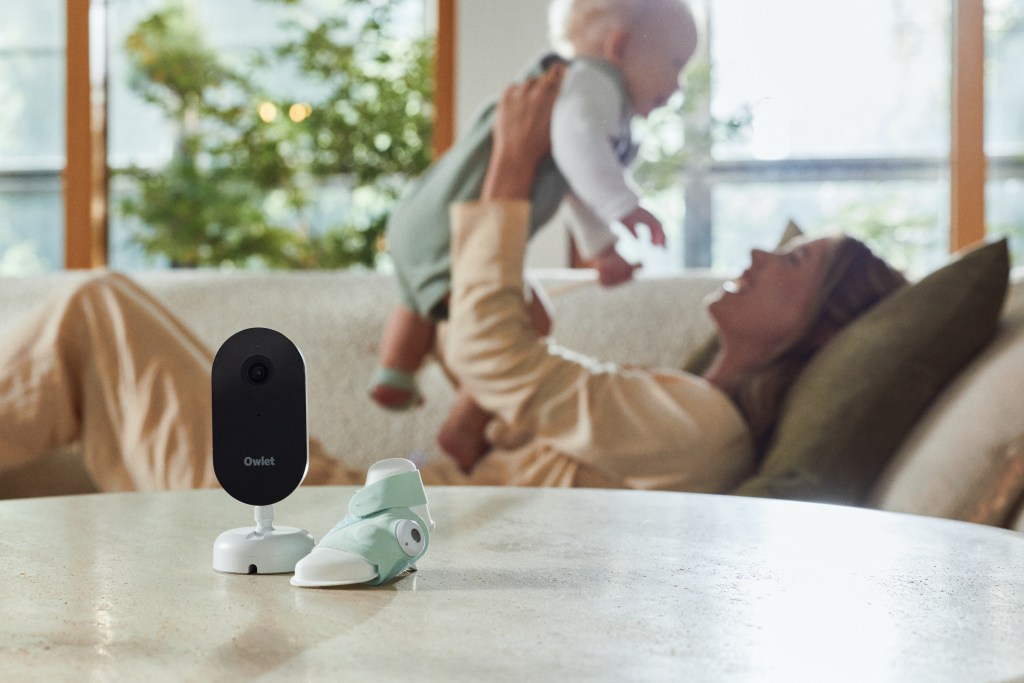
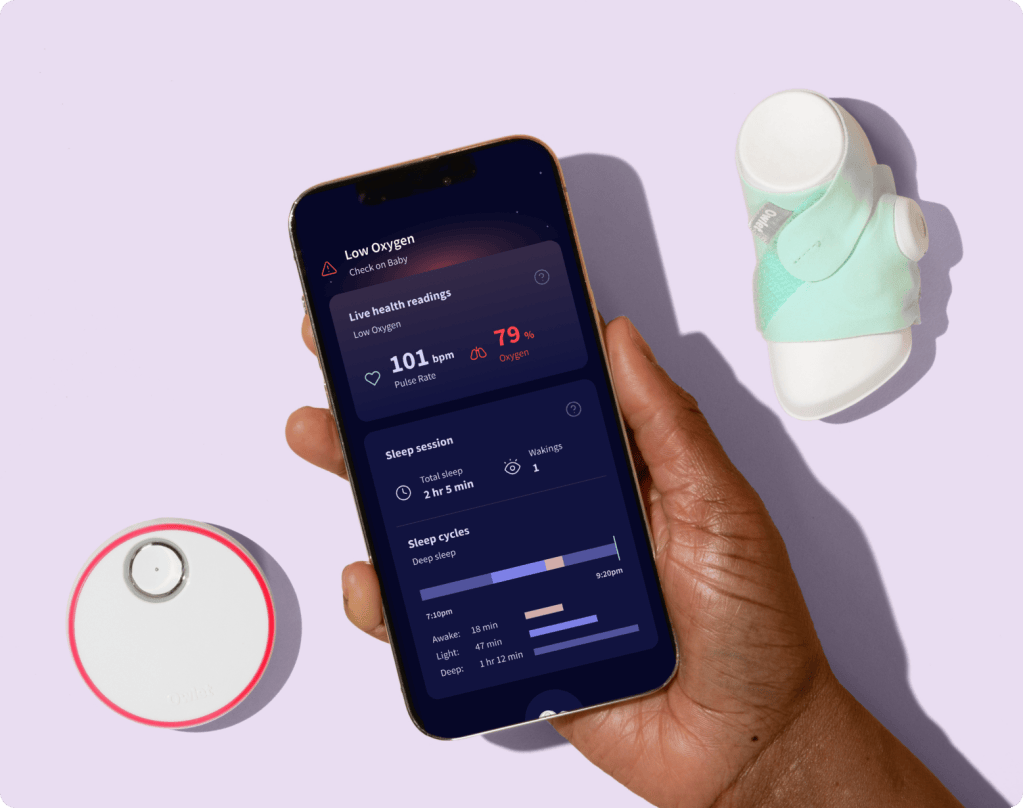
Owlet, the pioneering company behind the world’s first and only over-the-counter, FDA-cleared wearable baby monitor, has transformed infant safety and parental peace of mind. Founded in 2015 by Kurt Workman, Zach Bomsta, Jordan Monroe, and Jacob Colvin, the company quickly grew from a nascent idea to a publicly traded entity, achieving an impressive $20 million in revenue within its inaugural year. At its core, Owlet addresses a fundamental parental anxiety: the health and well-being of their newborn, particularly during sleep. Utilizing advanced pulse oximetry technology, miniaturized into a comfortable sock, Owlet’s devices non-invasively track a baby’s heart rate and oxygen levels, alerting parents to significant changes.
The company’s journey has been marked by both rapid innovation and significant challenges, including a pivotal encounter with the U.S. Food and Drug Administration (FDA) that reshaped its product classification and market strategy. Despite these hurdles, Owlet has served over 2.5 million babies, monitored more than 21 trillion heartbeats, and collected two billion hours of sleep data, solidifying its position as a leader in infant health technology. Further underscoring its commitment to baby safety, Owlet recently launched its Baby Safety Task Force, an initiative designed to elevate safety standards across the industry through collaboration with legislators, clinicians, and other brands. This collective effort aims to drive innovation and advocacy, ensuring a safer environment for infants globally.
Chronology
Founding Vision: A Personal Imperative
The genesis of Owlet is deeply rooted in the personal anxieties of its co-founder and CEO, Kurt Workman. As a father of three, Workman’s journey into the realm of infant health monitoring began not from an engineering blueprint—despite his background in chemical engineering—but from a profound parental concern. His wife, who survived an undiagnosed congenital heart defect as an infant, requiring life-saving heart surgery at ten days old, presented a stark reminder of the hidden vulnerabilities of newborns. This familial history instilled a powerful sense of apprehension as they prepared to have children, knowing their offspring carried a genetic predisposition to similar cardiac issues.
During consultations with his wife’s cardiologist, Workman learned that while pregnancy was safe for his wife, their children faced an elevated risk. This knowledge fueled his relentless quest for a solution. He pondered, "How would I know? What exists for parents at home to monitor the health of their baby?" At the time, the toolkit for new parents was starkly limited to basic video and audio monitors and a thermometer—none of which could provide critical insights into a baby’s vital signs. This glaring gap in home monitoring capabilities became the driving force behind Owlet.
The Genesis of Innovation: From Idea to Prototype
Workman’s research led him to discover pulse oximetry, a technology commonly used in hospitals to measure pulse rate and oxygen saturation through light. While ubiquitous in clinical settings and increasingly in consumer devices like the Apple Watch and Fitbit, its application for continuous infant monitoring at home was virtually nonexistent. Observing how hospitals often applied pulse oximeters to a baby’s foot, Workman and his co-founders — Zach Bomsta, Jordan Monroe, and Jacob Colvin, whom he met in college — conceived the innovative idea of a "little sock" embedded with this life-saving technology. This simple yet revolutionary concept aimed to bring hospital-grade monitoring into the comfort and convenience of the home.

The journey from concept to a viable product was arduous and protracted. The team dedicated three years to rigorous product development, undergoing six distinct beta tests. The initial beta test, Workman candidly admits, "failed miserably," highlighting the immense technical and design challenges involved in creating a comfortable, accurate, and user-friendly wearable for infants. Each iteration, however, brought them closer to their goal. The turning point came when they began showing prototypes to other parents. Workman recalls a particularly poignant encounter with a mother who was using a bulky, clunky hospital monitor at home for her child. Upon seeing Owlet’s sleek sock design, she broke down in tears of relief. Her emotional response underscored the desperate need for a less intrusive, more practical solution for parents grappling with similar anxieties. She expressed, "It’s awful trying to move this thing around. There’s alarms going off all day. I can’t sleep. I would give anything for that." This powerful validation solidified their belief in the product’s potential.
Despite the compelling need, securing initial funding proved challenging. The co-founders had limited experience in fundraising, and the nascent market already featured competitors. An MIT startup was developing a smart onesie with motion sensors for breathing, and another similar company emerged from San Francisco, both having already attracted investment. Investors often questioned Owlet’s unique value proposition in an ostensibly crowded, albeit undeveloped, space, making the early fundraising rounds particularly difficult.
Building Traction: Crowdfunding and Strategic Partnerships
Undeterred, Owlet decided to pursue a crowdfunding campaign. While the campaign didn’t generate massive public awareness or video views, it demonstrated an incredibly high conversion rate for pre-sales. This success was attributed to Owlet’s clear and focused value proposition: monitoring core biometrics like heart rate and oxygen levels and alerting parents to critical changes. This distinct focus resonated deeply with parents seeking genuine health insights rather than just general activity monitoring.
The momentum from crowdfunding, however modest in terms of overall reach, opened doors. Owlet was accepted into the prestigious Techstars accelerator program in New York. This provided invaluable exposure beyond their Salt Lake City origins, connecting them with a broader network of mentors and investors. It was through Techstars that they secured their first crucial investments. Milena Adamian, a New York City cardiologist with a medical device-focused fund called Azimuth Ventures, recognized the clinical potential. Simultaneously, John Frankel of ff Ventures, known for his strong thesis in IoT and connected hardware, saw the technological and market opportunity. This blend of medical and technological investment provided Owlet with the capital and expertise needed to scale.
Market Entry and Rapid Expansion (2015-2020)
Upon its launch in 2015, Owlet initially adopted a conventional digital marketing strategy, placing ads on Google for searches like "baby monitor." This approach proved disastrous. Parents searching for "baby monitor" typically expected a video or audio device, leading to exceptionally high bounce rates and dismal conversion. This costly misstep forced a rapid strategic pivot.

The team quickly realized they weren’t selling a "baby monitor" in the traditional sense; they were creating an entirely new product category: biometric infant monitoring. The strategy shifted dramatically towards education and awareness. This involved heavy investment in public relations (PR), strategic partnerships with influencers, and the creation of compelling video content designed to explain the technology, its benefits, and the peace of mind it offered. This educational approach began to gain significant traction.
Crucially, Owlet deliberately avoided retail distribution in its first year. This decision allowed the company to reinvest all its margin dollars back into building brand awareness and educating consumers directly. This direct-to-consumer model proved incredibly effective, driving an astonishing 50 million video views and garnering extensive positive press coverage within that first year. The results were staggering: Owlet surged from $0 to $20 million in revenue, exclusively through its website, without relying on retail partners or even Amazon. This success story quickly caught the attention of major retailers like Target and Buy Buy Baby, who recognized the incremental sales potential of this new, high-demand category. Owlet’s subsequent entry into retail channels further fueled its exponential growth, as the products were seen as an additive, rather than competitive, offering within the baby category.
The Public Market Debut and Regulatory Headwinds (2021-2023)
The company’s remarkable growth trajectory culminated in its initial public offering (IPO) in 2021. This was a period of intense activity in the stock market, with many companies going public. Workman describes the process as "intense," explaining that what started as a Series C capital raise quickly transformed into an attractive offer to go public at a favorable valuation, accompanied by substantial capital. The opportunity was too compelling to pass up, leading Owlet onto the public market. However, the celebration was short-lived.
Almost immediately after its IPO, Owlet received a warning letter from the FDA. The agency contended that Owlet had misclassified its product. While Owlet had positioned its device as a "wellness device," akin to many consumer wearables, the FDA argued that its claims and feature set—particularly the monitoring of vital signs and alerts for changes—meant it should be classified as a medical device. This regulatory challenge forced Owlet to take its product off the shelves for an entire quarter. The company engaged in extensive negotiations with the FDA, eventually securing permission to return to the market with a modified feature set, even before full FDA clearance. The arduous process of obtaining official FDA clearance then commenced, spanning a challenging year and a half.
Rebuilding and Reaffirming the Mission (2023-Present)
The period following the FDA warning letter was a severe test of Owlet’s resilience. Sales plummeted by approximately 30%, and then dropped further, before a gradual recovery began. The "FDA overhang" created significant uncertainty for the business and its investors, compounded by a general downturn in the stock market. This critical period forced Owlet to embark on a journey of aggressive cost-cutting and operational streamlining, with a renewed focus on achieving profitability.
A major revelation came from analyzing their marketing spend. Owlet had been investing approximately $3 million annually in marketing, believing it to be a key driver of sales. However, when necessity forced an 80% reduction in this budget, the company discovered a surprising truth: 85% of its website traffic remained consistent, with another 15% still flowing to its Amazon and Target pages. Workman candidly reflected, "We were just paying a $3 million tax to Google." This insight allowed Owlet to build a significantly leaner and more efficient business model, demonstrating the power of organic brand awareness and genuine product demand over paid advertising in certain contexts.
The breakthrough arrived at the end of 2023 when Owlet finally received official FDA clearance for its Smart Sock. This regulatory milestone was a monumental win for the company, resulting in an immediate doubling of sales overnight. This clearance not only validated the product’s safety and efficacy but also solidified Owlet’s unique market position as the first and only over-the-counter, FDA-cleared wearable baby monitor.
Since regaining its full market footing, Owlet has redoubled its efforts to fulfill its core mission: bridging the critical gap between hospital care and home monitoring. Workman highlights the stark reality that "more than 4,000 babies pass away unexpectedly in the home every year," underscoring the urgent need for accessible home health solutions. The company has expanded its offerings to include a data subscription platform, integrating telehealth services, and forging hospital partnerships with seamless medical record integrations. This holistic approach aims to create a comprehensive ecosystem that empowers parents and connects them with healthcare providers, ensuring that vital health data can flow efficiently to those who need it most.
Supporting Data
Owlet’s impact is quantifiable and compelling, demonstrating its significant penetration into the infant care market and the scale of its operations:
- Babies Served: More than 2.5 million babies globally have utilized Owlet’s monitoring solutions. This vast user base underscores the widespread trust and adoption of the technology by parents.
- Monitored Activity: The devices have collectively monitored over 21 trillion heartbeats and accumulated two billion hours of sleep data. These figures highlight the continuous, long-term nature of the monitoring provided and the immense dataset generated, which can be invaluable for future research and product development.
- Initial Revenue Growth: In its very first year (2015), Owlet achieved an extraordinary leap from $0 to $20 million in revenue. This rapid ascent, primarily through direct-to-consumer sales, speaks volumes about the unmet need in the market and the effectiveness of their initial educational marketing strategy.
- Marketing Efficiency: The pivot in marketing strategy proved highly effective, generating 50 million video views in the first year alone. This organic reach, coupled with strong PR and influencer partnerships, built a solid foundation of awareness without reliance on traditional advertising. The subsequent realization that 85% of web traffic was organic even after an 80% cut in marketing spend (from $3 million annually) was a critical lesson in resource allocation and brand strength.
- Sales Rebound Post-FDA: The impact of FDA clearance was immediate and dramatic, with sales doubling overnight. This demonstrates the market’s strong demand for a medically validated, over-the-counter solution and the significant trust associated with FDA approval.
- Market Penetration: Currently, almost one in eight babies in the U.S. uses an Owlet device. The company projects this figure to increase to one in five in the near future, indicating sustained growth and increasing market dominance. This adoption rate is notably higher than that of many other new wearable technologies, showcasing the unique appeal and necessity of Owlet’s product.
- Public Health Context: The company’s mission is framed against the sobering statistic of over 4,000 unexpected infant deaths occurring at home each year, emphasizing the critical role advanced home monitoring can play in potentially mitigating these tragic outcomes.
- Subscription Adoption: The "incredible adoption of our subscription" signifies that parents are not only buying the hardware but also engaging with the deeper data insights and integrated services, demonstrating the value of Owlet’s evolving ecosystem beyond just the physical product.
Official Responses
Owlet’s response to the FDA warning letter in 2021 represents a defining moment in its corporate history and a testament to its commitment to regulatory compliance and product integrity.
Navigating the FDA Challenge
When the FDA issued its warning letter, it centered on the classification of Owlet’s flagship product. The agency argued that by making claims related to health monitoring and providing alerts based on vital signs (heart rate and oxygen levels), Owlet’s Smart Sock functioned as a medical device, not merely a "wellness device" as the company had initially positioned it. The distinction is crucial: medical devices are subject to stringent regulatory oversight, including rigorous testing and pre-market clearance processes, to ensure their safety and effectiveness.
Owlet’s immediate actions were decisive:
- Product Withdrawal: The company promptly removed its product from the market for one quarter, demonstrating compliance with the FDA’s directive. This was a significant commercial blow, impacting sales and stock performance, but was deemed necessary to address the regulatory concerns directly.
- Negotiation and Re-entry: Owlet engaged in intensive negotiations with the FDA, ultimately securing an agreement to return to the market. This involved modifying the product’s feature set and claims to align with the FDA’s "wellness" definition in the interim, while simultaneously pursuing full medical device clearance for its advanced monitoring capabilities. This dual-track approach allowed the company to continue serving its customer base while working towards a long-term regulatory solution.
- Pursuit of FDA Clearance: Over the next 18 months, Owlet dedicated substantial resources to gather the necessary clinical data and navigate the complex FDA clearance process. This involved rigorous testing, clinical trials, and extensive documentation to prove the accuracy, reliability, and safety of its device as a medical-grade monitor. The successful acquisition of FDA clearance at the end of 2023 for its Dream Sock (an evolution of the Smart Sock) was a monumental achievement, validating its product as the first and only over-the-counter, FDA-cleared wearable baby monitor. This clearance not only allowed Owlet to restore its full feature set but also significantly enhanced its credibility and market standing.
The Baby Safety Task Force: Proactive Advocacy
Beyond responding to regulatory challenges, Owlet has proactively taken steps to shape the future of baby safety through its newly launched Baby Safety Task Force. This initiative signifies Owlet’s commitment to leadership within the broader infant care industry.
- Collaborative Approach: The task force is designed as a multi-stakeholder committee, bringing together legislators, clinicians, and other brands. This collaborative model acknowledges that improving baby safety standards requires a concerted effort across various sectors.
- Goals: The primary objectives are to educate, innovate, and advocate for better baby safety standards. This includes raising public awareness about critical infant health issues, fostering technological advancements, and lobbying for updated regulations that reflect the capabilities of modern monitoring technologies.
- Industry Influence: By actively engaging with policymakers and industry peers, Owlet aims to not only set new benchmarks for wearable infant health technology but also to contribute to a more comprehensive and standardized approach to infant safety, ultimately benefiting all parents and babies. This proactive stance helps to cement Owlet’s role as an industry leader and a responsible corporate citizen.
Implications
Owlet’s journey and achievements carry significant implications across several domains, from individual parental experiences to the broader landscape of healthcare technology and regulatory frameworks.
Impact on Parental Peace of Mind
At its most fundamental level, Owlet has profoundly impacted parental peace of mind. The inherent vulnerability of newborns, coupled with the tragic reality of unexpected infant deaths, creates immense anxiety for new parents. Owlet’s devices offer a tangible solution to this worry by providing continuous, real-time monitoring of vital signs. For parents, particularly those whose babies might be at higher risk due to medical conditions—like Kurt Workman’s own family—the ability to monitor heart rate and oxygen levels from home is transformative. It shifts the paradigm from passive observation to active, informed vigilance, allowing parents to sleep more soundly knowing they will be alerted to significant changes. This psychological benefit is arguably as crucial as the technical capabilities of the device itself.

Shaping a New Category in Home Healthcare
Owlet didn’t just introduce a product; it pioneered an entirely new category within consumer electronics and home healthcare: the smart infant monitor. Before Owlet, home monitoring was largely limited to audio and video. By integrating hospital-grade pulse oximetry into an accessible, wearable device, Owlet created a market segment that bridges the gap between consumer wellness products and medical devices. Its FDA clearance further solidifies this position, establishing a benchmark for medical accuracy and regulatory compliance in the over-the-counter space. This sets a precedent for future innovations in home health monitoring, particularly for vulnerable populations like infants, and pushes other companies to meet higher standards.
Future of Home Healthcare for Infants
The company’s strategic vision extends beyond a single product to building a comprehensive ecosystem for infant health at home. The introduction of data subscription platforms, integrated telehealth services, and hospital partnerships with medical record integrations points towards a future where infant health data flows seamlessly between home and clinical settings. This vision has several critical implications:
- Proactive Care: It enables a more proactive approach to infant health, potentially allowing for earlier detection of issues and timely intervention, reducing the burden on emergency services.
- Data-Driven Insights: The vast amounts of data collected can contribute to medical research, helping to identify patterns, understand risk factors, and develop new guidelines for infant care.
- Empowered Parents: Parents become more informed participants in their child’s healthcare, armed with data that can facilitate more productive conversations with pediatricians.
- Decentralized Healthcare: This model supports a broader trend towards decentralized healthcare, where more monitoring and preliminary assessment can occur in the home, freeing up hospital resources for more critical cases.
Lessons for Startups and Regulatory Navigation
Owlet’s journey offers invaluable lessons for startups, particularly those operating at the intersection of consumer technology and health. Its experience highlights:
- Resilience and Adaptability: The ability to pivot rapidly (from initial marketing strategy to product classification) and persevere through significant regulatory challenges is critical for long-term success.
- Product-Market Fit: The emotional resonance of Owlet’s product underscores the importance of deeply understanding and addressing core consumer needs and anxieties.
- Regulatory Foresight: The FDA challenge underscores the complexity of classifying innovative health technologies and the necessity for startups to engage proactively with regulatory bodies from early development stages. It shows that navigating regulatory landscapes is not merely a compliance task but a strategic imperative that can define a company’s market access and trajectory.
- Marketing Efficiency: The discovery regarding marketing spend revealed that genuine product value and strong word-of-mouth can be far more impactful and cost-effective than broad-based advertising.
Market Leadership and Future Outlook
With its FDA clearance, robust product ecosystem, and ambitious Baby Safety Task Force, Owlet is firmly positioned as a market leader. Its high adoption rates—one in eight U.S. babies, soon to be one in five—demonstrate strong consumer trust and market acceptance. The company’s ongoing innovation, including the development of new services and partnerships, suggests a sustained commitment to expanding its impact. Owlet is not just selling a device; it is building a movement around proactive infant health and safety, fundamentally changing how parents interact with their baby’s health at home and how healthcare providers can support them. This continuous evolution promises to further solidify Owlet’s legacy as a pioneer in infant care technology.


 Ali Ikhwan
 Nila Kartika Wati
 Lina Hope
 Nana Muazin

 Sagoh
Sagoh
 Laily UPN