
 Ali Ikhwan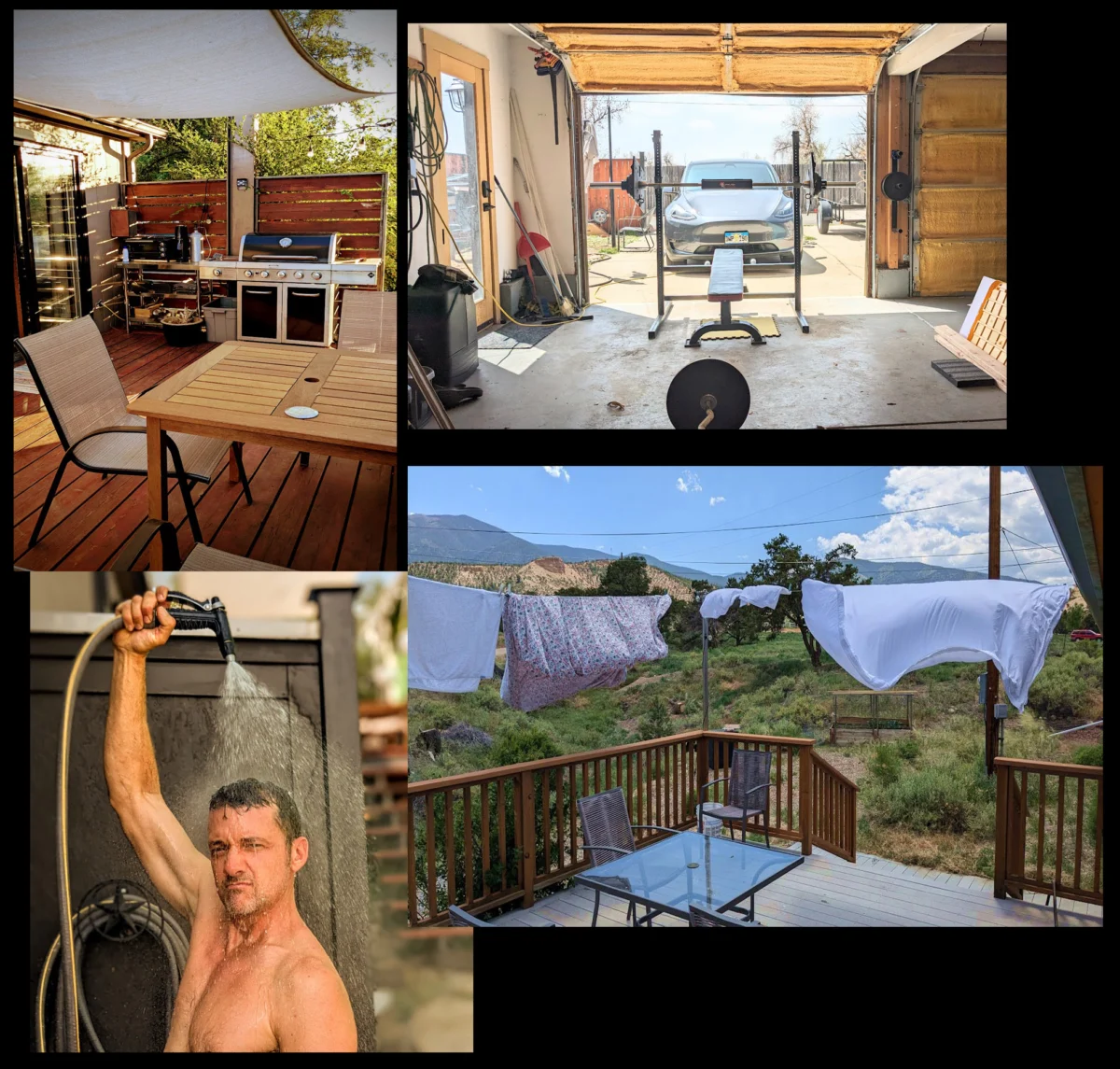
In the landscape of personal finance, few voices have been as polarizing or as persistent as Mr. Money Mustache (MMM). For over a decade, his blog has served as a beacon for the Financial Independence, Retire Early (FIRE) movement. However, as his personal wealth has grown and his lifestyle has evolved, a new narrative has emerged among his critics: the claim that he has become "rich and fancy," effectively disconnecting from the financial struggles of the average person.
Critics frequently argue that the "Mustachian" philosophy—centered on extreme frugality and self-reliance—is a relic of his early days, an act he no longer performs himself. Yet, a closer inspection of his current practices suggests that the core tenets of his philosophy remain not only intact but are more relevant than ever. The secret, he argues, is not a life of miserable sacrifice, but rather a deliberate shift in perspective: trading the "standard advice" of consumer-driven satisfaction for a culture of efficiency, self-awareness, and creative problem-solving.
The Core Philosophy: Mustachianism vs. Standard Financial Advice
To understand why the movement continues to gain traction, one must distinguish between the mainstream approach to wealth and the Mustachian methodology. Standard financial advice typically views spending as a fixed obstacle to be "managed" until a target savings rate is hit. In this view, if you earn more, you are encouraged to relax your constraints—leading to "FatFIRE" scenarios where the goal is simply to accumulate enough to maintain a high-consumption lifestyle.
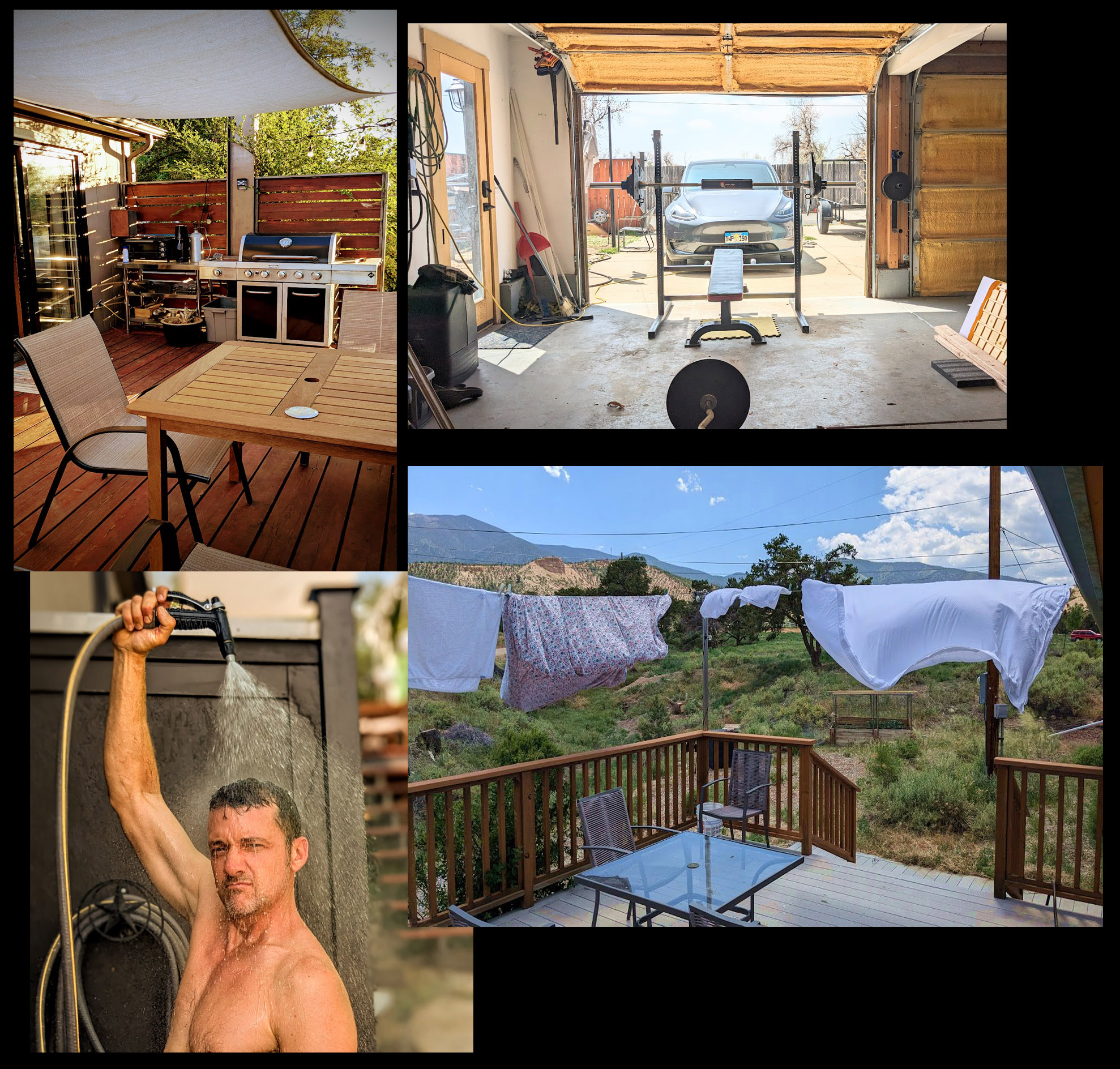
Conversely, Mustachianism views frugality not as a chore, but as an optimization process. It encourages followers to treat life like an engineering project. By cultivating a love for efficiency and skill-building, the "cost" of living drops naturally, not because the individual is suffering, but because they have replaced expensive, outsourced services with self-directed expertise and community-based solutions.

Chronology of a Lifestyle: From Frugality to Habitual Optimization
When Mr. Money Mustache first gained prominence, his focus was on rapid accumulation through extreme lifestyle reduction. Over the last twelve years, as his total wealth has grown, the "why" behind his habits has shifted from necessity to lifestyle design.
- The Early Years (Pre-2012): Focus on aggressive saving, debt elimination, and escaping the "work-spend-die" cycle.
- The Middle Years (2012–2018): Expansion of the community, codifying the principles of bicycle commuting and passive solar design.
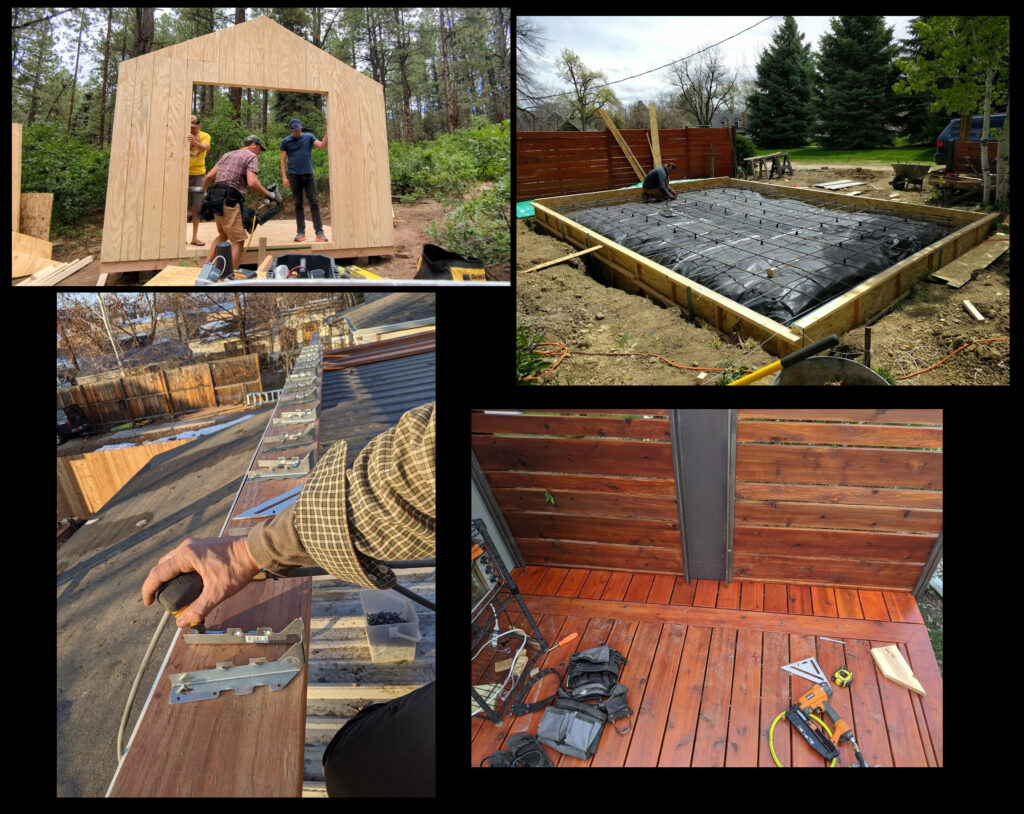
- The Current Era (2019–Present): A transition toward "lifestyle integration." The frugality is now baked into his identity. Projects aren’t done solely to save money; they are done because they are intellectually stimulating.
The recurring critique—that he no longer practices what he preaches—ignores the fact that these habits have become his baseline. He is not "trying" to be frugal; he is simply living a life that happens to be highly efficient.
Supporting Data: The "Rule of 172" and Compounded Impact
To quantify the impact of these choices, one must look at the long-term compounding effect. Mr. Money Mustache utilizes the "Rule of 172"—multiplying a monthly expense reduction by 172 to estimate the decadal growth if that money were invested.
Based on his current lifestyle, the savings are staggering:
| Activity | Annual Savings | 10-Year Compounded Savings |
|---|---|---|
| DIY Home Maintenance | $20,000 | $287,000 |
| Community/Marketplace Usage | $4,200 | $42,000 |
| Active Transport (Biking) | $1,400 | $14,000 |
| Muscle-Based Fitness | $10,000 | $140,000 |
| Energy Efficiency (Home) | $3,000 | $30,000 |
| Localized Living (Travel) | $10,000 | $143,000 |
| Total | $58,600 | $656,000 |
This $656,000 figure represents a significant portion of wealth that most Americans fail to capture over a lifetime, let alone a decade. By choosing to fix his own house, cycle to local engagements, and invest in physical labor rather than mechanized convenience, the financial return is objectively verifiable.
Official Perspective: The "Producer" Mindset
When questioned about the "fancy" lifestyle accusations, the response from the Mustachian camp is one of amusement. The criticism is viewed as a fundamental misunderstanding of the goal. The goal of the philosophy is not to stay poor; it is to retain the agility and freedom that wealth provides.

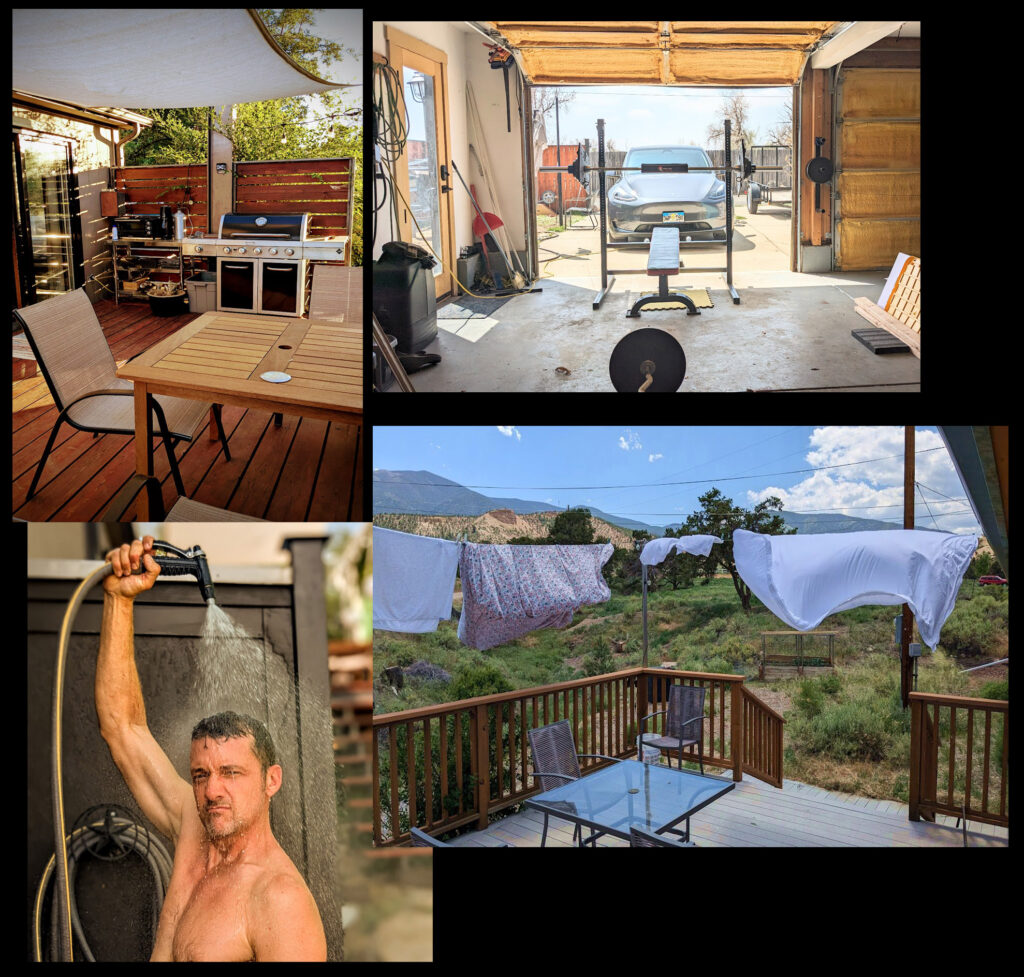
"I am a producer of the things I enjoy consuming," is the prevailing sentiment. By becoming a producer—whether that means fixing a leaky pipe, building a deck, or maintaining a bicycle—the individual regains power over their environment. This is the antithesis of the modern consumer who is beholden to contractors, service fees, and the immediate gratification of Amazon Prime.
Implications: The Psychological and Physical Dividend
The implications of this lifestyle extend far beyond the bank account.

1. The Health Dividend
The "Muscle over Motor" philosophy serves as a preventive healthcare strategy. By choosing to walk, cycle, or shovel snow, the individual maintains a level of physical engagement that is often lost in modern sedentary life. When factoring in the average American’s healthcare spending—often exceeding $13,000 per person annually—the "savings" of a healthy, active lifestyle are immense. The dividend is not just money, but longevity and vitality.
2. The Community Dividend
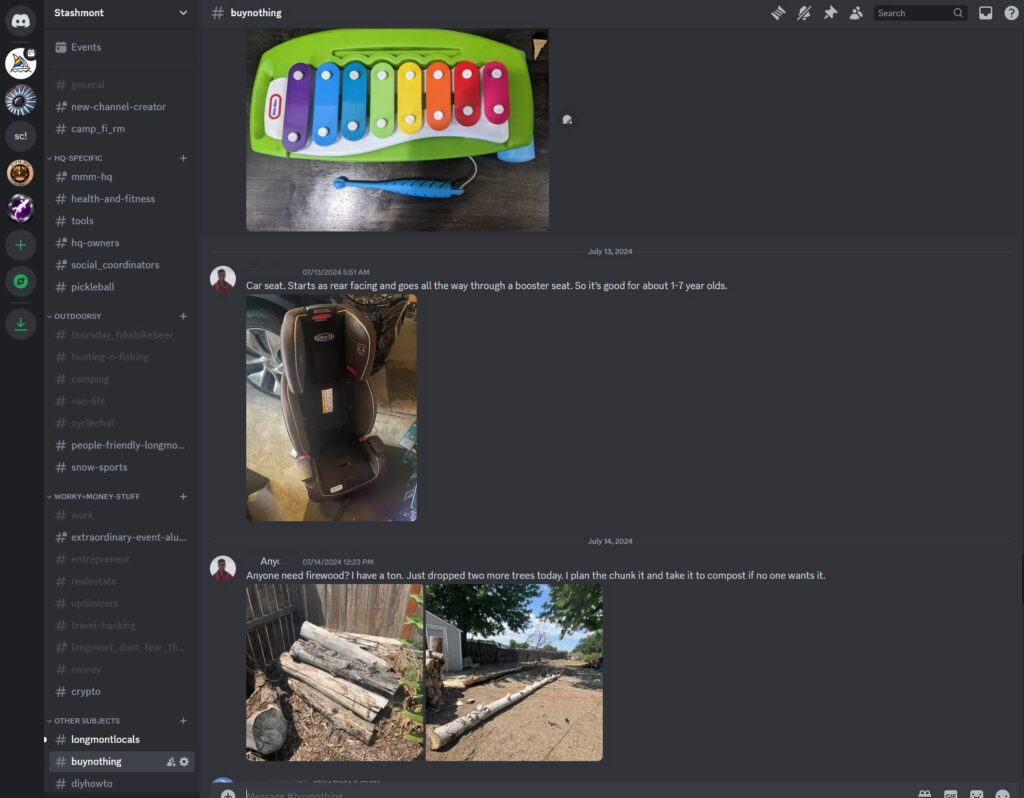
The shift toward community-based resource sharing (such as Buy Nothing groups and local Discord servers) creates social capital. When neighbors share tools, knowledge, and goods, they reduce the demand for new consumer products, which lowers individual carbon footprints and strengthens the social fabric. This is a form of wealth that cannot be measured in a brokerage account but provides a significant buffer against economic downturns.
3. The Time Dividend
Perhaps the most significant, yet least discussed, benefit is the reallocation of time. By opting out of the "vacation treadmill"—where families spend thousands of dollars to escape their daily lives—Mustachians focus on building a "home life" that is inherently fulfilling. When your daily environment is designed to be an "Energy Efficiency Playground," the urge to constantly travel or escape diminishes.
Conclusion: A Blueprint for the Future
The criticism leveled at Mr. Money Mustache often serves as a reflection of the critics’ own discomfort with the demands of the philosophy. It is easier to dismiss a lifestyle as "fancy" or "unrealistic" than it is to admit that one’s own consumer habits are choices, not requirements.

However, the numbers are clear. By applying engineering-level scrutiny to personal expenses, individuals can unlock hundreds of thousands of dollars over a decade. This is not about deprivation; it is about intentionality. Whether it is through the installation of passive solar windows, the repair of a neighbor’s fence, or simply choosing a bicycle over a car, the Mustachian way proves that the best life is often the one we build with our own hands.
As the movement looks toward the future, the challenge for followers will be to maintain this "producer" mindset in an increasingly "consumer-automated" world. The data proves the strategy works; the only remaining variable is the human will to engage with the world directly, rather than through the lens of a transaction. For those who can master this, the result is not just wealth, but a radical form of freedom that money alone can never purchase.

 Layla Zulfa
 Nana
Nana
 Laily UPN
 Iffa Jayyana
 Rifan Muazin
 Suro Senen
 Lina Hope
 Lina Irawan