
 Evan Lee Salim
The social media landscape has undergone a period of intense transformation between late 2024 and mid-2026. As platforms pivot toward AI-integrated workflows, stricter content moderation, and new monetization models, creators and businesses alike are navigating a rapidly evolving digital environment. This report synthesizes the most critical updates across Instagram, TikTok, LinkedIn, YouTube, X, and Threads, analyzing the shifting priorities of the industry’s giants.
1. The Pivot to Originality and AI Transparency
One of the most significant shifts in the last 18 months has been the platforms’ aggressive move to combat low-effort, aggregated content and prioritize transparency regarding artificial intelligence.

Instagram’s War on Aggregators
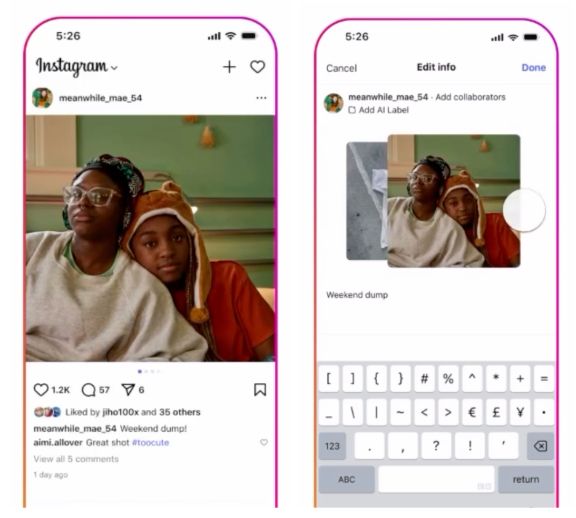
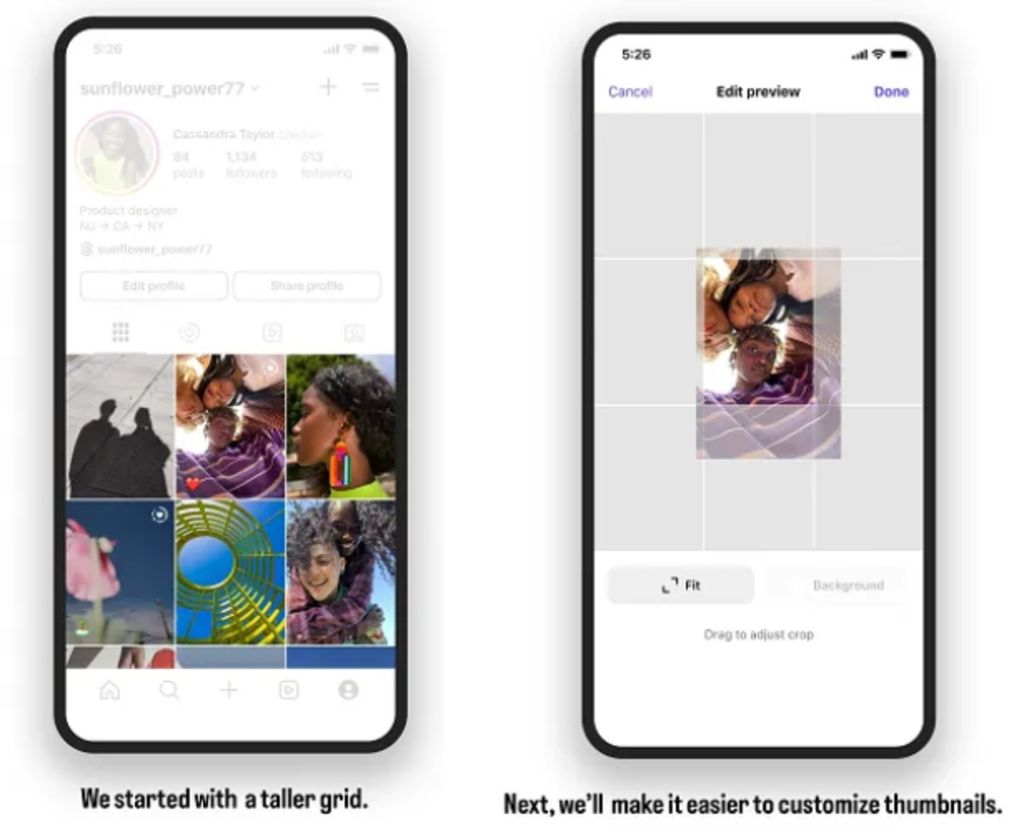
In May 2026, Instagram implemented one of its most consequential algorithm updates to date. The platform effectively throttled the reach of content aggregators—accounts that rely on "recycled" or reposted media. By extending Reels-based protection measures to photos and carousels, Instagram has signaled a clear mandate: if you didn’t create it, the algorithm will not prioritize it for non-followers. For creators, this reinforces the necessity of originality, with the platform providing "Account Status" tools to monitor compliance and appeal potential restrictions.
The Rise of AI Creator Labels
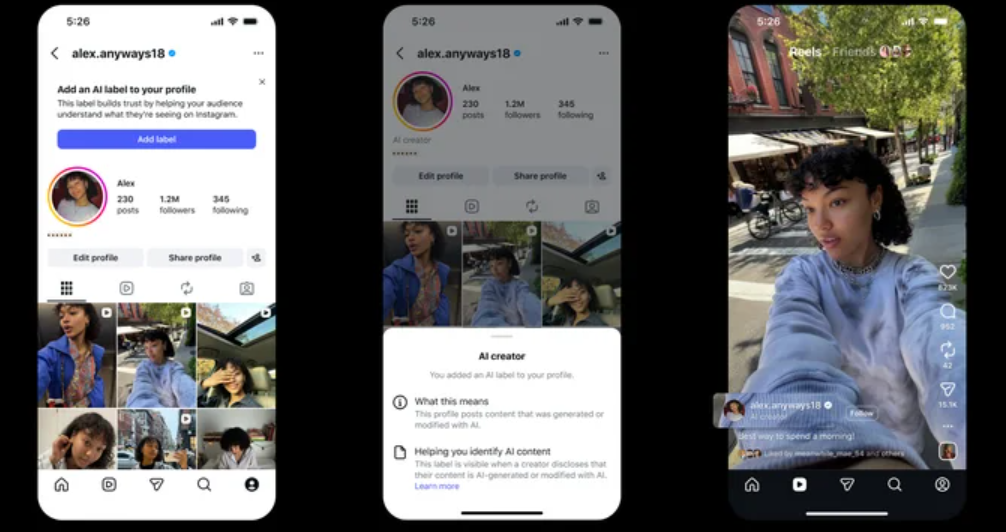
As AI-generated imagery and video become indistinguishable from reality, Instagram has begun testing profile-level "AI Creator" labels. Unlike previous post-specific tags, this feature flags a creator’s entire profile, providing a high-level disclosure to the audience. While currently optional, this indicates that Meta is moving toward a more transparent ecosystem where a user’s reliance on generative tools becomes a core part of their digital identity.
2. Chronology of Major Platform Developments
To understand the trajectory of these changes, we must look at the timeline of key feature rollouts.
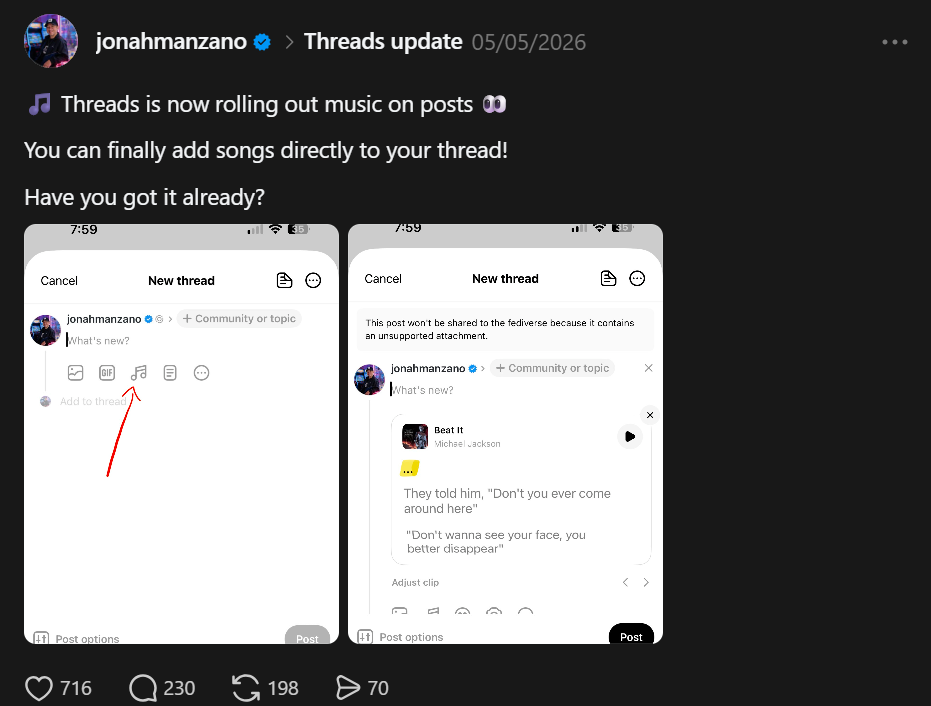
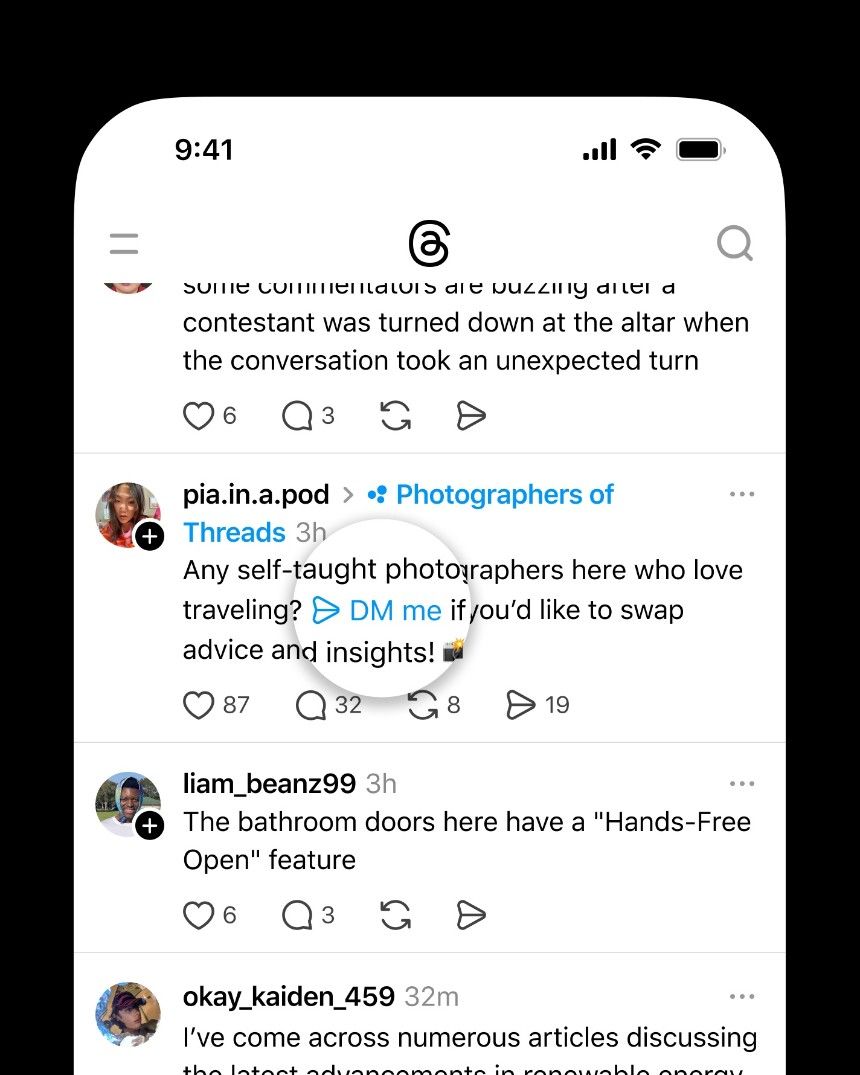
- Late 2024–Early 2025: The period began with a focus on core infrastructure. Snapchat expanded chat retention to seven days, while Threads focused on basic user experience improvements like post scheduling and custom display names.
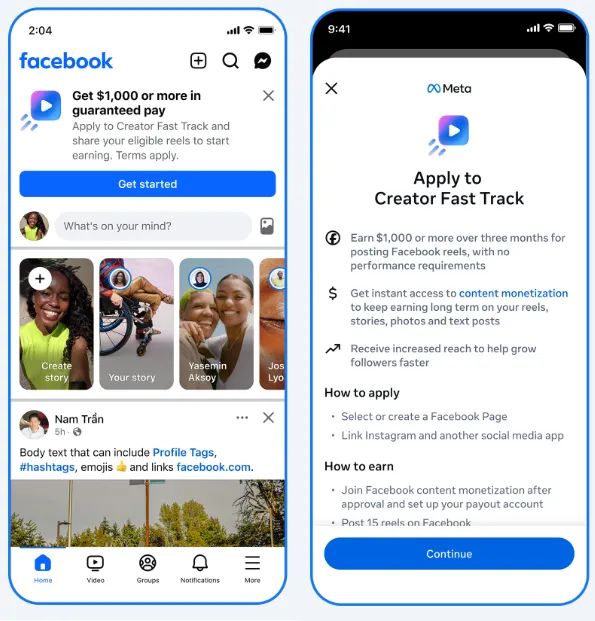
- Spring 2025: A wave of creative innovation hit. Instagram tested password-protected Reels, and TikTok introduced "AI Alive," an image-to-video tool. Meanwhile, Facebook began re-integrating personal connections with a dedicated "Friends" tab, a clear retreat from the pure algorithm-driven feeds that defined the early 2020s.
- Summer 2025: The "Creator Economy" saw a boost with Instagram’s "Celebrations" and "Recaps" features. TikTok launched "TikTok One" to replace the Creator Marketplace, signaling a move toward more integrated brand-creator research tools.
- Autumn 2025: The industry leaned heavily into AI. Meta launched "Vibes," a standalone AI video feed, while Pinterest introduced filters to allow users to opt-out of GenAI content in their feeds.
- Early 2026: Consolidation and specialization became the theme. LinkedIn launched its Ads Agency Certification, and YouTube began muting push notifications from inactive channels to improve user retention and notification hygiene.
3. Supporting Data and Platform Performance
The transition to these new features has been driven by both user demand and market pressure.
Ad Performance and Awareness
Meta’s introduction of "Reels Trending Ads" has shown promising results. Data from internal testing suggests that these AI-driven placements—which target content where attention is already peaking—can increase unaided brand awareness by up to 20%. This suggests that the future of advertising is not just "placement" but "cultural timing."
The Cost of Regulatory Uncertainty
The looming potential ban on TikTok in the United States served as a cautionary tale for the industry. TikTok’s own internal data warned that small businesses and creators could lose a collective $1.3 billion in revenue within a single month if the ban were to be enacted. This figure highlights the massive economic dependency that creators now have on centralized social platforms.
4. Official Responses and Industry Shifts
The "Vine" Legacy and Human-Only Content
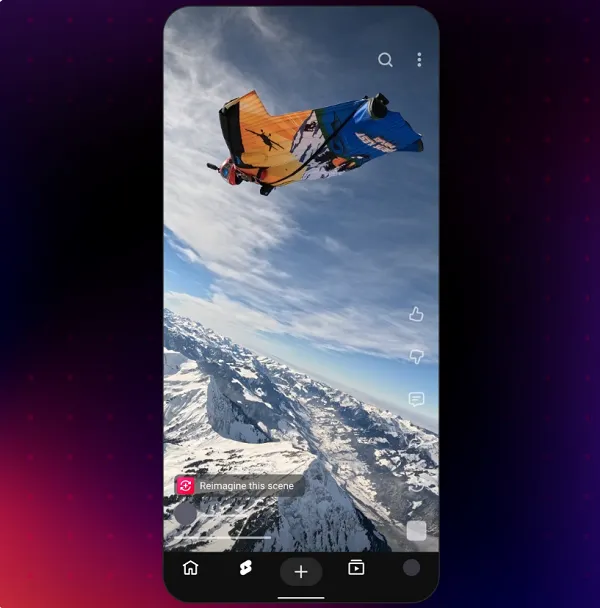
In a move that surprised market analysts, the successor to the defunct app Vine, titled diVine, launched in late 2025 with a strict "No AI" policy. Utilizing verification technology from the Guardian Project, the app validates that content is recorded on an actual physical device. This represents a "human-first" counter-movement against the rising tide of synthetic media.
The BuzzFeed "Island" Manifesto
BuzzFeed’s attempt to build its own platform, Island, serves as a symbolic response to the industry’s direction. CEO Jonah Peretti’s manifesto specifically critiqued the current state of social media, stating: "The platforms don’t care or understand content, and they have all surrendered to a depressing form of AI-powered recommendation." While the success of such niche, creator-led platforms remains to be seen, the sentiment reflects a growing dissatisfaction among publishers.
5. Strategic Implications for Creators and Marketers
The developments of the last year and a half suggest three clear pillars for success in the 2026 social landscape:
- Verification as Currency: With the rise of AI-detection tools (such as YouTube’s likeness detection) and "human-made" mandates (as seen in diVine), verifying one’s identity and the authenticity of content is no longer optional—it is a competitive advantage.
- Algorithm Hygiene: The days of "spray and pray" posting are over. Features like Instagram’s retention charts and LinkedIn’s expanded newsletter analytics mean that creators must now be data scientists. Understanding exactly when a user drops off a video is essential for adjusting the pacing of content to match modern attention spans.
- Community Over Reach: Platforms are pivoting away from purely viral, interest-based discovery toward deeper, community-based interaction. The return of the "Friends" tab on Facebook and the rise of "Bulletin Boards" on TikTok demonstrate that the "social" in social media is being prioritized again.
Conclusion
As we look toward the remainder of 2026, the platforms are clearly drawing a line in the sand. On one side, we have the drive for automated, AI-augmented, and highly-targeted ad environments. On the other, we see a resurgence in the desire for authentic, human-centric connection. For the professional creator or marketer, the strategy is clear: leverage the AI tools to streamline your production, but double down on the human elements of your brand that the algorithms—and the platforms—are now desperate to protect.
The "broken" internet that many industry leaders decried in early 2025 is undergoing a messy, complex repair. The winners in this new era will be those who can balance the efficiency of machine-led growth with the irreplaceable value of authentic, human-verified storytelling.

 Reynand Wu
 Iffa Jayyana
 Raul Delapena Setiawan

 Sagoh
Sagoh

 Azzam Bilal Chamdy
 Ali Ikhwan