
 Sagoh
Sagoh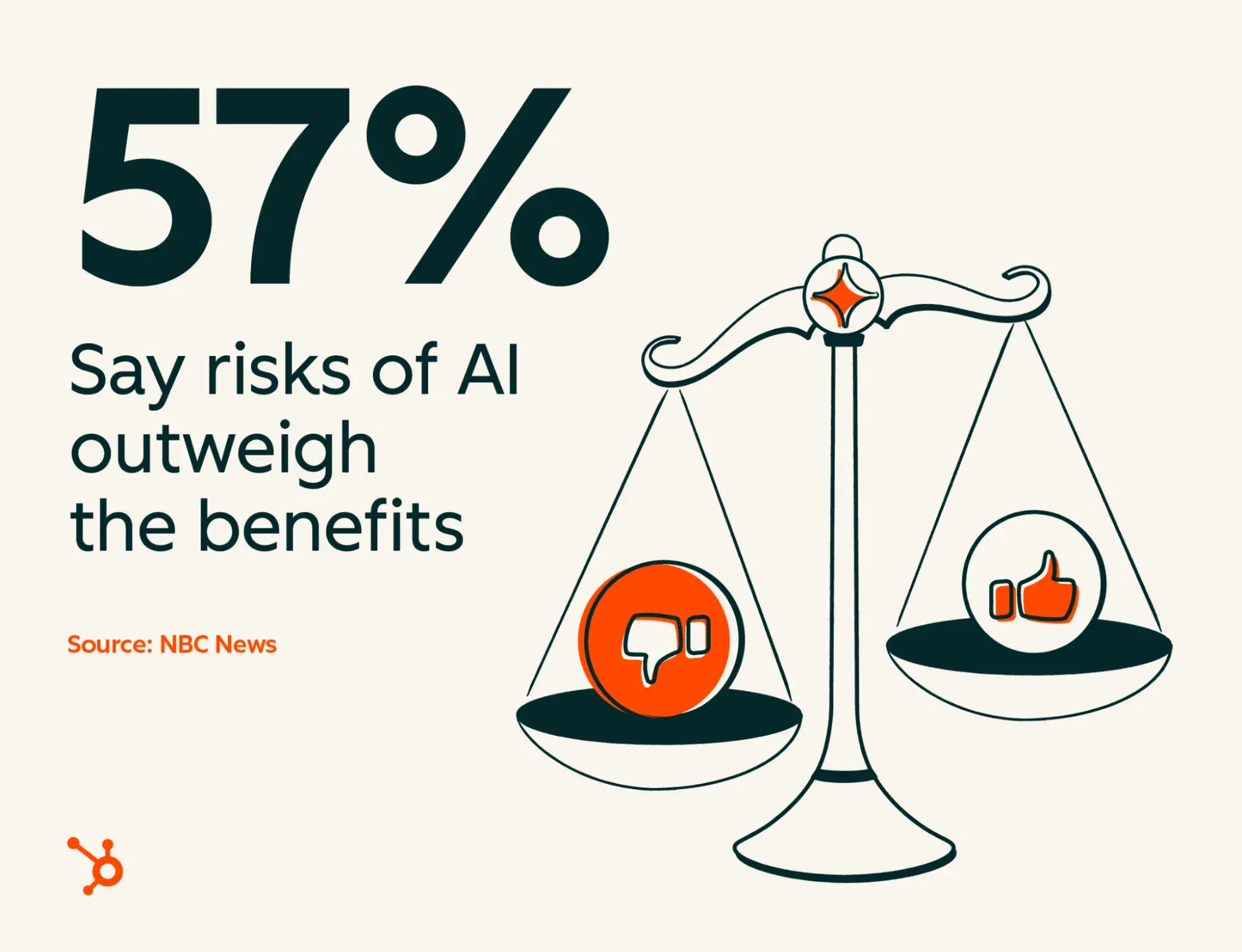
The narrative surrounding Artificial Intelligence has reached a fever pitch. For the past three years, the discourse has been dominated by a singular, often aggressive, vision: AI as a disruptive force destined to replace human labor, dismantle legacy software stacks, and prioritize "token-maxxing"—the relentless pursuit of maximizing AI output regardless of cost or business utility.
However, a chasm is widening between the utopian (and sometimes dystopian) projections of Silicon Valley venture capitalists and the pragmatic requirements of business leaders. As the initial excitement of the generative AI boom settles, C-suite executives and small-to-medium business (SMB) owners are shifting their focus from the "what" of AI to the "how." They are no longer asking how they can simply adopt the technology; they are asking how they can measure its ROI, ensure its reliability, and use it to augment, rather than replace, their human talent.
The Disconnect: Activity vs. Reality
In the current tech landscape, a dangerous conflation has emerged: the confusion of motion with progress. The industry is rife with tools that automate research, summarize meetings, and draft emails. While these capabilities are undeniably helpful, they represent "activity"—not outcomes.
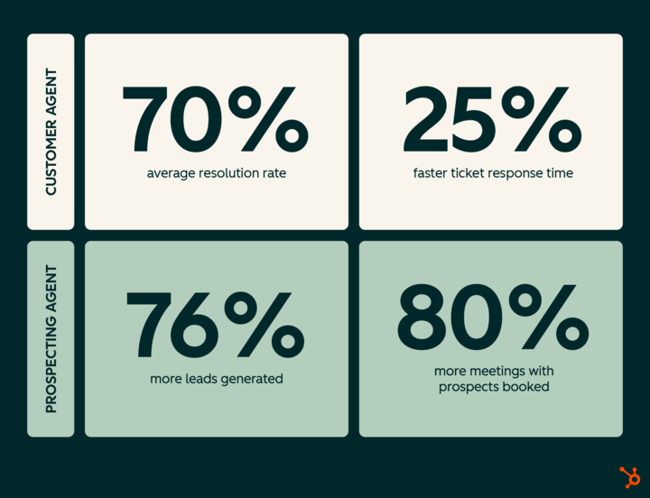
Industry analysts and leadership at companies like HubSpot argue that activity, when detached from a clear business goal, is merely "AI theater." The real differentiator is not how many prompts a company can run, but how those prompts translate into tangible business metrics. For example, organizations leveraging sophisticated AI agents are seeing marked improvements in operational efficiency—such as 25% faster ticket resolution times and a 76% surge in lead generation. This marks a shift from experimental AI to outcome-based utility, where pricing models are finally beginning to reflect value delivered rather than volume consumed.
A Chronology of the AI Maturity Curve
To understand where we are, we must look at the trajectory of AI integration over the last 36 months:
- Phase 1: The Novelty Era (2021–2022): The industry was characterized by the "demo effect." Companies raced to showcase models that could write code or generate images, focusing on the sheer possibility of the technology rather than its application.
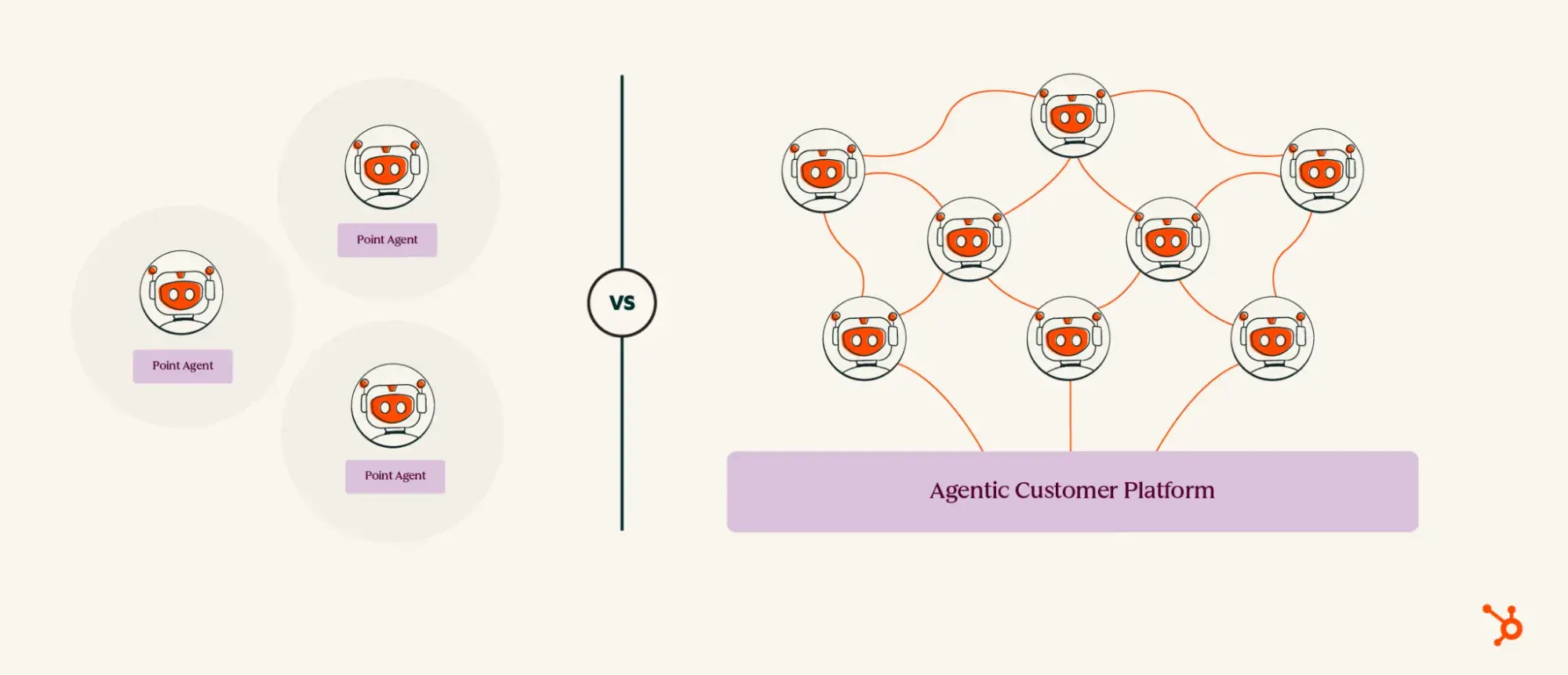
- Phase 2: The Prototyping Wave (2023): Developers and early adopters began building single-purpose point solutions. This led to a fragmented ecosystem of "agents" that could perform one specific task but failed to communicate with the broader business infrastructure.
- Phase 3: The Integration Crisis (Early 2024): Businesses realized that piling up disconnected AI tools created "data silos." Without a unified customer view or clean data hygiene, these point solutions often caused more friction than they resolved.
- Phase 4: The Outcome-Focused Pivot (Late 2024–Present): The current landscape is defined by a flight to quality. Businesses are demanding cohesive platforms that integrate AI into existing workflows, prioritizing data context and human-in-the-loop governance.
The Fallacy of "Democratization"
A recurring theme in tech marketing is that AI is democratizing enterprise capability. However, a deeper look reveals that the current roadmap is written for the "Fortune 500"—the only entities with the resources to employ armies of "forward-deployed engineers" to force-fit AI models into their legacy systems.
For the "Future 5000"—the mid-market companies that serve as the backbone of the economy—this model is inaccessible. Small and midsize businesses cannot afford to rebuild their entire data architecture or hire specialized teams just to make a chatbot work. True democratization will not arrive until AI is delivered through integrated platforms that do not require an engineering overhaul to function. When the industry claims "AI is for everyone," it is ignoring the reality that, currently, it is primarily for those who can afford to lose money while tinkering.
Economic Realities: The Conflict of the "Meter"
One of the most overlooked aspects of the current AI boom is the fundamental misalignment between AI vendors and their customers. Many vendors are incentivized to keep the "meter running." Because their revenue is tied to token consumption, they are financially rewarded for inefficiency.
This creates a perverse incentive structure:
- The Vendor: Wants the customer to use as many tokens as possible to maximize revenue.
- The Customer: Wants to achieve a specific business outcome (e.g., closing a sale or resolving a support ticket) with the fewest resources possible.
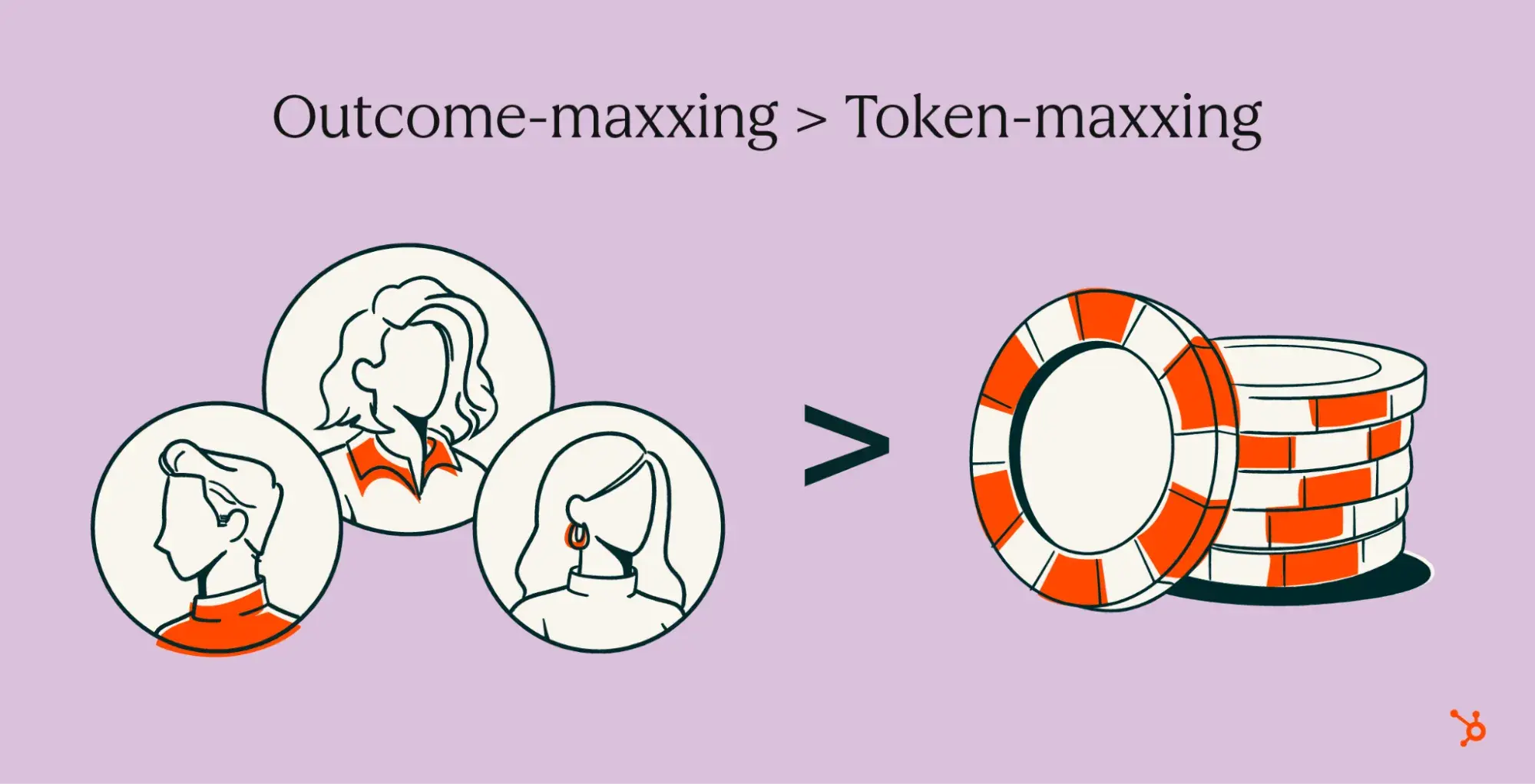
To bridge this, the industry must transition toward "outcome-maxxing." This involves moving away from activity-based billing and toward models where the vendor’s success is directly tied to the client’s success. If the technology isn’t making the business more profitable or efficient, the vendor should not be profiting from the volume of the activity.
The Human Imperative: Augmentation Over Autonomy
Perhaps the most contentious point of the current debate is the role of human workers. The prevailing narrative in Silicon Valley often frames AI as a replacement for human headcount. This narrative, while potentially appealing to certain segments of Wall Street, is proving to be a liability on "Main Street."
Data suggests that public sentiment is increasingly wary of this approach, with 57% of voters indicating that the risks of AI currently outweigh the benefits. Companies that view their employees as "line items to be subtracted" are losing the war for talent and, eventually, the trust of their customer base.
The most successful AI implementations are those that view the technology as an "exoskeleton" for human workers—empowering them to do more, rather than replacing them. AI can handle the repetitive, high-volume tasks, freeing humans to focus on what AI cannot replicate: trust, nuanced judgment, and genuine relationship-building.
Redefining Trust in the Age of Agents
The industry is currently obsessed with "Trust" as a marketing buzzword. However, most companies define trust through a narrow lens: SOC 2 compliance, data privacy policies, and enterprise SSO. While these are necessary prerequisites, they are merely "table stakes."
True trust goes beyond a privacy policy; it is a business posture. It includes:
- Model Governance: Being transparent about why specific models are chosen for specific tasks.
- Reliability: Ensuring that AI agents function consistently under stress.
- Cost Predictability: Removing the anxiety of "token-maxxing" by providing clear, outcome-based pricing.
Customers aren’t just asking "Will you protect my data?" They are asking "Can I trust you to build a system that works, doesn’t break my workflow, and doesn’t trap me in a perpetual cycle of rising costs?"
Implications for the Future
The path forward for AI is one of consolidation and integration. The era of "point-solution sprawl" is coming to a close. Moving forward, the winners in the AI space will be those that:
- Prioritize Context: Building systems where data, workflows, and AI agents share a common, unified language.
- Align Incentives: Moving away from the "token-meter" model toward pricing that rewards efficiency and business outcomes.
- Human-Centric Design: Treating AI as a tool to amplify human potential, not as a replacement for the human element.
For business leaders, the message is clear: stop chasing the hype of autonomous agents and start looking for the systems that fit into your existing, hard-earned infrastructure. The companies that successfully navigate the next decade will not be the ones that spent the most on AI, but the ones that built the most coherent, reliable, and human-empowering systems. The future of AI is not about the "intelligence" of the model; it is about the wisdom of the application.


 Siti Muinah
 Nila Kartika Wati

 Jia Lissa
 Basiran


 Lina Hope