
 Azzam Bilal Chamdy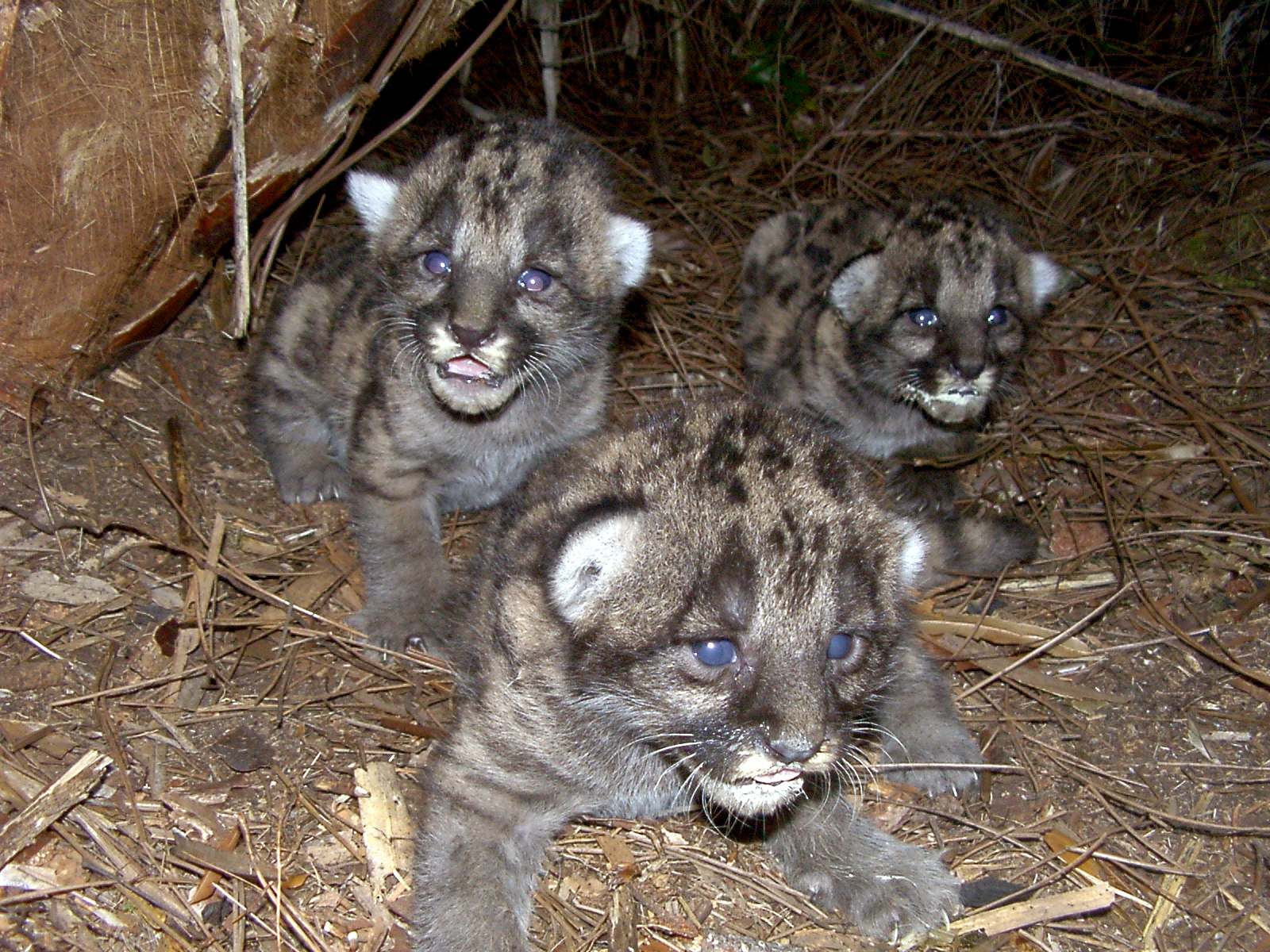
Once hailed by the Supreme Court as “the most comprehensive legislation for the preservation of endangered species ever enacted by any nation,” the Endangered Species Act (ESA) has served as the bedrock of American biodiversity conservation since its passage in the Nixon era. For over fifty years, the law has prevented the permanent extinction of nearly 300 U.S. species, from the majestic bald eagle to the resilient American alligator. However, a seismic shift in federal policy is currently underway, threatening to dismantle the regulatory framework that has kept these species from the brink.
The Foundation of Protection: "Take" and "Harm"
The efficacy of the ESA has always rested on the specific interpretation of two pivotal terms: "take" and "harm." Under the original regulatory interpretation, "taking" an animal was broadly defined to criminalize any action that would “harass, harm, pursue, hunt, shoot, wound, kill, trap, capture, or collect” at-risk species. Crucially, the definition of "harm" encompassed the degradation of critical habitat, acknowledging that a species cannot survive if its home is destroyed, even if the animal itself is not directly struck by a human hand.
These definitions provided the U.S. Fish and Wildlife Service (USFWS) and other federal agencies with the legal teeth necessary to force project developers to consult with authorities before breaking ground on projects that might jeopardize a listed species’ survival.

Chronology of a Regulatory Retreat
The current crisis began last month when the Trump administration finalized a series of rule changes that fundamentally alter the reach of the ESA. The administration has determined that the razing of habitats where threatened and endangered species breed, feed, and shelter will no longer be subject to federal penalties. Furthermore, in an internal memo, the administration reinterpreted the statutory definition of "take," limiting it to instances of intentional killing.
This pivot represents a radical departure from decades of precedent. Legal experts note that this interpretation effectively immunizes industrial development, infrastructure projects, and large-scale agriculture from liability for the incidental destruction of habitats. In response, a coalition of nearly two dozen attorneys general has filed suit, arguing that these changes violate the spirit and letter of the original 1973 law.
The Frontline: Species at Risk
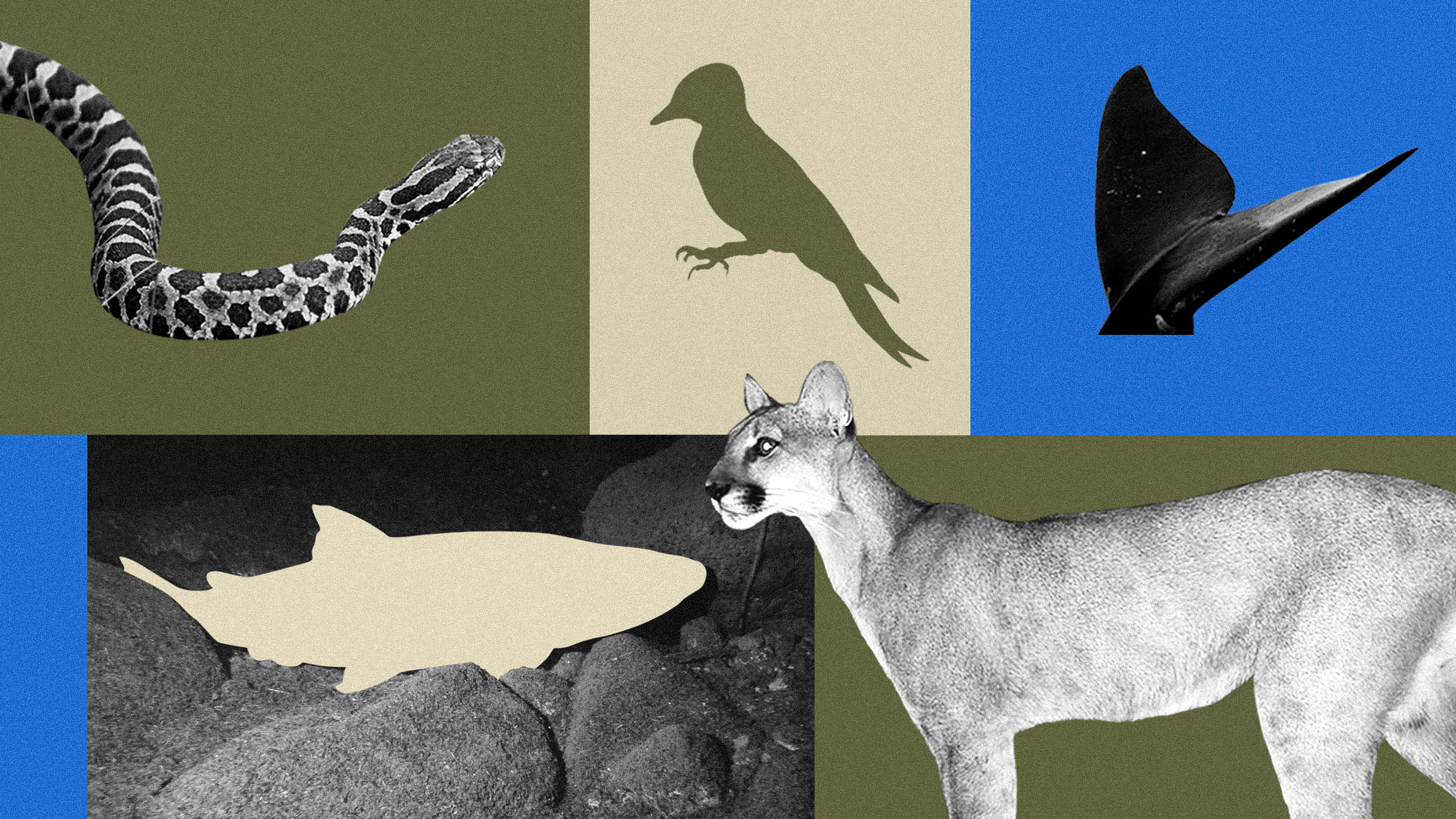
The implications of these changes are not merely academic; they are already being felt across diverse ecosystems.
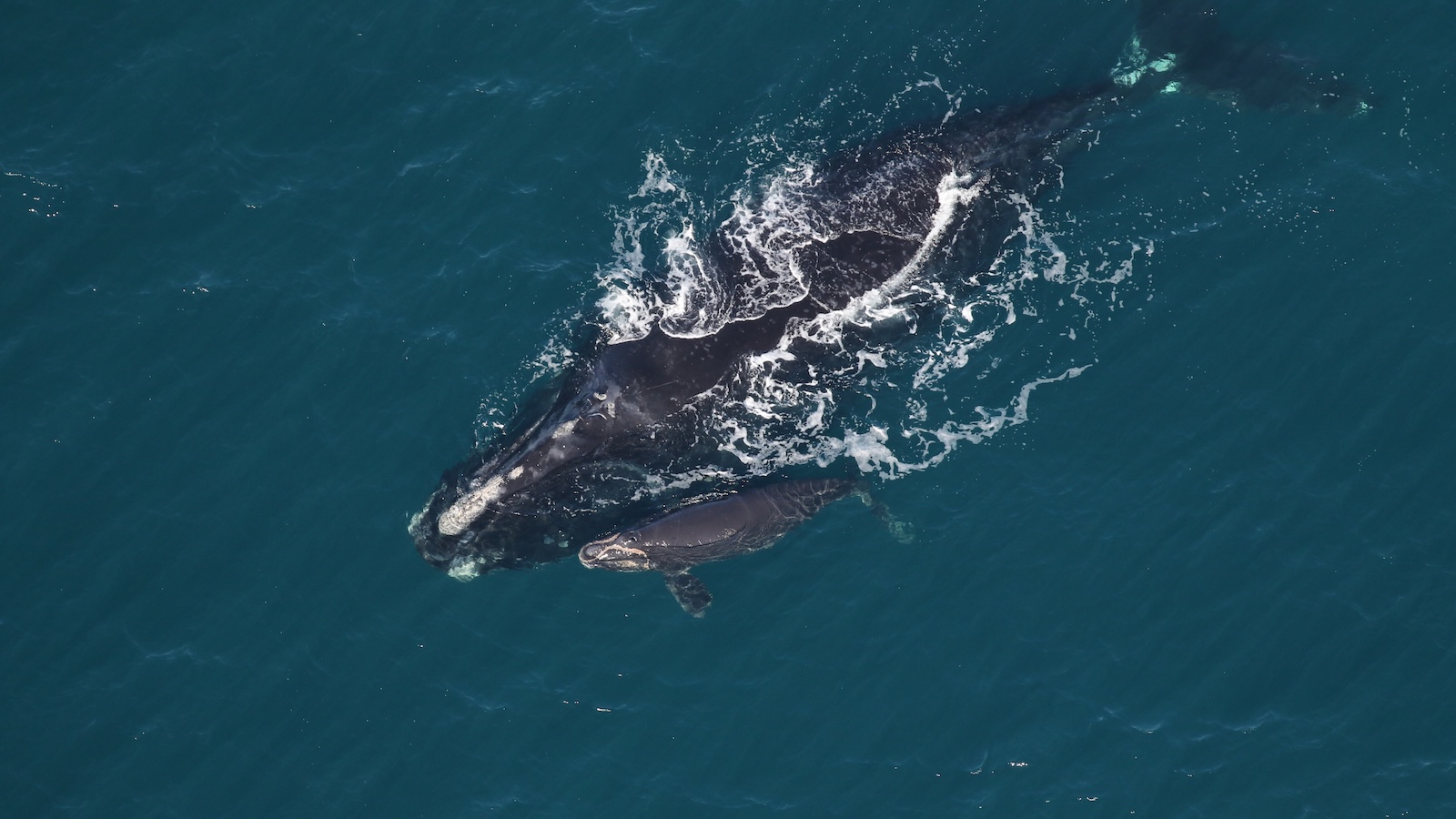
North Atlantic Right Whale
With only about 380 individuals remaining—and a mere 70 breeding females—the North Atlantic right whale is in a race against time. Their primary causes of mortality are vessel strikes and entanglement in fishing gear. By restricting the definition of "take" to intentional acts, the administration creates a loophole that experts argue will make it nearly impossible to enforce mandatory speed restrictions or migratory route protections. As Delcianna Winders of the Vermont Law and Graduate School notes, "They can now say, ‘Look, we can’t have speed limits under the law because it only applies to intentional direct activities.’"
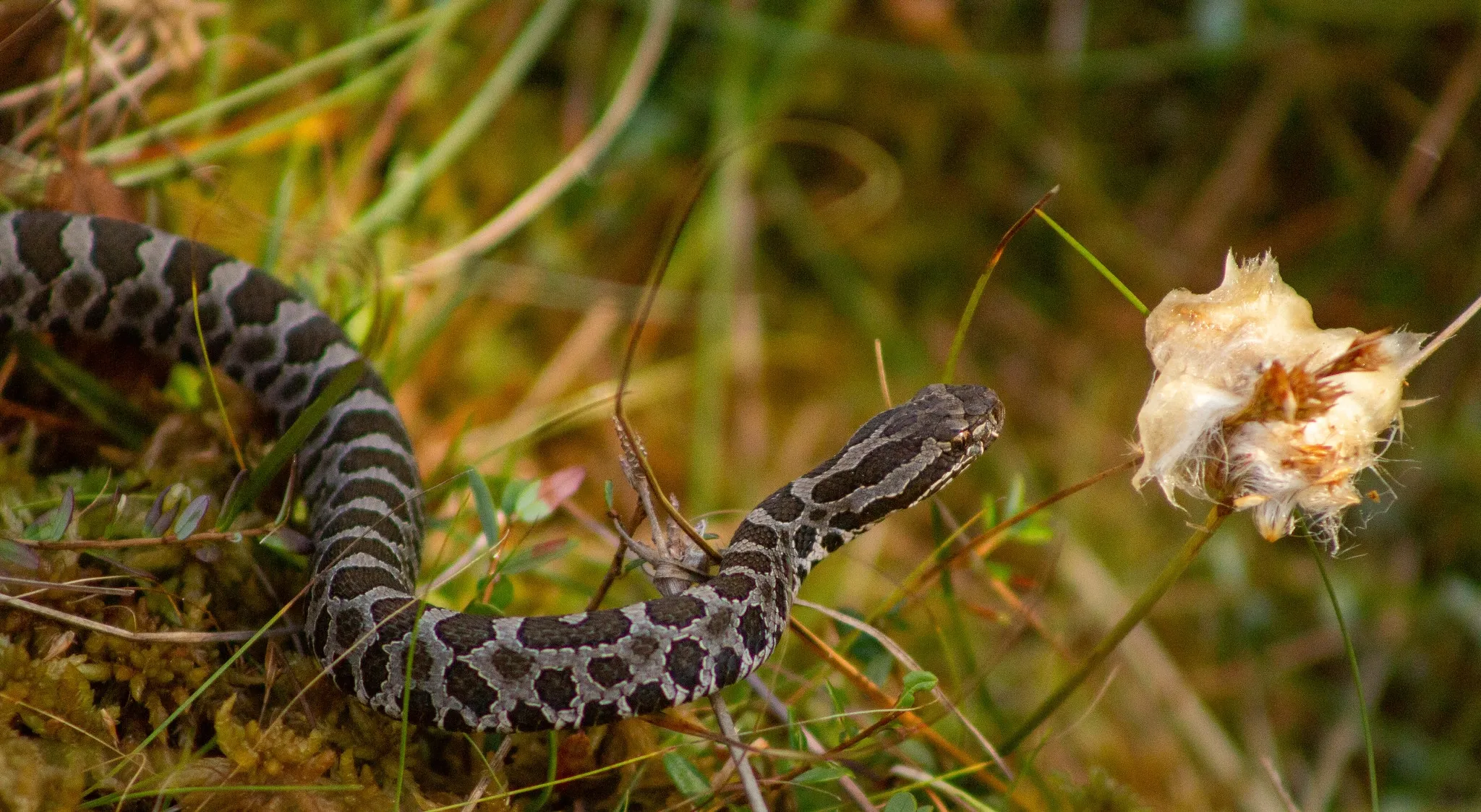
The Eastern Massasauga Rattlesnake
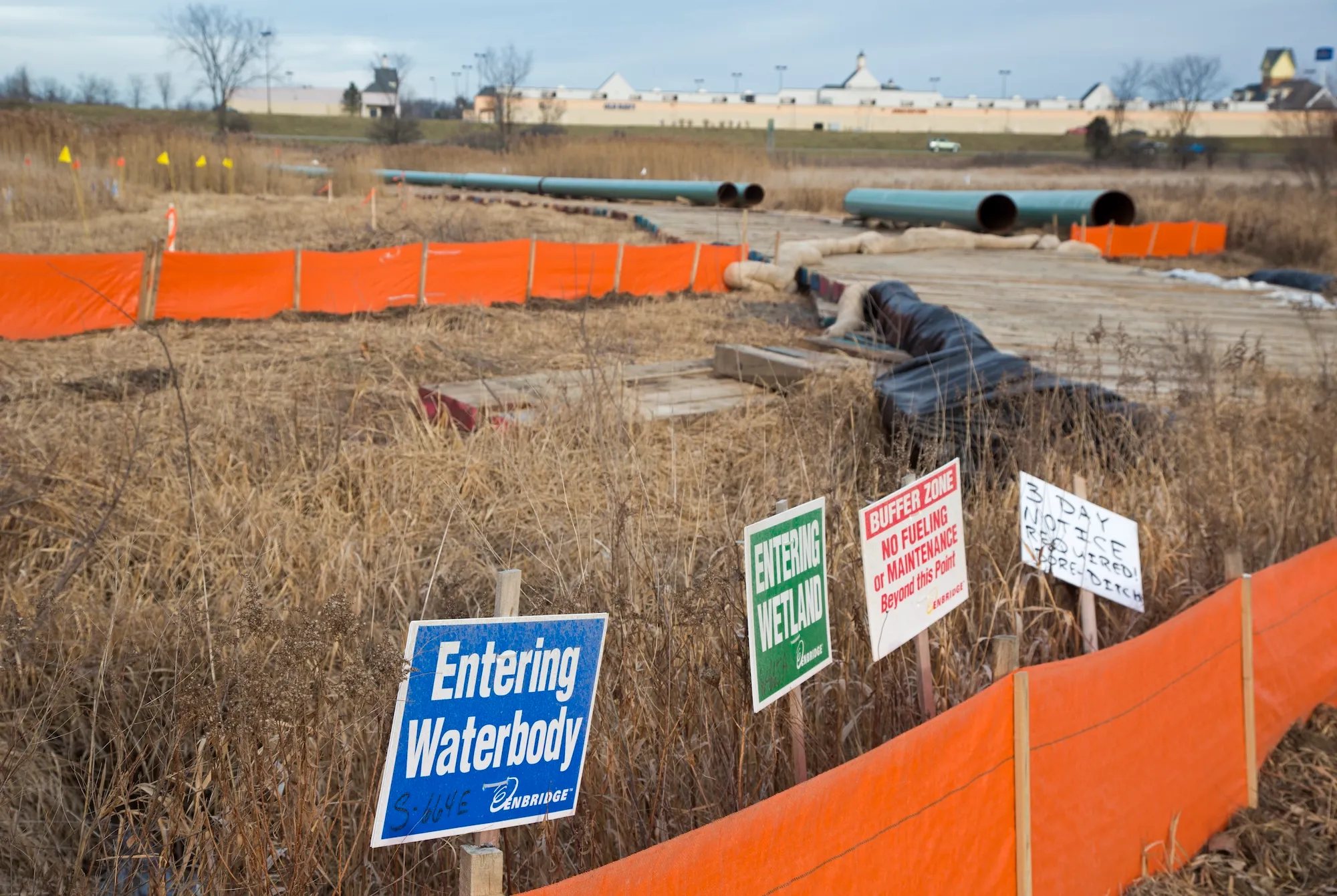
In the Midwest, the Eastern massasauga rattlesnake, a shy, swamp-dwelling species, faces increased fragmentation of its wetlands. Because federal protections were the primary backstop against development in these areas, the removal of habitat-harm definitions leaves the snake vulnerable to pipeline construction and land drainage that, while not "intentionally" killing the snakes, inevitably destroys their capacity to reproduce and thrive.
The Bull Trout
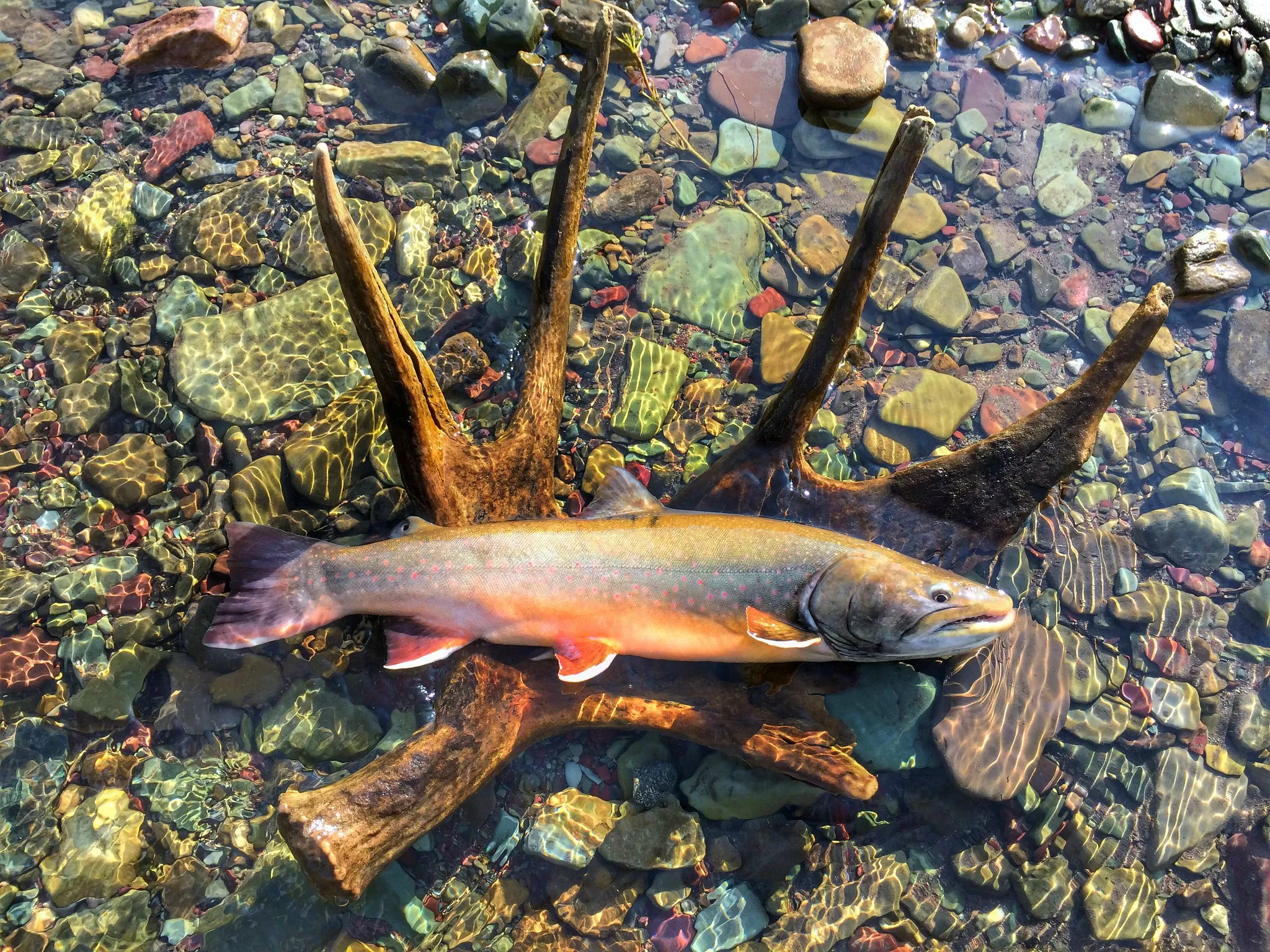
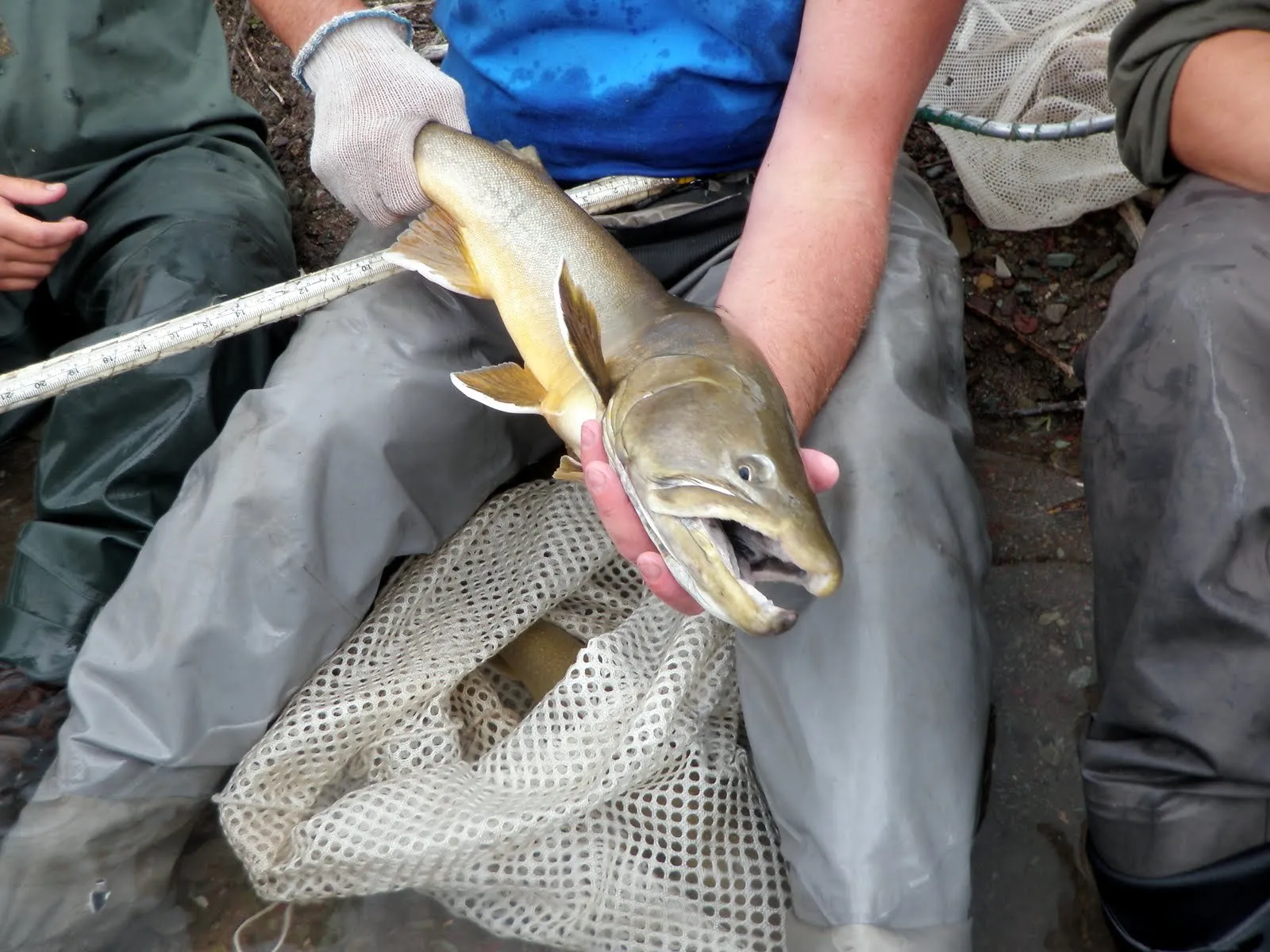
As an "alpine canary in a coal mine," the bull trout requires cold, pristine waters to survive. The administration’s concurrent push to open roadless areas in national forests to motorized recreation and industrial logging poses an existential threat to these fish. Sediment runoff from new roads smothers spawning gravels, and without the ability to legally challenge habitat destruction under the "harm" clause, conservationists are losing their most effective tool to stop stream degradation.
The Florida Panther
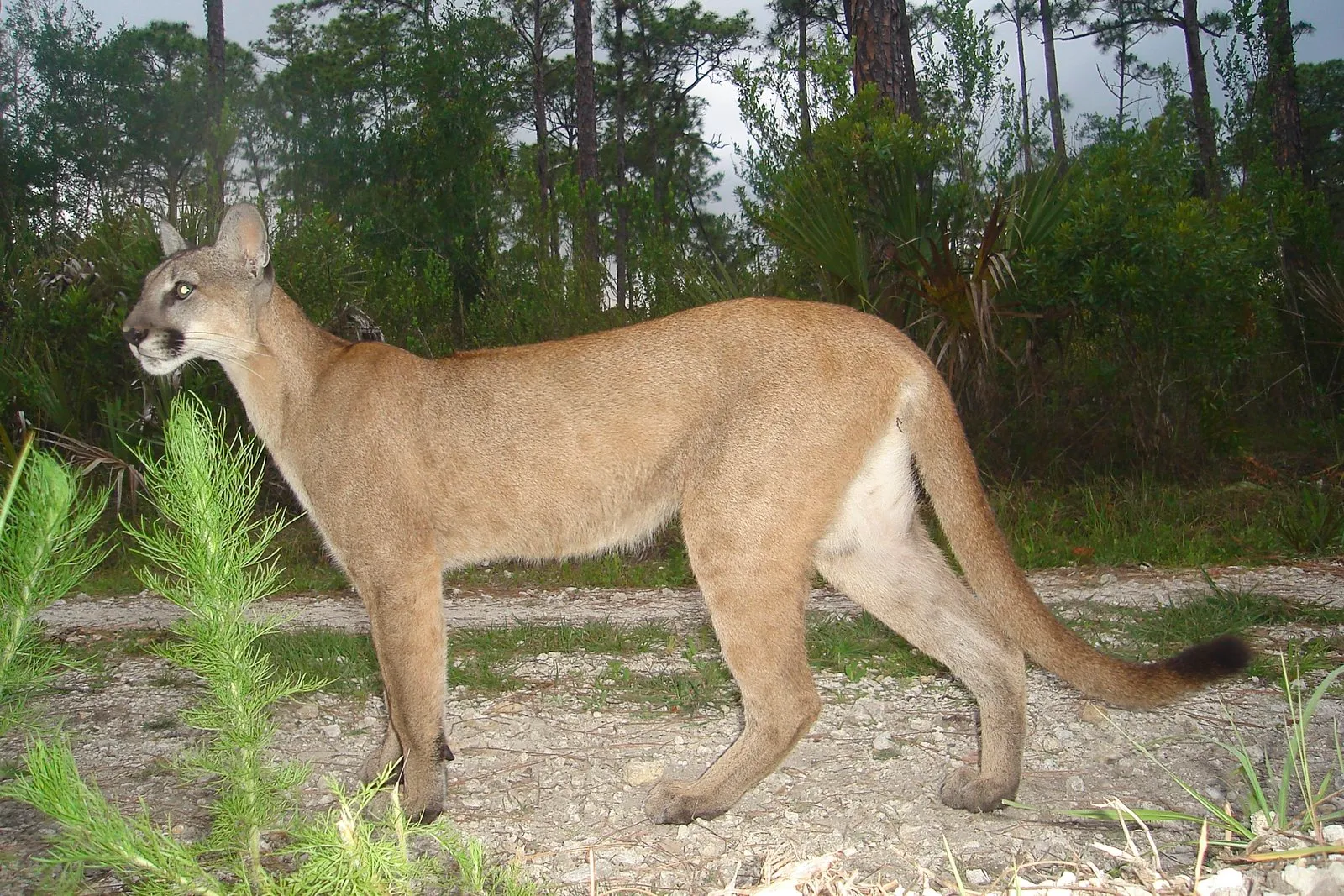
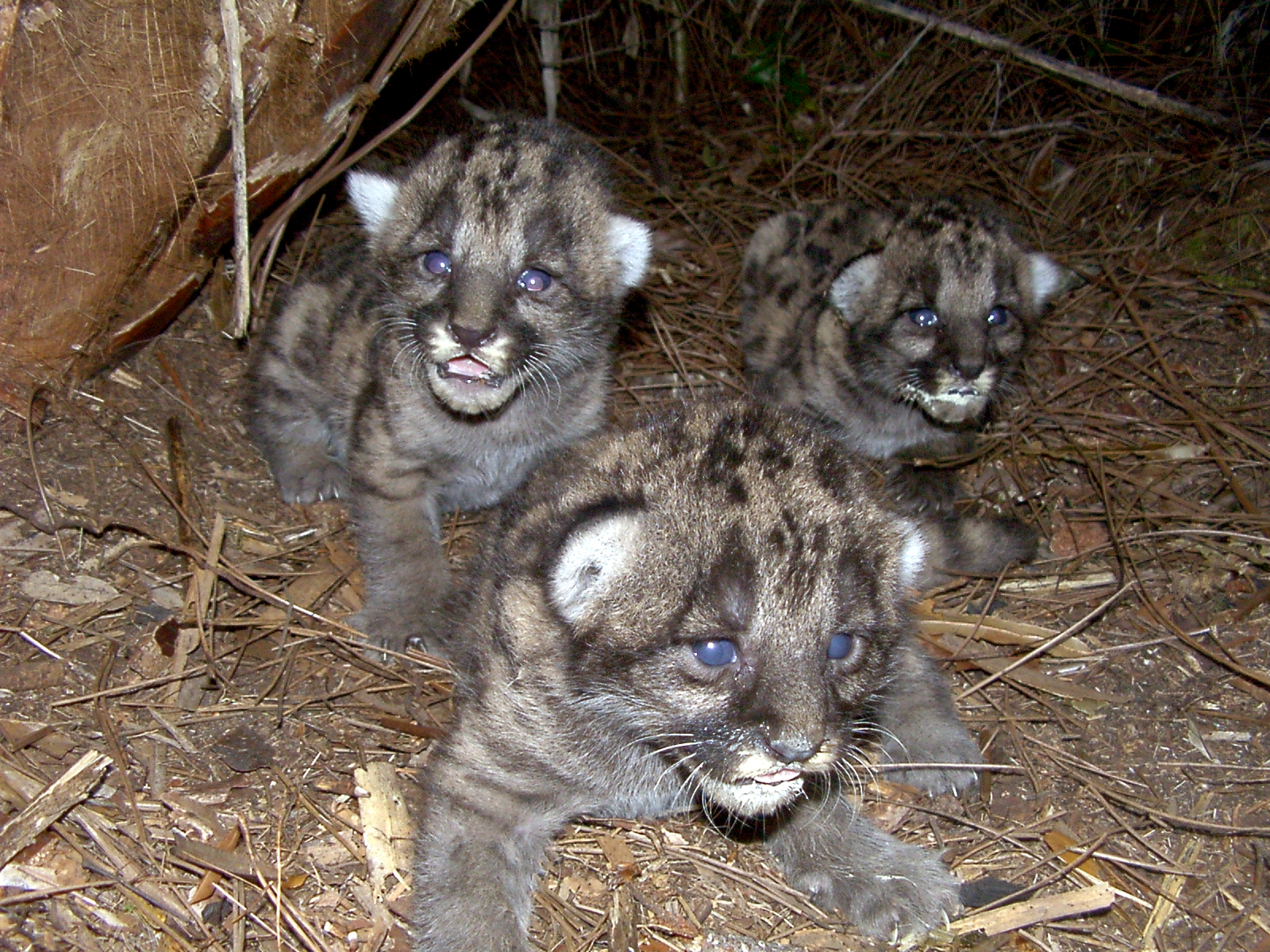
Recovering from a low of just a few dozen individuals, the Florida panther population is slowly expanding. However, with vehicle collisions as the leading cause of death, the species requires connected corridors to survive. As the state’s population booms, the new federal rules may allow developers to bypass the rigorous environmental impact assessments that once safeguarded these essential travel routes.
The Palila
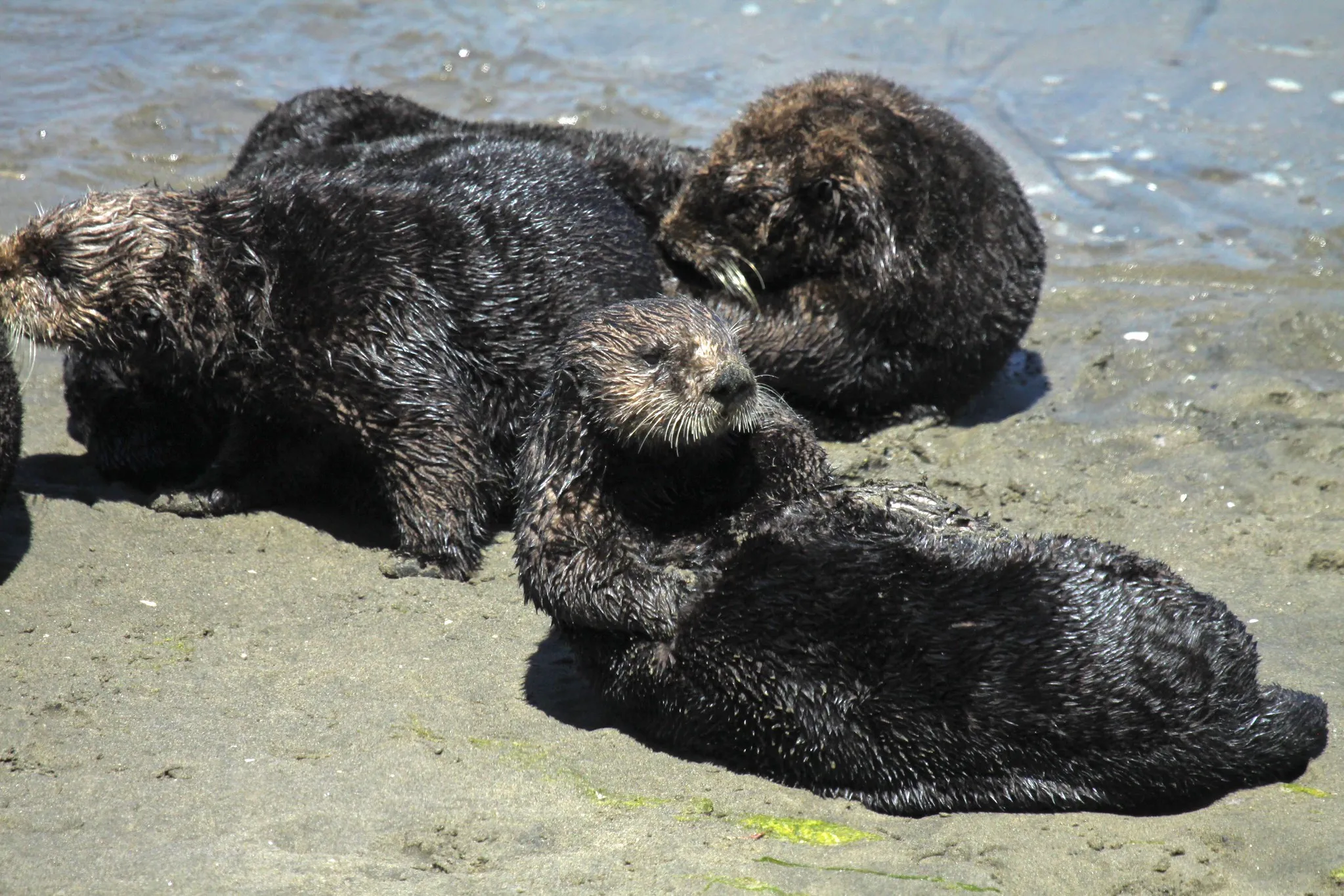
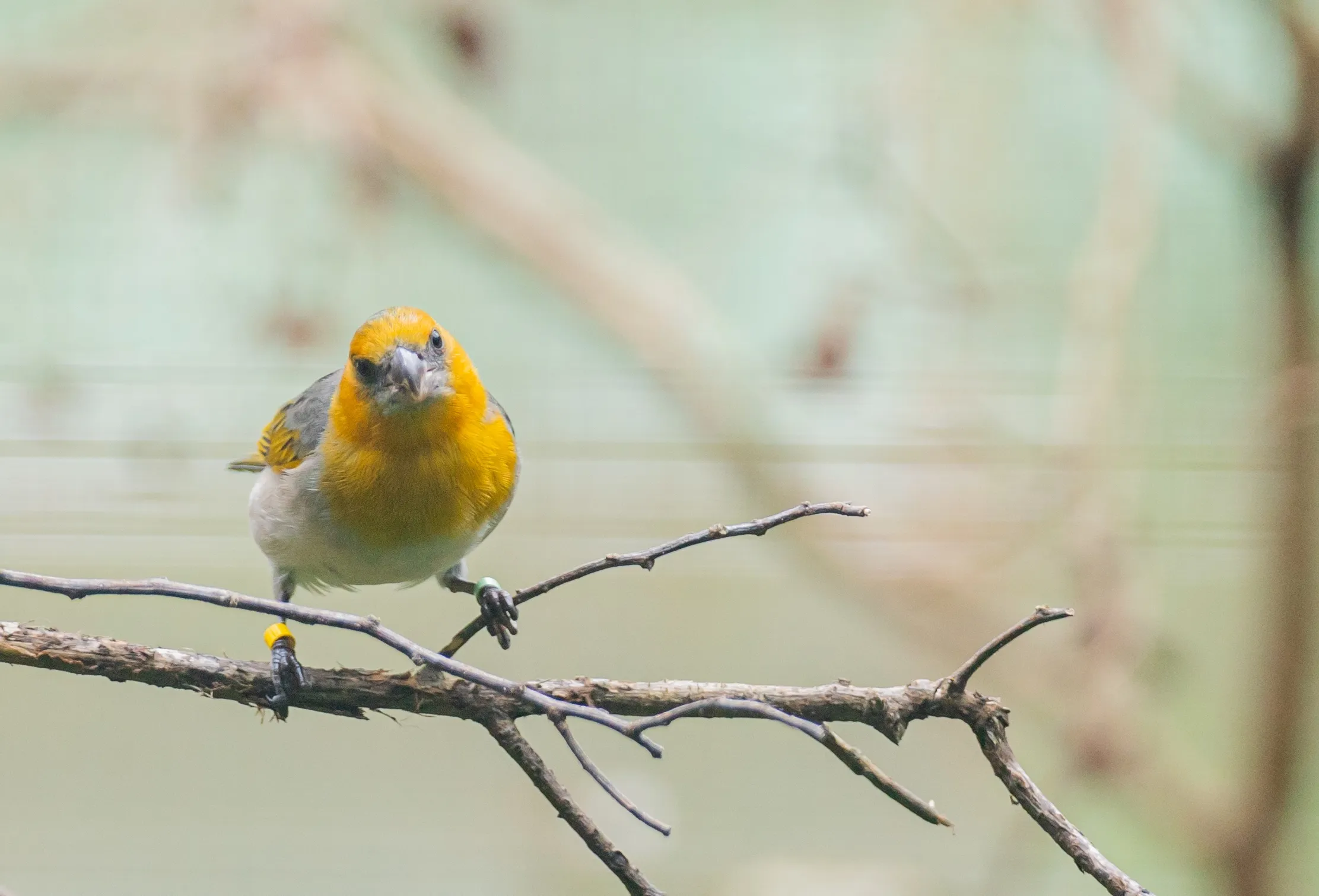
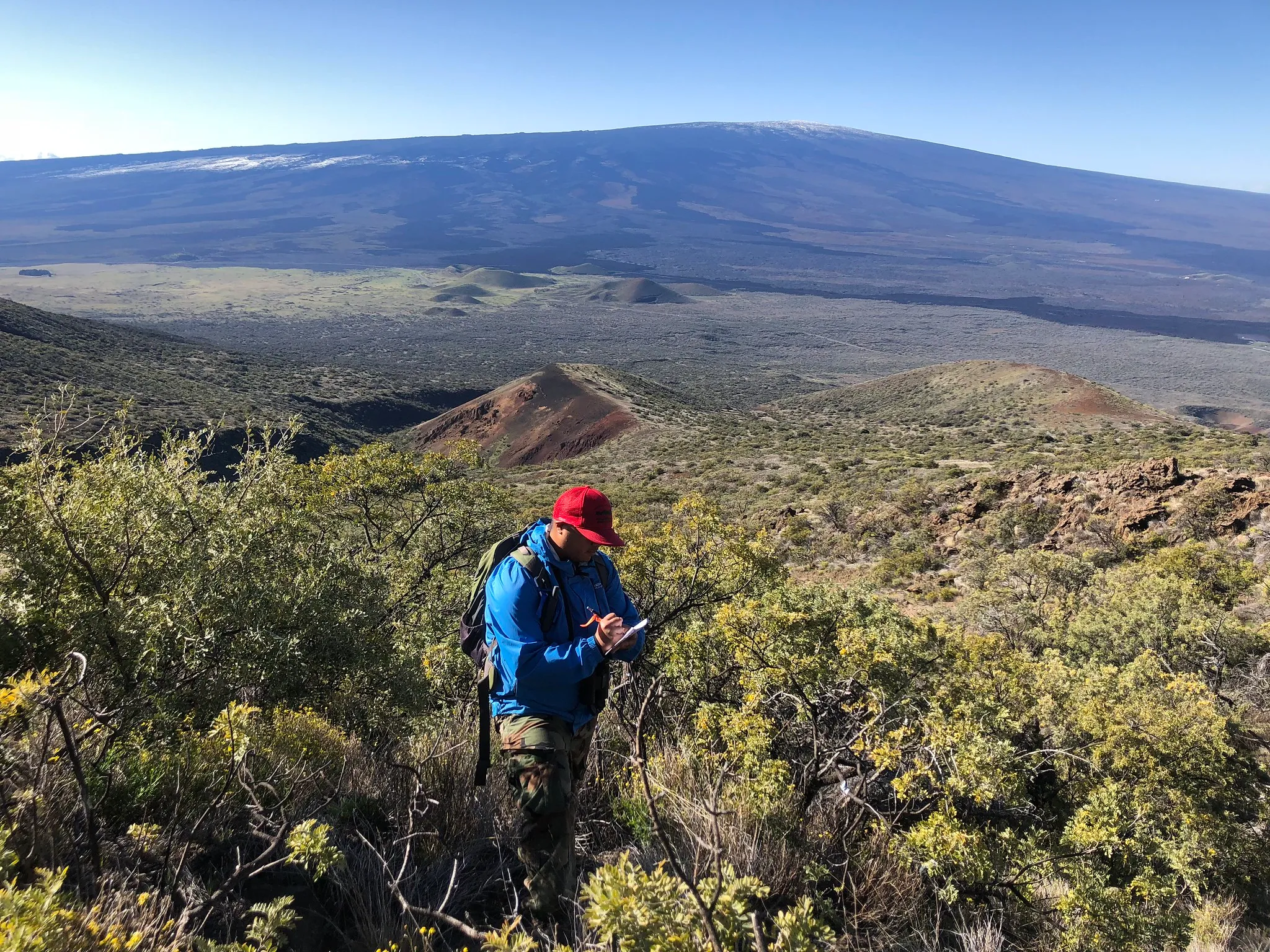
The palila of Hawai’i represents a historic precedent for the ESA. In 1979, courts ruled that the government had a duty to protect the bird’s habitat from invasive sheep and goats. Today, the administration’s new policy threatens to undo that legacy, as the state may no longer be required to mitigate habitat loss caused by development, potentially signaling a return to the rapid decline of this unique parrot.
Official Responses and Expert Analysis
Environmental organizations, including Earthjustice, have been vocal in their opposition. Elizabeth Forsyth, a senior attorney with the organization’s biodiversity defense program, characterizes the rule changes as an "assault on threatened and endangered species unlike we’ve ever seen before."
"It is an explicit effort to eliminate habitat protections, remove automatic safeguards for threatened species, and shift the balance of power entirely toward industrial interests," Forsyth added.
Conversely, proponents of the changes within the administration argue that the new rules provide "regulatory certainty" and reduce the burden on private landowners and businesses. They contend that the previous interpretation of "harm" was an overreach of federal authority that hindered economic growth.

Broader Implications for the Future
The cumulative effect of these changes is a significant weakening of the nation’s environmental "safety net." As climate change accelerates—forcing species to migrate to new, often smaller ranges—the need for robust habitat protection is greater than ever.
Legal and Economic Fallout
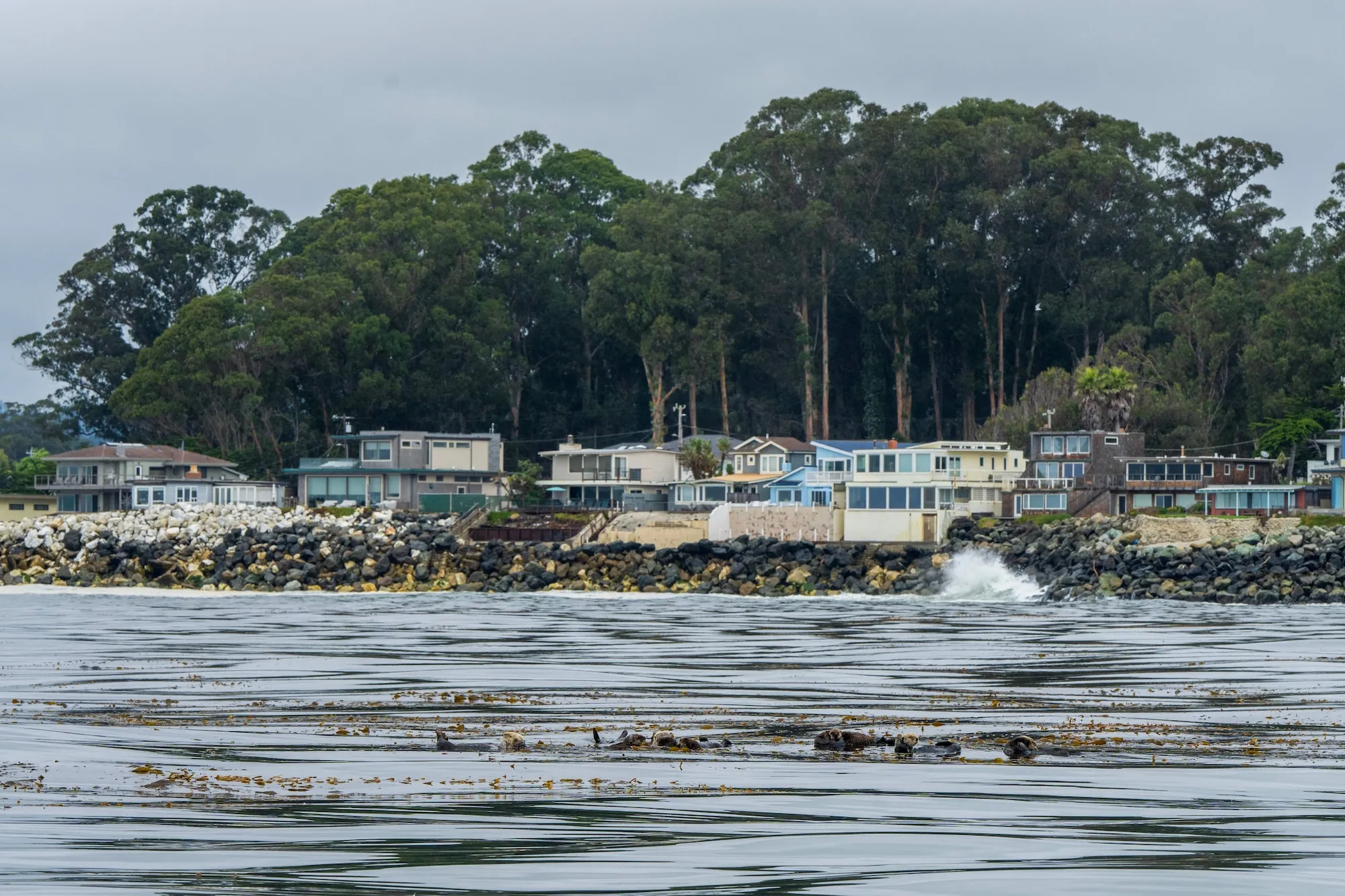
The shift in definitions is already causing a chilling effect on litigation. Organizations like the California Coastkeeper Alliance have had to pause legal challenges regarding water pollution and dam operations because their cases were built on the now-rescinded interpretation of "harm." This effectively creates a "regulatory vacuum" where, even if a project is objectively destroying a habitat, there may be no federal mechanism to stop it.
The "Zero-Listing" Trend
Perhaps most concerning to biologists is the broader pattern of federal inaction. Reports indicate that not a single new species has been granted federal protection since the current administration took office. When combined with the new, narrower definitions of "take" and "harm," the ESA is being transformed from an active conservation tool into a dormant statute.
Conclusion: A Turning Point
The Endangered Species Act was designed to be a living, breathing law that adapted to the realities of a changing natural world. By narrowing its scope, the current administration is betting that the American public and the ecosystems themselves can absorb the loss of habitat and the resulting decline in biodiversity.
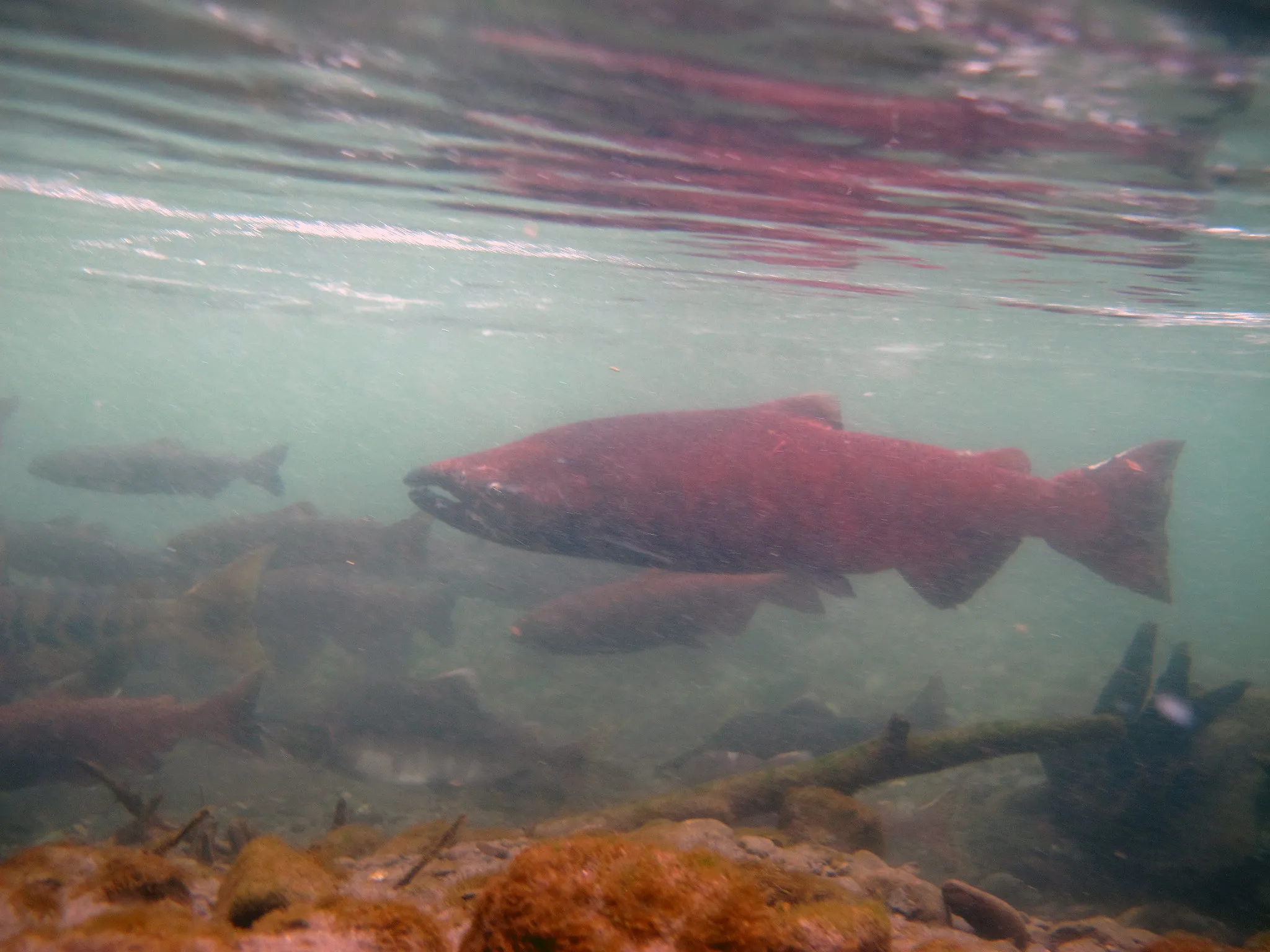
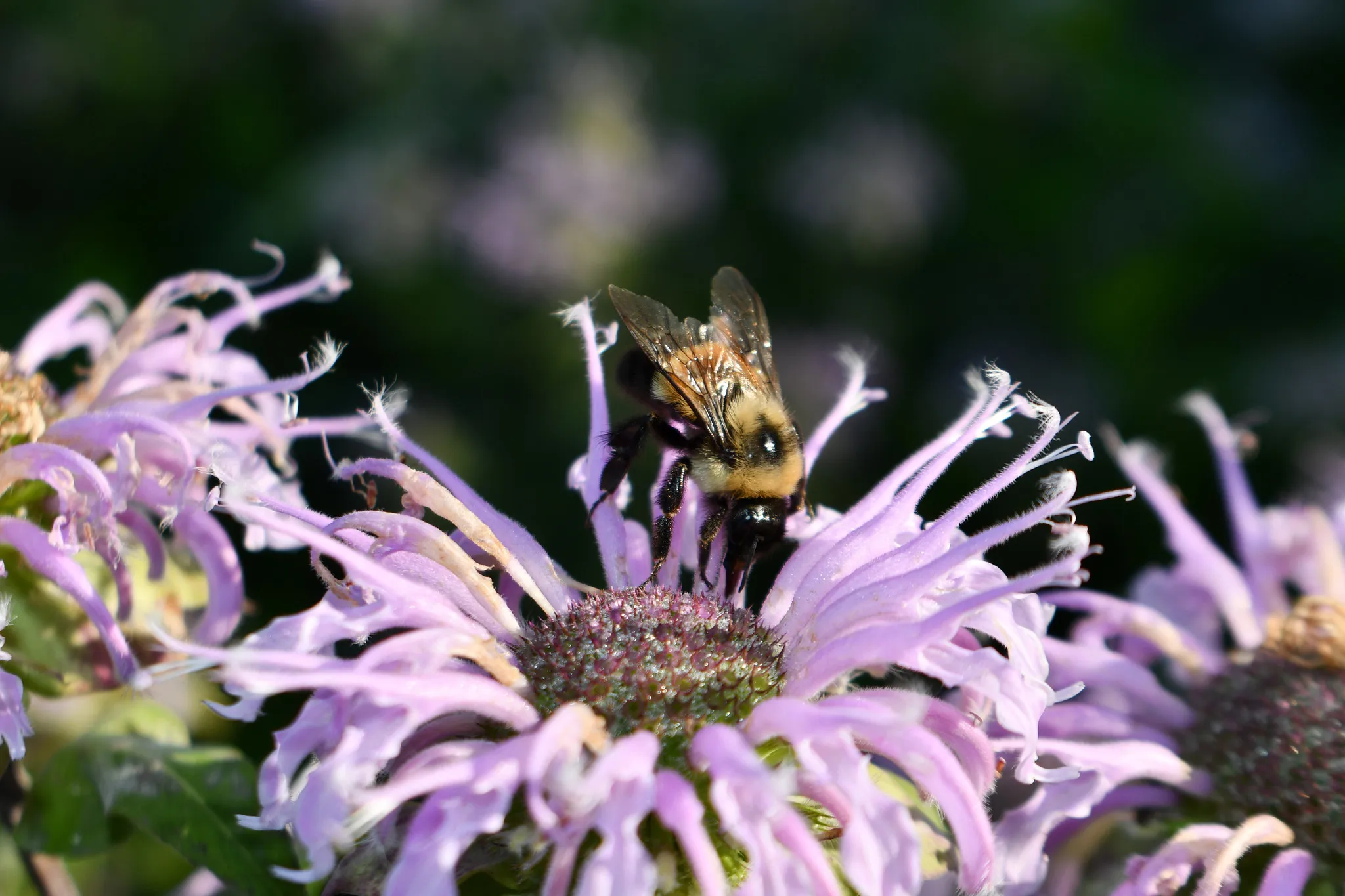
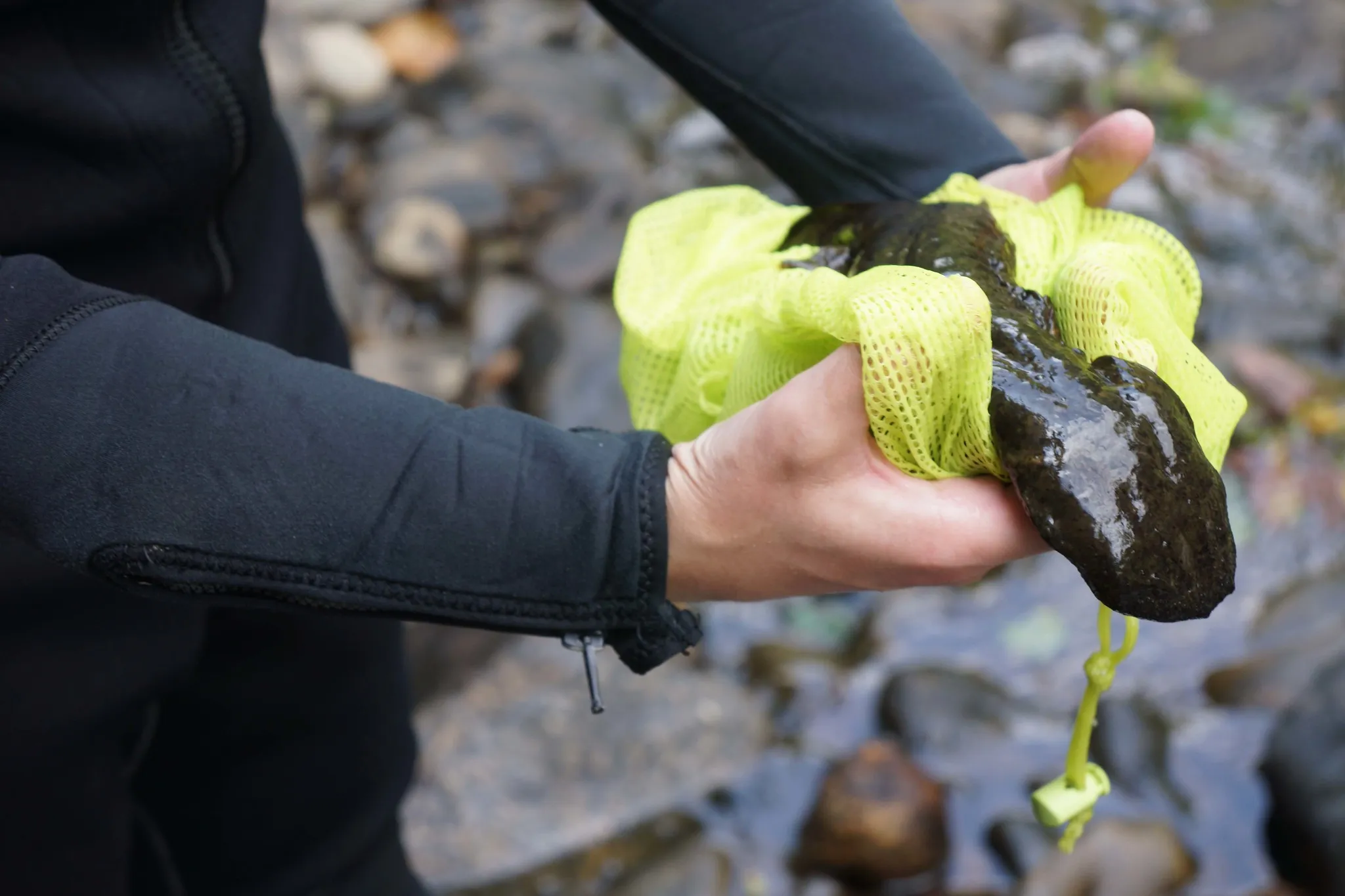
For the rusty patched bumble bee, the Chinook salmon, and the ancient Eastern hellbender, the "regulatory framework that has kept them afloat" is thinning. As experts like Michael Gangloff of Appalachian State University point out, while these species are tough, their resilience is not infinite. Without the legal authority to protect the environments they depend on, the nation may be presiding over a new era of extinction, one where the law is no longer a shield, but a bystander.


 Laily UPN
 Dwi Wanna
 Sagoh
Sagoh
 Ali Ikhwan

 Jia Lissa
 Neng Nana
 Iffa Jayyana