
 Nana Muazin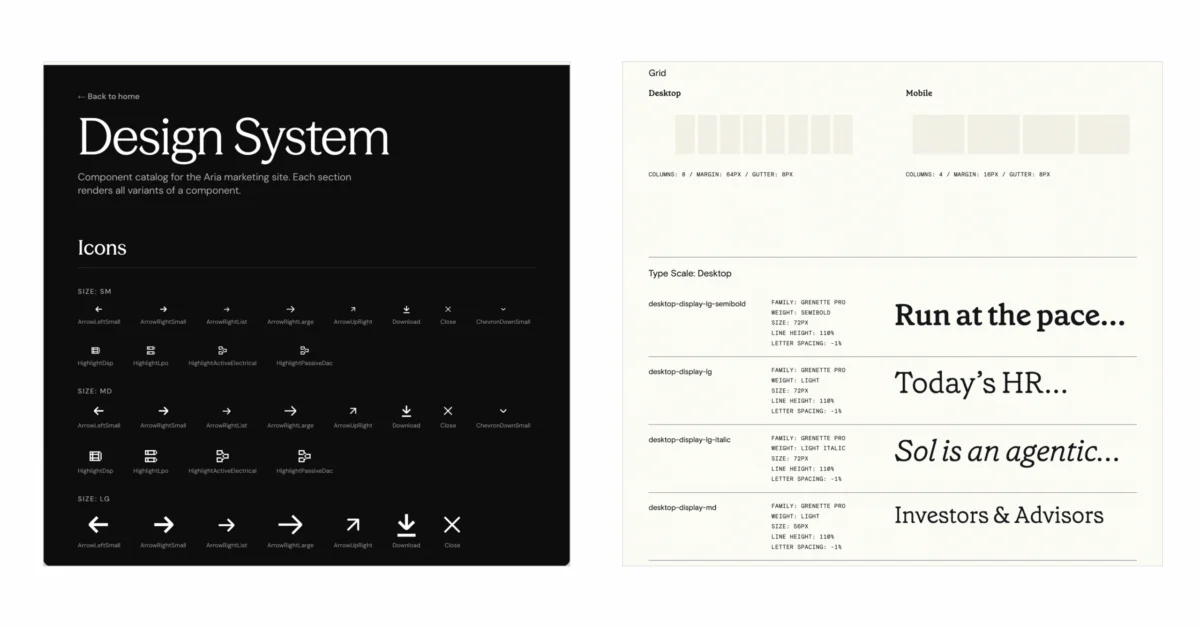
For over two decades, the design systems industry has been caught in a Sisyphean struggle. Design teams pour thousands of hours into creating meticulous documentation, component libraries, and style guides, only to watch them succumb to "design drift" within months. As products evolve, the code moves forward, the design system stagnates, and the documentation becomes a ghost—a record of a product that no longer exists.
However, a radical shift is underway. As AI agents move from the periphery of creative work to the center of development, the very nature of design systems is being redefined. No longer just a static set of rules for humans to reference, the design system is evolving into an "AI steering layer"—a living, breathing set of constraints that ensures AI-generated code remains perpetually aligned with a brand’s identity.
The Chronology of a Failed Paradigm
To understand why this shift is necessary, we must look at the history of design systems. In the early 2000s, the challenge was consistency across fragmented web pages. The solution was the centralized design system—a "source of truth."
- The Manual Era (2000–2010): Design systems were primarily static PDFs or internal wikis. Developers copied and pasted CSS, leading to inevitable deviations.
- The Component Era (2010–2020): With the rise of React, Vue, and Angular, design systems became component libraries. While this solved some technical inconsistency, it created a resource-heavy bottleneck. Large organizations were forced to hire dedicated "Design System Teams" to act as gatekeepers, reviewing every pull request to ensure adherence to the library.
- The Fragmentation Era (2020–2023): As web development accelerated, design system teams couldn’t keep pace. The "gatekeeper" model became a friction point. Projects launched without using the official system because the system was too slow or cumbersome, leading to a sprawling mess of legacy code and unmaintained documentation.
Today, we have entered the Agentic Era. With AI agents writing the bulk of our front-end code, the bottleneck has shifted from human effort to algorithmic intent. If an agent is tasked with building a landing page, it will follow its own internal logic unless it is explicitly steered by a robust, machine-readable design system.
The AI Steering Layer: A New Architecture
The core concept introduced by industry veterans like Luke Wroblewski is the "AI Steering Layer." In this model, the design system is not a library for humans to read; it is a context-rich instruction set for agents.
When a marketing manager asks an AI agent to build a new pricing page, the agent doesn’t just "guess" the styling. Instead, it queries the steering layer—the site’s global stylesheet, design tokens, and AGENTS.md files—to ensure that the colors, typography, spacing, and component behaviors match the established brand identity.
How It Works in Practice
This transition requires a fundamental change in how we structure our codebases. Instead of hiding the design system in a private Figma file, it is exposed as the primary architectural constraint for the AI.
- Design Tokens as Universal Language: By defining colors, fonts, and grid values as variables, we create a common language that both the browser and the AI understand.
- AGENTS.md Files: This is the "system prompt" for the website. It contains explicit instructions for any agent interacting with the codebase: "Always reuse theme classes," "Do not duplicate CSS values," and "Prioritize the existing component library."
- The Live Documentation: Rather than maintaining a separate website for design system docs, modern systems use the live codebase to generate documentation automatically. If the site changes, the docs update instantly, ensuring that agents are always working with the current source of truth.
Case Studies: Intent, Sol, and Aria
The practical application of this model is already visible in projects like Intent, Sol, and Aria. These sites demonstrate that the "steering layer" approach is not just a theoretical benefit—it is a production-ready reality.
In the case of Intent, the team utilized a Figma MCP (Model Context Protocol) connection to automatically translate design specs into code. From that point forward, the code became the sole source of truth. If a change is needed—such as updating a body font or adjusting the responsive grid—the change is made in the code, and the agents immediately adopt the new standard for all future updates.
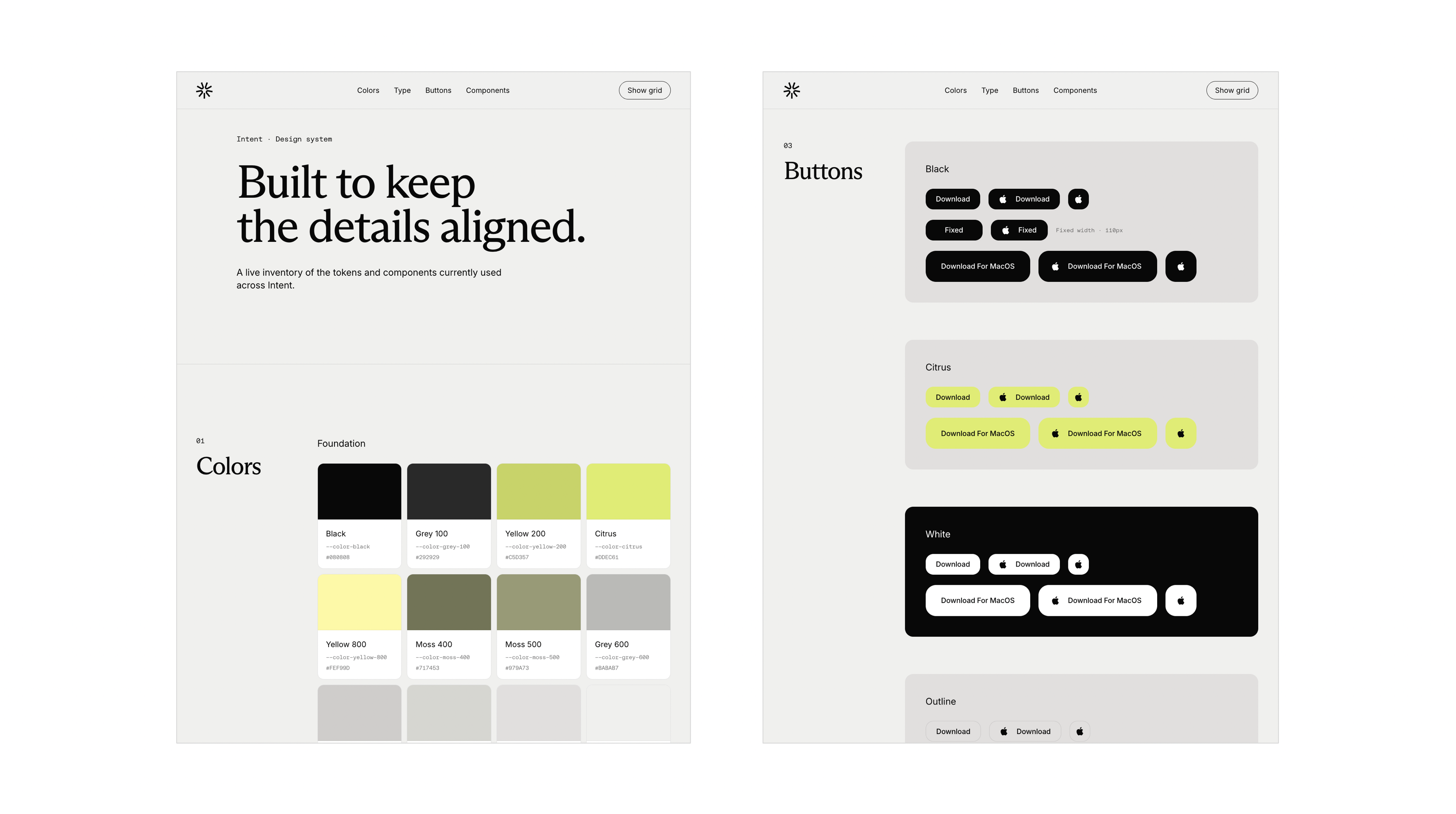
Crucially, the agents are not just consuming these instructions; they are enforcing them. When an agent is tasked with adding a button, it doesn’t create a new one from scratch. It scans the component library, identifies the existing Button component, and applies it. This eliminates the "human lookup" phase, where a developer or designer would previously have had to spend time verifying if the button met accessibility or design standards.
Implications for the Industry
The shift toward AI-steered design systems carries profound implications for the future of web development and brand management.
1. The End of "Design Debt"
Design debt occurs when the gap between the design and the implemented code grows too wide. By forcing agents to draw from the steering layer, the "gap" is closed. Because agents never "forget" or "get lazy," they apply the design system with 100% consistency across every page, every time.
2. Radical Democratization of Production
In the old model, only those with deep knowledge of the design system could safely update the website. With an AI steering layer, a product manager can draft a landing page, and an engineer can build out documentation, confident that the AI will keep everything "on-brand." The design system acts as the guardrail that allows for rapid, decentralized innovation.
3. Documentation is Finally Obsolete
For decades, designers have lamented that nobody reads their documentation. They spent weeks crafting guides that developers ignored in favor of "what was easiest." In the agentic era, this problem is solved by nature: Agents read the documentation every single time. If it’s in the AGENTS.md file or the token library, it is part of the agent’s logic. If it’s not, it doesn’t exist.
The Path Forward: Challenges and Opportunities
While the benefits are clear, the transition to agent-steered systems is not without its hurdles. Organizations must be willing to:
- Trust the Machine: Teams must relinquish the desire for manual "pixel-pushing" in favor of managing the "steering layer" (the tokens and instructions).
- Invest in Technical Infrastructure: The design system must be robustly coded. If the design tokens are poorly structured, the agents will simply propagate bad design at scale.
- Evolve the Design Role: The role of the designer is shifting from the creator of individual assets to the curator of the steering layer. Designers become "system architects," ensuring that the constraints governing the agents are aligned with business goals and aesthetic standards.
Conclusion: A New Standard for Digital Integrity
The era of the "static" design system is coming to a close. We are moving toward a world where our brands are maintained by intelligent systems that are inherently aware of their own boundaries.
By treating design systems as steering layers for AI, companies can finally achieve the holy grail of digital product management: the ability to move with incredible speed without sacrificing the integrity of the design. We are no longer just building websites; we are building systems that build websites for us—and finally, we have a way to make sure they get it right every single time.


 Reynand Wu
 Iffa Jayyana
 Sagoh
Sagoh
 Ali Ikhwan
 Laily UPN
 Jia Lissa
 Neng Nana
