
 Nana
Nana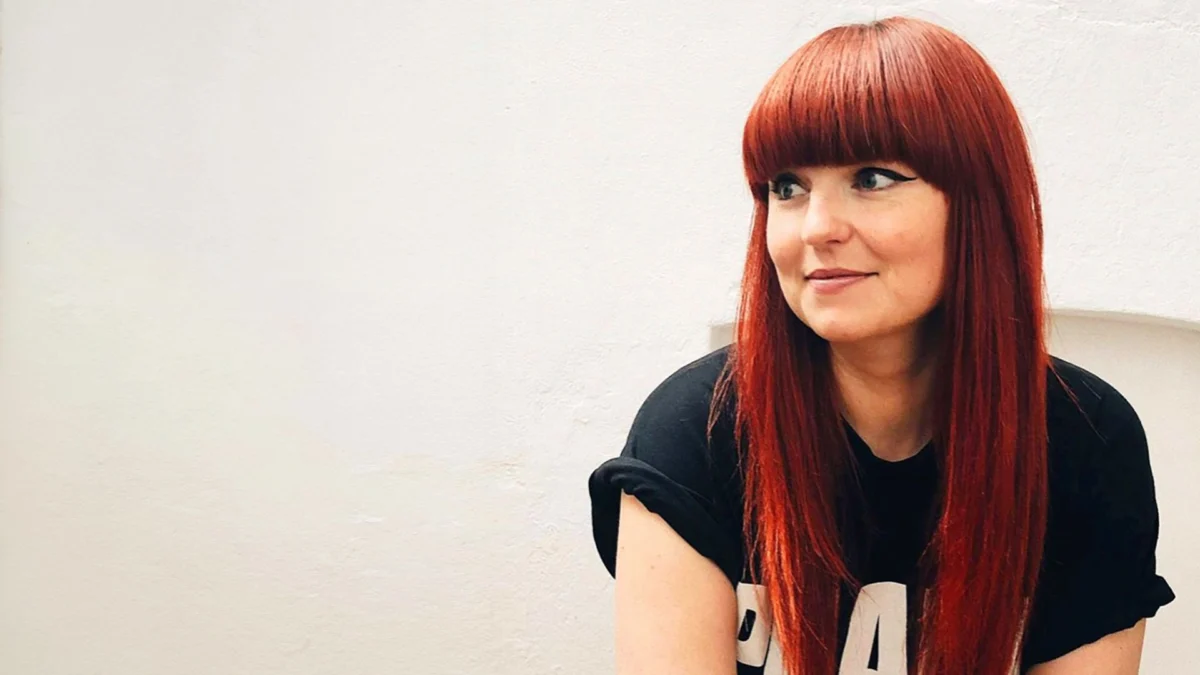
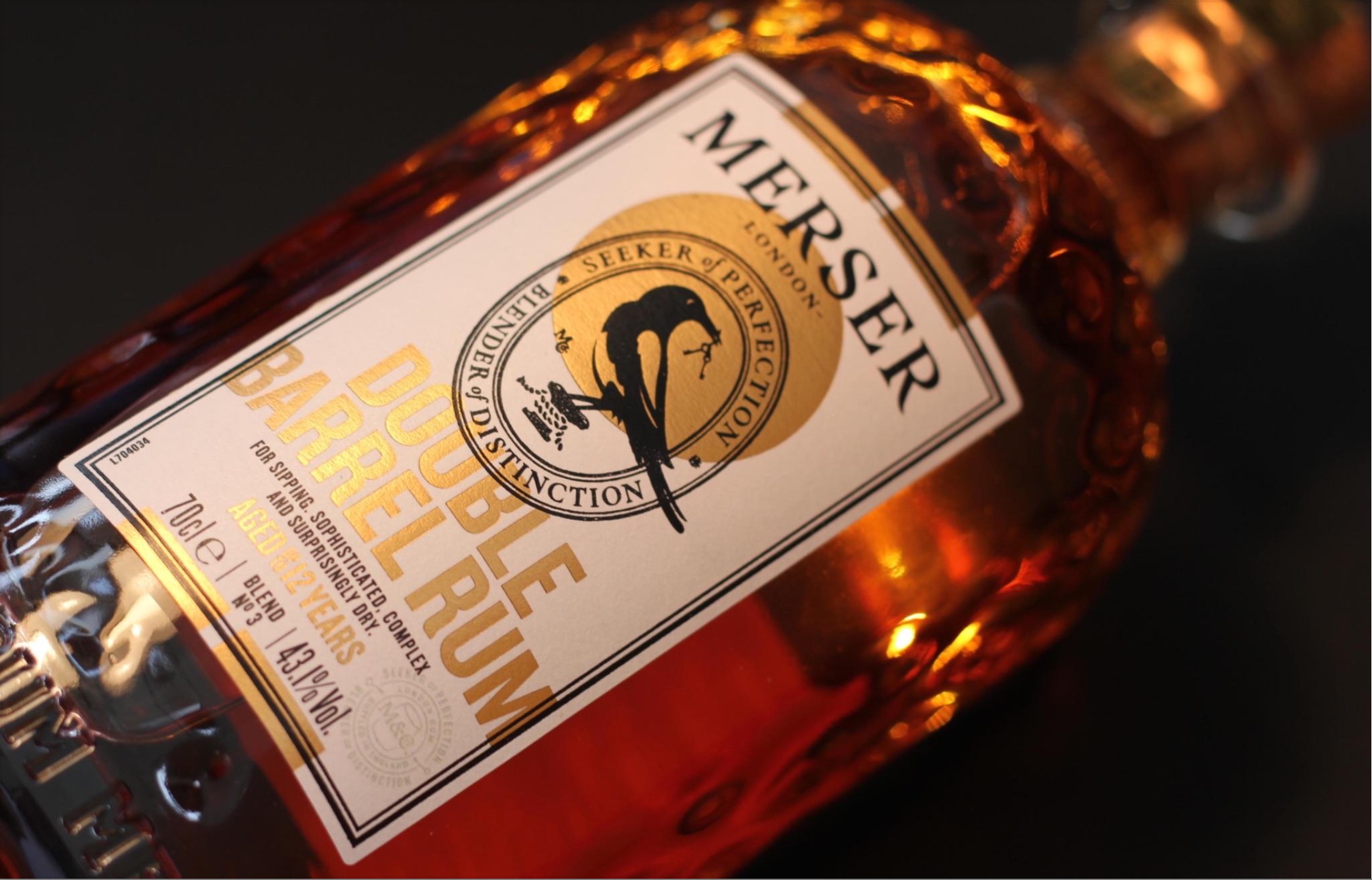
In the fast-paced, high-stakes world of global brand identity, few names carry as much weight—or as much soul—as Chloé Templeman. As the Executive Creative Director at Pearlfisher, the globally renowned design agency famous for its commitment to “irresistible human connection,” Templeman stands at the vanguard of modern visual strategy. With a career spanning 17 years across London’s most prestigious creative hubs, she has shaped the visual language for industry titans, including Fortnum & Mason, Diageo, and Unilever.
However, beyond her portfolio of world-class brands, Templeman has carved out a secondary legacy: one of mentorship, advocacy, and the relentless pursuit of authentic human creativity in an age increasingly dominated by algorithms.
The Architect of Connection: Professional Background
Hailing from Scotland, Templeman’s ascent to the upper echelons of the creative industry was not a linear path, but a masterclass in resilience and evolution. Her career has been defined by a deep-seated belief that design is not merely about aesthetic appeal, but about forging a tangible, emotional link between a brand and its audience.
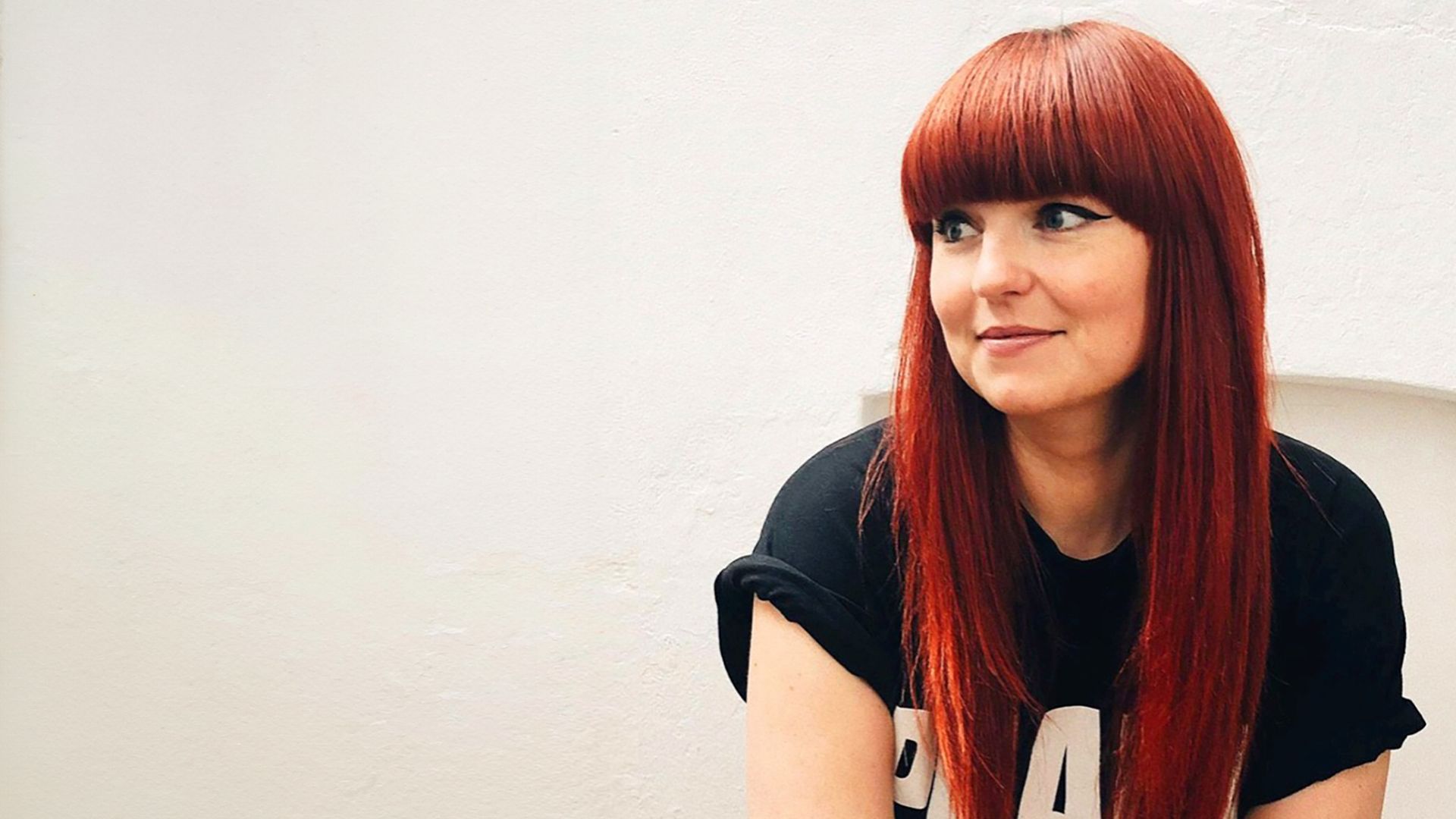
At Pearlfisher, she leads with a philosophy that champions "design with purpose." Her work is characterized by a marriage of strategic rigour and artistic intuition—a combination that has allowed her to navigate the complex requirements of global FMCG (Fast-Moving Consumer Goods) giants while maintaining the agility of a boutique design house.
The Chronology of a Creative Leader
Templeman’s journey serves as a blueprint for aspiring creatives navigating the transition from practitioner to leader.
- Early Years: Emerging from Scotland, Templeman cut her teeth in the competitive London agency landscape. This period was marked by rapid skill acquisition and the development of her signature style: a blend of high-concept strategy and meticulous execution.
- The Middle Tenure: As she rose through the ranks, Templeman began to focus on the human side of leadership. Recognizing the systemic challenges women face in the creative sector, she began formalizing her commitment to mentorship, guiding young designers and advocating for equitable representation in boardrooms.
- The Leadership Pivot: Her promotion to Creative Director served as a defining moment in her career. It was here that she confronted—and ultimately conquered—the "imposter syndrome" that she notes is particularly prevalent among women in high-pressure creative roles.
- Present Day: As Executive Creative Director at Pearlfisher, Templeman now balances high-level oversight of global accounts with her continued dedication to shaping the next generation of creative talent.
The Psychology of Success: Imposter Syndrome and Authenticity
One of the most profound aspects of Templeman’s leadership style is her radical transparency regarding the challenges of the creative life. When asked about her biggest hurdles, she points directly to the moment she stepped into the role of Creative Director.
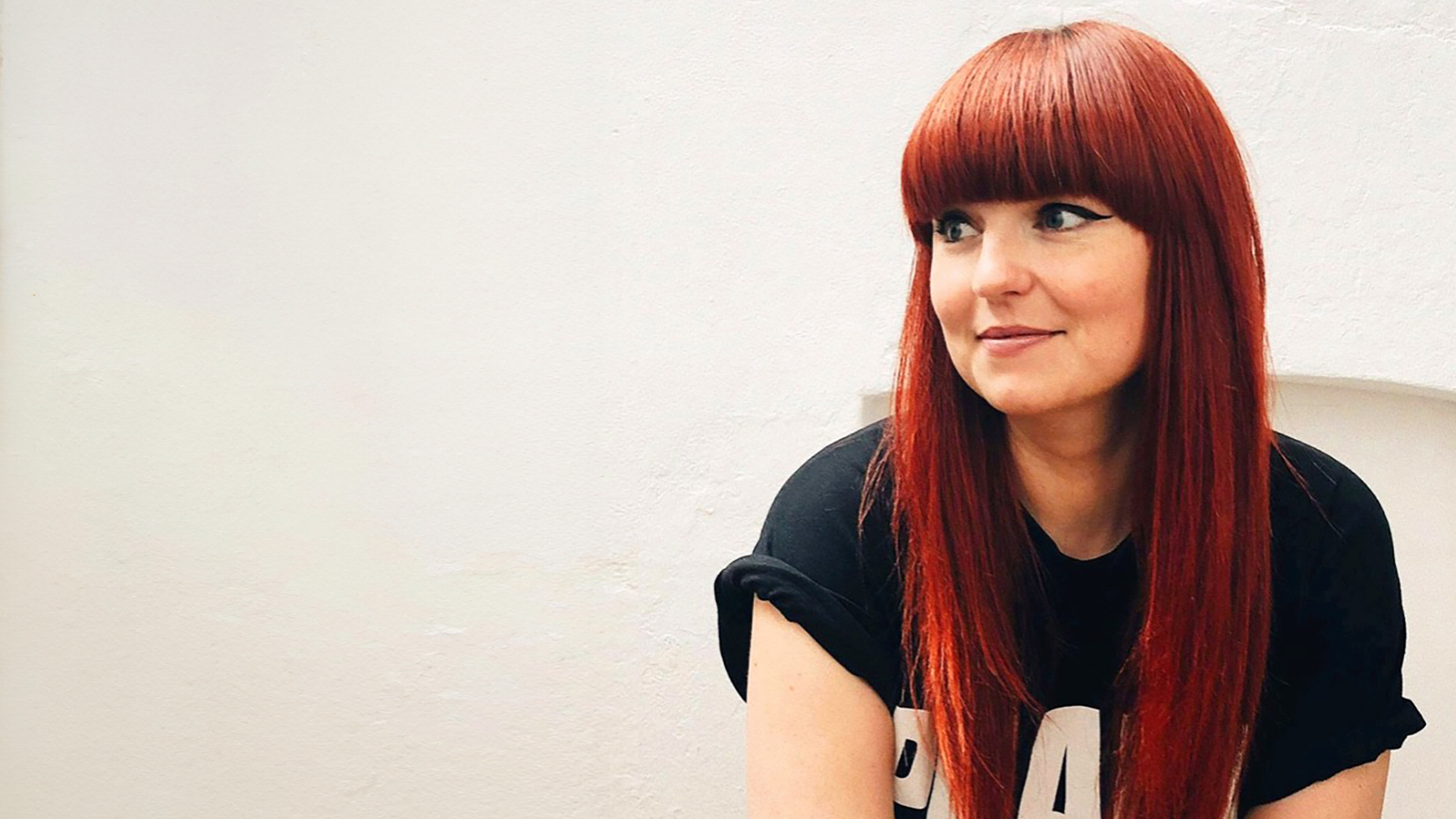
"I looked at the other directors around me, many who used to be my boss, and felt like I didn’t quite measure up," she reflects. This internal conflict—a classic manifestation of imposter syndrome—was fueled by the belief that there was a "right way" to be a leader. Her breakthrough, however, was not in mimicking the success of those before her, but in embracing her own unique perspective.
"The turning point came when I ran a big pitch and won," she explains. "It made me realize that it was actually a good thing I wasn’t exactly like them. There is no single right way to be a creative director. You need that diverse mix of personalities and perspectives to build a fully rounded team."
Anti-Design and the Joy of "Ugly"
Templeman’s perspective on current trends offers a fascinating window into her artistic mindset. While she is a master of clean, high-end branding, she holds a secret affinity for the "so bad it’s good" aesthetic—a movement often categorized as "anti-design."

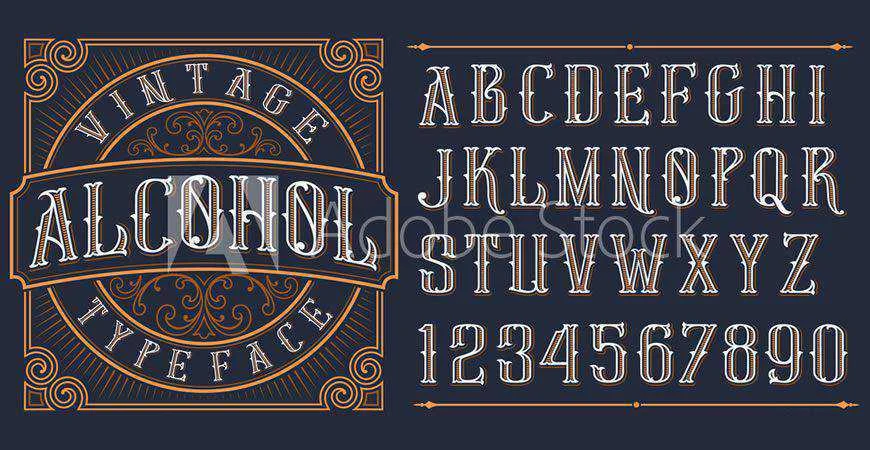
"I am seeing a resurgence of anti-design, clumsy typography, clashing color palettes, and layouts that break every traditional rule until they somehow right themselves again," she notes. For Templeman, this is not just a trend; it is a vital injection of playfulness into an overly sanitized design landscape. It is a nostalgic nod to the nineties—an era of MS Paint and unpolished digital discovery. She argues that this intentional chaos, when executed with a masterful touch, creates a visceral human connection that overly perfect designs often fail to achieve.
The AI Debate: A Professional Stance
Perhaps the most critical aspect of Templeman’s current professional philosophy is her skepticism regarding the integration of Artificial Intelligence in creative decision-making. As the industry grapples with the rapid advancement of generative AI, Templeman warns against the dangers of "playing it safe."
"Using AI to give feedback on creative work is a slippery slope," she asserts. Her critique is grounded in a fundamental truth: AI is a predictive tool, not a creative one. It is built upon the synthesis of existing data, which inherently traps it in the past.
"If we’re trying to push the status quo and do something genuinely brave, asking an algorithm for its opinion is the quickest way to kill that momentum," Templeman argues. For her, the human element—the "gut feeling" and the lived experience of a designer—is the non-negotiable bedrock of disruptive, high-impact design. She advocates for a model where AI is used merely as a tool to sharpen human-formed opinions, never as a substitute for human decision-making.
Implications for the Future of the Industry
Templeman’s career trajectory and current leadership positions offer several implications for the future of the design industry:
- The Shift Toward Emotional Intelligence: As AI becomes more capable of executing technical tasks, the value of the "human touch"—empathy, intuition, and the ability to interpret complex cultural contexts—will only increase.
- Redefining Leadership: Templeman’s success proves that the future of agency leadership lies in diversity of thought. The era of the "singular visionary" is giving way to the era of the "collaborative leader" who fosters diverse, multi-perspective teams.
- The Lifestyle of Creativity: Templeman challenges the traditional 9-to-5 model of the creative industry. She views creativity as a 24/7, deep-rooted lifestyle. While this presents challenges for work-life balance, it underscores the reality that for top-tier creative talent, inspiration is not a task to be clocked out of, but a lens through which they view the world.
Conclusion: The "Gaisgeil" Spirit
When asked how she wishes to be remembered, Templeman turns to her Scottish heritage, selecting the word Gaisgeil. It is a term that defies a simple translation, encapsulating the spirit of being brave, fiercely capable, and driven by an unwavering, passionate commitment to one’s goals.
Chloé Templeman’s career is a testament to this word. Whether she is steering a global brand through a rebranding phase or mentoring a young designer through their first bout of imposter syndrome, she operates with a rare combination of grit and grace. In an industry defined by change, she remains a constant—a reminder that at the heart of every great design is not a prompt, but a person.
As she continues to lead at Pearlfisher, her influence will undoubtedly shape the standards of the next decade, ensuring that even as the tools of the trade evolve, the "irresistible human connection" remains the ultimate objective of the creative craft.

 Reynand Wu
 Evan Lee Salim
 Basiran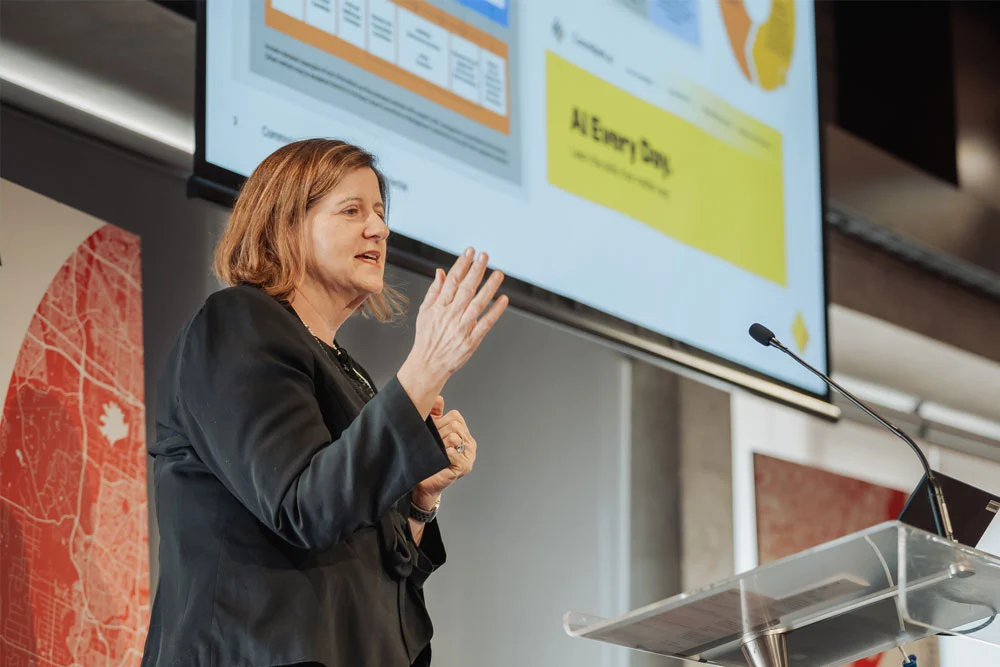
 Neng Nana
 Iffa Jayyana
 Raul Delapena Setiawan
 Rifan Muazin
 Asro
Asro