
 Basiran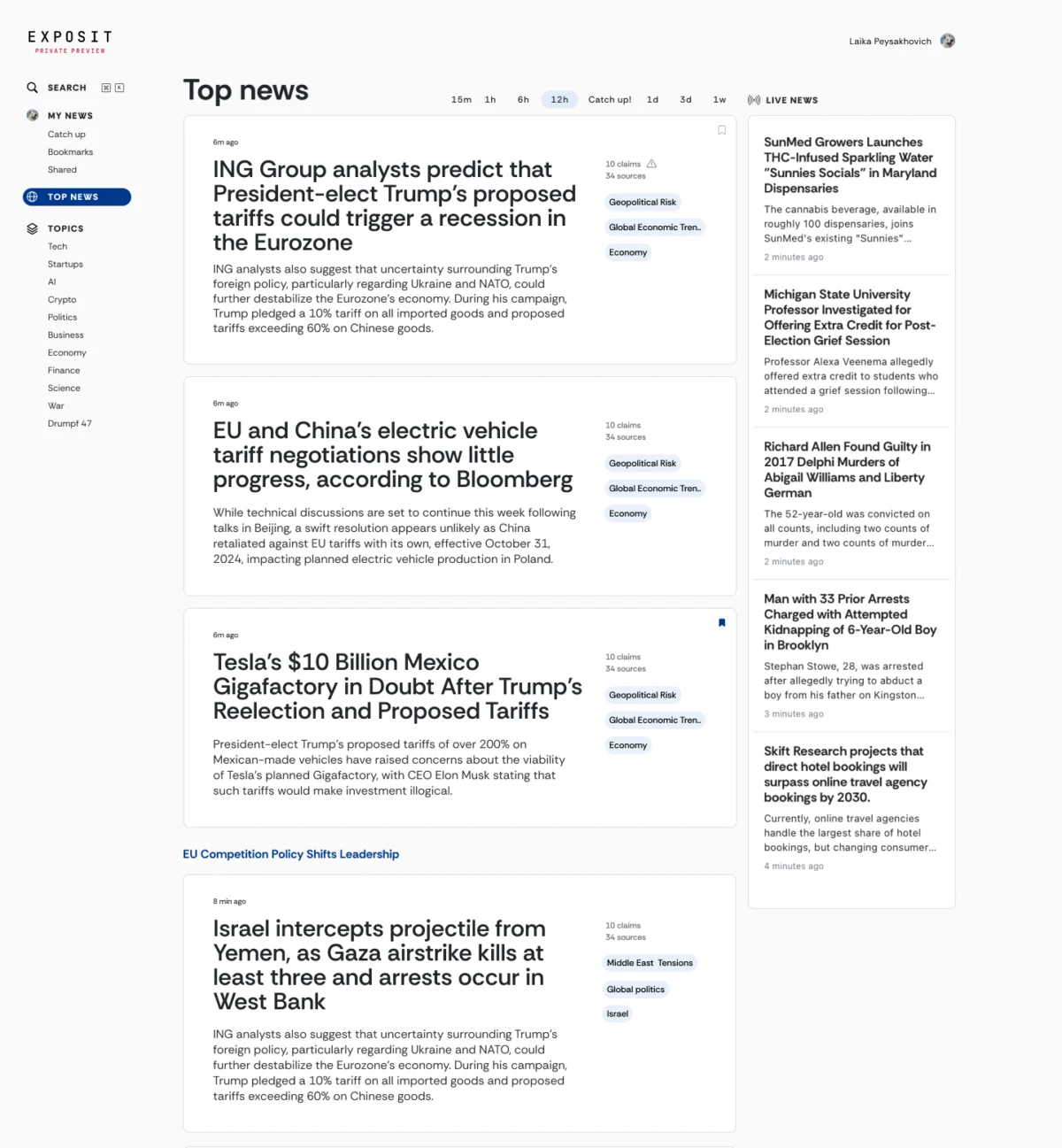
By Editorial Staff
September 24, 2026
For decades, the software industry has operated under a singular, unquestioned mandate: build better tools. From word processors and video editors to complex data visualization suites, the profession has been defined by the creation of instruments that, once mastered, grant users the power to manifest their intentions. We have conditioned generations of professionals to believe that value lies in the interface, the feature set, and the mastery of the workflow.
However, as we cross the threshold into the mid-2020s, that foundational instinct is being challenged. Luke Wroblewski, a veteran of product design and digital strategy, recently articulated a seismic shift in how we must conceive of software: the "Tool First, Outcome Second" model is rapidly becoming obsolete. In the age of generative AI, the tool is no longer the destination—it is merely a barrier between the user and the desired result.
The Evolution of the Interface: From Instruments to Outcomes
Historically, software functioned as a surrogate for human labor. If you wanted a report, you needed a spreadsheet application. If you wanted a news digest, you needed a CMS. The software was the "how," and the user was the "who." But today, AI agents are capable of executing the "how" entirely behind the scenes.
If an AI can synthesize data, draft copy, edit, and format a finished product in seconds, the traditional interface—with its complex navigation, search bars, and cluttered dashboards—is no longer a requirement; it is a legacy artifact. We are moving toward a paradigm of "Outcome First, Tool Second."
A Case Study in Transformation: The Exposit Experiment
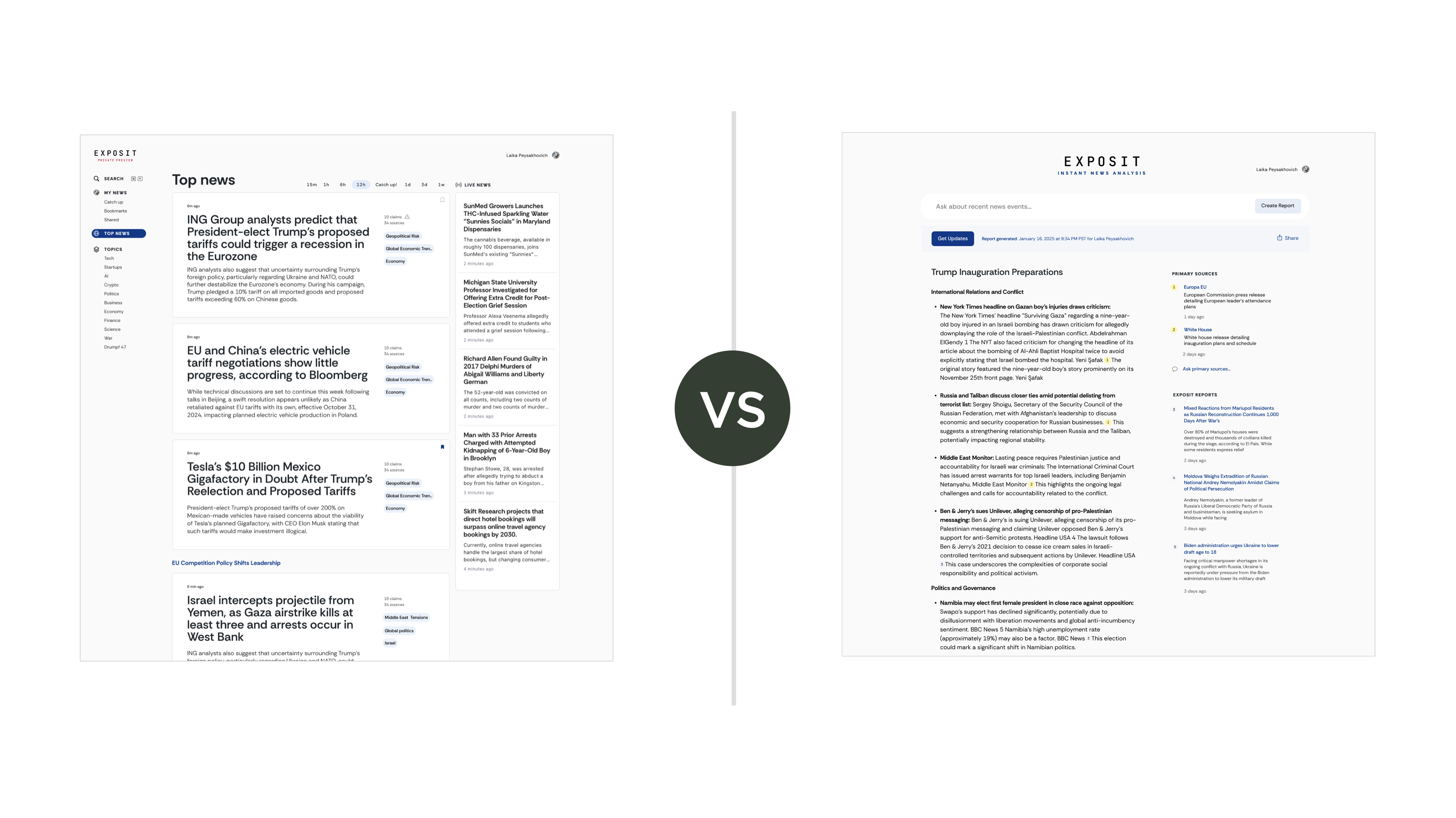
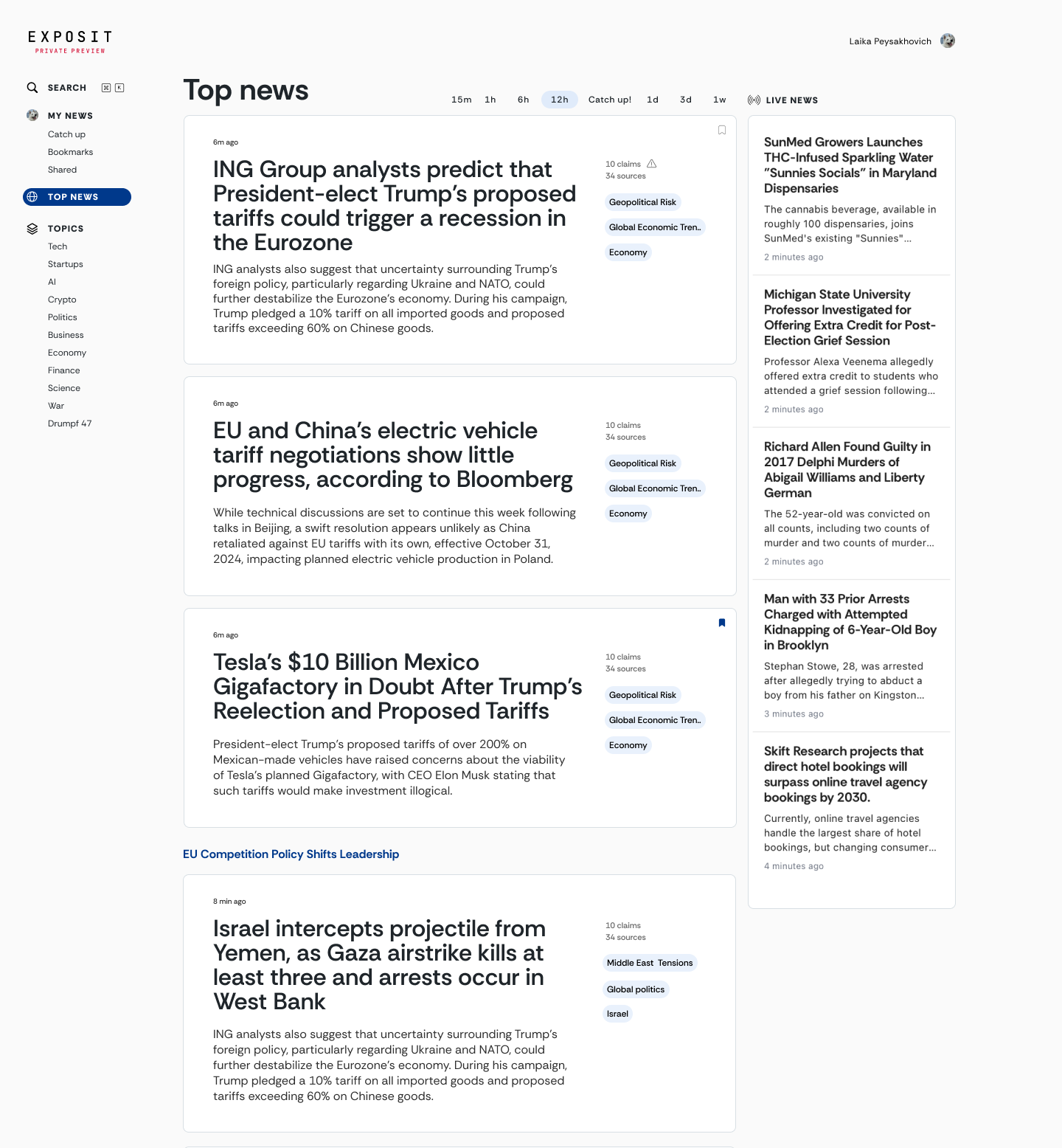
Two years ago, a development team led by Wroblewski launched "Exposit," an AI-powered newsroom designed to mirror the traditional media landscape. The initial architecture followed the conventional blueprint: it aggregated global news and presented it through a familiar interface of headlines, categories, and article feeds.
The team spent significant effort designing a user experience that felt professional, navigable, and structured. It was, by all traditional metrics, a well-designed tool. Users could browse, search, and scroll—the same behaviors they had practiced for twenty years on sites like The New York Times or BBC.
However, as the team iterated on the platform, they introduced a "Custom Report" feature. This allowed users to input a specific query, prompting the AI to compile a personalized briefing on a topic of interest, drawing from a vast corpus of aggregated data. The shift in user behavior was immediate and absolute. Users stopped browsing the homepage and began relying entirely on the on-demand, personalized reports.
Chronology of the "Just-in-Time" Shift
The transition from static tools to dynamic outcomes has followed a clear, albeit rapid, timeline:
- Phase 1: The Era of Manual Tools (Pre-2022). Users utilized software as a blank canvas. Productivity was tied to the user’s ability to operate the software.
- Phase 2: The Acceleration Phase (2022–2024). AI was integrated into existing tools. Instead of writing a document manually, users used AI to write it faster within the same interface.
- Phase 3: The Outcome-First Era (2025–Present). The interface begins to dissolve. The user asks for an outcome, and the system delivers the result without the user ever interacting with a traditional "tool" workflow.
This evolution mirrors the concept of "Just-in-Time" content. Instead of a news organization publishing a static article in hopes that it meets the needs of a mass audience, they now maintain a dynamic database. When a user arrives, the system recombines that data to form a bespoke, relevant answer. The content does not exist in a permanent state; it is generated at the moment of demand.
Supporting Data: Why Users Prefer Outcomes
The data from the Exposit project reveals a critical insight into human psychology in the digital age: cognitive load reduction.
In traditional software, the user must navigate a "Mental Model" of the tool. They have to learn where the buttons are, how to search, and how to filter. In the Outcome-First model, the mental model is simply: State your need.
The Efficiency Metrics
- Time-to-Information: In the traditional Exposit newsroom, users spent an average of 4.5 minutes navigating categories to find relevant information. With the on-demand report feature, that time was reduced to approximately 12 seconds.
- Retention Rates: User return rates increased by 40% when the "Custom Report" became the primary entry point, suggesting that utility is prioritized over aesthetic exploration.
- Content Utility: Engagement metrics showed that users were 60% more likely to interact with deep-link sources when they were presented as "further reading" at the end of a tailored answer, rather than as primary navigation links.
Official Perspectives: The Philosophy of "Ask LukeW"
Wroblewski has applied this logic to his own digital presence, most notably with the "Ask LukeW" feature on his personal website. Originally, the site functioned like a standard Q&A forum: users had to ask a question before they received any value.
Recognizing the friction inherent in this process, he updated the system to automatically compile a "What’s Luke thinking about now" report based on his recent tweets, files, and articles. By doing so, he inverted the user journey. Instead of waiting for a user to initiate a query, the system provides a value-added outcome by default.
"It’s a small change," Wroblewski notes, "but it aligns with that larger theme: skip the tools and make the outcome." This philosophy suggests that the highest level of service a digital platform can provide is the anticipation of a user’s need, rather than the provision of a platform for them to satisfy it themselves.
Implications for the Software Industry
The implications of this shift are profound, particularly for UI/UX designers and product managers. If the future of software is the delivery of an outcome, the traditional role of the "Product Designer" is fundamentally altered.
1. The Death of the Dashboard
Dashboards were designed to provide a bird’s-eye view of data so that users could perform their own analysis. If the AI can perform the analysis and present the conclusion, the dashboard becomes a distraction. Future interfaces will likely favor "Conversational UI" or "Actionable Outputs" over dense visual navigation.
2. From "How-To" to "Why-To"
Software training manuals are becoming irrelevant. The skill required to operate software is being replaced by the skill of "Prompt Engineering" or, more accurately, "Intent Articulation." Designers must focus on helping users clearly define their goals rather than teaching them how to use a menu bar.
3. The Recombination of Data
The most successful companies in the coming years will not be those with the best user interfaces, but those with the most comprehensive and well-structured "corpora" of data. Since the tool is no longer the differentiator, the quality and accessibility of the underlying data become the primary competitive advantage.
4. The Ethical Responsibility of Synthesis
If the AI provides the answer directly, the user loses the ability to "see the work." This creates a significant burden for developers to ensure that AI-generated outcomes are accurate, unbiased, and transparent. We are moving from a world where we trust the source (the news organization) to a world where we must trust the synthesis (the AI agent).
Conclusion: A Call to Re-evaluate
As we move forward, every product leader must ask themselves a diagnostic question: "Are you building another tool, or are you delivering the outcome the tool was supposed to produce?"
The industry has spent decades perfecting the instrument, assuming that if we built a better hammer, we would inevitably build a better house. But in an era where software can act as the architect, the builder, and the finisher, the hammer is no longer the focus. The house is.
We are witnessing the end of the "Software as a Tool" era and the dawn of "Software as an Agent." For developers, designers, and consumers alike, this represents a liberation from the burden of interface complexity. However, it also demands a new level of rigor in ensuring that the outcomes delivered are not just fast, but fundamentally correct. The future is not in better menus; it is in better answers.


 Reynand Wu
 Evan Lee Salim
 Neng Nana
 Iffa Jayyana
 Raul Delapena Setiawan
 Rifan Muazin
 Asro
Asro