
 Neng Nana
For decades, the mandate of the Chief Procurement Officer (CPO) was singular and unambiguous: drive down costs, optimize the supply chain, and mitigate risk. However, as global markets become increasingly volatile and competitive, the traditional definition of procurement is undergoing a tectonic shift. Today’s CPOs are no longer just the gatekeepers of the bottom line; they are being repositioned as architects of top-line growth.
This evolution—often described as the move toward "Procurement Enabled Revenue" (PER)—is gaining momentum. Yet, as procurement functions begin to exert influence over revenue generation, a complex, often uncomfortable conversation has emerged regarding the ethical boundaries of these new responsibilities.
The Shift: Procurement as a Growth Engine
The traditional view of procurement is inherently defensive—it is about protection, negotiation, and efficiency. But the modern enterprise demands more. As organizations look to unlock hidden value within their supply bases, the procurement function is increasingly tasked with leveraging its unique position to facilitate business expansion.
A recent dialogue with a CPO from a major technology firm highlighted this transition. The executive noted that the procurement function is uniquely positioned to bridge the gap between internal resource gaps and external market opportunities. By shifting bandwidth away from purely transactional tasks—often through the adoption of automation and AI—procurement teams are finding themselves with the capacity to pivot toward strategic revenue-driving initiatives.
Defining Procurement Enabled Revenue (PER)
The concept of PER is not merely about finding new ways to sell; it is about leveraging the supply chain to create market advantage. Howard Richman, former Director of Indirect Procurement at Citrix and Merck & Co., has been a vocal proponent of this paradigm shift.
"Procurement isn’t truly aligned with the strategy of the business until they make procurement enabled revenue a major KPI and make revenue generation one of procurement’s strategic pillars," Richman stated. According to Richman, this is not a theoretical exercise; it requires the concrete assignment of resources, specialized talent, and a fundamental change in how procurement interacts with other business units.
Chronology of an Evolution: From Savings to Strategy
The transformation of procurement has occurred in three distinct phases over the last two decades:
- The Cost-Optimization Era (Late 1990s – 2010): The primary focus was on total cost of ownership (TCO), lean methodologies, and centralized sourcing. The success of a CPO was measured almost exclusively by savings achieved against the budget.
- The Risk and Sustainability Era (2010 – 2020): Following the global financial crisis and subsequent supply chain shocks, the focus expanded to include risk management, supplier diversity, and ESG (Environmental, Social, and Governance) compliance.
- The Revenue-Generation Era (2020 – Present): Driven by the COVID-19 pandemic and the need for rapid digital transformation, procurement is now expected to act as a catalyst for growth. This involves cross-departmental collaboration, incentive-based contracting, and strategic partnerships that directly influence sales and market share.
Supporting Data: How Procurement Influences the Top Line
While the shift is clear, the mechanics of revenue-generating procurement are diverse. Research and industry insights suggest several primary levers that procurement teams are now pulling:
- Accelerating Talent Acquisition: By optimizing the procurement of recruitment services and staffing agencies, procurement departments help HR fill critical sales roles faster, reducing the "time-to-productivity" for the sales team.
- Incentive-Based Marketing Contracts: Procurement is increasingly involved in structuring agency contracts that are tied to specific growth outcomes, such as market share acquisition or customer acquisition cost (CAC) reduction.
- Strategic Reciprocity: Utilizing supply chain relationships to create "win-win" scenarios where suppliers also become customers or partners in joint go-to-market strategies.
- Speed-to-Market Optimization: By shortening the procurement cycle for raw materials or tech components, procurement directly affects how quickly a company can launch a new product, thereby capturing early-mover market share.
Official Perspectives and Professional Discourse
The discourse within the Procurement Leaders community reflects a growing consensus that the traditional boundaries of the department are too narrow. However, this consensus is tempered by a healthy dose of caution.
The primary tension identified by industry leaders is the potential conflict of interest. When procurement begins to act as a sales enabler, the "Balance of Trade" argument comes into play. If a procurement professional is pressured to purchase from a specific vendor because that vendor is also a key client of the company’s sales division, does the company lose its ability to secure the best price or quality?
The Balance of Trade Challenge
The concept of "balance of trade"—a term usually reserved for macroeconomics—is increasingly being applied to corporate micro-procurement. The goal is to create 360-degree, mutually beneficial commercial relationships. However, as noted by the technology-sector CPO mentioned previously, this is a "difficult place to play."
If the balance of trade is used as a "blunt tool," it risks distorting the procurement process. It could lead to a situation where buying decisions are made based on reciprocal sales pressure rather than product suitability or cost-efficiency. This creates a moral hazard: procurement teams could become agents of the sales department, potentially sacrificing the integrity of the supply chain to secure a corporate client.
Implications: Navigating the Ethical Tightrope
As procurement leaders navigate this new territory, the implications for governance and organizational culture are profound. To successfully transition into a revenue-generating function without compromising integrity, companies must focus on three areas:
1. Robust Governance Frameworks
If procurement is to participate in revenue generation, the criteria for selecting suppliers must remain transparent. Organizations should establish "Chinese walls" or clear protocols to ensure that reciprocal trade agreements do not override the fundamental procurement mandates of quality, compliance, and cost-effectiveness.
2. Redefining KPIs
Moving toward a revenue-focused model requires a shift in how CPOs are measured. If the only KPI is cost reduction, the procurement team will naturally resist any initiative that involves paying a premium to a partner for the sake of future revenue. Organizations must move toward balanced scorecards that account for both cost efficiency and value creation.
3. Ethical Training for Procurement Professionals
The skills required for cost-cutting (hard-nosed negotiation, data analysis) are different from those required for strategic partnership development. Procurement teams need training on the ethical nuances of "reciprocal relationships." Understanding when a deal is a strategic partnership and when it is an unethical "quid-pro-quo" is essential for protecting the company’s reputation and bottom line.
Conclusion: A New Horizon for the CPO
The expansion of procurement’s role into revenue generation is not merely a passing trend; it is a fundamental shift in the strategic value of the function. By evolving from a cost center into a growth engine, procurement can provide the agility and cross-functional connectivity that modern enterprises so desperately need.
However, this transition requires more than just new processes; it requires a renewed commitment to ethical clarity. As procurement leaders step into the spotlight of revenue generation, they must ensure that their newfound power is used to create sustainable, long-term value. The goal is not to trade one form of pressure for another, but to create a holistic value chain where procurement acts as a bridge, not a barrier, to success.
The CPOs who succeed in the coming decade will be those who can maintain the integrity of their sourcing decisions while simultaneously acting as a sophisticated, strategic partner to the rest of the business. It is a tightrope walk, certainly—but for those who master the balance, the rewards for the organization are immense.
To receive weekly insights from the Procurement Leaders community, sign up to the CPO Crunch newsletter.


 Basiran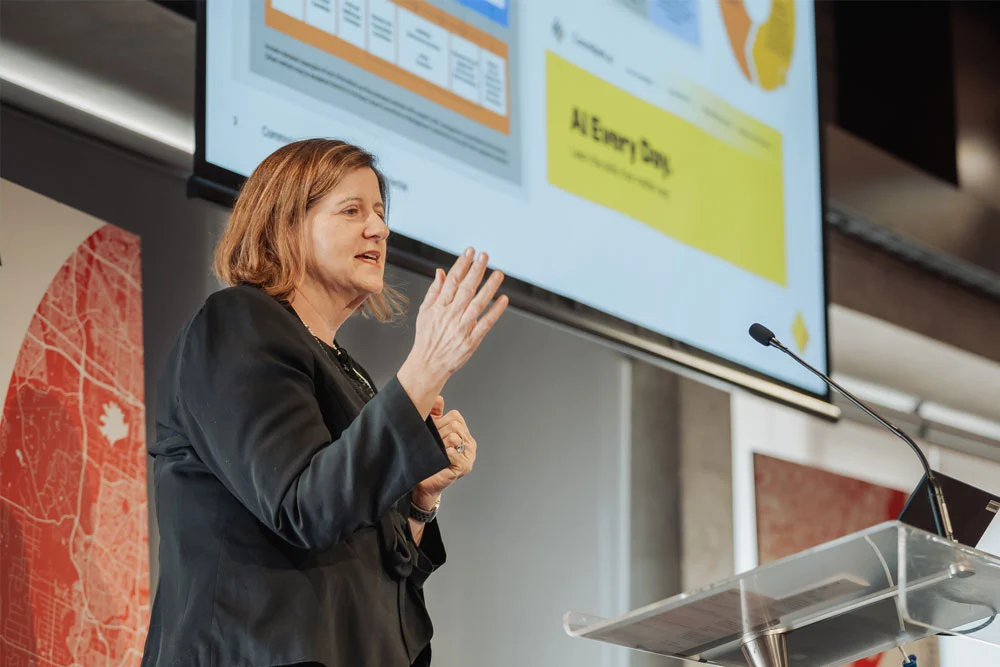

 Nana Wu
 Jia Lissa
 Lina Hope


 Evan Lee Salim