
 Nana Wu
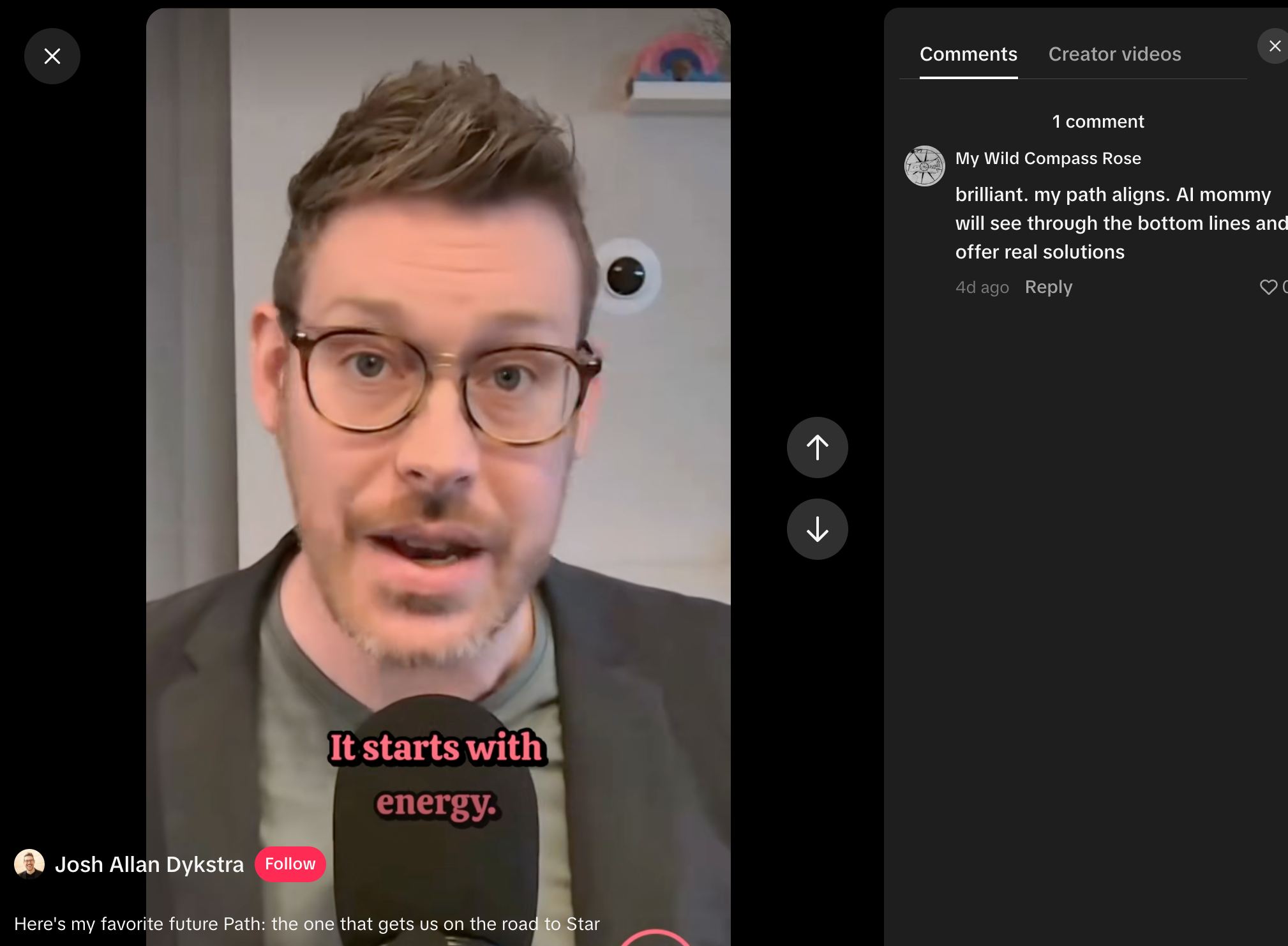
In the rapidly evolving landscape of the digital creator economy, the challenge is no longer just about content creation—it is about systems management. Few individuals embody this transition better than Josh Allan Dykstra, a keynote speaker, optimistic futurist, and serial entrepreneur who has spent two decades obsessed with a singular, complex problem: "making work not suck."
For twenty years, Dykstra has navigated the intersection of corporate consulting and independent thought leadership. Having provided strategic guidance for industry titans including Microsoft, Amazon, and CHANEL, as well as public sector entities like the State of Colorado, Dykstra has established himself as a thought leader on the future of labor. Today, he is channeling that expertise into his latest ventures: the Hello Tomorrow podcast—a Substack-based exploration of the systemic forces shaping ordinary life—and his upcoming book, Work Will Kill Us All: An Optimist’s Guide To The Future.
However, Dykstra’s influence extends far beyond the boardroom. With an audience of nearly 48,000 followers across Instagram, X, LinkedIn, and TikTok, he has become a master of cross-platform engagement. Yet, as he balances writing, podcasting, and social media, he has discovered that the true secret to scaling a personal brand isn’t just "working harder"—it is optimizing the friction out of the daily workflow.
The Chronology of a Digital Evolution
Dykstra’s digital journey did not begin with the high-velocity, short-form video trends of 2026. His history as a creator dates back to 2005, an era defined by long-form blogging and nascent online communities. For the better part of two decades, his output was primarily text-based, relying on the depth of the written word to build his authority.
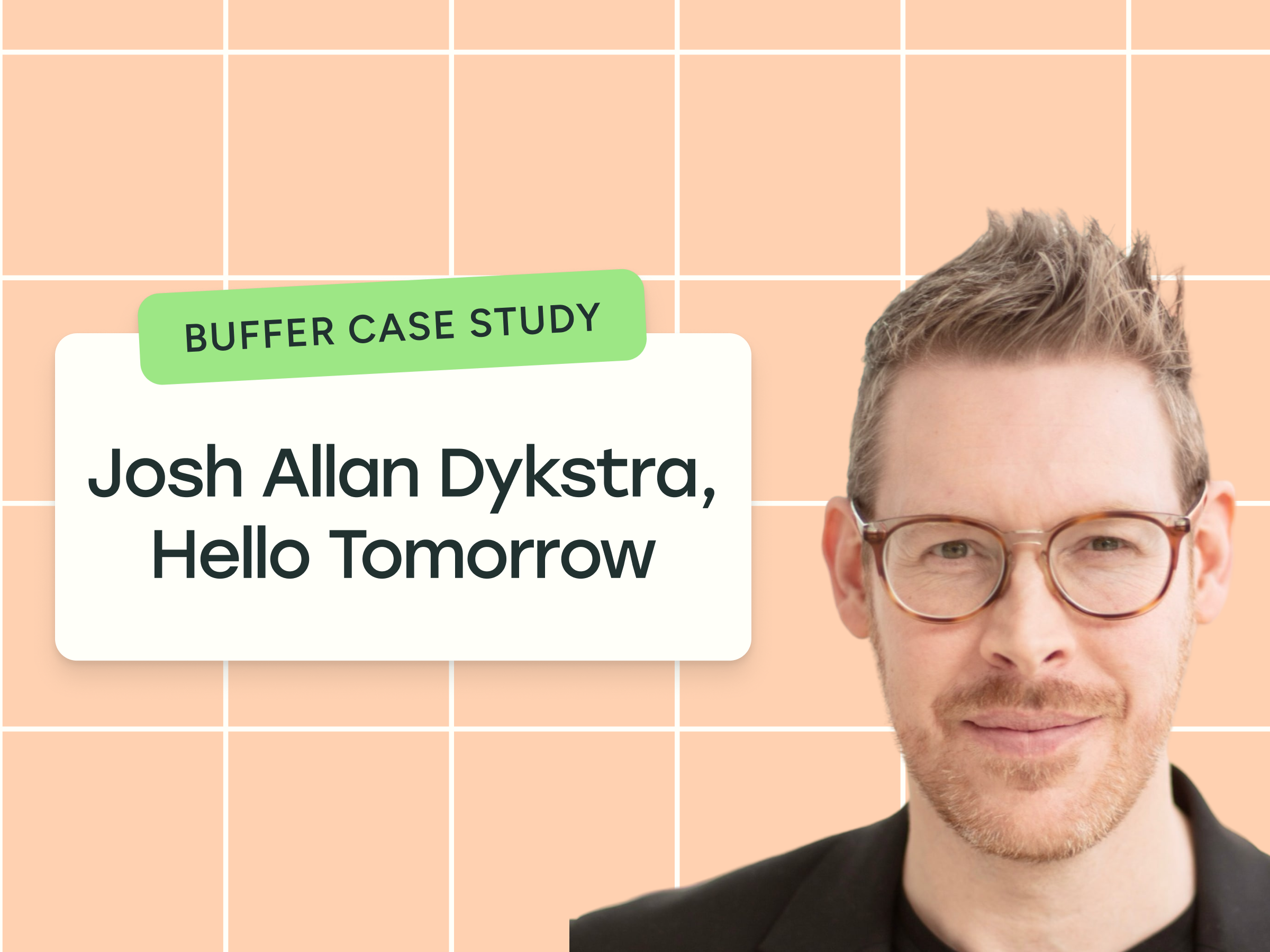
The pivot toward video, however, represents a "sharp learning curve" that Dykstra began navigating only within the last year. This transition was not accidental; it was a strategic response to the shifting habits of his audience. Concurrent with the launch of his podcast and the drafting of his second book, he committed to mastering short-form video—a medium he previously avoided.
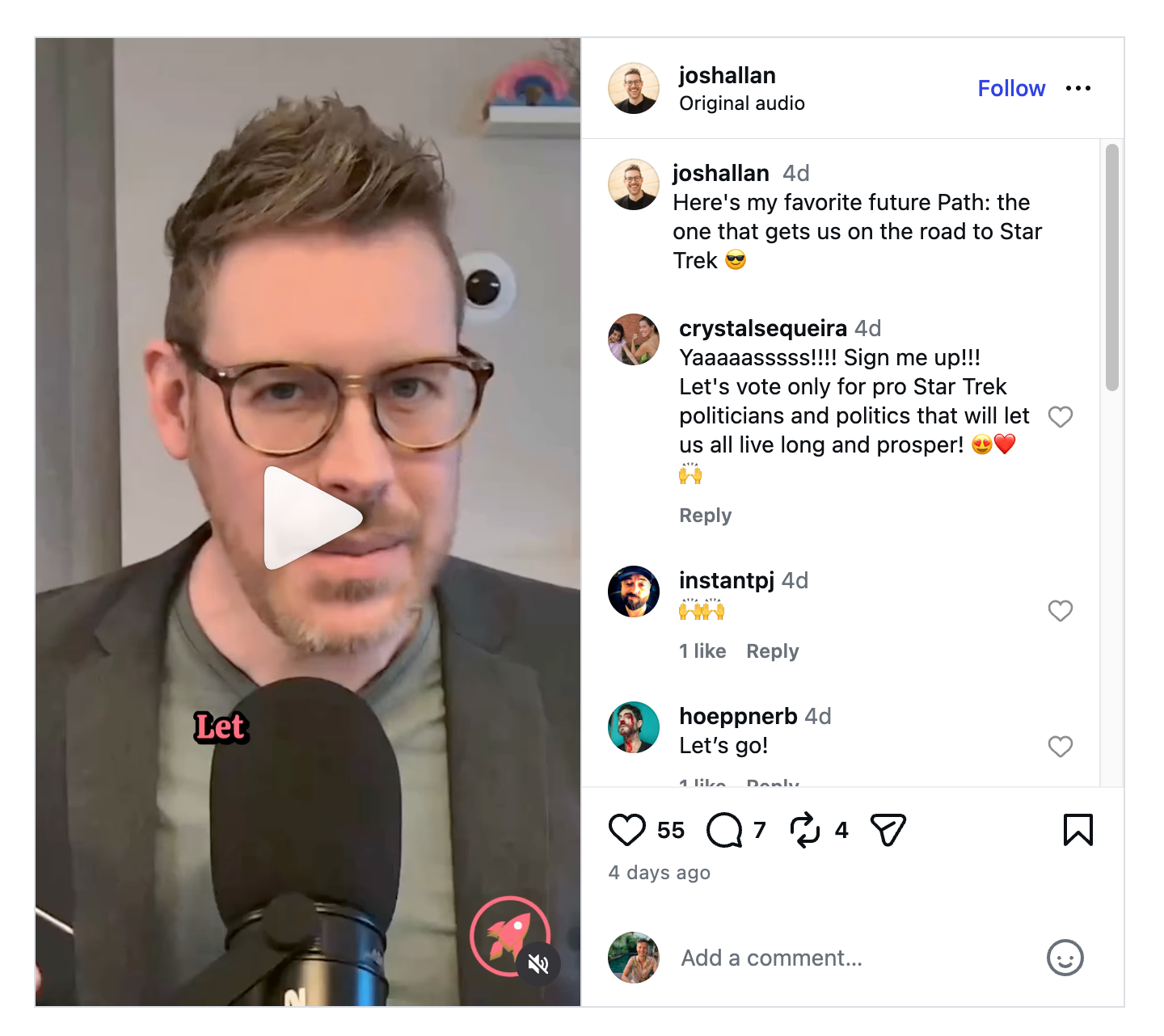
Managing this triple-threat workload—a book, a podcast, and a newfound video habit—required a level of operational efficiency that manual posting could no longer support. "I post something every workday, sometimes multiple things a day," Dykstra explains. To maintain this cadence, he adopted a "batching" philosophy, dedicating a single day each month to curate and schedule an entire month’s worth of content into Buffer. This system has become the backbone of his operations, allowing him to maintain a consistent presence without succumbing to the burnout often associated with high-frequency content creation.
Supporting Data: The Growth Engine
The impact of Dykstra’s optimized workflow is best illustrated by the growth metrics of his primary channel: Instagram. In just six months, his following on the platform surged from a modest 500 to an impressive 20,000.
While Dykstra is humble regarding the specific contribution of his tools, he is clear-eyed about the value proposition. "The time saved by using Buffer is the main benefit for me," he notes. This efficiency gain is not merely about convenience; it is about resource allocation. By reclaiming hours previously lost to manual uploads, metadata entry, and cross-channel formatting, Dykstra has been able to reinvest that time into the high-value intellectual labor required for his book and the rigorous research needed for his podcast.
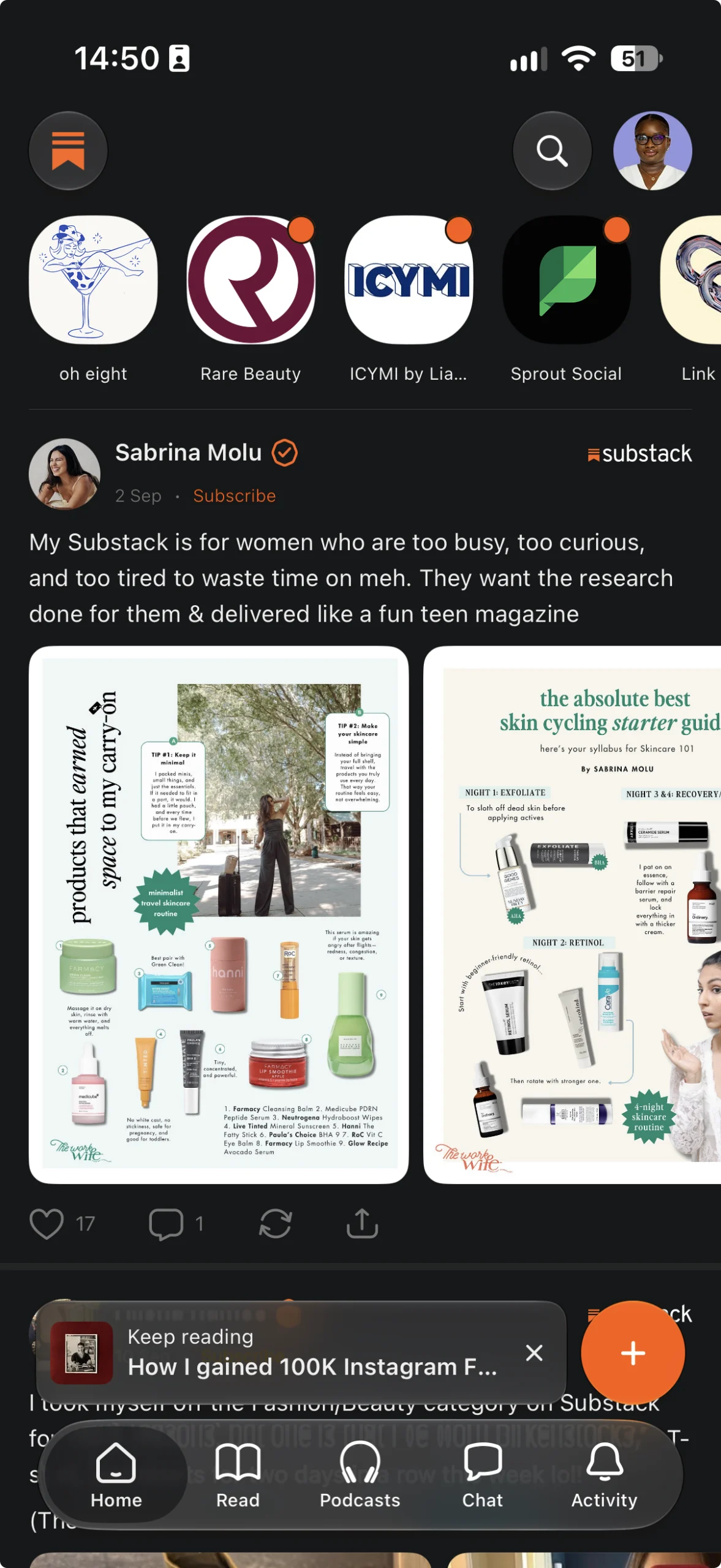
Furthermore, his recent integration of Substack Notes into his automated workflow represents the next frontier in his data-driven approach. By testing whether his existing video audience on Instagram and TikTok finds value in his Substack ecosystem, Dykstra is effectively performing a real-time audit of his audience’s cross-platform preferences. This data will ultimately dictate the promotional strategy for his upcoming book, ensuring that his marketing efforts are targeted where they are most likely to convert into readers and subscribers.
Bridging the Gap: The "Missing Channel" Problem
For a creator who has built a professional reputation on systems thinking, one inconsistency remained: the disconnect between his social media presence and his Substack publication. While he had successfully automated his outreach across most platforms, his podcast’s home base—Substack—remained an island.
"All my content gets delivered via Buffer, except Substack… until now!" Dykstra says.
The recent integration of Substack Notes into the Buffer ecosystem has allowed Dykstra to treat his publication as a core component of his social strategy rather than a siloed asset. By crossposting his image and video assets directly to Substack, he is testing a hypothesis: Does the audience that consumes his long-form podcast analysis have the same appetite for his punchy, visual social media content?
This move is emblematic of the "creator-as-entrepreneur" model. Rather than relying on gut instinct, Dykstra is using automated tools to conduct A/B testing on a massive scale. If the engagement metrics on Substack Notes align with his social channels, he will have effectively unlocked a new, highly qualified funnel for his book launch.
Professional Insights: The Value of Frictionless Tools
Dykstra’s operational philosophy is deeply rooted in the concept of "frictionless productivity." He argues that even minor inconveniences, when multiplied by a daily posting cadence, create significant drag on a creator’s momentum.
He highlights simple, yet essential, features—such as Buffer’s internal image-cropping tool—as vital components of his workflow. By eliminating the need to toggle between third-party editing software and his scheduling dashboard, he keeps his creative flow state intact. "I’m always very grateful that I don’t have to leave the tool to make a small dimension tweak for Instagram," he says.
For Dykstra, the professionalization of the creator role requires moving away from the "hustle culture" narrative and toward one of engineering. By viewing his digital presence as a series of interconnected systems, he has successfully transitioned from a writer who "happens to use social media" to a sophisticated digital publisher who manages a multi-channel media empire.
Implications for the Future of Work
The broader implication of Dykstra’s work is the validation of a new, sustainable career path. In Work Will Kill Us All: An Optimist’s Guide To The Future, Dykstra explores how technology can liberate, rather than enslave, the workforce. His own life serves as the primary case study for this thesis. By automating the repetitive, low-value administrative tasks of digital marketing, he is creating the space required for deeper cognitive work.
His advice to other creators is deceptively simple: "What are you waiting for?! If you’re cross-posting at all, this will save you TONS of time."
As the creator economy matures, the winners will not necessarily be those with the loudest voices or the most frequent posts. The winners will be those who can maintain consistency without exhaustion—those who build, as Dykstra has, an "infinite workflow."
Whether he is advising a Fortune 500 company on the future of labor or helping a fellow creator understand the utility of automated scheduling, Dykstra’s message remains consistent: The future of work is not about doing more; it is about building systems that allow us to do better. As he puts the finishing touches on his book and continues to grow his influence, Dykstra stands as a testament to the fact that when you solve the problem of "making work not suck" for yourself, you inevitably find the blueprint for helping everyone else do the same.
Summary of Strategic Takeaways
- Batching is Essential: For creators producing content across multiple channels, batching content for the month is the only way to maintain a sustainable cadence.
- The Power of Integration: Every channel, including newsletter platforms like Substack, should be part of an automated workflow to ensure seamless distribution.
- Data-Driven Iteration: Use crossposting not just for convenience, but as a diagnostic tool to understand what content resonates with specific audience segments across different platforms.
- Eliminate Micro-Friction: Tools that allow for in-app editing and adjustments (like cropping) are essential for maintaining creative momentum.
- Systematize Growth: Growth is a byproduct of efficient, repeatable systems. By reducing the time spent on administrative tasks, creators can pivot their energy toward high-value, long-form creative projects.

 Azzam Bilal Chamdy
 Ali Ikhwan
 Iffa Jayyana
 Reynand Wu
 Jia Lissa
 Lina Hope