
 Asep Darmawan
In the high-stakes arena of global streaming, Netflix has increasingly staked its reputation on the power of animation. Following the historic, record-breaking success of the Oscar-winning KPop Demon Hunters—which garnered over 540 million lifetime views—the platform has looked to replicate that magic with its latest high-profile release, Swapped. However, the trajectory of Swapped has proven to be a fascinating anomaly in modern media: while professional critics have largely dismissed the film as uninspired, audiences have flocked to it in unprecedented numbers, setting a new weekly record for an animated feature on the service.
A Record-Breaking Debut Amidst Critical Scorn
The numbers are difficult to ignore. In its first seven days of release, Swapped racked up a staggering 38.7 million views globally. This surge has officially eclipsed the weekly debut records previously held by industry heavyweights, including KPop Demon Hunters.
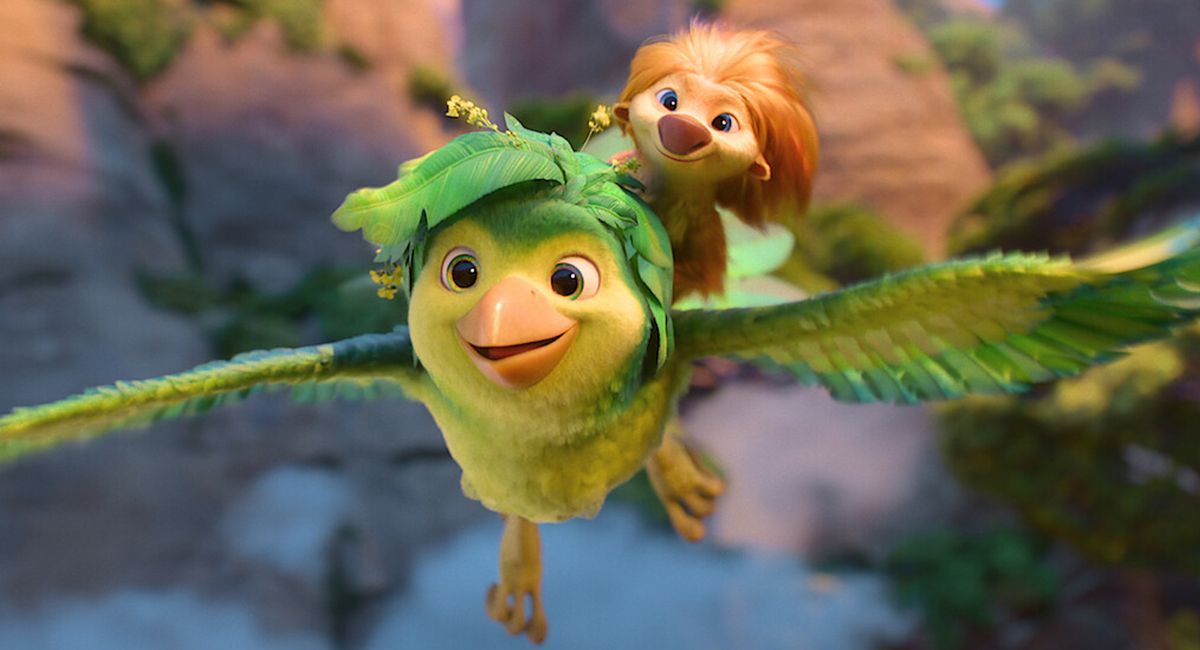
Yet, the critical reception paints a starkly different picture. The film, which follows the body-swapping escapades of a pookoo named Ollie and a bird named Ivy, has been subjected to harsh reviews. Benjamin Lee of The Guardian awarded the film a mere two out of five stars, criticizing its reliance on a "rote buddy comedy quest narrative." Similarly, Grant Hermanns of Screen Rant delivered a scathing 3/10 rating, describing it as "not merely bound to be forgotten" but as "one of Netflix’s worst animated movies yet."
Despite this professional backlash, the public sentiment remains overwhelmingly positive. At the time of writing, Swapped boasts an 87% audience approval rating on Rotten Tomatoes. This massive disconnect between the critical establishment and the viewership highlights a growing divide in how "success" is measured in the age of streaming algorithms and algorithmic recommendation engines.
The Anatomy of the Narrative: A Genre-Bending Quest
At its core, Swapped leans into a well-established trope—the body-swap comedy. Much like Freaky Friday or Makoto Shinkai’s acclaimed Your Name, the plot centers on two natural enemies who find themselves inhabiting each other’s bodies after a magical botanical mishap.
However, the film’s narrative architecture bears a striking resemblance to other recent entries in the animal-centric animation subgenre, most notably Pixar’s Hoppers. While Hoppers opted for a science-fiction framework involving a human consciousness being uploaded into a robotic beaver, Swapped embraces a more traditional fantasy aesthetic.
The story is simple: Ollie (voiced by Michael B. Johnson) and Ivy (voiced by Juno Temple) must navigate the perils of their shared ecosystem to reverse the spell. It is a classic "buddy quest" designed to be accessible to a broad, family-oriented demographic. By stripping away complex subplots and focusing on themes of empathy, identity, and environmental stewardship, the creators have crafted a film that functions as "comfort viewing"—a genre that has seen a massive uptick in engagement during recent periods of global socio-economic uncertainty.
A Heavyweight Pedigree: The Skydance Factor
The commercial success of Swapped is not entirely a mystery, despite the critical panning. The film represents a major investment from Skydance Animation, the studio behind Luck and Spellbound, and features a production team with deep industry roots.
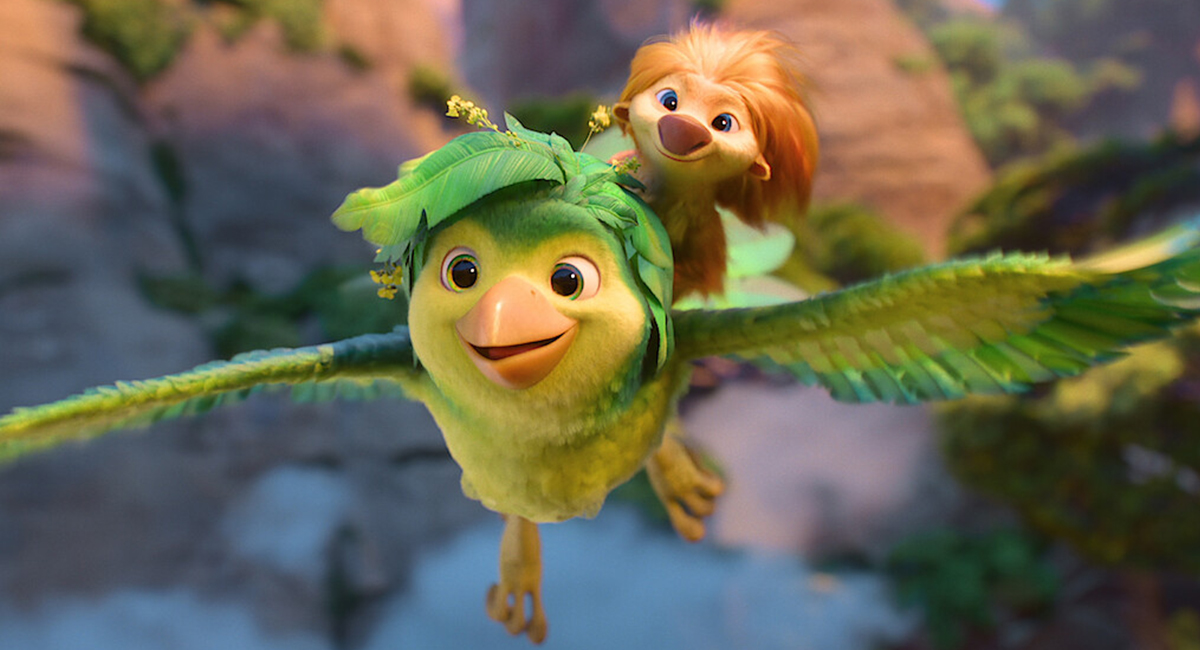
The production was helmed by John Lasseter, the co-founder of Pixar and the visionary behind the Toy Story franchise. By pairing this level of industry pedigree with the directing prowess of Nathan Greno—best known for his work on Disney’s Tangled—Netflix ensured that the film possessed the "gloss" and technical polish audiences expect from premium animation.
When you combine a high-budget production team with A-list voice talent like Michael B. Johnson and Juno Temple, the movie arrives with a level of visibility that smaller, more experimental projects simply cannot match. Unlike KPop Demon Hunters, which grew its audience organically over months through word-of-mouth and the unique cultural appeal of K-Pop, Swapped hit the ground running with a marketing machine designed to peak within the first 72 hours of release.
Visual Artistry: The "Freshness" of Design
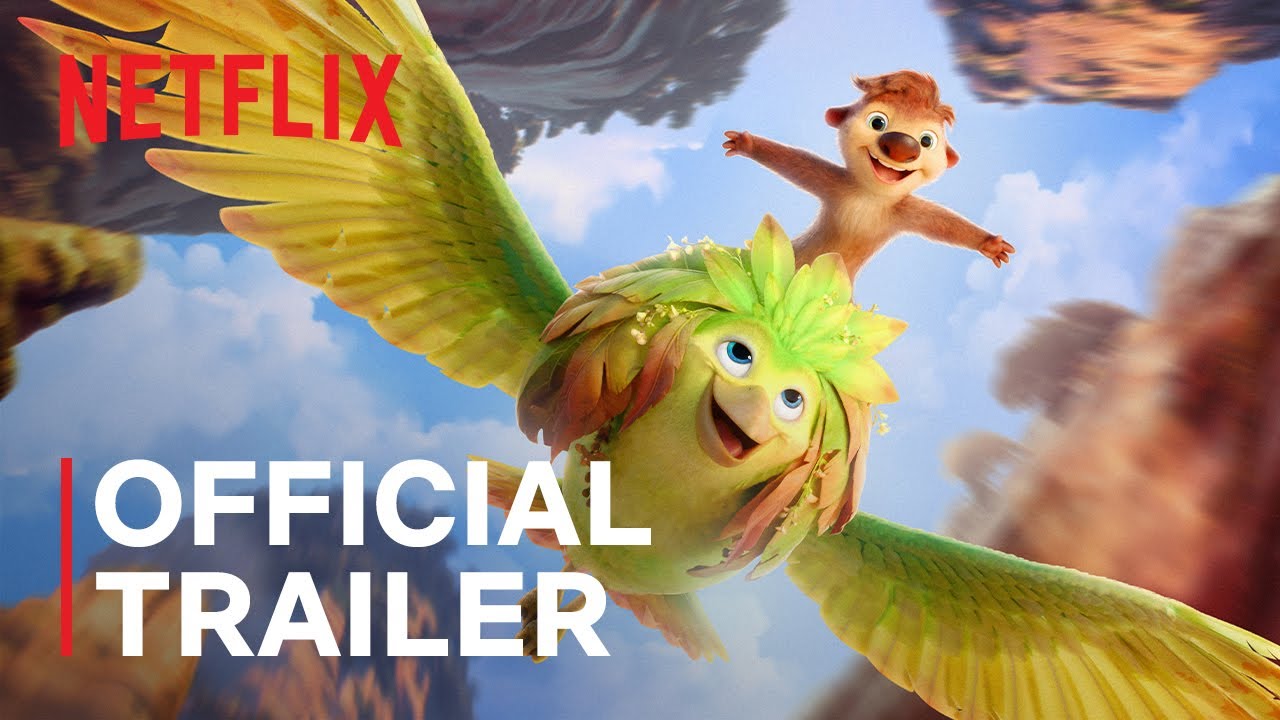
While critics may have found the story derivative, the visual presentation of Swapped has garnered near-universal acclaim. The film’s worldbuilding is arguably its greatest strength, particularly in the realm of creature design.
The animation team clearly invested heavily in the concept of "fantasy flora-fauna hybrids." Viewers have praised the inventive aesthetic choices:
- Textural Depth: Snakes with scales that mirror the intricate patterns of tree bark.
- Armor Design: Hedgehogs that utilize natural materials like pinecones for defensive plating.
- Aquatic Beauty: Fish species featuring translucent, flowing fins that mimic the movement of aquatic plants.
The technical execution—utilizing advanced HDR lighting and high-definition textures—makes the film a visual feast. In a saturated market, this "eye candy" appeal often serves as the deciding factor for parents choosing a film for family movie night, regardless of the narrative complexity.
The Broader Landscape: Disney, Pixar, and the Streaming Wars
To understand Swapped’s success, one must view it through the lens of its competition. The animation market is currently dominated by massive intellectual properties, such as Disney’s Zootopia 2 and Pixar’s Hoppers. These films have established a certain expectation for what an animated animal movie should look and feel like.
Swapped manages to carve out a niche by offering a fantasy-based alternative to the sci-fi leaning Hoppers. By releasing in proximity to these heavy hitters, Swapped capitalized on a "seasonal hunger" for animated content. Audiences who had just finished a high-concept Disney or Pixar film were seemingly primed to seek out similar, low-stakes, visually vibrant content.
Implications for Future Production
The success of Swapped poses a difficult question for the industry: Do reviews matter anymore?
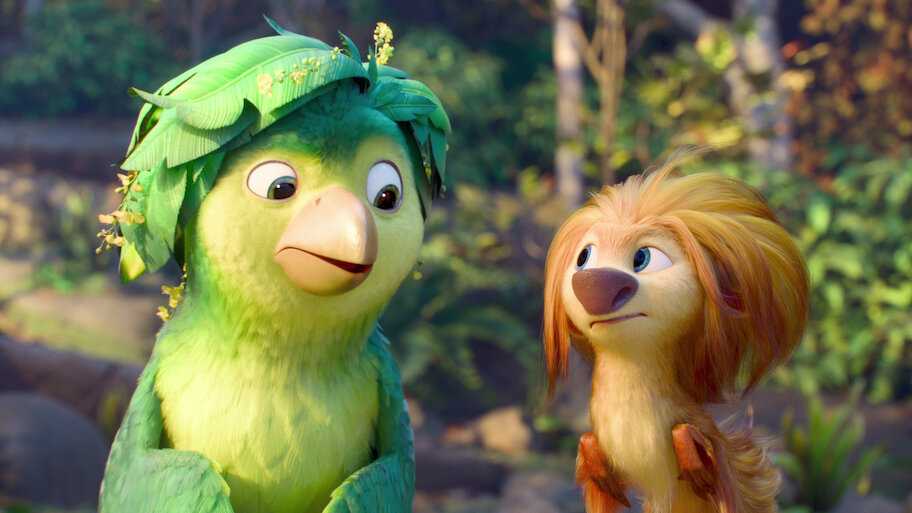
If a film can secure 38.7 million views in a week while being derided by professional critics, the traditional model of film criticism may be losing its influence over consumer behavior. Netflix’s own data-driven strategy suggests that they are less concerned with "critical prestige" and more focused on "engagement metrics."
For studios, the takeaway may be that the "comfort movie"—an emotionally accessible, visually stunning, and simple story—is a more reliable investment than a complex, critically acclaimed masterpiece that might struggle to find an audience.
Conclusion: A Win for the Algorithm?
Whether Swapped remains a cultural touchstone or fades into the background of the Netflix library remains to be seen. Its current success is a testament to the power of high-end production, a recognizable cast, and a release strategy that aligns perfectly with audience appetites for escapist, family-friendly media.
While critics may continue to decry the film’s lack of narrative innovation, the audience has spoken with their time. Swapped proves that in the modern era of streaming, a movie doesn’t need to reinvent the wheel to capture the global imagination—it just needs to be a colorful, safe harbor in a chaotic world. As the industry looks toward the next big release, the success of this "flawed" but popular film will likely shape the creative briefs for years to come.

 Sagoh
Sagoh
 Nana Muazin
 Nila Kartika Wati
 Jia Lissa
 Basiran


 Lina Hope