
 Nana Muazin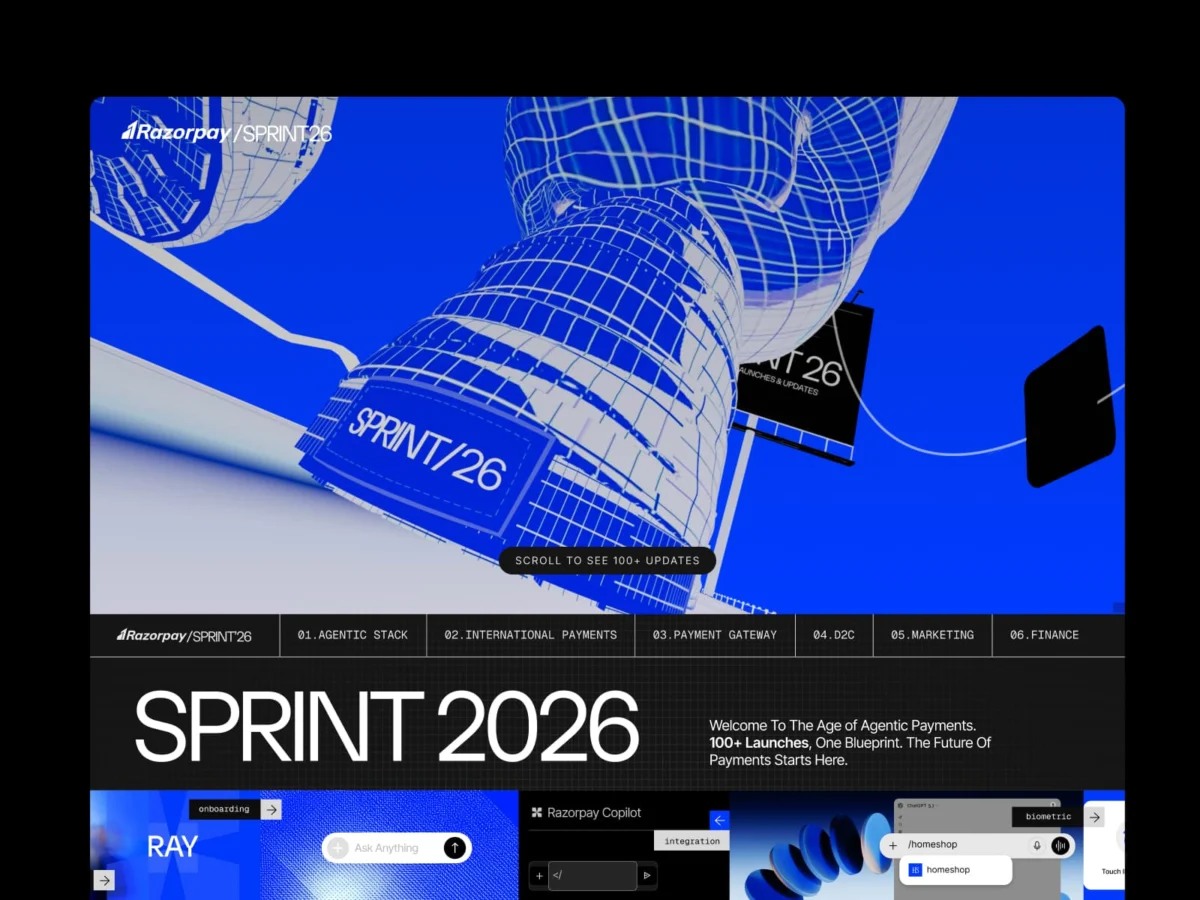
In the hyper-competitive world of B2B fintech, the rulebook for product launches has been etched in stone for over a decade: keep the UI clean, prioritize trust signals, lead with a feature-heavy hero section, and ensure a pricing table is never more than a click away. It is a formula designed for safety, conversion, and predictability.
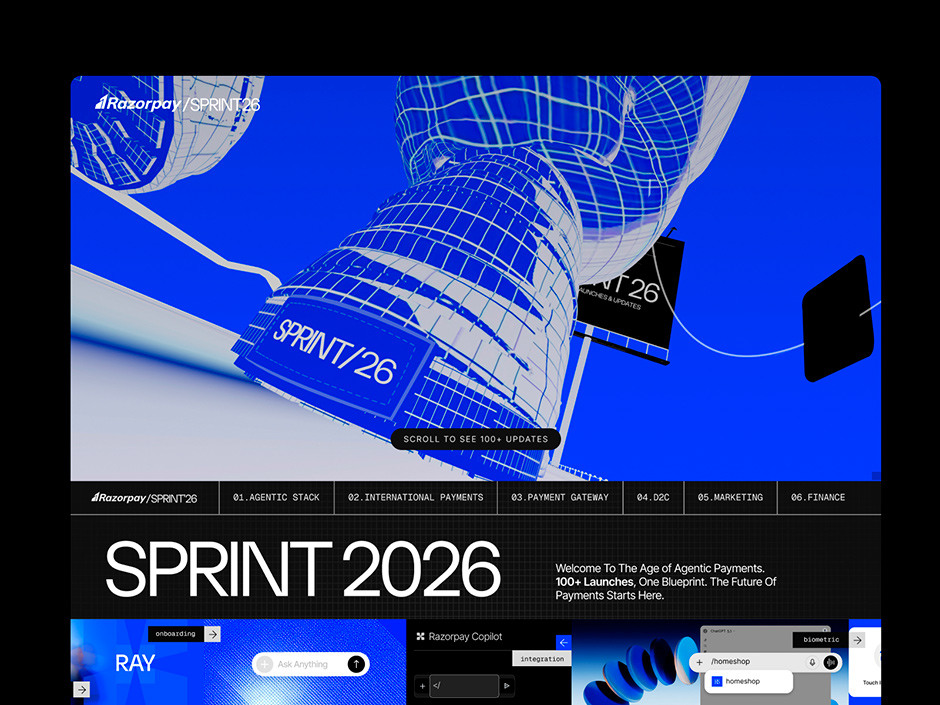
Razorpay, the Indian fintech titan, recently shattered that consensus with the launch of "Sprint26." Rather than greeting users with a sterile dashboard or a bold headline about transaction speeds, the company’s digital portal opens with an image that defies industry logic: a giant, floating sneaker.
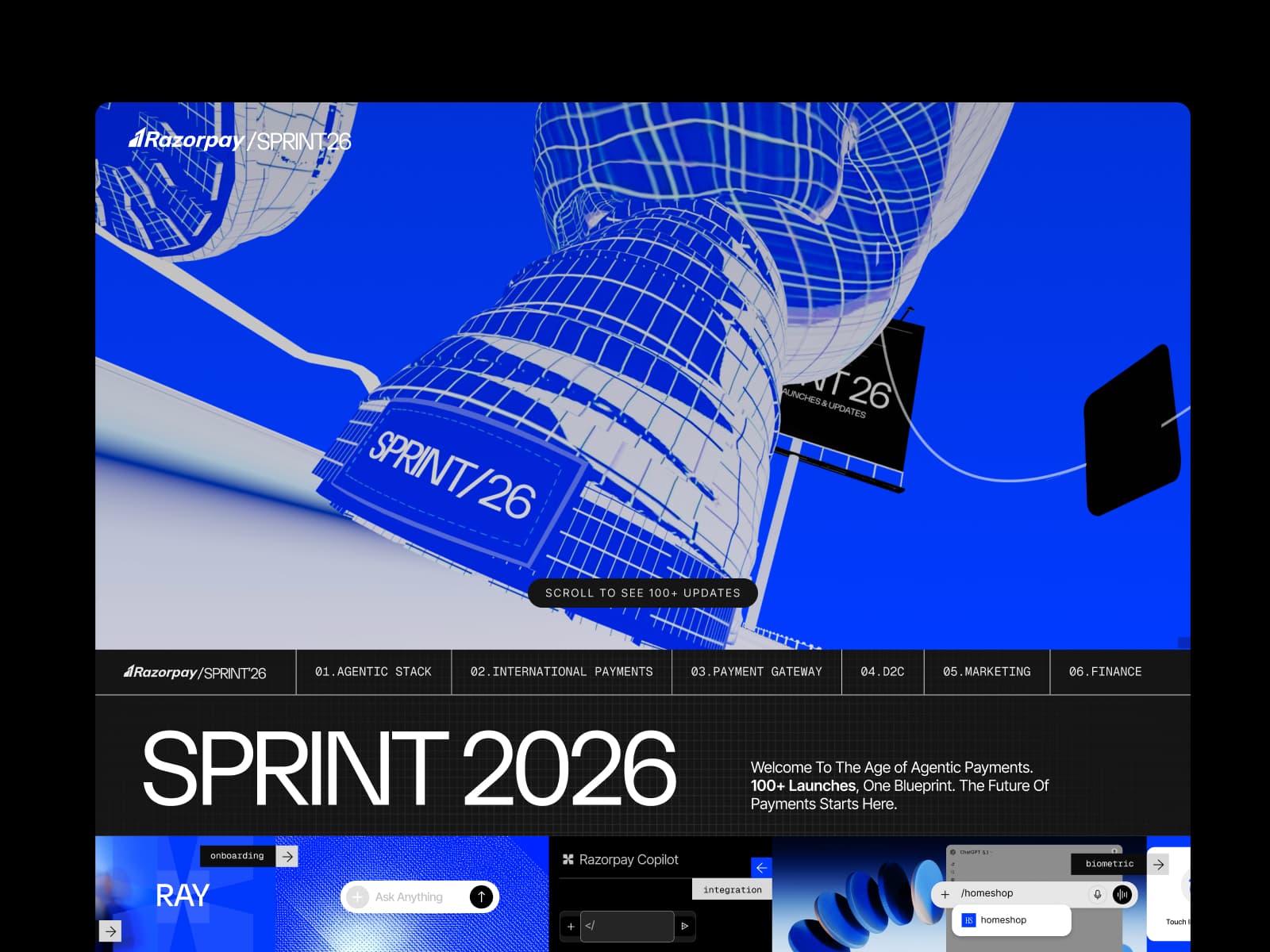
This was not a branding misstep or a decorative choice. It was a calculated, high-stakes thesis on the future of commerce. By choosing to lead with a fashion object rather than a payment gateway interface, Razorpay signaled that the era of "safe" corporate websites has effectively reached its expiration date.
The Chronology of a Paradigm Shift
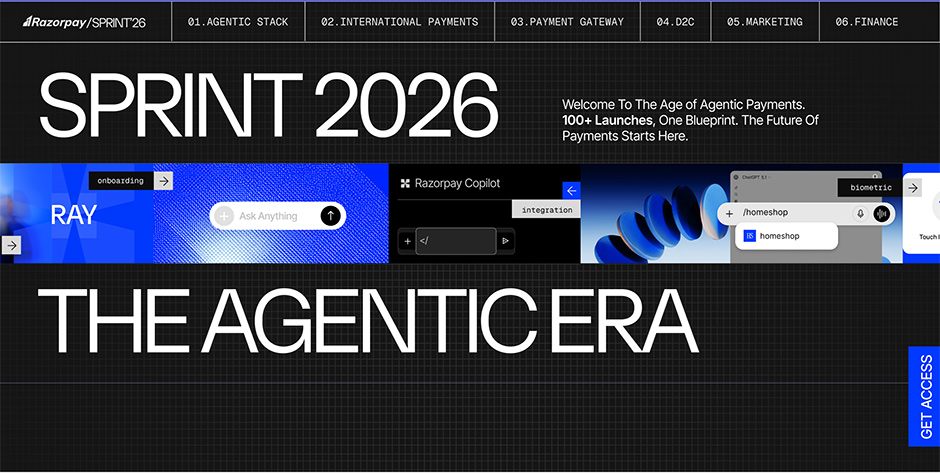
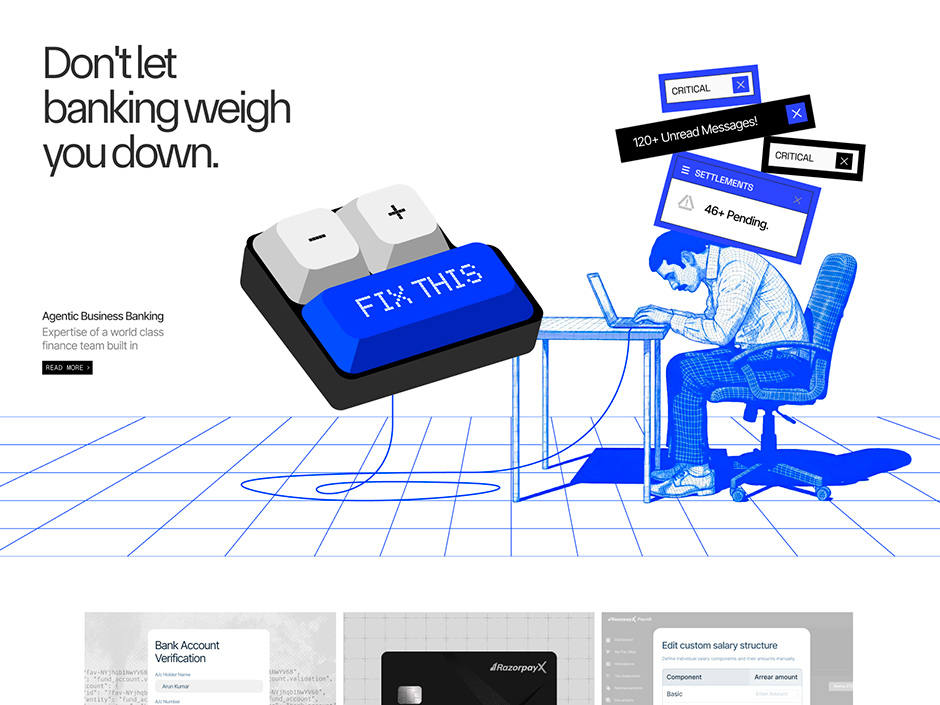
The concept of "Sprint" is Razorpay’s flagship annual product reveal—a high-pressure, high-innovation event often compared to Apple’s WWDC, but tailored for the specific nuances of the Indian fintech ecosystem. The goal for the 2026 edition was staggering in scope: to unveil over 100 product updates spanning six critical verticals—Agentic Stack, International Payments, Payment Gateway, D2C, Marketing, and Business Banking.
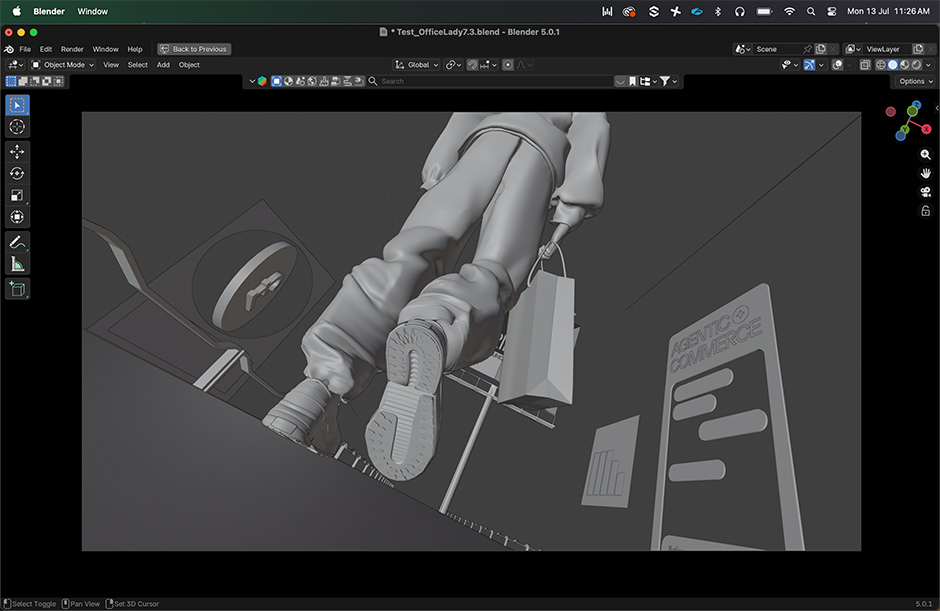
For the internal Communication Design team, the challenge was not merely technical; it was narrative. How do you communicate 100 disparate updates without resorting to a tedious, soul-crushing grid of feature cards?
The process began with a radical shift in perspective. Instead of viewing the updates as a list of features, the team began to view them as a journey. By mid-2026, the team settled on a central metaphor: "The Shopper’s Journey into the Age of Agentic Payments."
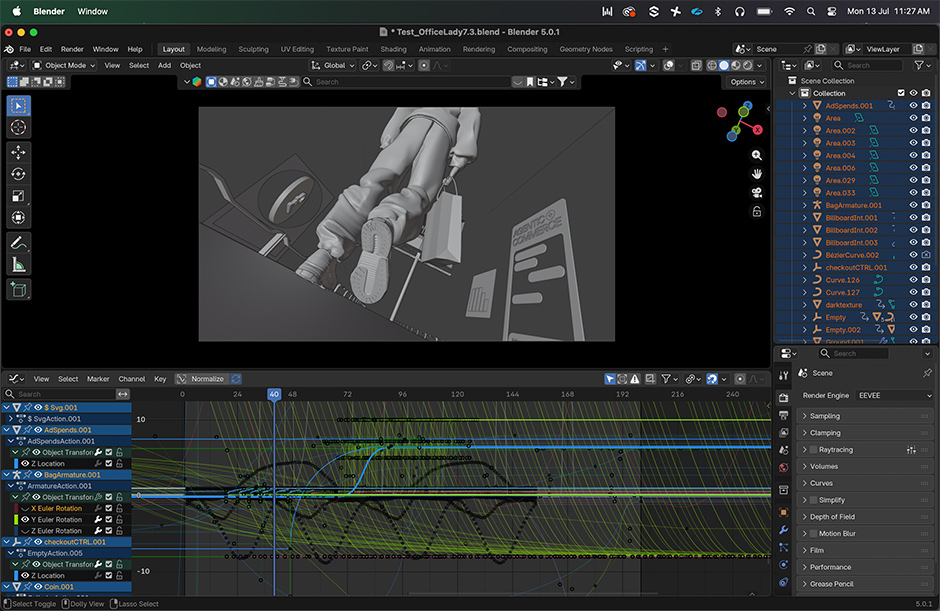
The development phase was a sprint in every sense of the word. Operating entirely in-house, the design team bypassed traditional agency models. Utilizing a robust stack including Webflow, Rive, WebGL, and Three.js, the team spent two months in a state of high-intensity iteration. By collapsing the distance between the designers and the builders—a rarity in large-scale enterprise—the team ensured that the vision of the "floating shoe" remained intact from the first sketch to the final deployment.
The Conceptual Framework: Why a Shoe?
To understand why a fintech company would open its most critical launch with a sneaker, one must understand the core product: Agentic Payments.
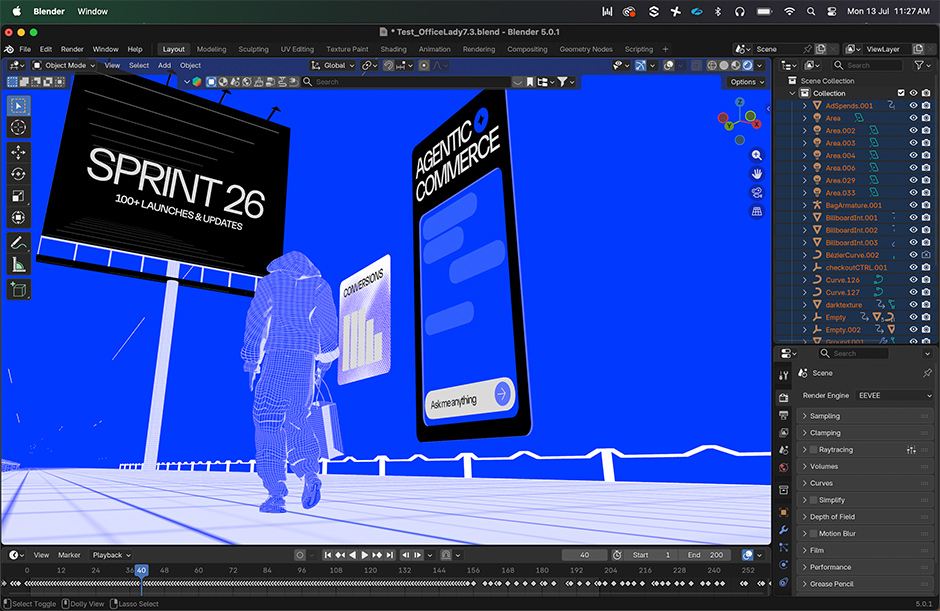
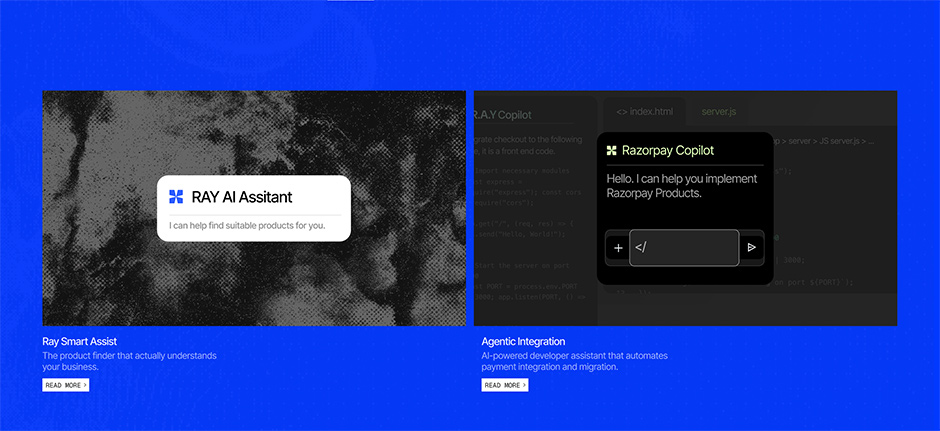
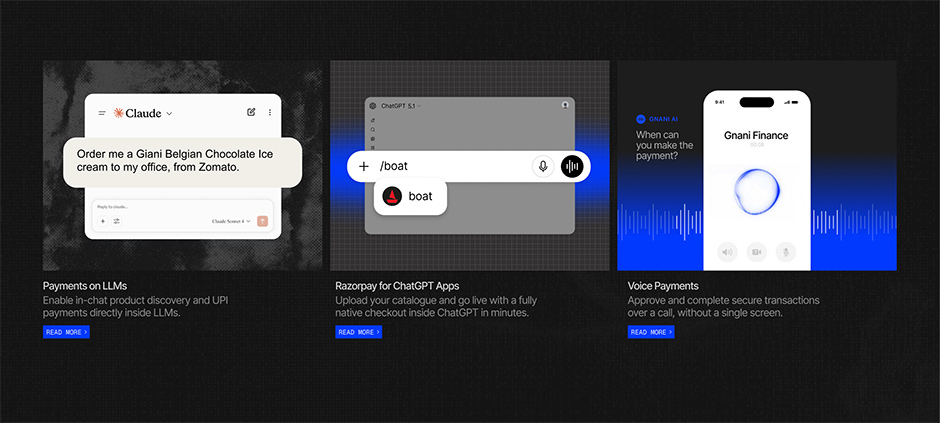
Razorpay’s Sprint26 is centered on AI-led commerce. The vision is an environment where customers browse, curate, and complete transactions without ever exiting a conversation. In this future, commerce happens inside LLMs, voice calls, and chat interfaces. A traditional "checkout page" is becoming a relic.
The shoe, therefore, serves as the perfect vessel for this narrative. It represents the "agentic" consumer—someone who selects, walks, and engages with the world. As the user scrolls, the shoe is joined by a shopper figure. As the shopper walks, their digital bag fills with the 100+ product innovations Razorpay has built. The journey is not a slide deck; it is a walk through the infrastructure of the future.
Supporting Data: The Tech Stack Behind the Magic
The technical execution of Sprint26 serves as a case study for modern web performance. With over 100 animated interactions, the site had to balance heavy 3D assets with lightning-fast load times. The team utilized a sophisticated architecture to ensure the experience felt fluid rather than bogged down by its own ambition.
- Rive for Interactivity: Rather than using CSS transitions or looping GIFs, the team employed Rive, a runtime animation tool that compiles to WebAssembly. This allowed for 100+ triggers that respond to actual user behavior—state machines that "live" within the page.
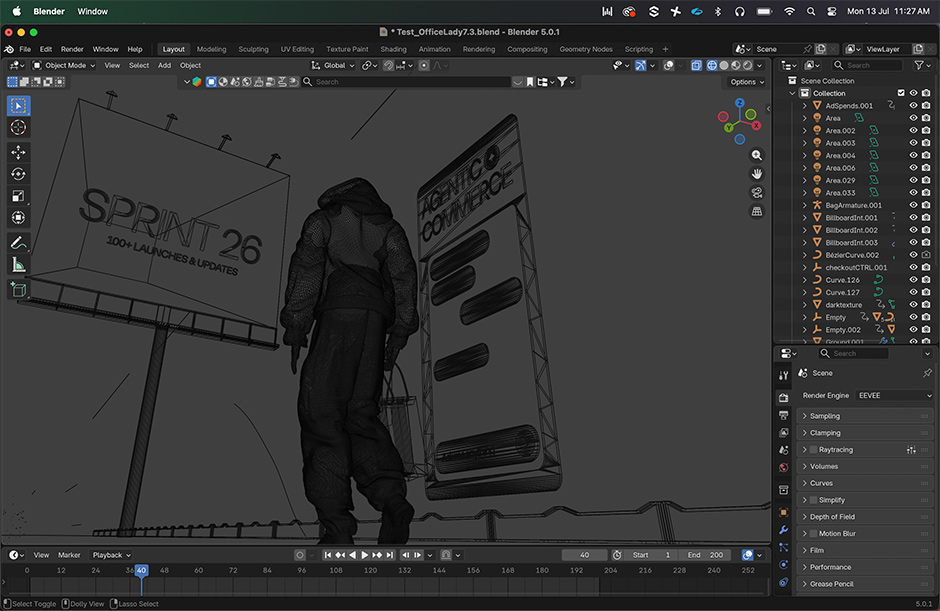
- WebGL and Three.js: The spatial depth—the 3D transitions, the walking figure, and the dimensional shifts—was powered by Three.js. Assets were prototyped in Blender Studio, ensuring that the visual fidelity remained high throughout the transition from static model to browser-based environment.
- The Blueprint Aesthetic: The site is limited to a strict palette: Electric Blue (#0039FF) and Near-Black (#151515). This "blueprint" aesthetic is more than a stylistic choice; it is a semiotic nod to the nature of the work. Blueprints are for builders, and for an infrastructure-heavy company, the aesthetic reinforces the idea that Razorpay is providing the foundation upon which the next generation of commerce will be built.
Official Responses and Internal Philosophy
The decision to move away from the "trusted, clean, and safe" B2B aesthetic was not without its internal detractors. In a field dominated by risk-averse marketing, proposing a shoe-led hero image required significant buy-in from leadership.
"The shoe was always going to be controversial," notes the design team. "It was a direct challenge to the unspoken rules of fintech."
However, the internal consensus shifted when the narrative impact became clear. The design team, led by Sourajit Sengupta and Avantika Swarup, argued that the product deserved an introduction as forward-thinking as the AI technology it contained. By placing designers in the role of builders, the team avoided the "compromise of execution"—that common scenario where a brilliant design is watered down by developer interpretation or technical debt. The result is a seamless, high-fidelity experience that reflects a unified intent.
Implications for the Industry
The success of Sprint26 has immediate implications for the broader B2B and fintech sectors.
1. The Death of the Feature Grid
Sprint26 has set a new benchmark: narrative over listicles. It proves that complex B2B products can be communicated through a continuous story rather than a static catalog. Organizations that rely on dense, text-heavy feature pages are now looking increasingly obsolete.
2. The Rise of the "Builder-Designer"
The project highlights a shift in corporate structure. By keeping the design-to-build pipeline in-house and utilizing modern tools like Webflow and AI-assisted workflows (Claude and ChatGPT), Razorpay bypassed the traditional "hand-off" delay. This is a blueprint for agility. If a company can build a world-class, high-motion experience in two months without an outside agency, the barrier to entry for creative marketing has effectively lowered.
3. Fintech as a Consumer-Facing Brand
Finally, the project underscores the "consumerization" of fintech. As payment infrastructure becomes more "ambient"—happening in the background of chat and voice interactions—the brand messaging must follow suit. By leaning into an aesthetic that feels more like a high-end fashion or tech-forward lifestyle brand, Razorpay is positioning itself not just as a payment processor, but as an essential, invisible layer of the consumer’s daily life.
Conclusion: A New Standard
Sprint26 is more than a successful product launch; it is a manifesto. It argues that if you are building the future, your interface cannot be a relic of the past.
For the team at Razorpay, the goal was never to win an award—though the technical mastery on display certainly makes them a contender for global design accolades. The goal was to prove that fintech can be daring, narrative-driven, and physically engaging.
In the span of a single scroll, the visitor is taken from a simple shoe to the complex, agentic future of global commerce. It is a masterclass in storytelling, proving that when the vision is clear, the medium can be anything—even a sneaker. Razorpay has not just launched products; they have launched a new way for the industry to talk about its own future. The "unspoken rules" of B2B design haven’t just been broken; they have been rewritten.

 Sagoh
Sagoh
 Muslim
 Nila Kartika Wati
 Jia Lissa
 Basiran


 Lina Hope