
 Rifan Muazin
Somewhere within the depths of your existing email database lies a goldmine of untapped revenue. It consists of customers who have purchased multiple times, left glowing five-star reviews, and—crucially—would be delighted to recommend your brand to their inner circle. Yet, for many founders and marketing leads, this potential remains dormant.
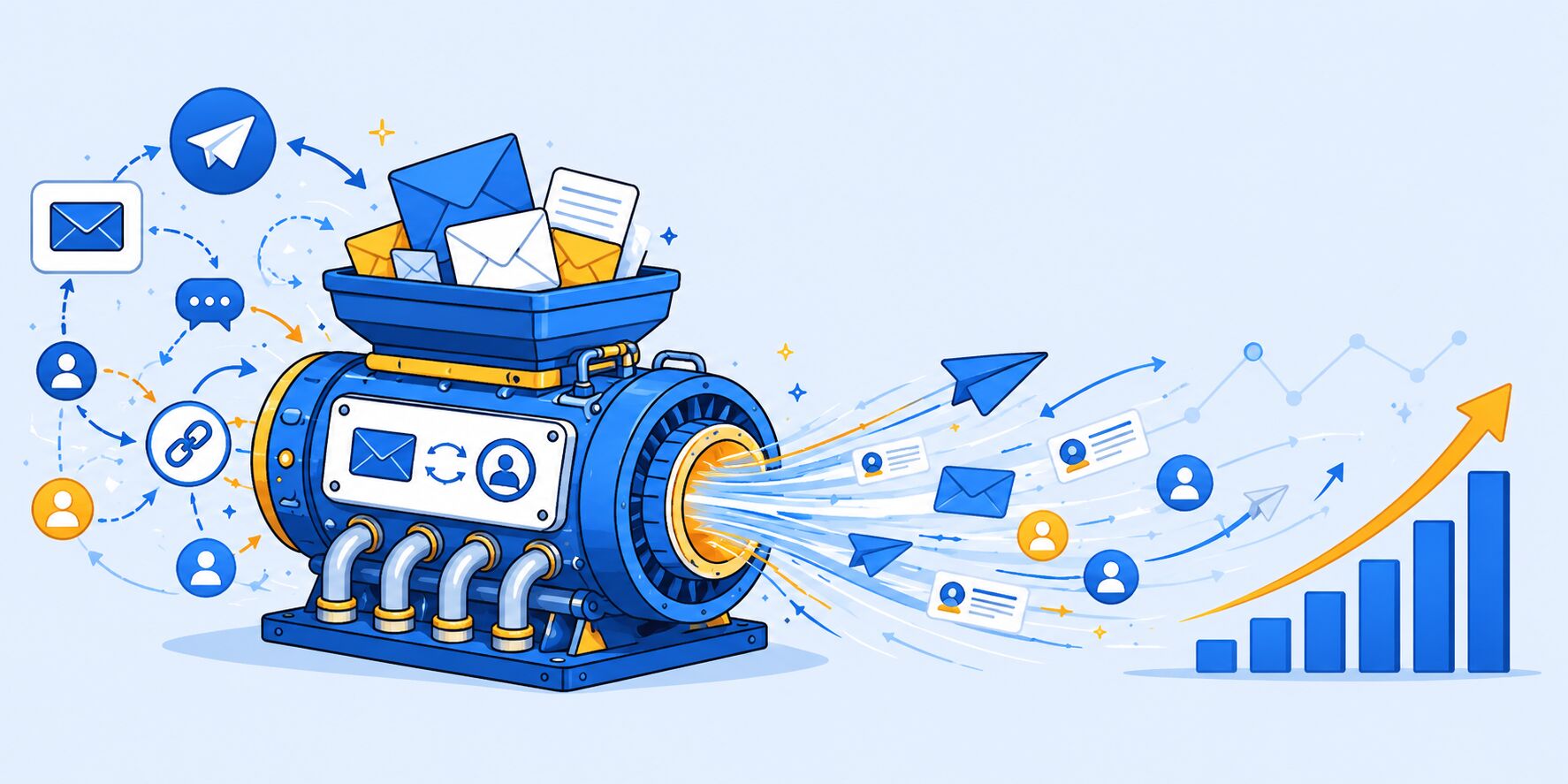
The traditional approach to referral marketing is often treated like an unused gym membership: it technically exists, but it hasn’t been touched since January. A stagnant link buried in a website footer is not a strategy; it is a missed opportunity. To scale effectively, businesses must transition from treating referrals as a static page to viewing them as a dynamic, automated "referral engine."
The Core Mechanics: Why Referrals Outperform Paid Media
In an era where digital advertising costs are skyrocketing and consumer trust in traditional ads is at an all-time low, the referral remains the most powerful currency in commerce. When a trusted friend says, "You would love this," the heavy lifting of the sales process is already complete. No targeting algorithm, regardless of its sophistication, can replicate the social proof embedded in a personal recommendation.
Referred customers represent a superior segment of the market. Data consistently shows they convert at significantly higher rates, possess a higher lifetime value (LTV), and demonstrate greater brand loyalty than customers acquired through paid channels. Because customers rarely refer friends who are a poor fit for the product, your existing user base acts as a highly effective, self-correcting targeting machine.
Chronology of a Referral Engine: Building the Infrastructure
To convert passive fans into active advocates, companies must move beyond the "set it and forget it" mentality. The transformation follows a distinct developmental path:
- The Foundation (Segmentation): Stop treating your entire email list as a monolith. Identify the "Power Users"—those who have made repeat purchases or engaged deeply with your content.
- The Trigger (Timing): Map your referral requests to specific "moments of delight." Whether it’s immediately following a glowing review or after a successful customer support interaction, timing is the difference between a conversion and an ignored email.
- The Automation (Execution): Use marketing technology to ensure these requests fire automatically. Manual outreach is not scalable; automated, behavior-triggered emails ensure the ask arrives precisely when goodwill is at its peak.
- The Optimization (Friction Reduction): Audit the referral flow. If a user needs more than 15 seconds to share their link, the process is too complex.
Supporting Data: The Anatomy of Success
The failure of most referral programs can be traced back to two primary bottlenecks: a lack of incentive for both parties and excessive friction.
The Power of Two-Sided Rewards
One-sided rewards—where only the referrer benefits—often feel transactional or "grubby" to the customer. Conversely, programs that only reward the new customer provide no incentive for the referrer to initiate the conversation.
The "Give $10, Get $10" model is the gold standard for a reason. It turns the act of sharing into a genuine favor. The referrer provides value to their friend in the form of a discount, and the new customer receives a lower barrier to entry. This alignment of incentives ensures that both sides feel rewarded, fostering a positive association with your brand.
Minimizing Friction
Modern consumers operate in a "mobile-first" environment. If your referral process requires a user to copy-paste a link into an email, they won’t do it. High-performing referral engines leverage one-tap sharing functionality, allowing users to send pre-written, human-sounding messages via WhatsApp, SMS, or email instantly.
Strategic Implications for Modern Founders
The shift toward automated referral engines has significant implications for how businesses allocate their marketing budgets.
The Cost of Inaction
For many, the "cost" of a referral program is perceived as the discount given to the customer. However, the true cost is the "Customer Acquisition Cost" (CAC) of the alternative: paid search and social ads. When businesses rely solely on paid acquisition, they are essentially renting their customers from platforms like Meta or Google. By building a referral engine, companies are investing in an owned asset—a self-sustaining cycle of acquisition that compounds over time.
The Role of Smart Integration
The complexity of modern e-commerce—managing points, tiers, and attribution—can feel overwhelming. This is where modern marketing stacks, such as Omnisend, provide critical infrastructure. By integrating with loyalty platforms like Smile or Yotpo, these tools handle the "plumbing" of the program. They track who referred whom, calculate rewards automatically, and ensure that the referral loop remains closed without requiring manual intervention from the marketing team.
The Future of Word-of-Mouth Marketing
Word-of-mouth is happening right now, whether you have a program in place or not. Your customers are already discussing your brand at the dinner table, on social media, and in group chats. The question for the modern founder is not whether word-of-mouth exists, but whether you have created the infrastructure to amplify it.
By building a systematic, automated, and incentivized referral engine, you aren’t creating a new marketing channel; you are simply providing a megaphone for the brand advocacy that already exists.
Key Takeaways for Immediate Implementation:
- Audit your current ask: Is it buried, or is it prominent?
- Segment your list: Start your referral efforts with your top 10% of customers.
- Double-side your rewards: Ensure the benefit flows to both the referrer and the referee.
- Automate the timing: Align your requests with high-engagement moments like repeat purchases or positive reviews.
- Minimize friction: If it takes more than 15 seconds, shorten the process.
A Call to Action
As the market becomes increasingly saturated, the brands that thrive will be those that prioritize community and advocacy over mere transaction volume. For those ready to scale their organic growth, now is the time to audit your current referral strategy.
For readers looking to upgrade their infrastructure, platforms like Omnisend offer the segmentation and automation necessary to turn these concepts into reality. By leveraging current tools and focusing on the customer experience, you can ensure that your brand is not just sold, but recommended—the highest form of marketing success.
Disclaimer: As a special offer for those committed to optimizing their growth, Foundr readers can receive 50% off their first three months with Omnisend by using the code FOUNDR50 during sign-up. Furthermore, for those transitioning from other platforms, dedicated migration teams are available to transfer existing flows and lists within five days, ensuring a seamless transition to a more efficient, high-performance marketing engine.


 Iffa Jayyana
 Raul Delapena Setiawan
 Jia Lissa
 Neng Nana

 Evan Lee Salim
 Nana Wu