
 Sagoh
Sagoh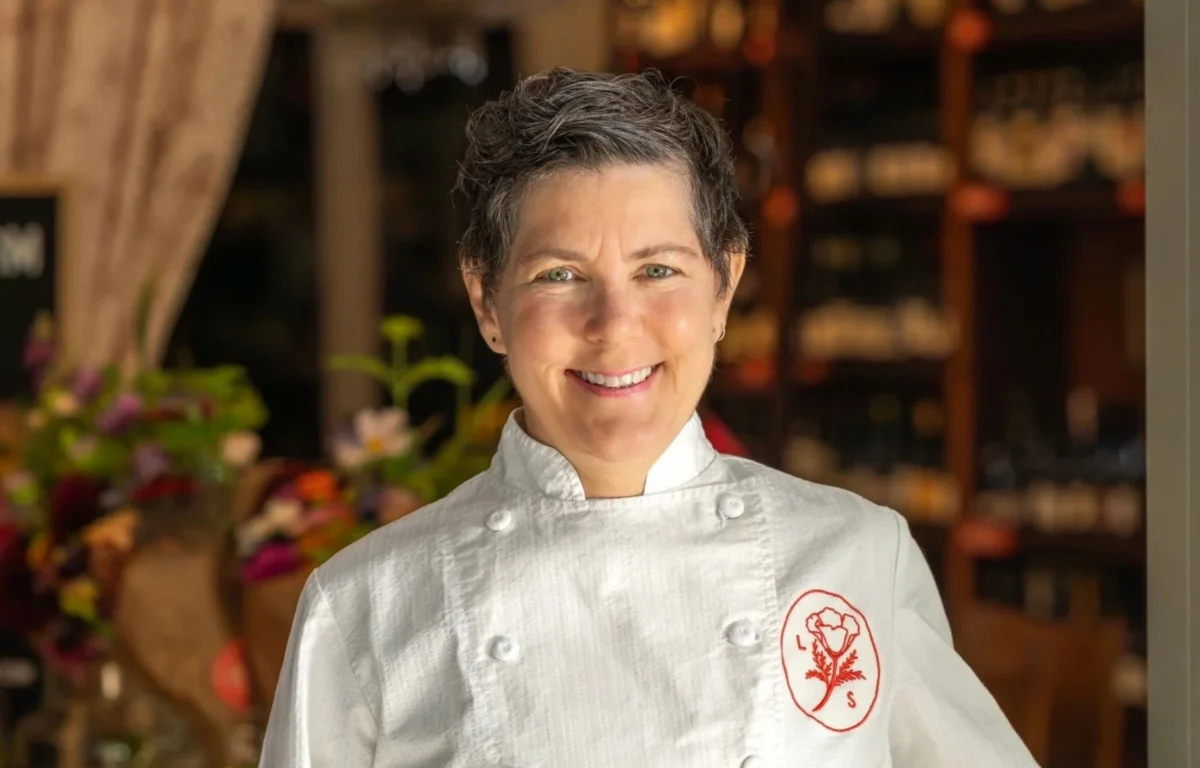
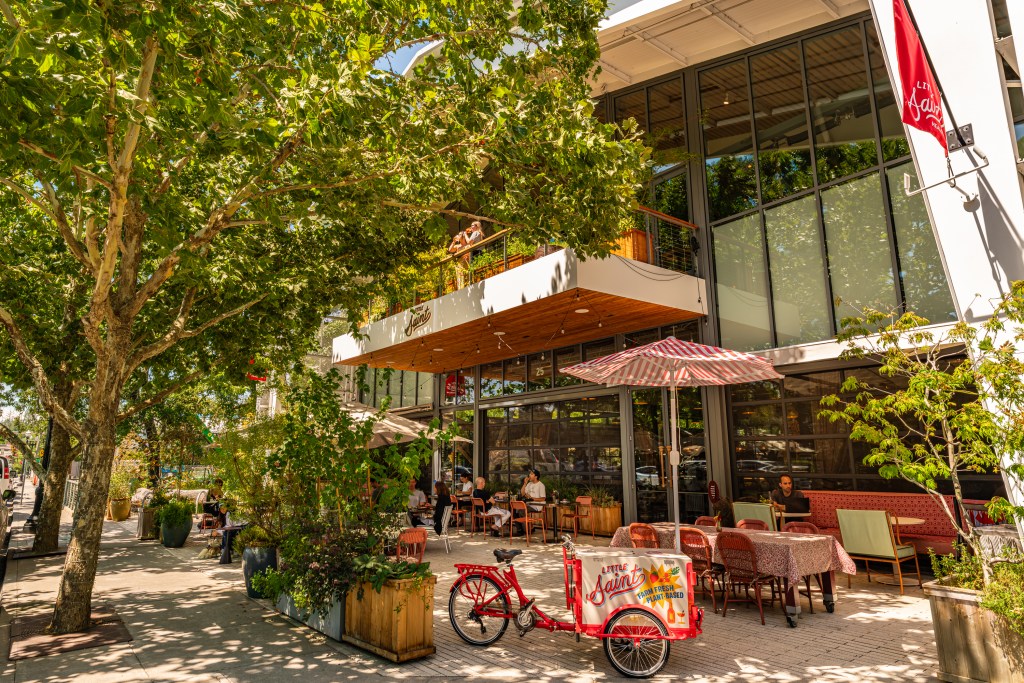
In the heart of Healdsburg, California, a 10,000-square-foot architectural marvel known as "Little Saint" stands as more than just a culinary destination. It is a bold experiment in social infrastructure. As the culinary landscape shifts toward sustainability and plant-forward dining, Little Saint has emerged as a beacon of what a "third place"—a communal hub distinct from home and the office—can look like in the 21st century. At the helm of this ambitious project is Deborah Mullin, the director of culinary, whose career trajectory has been defined by a lifelong devotion to the intersection of hospitality, leadership, and the earth’s harvest.
A Legacy Rooted in the Soil and the Kitchen
To understand the philosophy of Little Saint, one must first look at the upbringing of its culinary architect. For Deborah Mullin, food was never merely sustenance; it was a fundamental language of connection. Her lineage is steeped in the restaurant industry. Her paternal grandfather operated a modest establishment in a quiet town in the Hudson Valley, New York, instilling in her an early appreciation for the grit and grace required to manage a dining room.
This professional foundation was enriched by her maternal heritage. As the granddaughter of first-generation Italian Americans, Mullin grew up watching her grandmother curate authentic, heart-centered meals from scratch—a tradition that deeply influenced her understanding of "farm-to-table" before it became a commercial buzzword. Her parents, now in their 80s, remain dedicated gardeners, ensuring that for Mullin, the connection between the soil and the table has remained unbroken throughout her life.
Chronology: From Classroom to Culinary Command
Mullin’s path to the director role at Little Saint was not a straight line, but a deliberate accumulation of skills. During her collegiate years, she navigated the high-pressure environment of the restaurant industry, working both front-of-house and back-of-house roles. It was here that she discovered her natural aptitude for management. "From the very beginning, I’ve kind of been tapped as the team leader, the manager," she recalls.
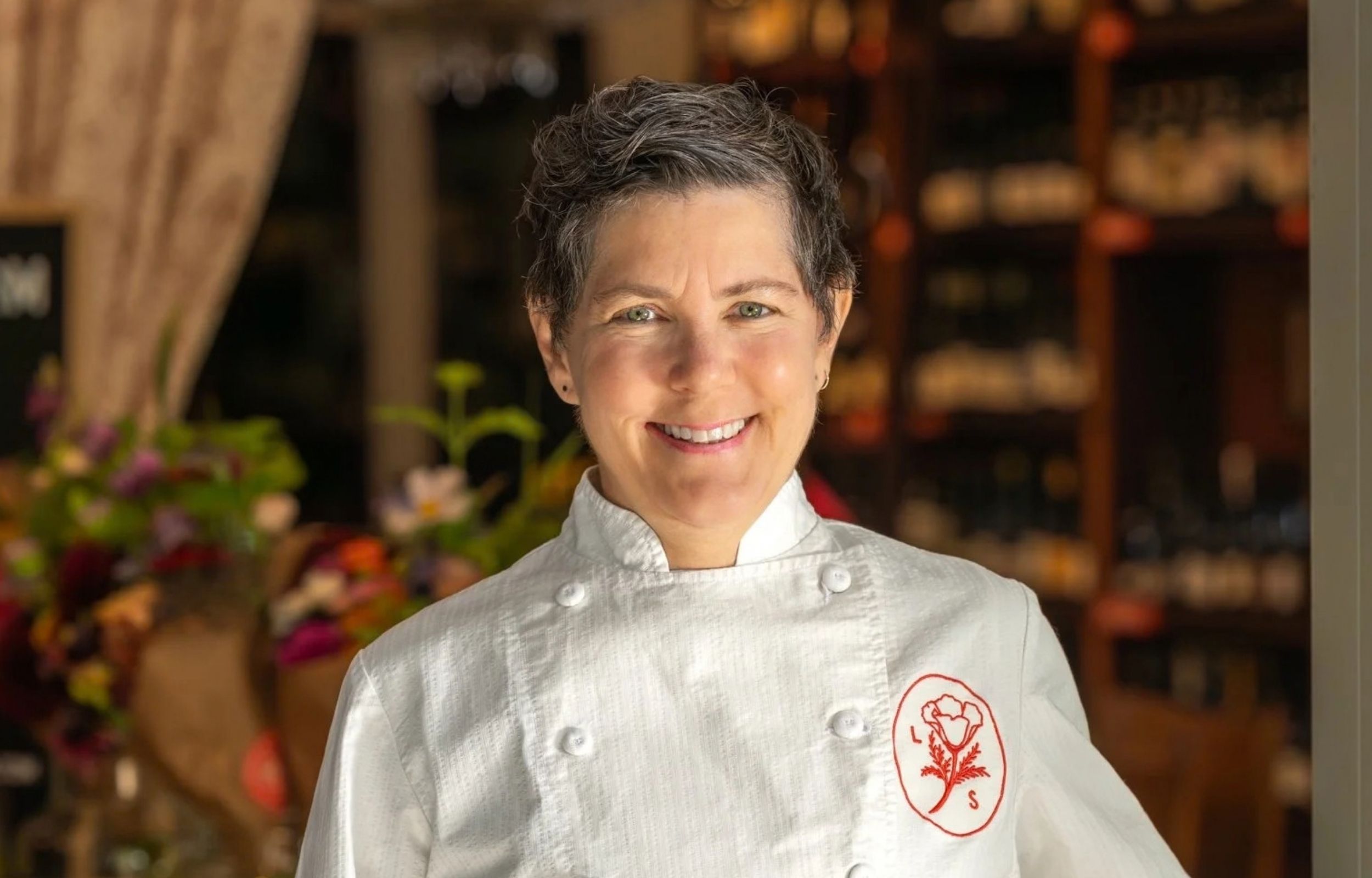
While she initially earned a degree in communications—a skill set that would prove vital for her future leadership roles—she felt a call to formalize her culinary expertise. She enrolled at the prestigious Culinary Institute of America (CIA) in Hyde Park. This training served as the "final piece of the puzzle," allowing her to translate her intuitive understanding of food into a structured, technical, and professional language.
Following her training, Mullin spent a decade ascending the ranks of the culinary world, culminating in her tenure as the executive chef at The Culinary Institute of America at Copia in Napa. This role placed her at the vanguard of the sustainable food movement, where she began to scrutinize the environmental impact of industrial food systems. When the opportunity arose to join Little Saint—a venture founded by Healdsburg locals Laurie and Jeff Ubben in 2022—she viewed it as a "needle-in-a-haystack" opportunity to marry her passion for plant-based nutrition with her desire to build a truly sustainable community space.
The Little Saint Ecosystem: A Multi-Faceted Model
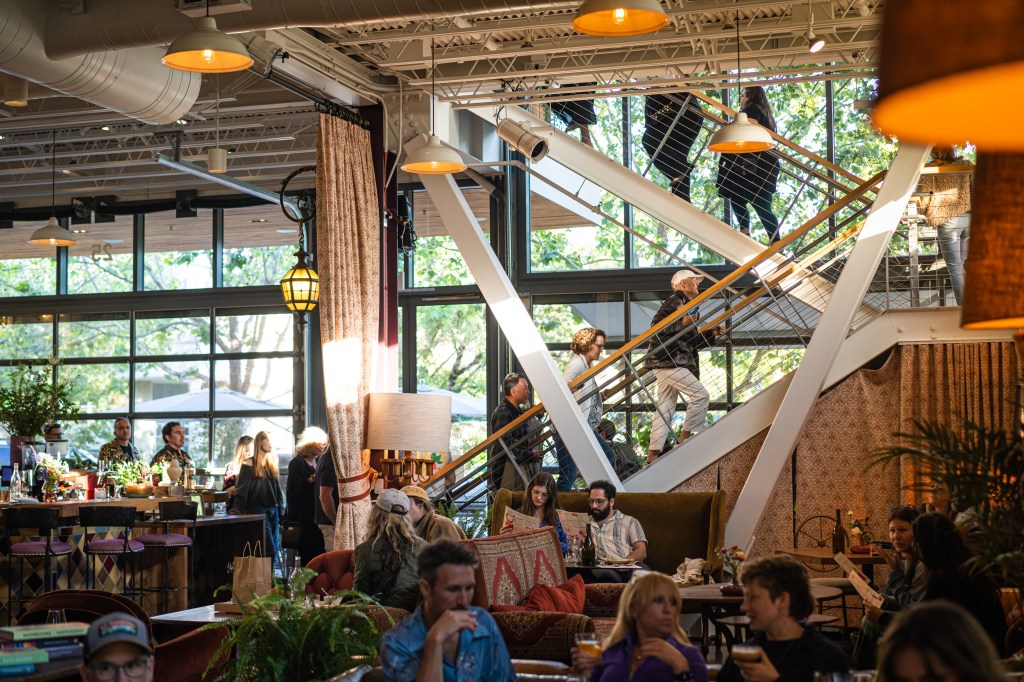
Little Saint is not merely a restaurant; it is a sprawling, intentional ecosystem. Designed in collaboration with executive director Jenny Hess and creative director Ken Fulk, the space occupies the building formerly known as "SHED." The property is a holistic experience that includes:
- A fully plant-based restaurant: Focusing on seasonal, regenerative produce.
- The Bakery and Coffee Bar: Serving as the morning anchor for the community.
- The Wine and Cocktail Bar: Curating selections that reflect the local Sonoma terroir.
- The Events Venue: Hosting live music and educational programming.
Perhaps the most significant component of this model is the Little Saint Farm. Located just two-and-a-half miles from the main venue, this eight-acre property was converted from a traditional vineyard into a regenerative farm. By controlling the supply chain from seed to plate, Little Saint ensures that its menu is not just seasonal, but tethered to the micro-climates of the Healdsburg region.
Supporting Data: The Power of the "Third Place"
Sociologist Ray Oldenburg coined the term "third place" in his 1989 seminal work, The Great Good Place. He argued that healthy societies require public spaces where people can gather, talk, and relax outside of the domestic sphere (the first place) and the professional sphere (the second place). In an era of digital isolation and economic consolidation, these spaces have been in steady decline.
Little Saint attempts to reverse this trend through accessibility. By remaining open seven days a week from 8 a.m. to 9 p.m., the establishment removes the friction that often prevents people from using a venue as a social anchor. Whether it is a local resident grabbing a morning espresso, a remote worker finding a mid-day lunch, or a family enjoying a multi-course dinner, the model is designed to be inclusive rather than exclusive.
Official Perspective: The Art of Hospitality
When asked about the secret to maintaining such a complex operation, Mullin is quick to dismiss the notion that there is a "magic bullet." Instead, she points to the simple, often overlooked concept of genuine hospitality. "We want people to explore and be excited by the space, and feel welcome," she says.
For Mullin, hospitality is a deliberate act of management. She oversees a network of culinary managers, providing them with the structure to execute high-level menus while maintaining the autonomy to thrive. She views her own role as that of a "visionary architect," creating a framework that allows the team to perform with fluidity.
"I’m basically the visionary who has set the structure and developed how those teams break out and who leads them," Mullin explains. This leadership philosophy prioritizes the "feedback loop." By ensuring that every member of the staff understands not just their specific task, but the overarching mission of the business, Mullin creates a sense of agency that permeates the entire service experience.
Implications: The Future of Sustainable Business
The implications of the Little Saint model are profound for the broader food and hospitality industry. As consumer demand for plant-based, environmentally conscious dining continues to rise, establishments that can offer a sense of "surprise and delight" will inevitably capture the market.
Mullin highlights the "Tomato Sagra" dinner—a collaborative, one-night-only event with the Michelin-recognized A16—as a case study in this philosophy. By celebrating the peak of the harvest with specialized, creative dishes, the team keeps the menu dynamic and exciting, preventing the "stagnation" that can plague even the best-intentioned restaurants.
However, the true success of Little Saint lies in its ability to prove that a business model can be both profitable and purpose-driven. By investing in its own farm, the restaurant mitigates the risks associated with food supply volatility while simultaneously contributing to regional biodiversity.
Conclusion: A Blueprint for Connection
As Little Saint continues to evolve, its core mission remains anchored in community. Mullin’s vision is to demonstrate that a restaurant can be far more than a place to consume calories; it can be a place to consume culture, conversation, and community.
In a world that is increasingly fractured by digital interfaces, the physical, vibrant, and plant-based walls of Little Saint offer a compelling alternative. For Deborah Mullin, the work is never finished, but the path is clear: build a space that is consistent enough to be a habit, yet creative enough to be a destination. By fostering the next generation of industry professionals and maintaining a deep, unwavering commitment to the land, Little Saint is not just feeding a town—it is cultivating a future where the "third place" can thrive once again.


 Iffa Jayyana
 Raul Delapena Setiawan
 Laily UPN
 Rifan Muazin
 Suro Senen
 Lina Hope
 Lina Irawan