
 Nana Wu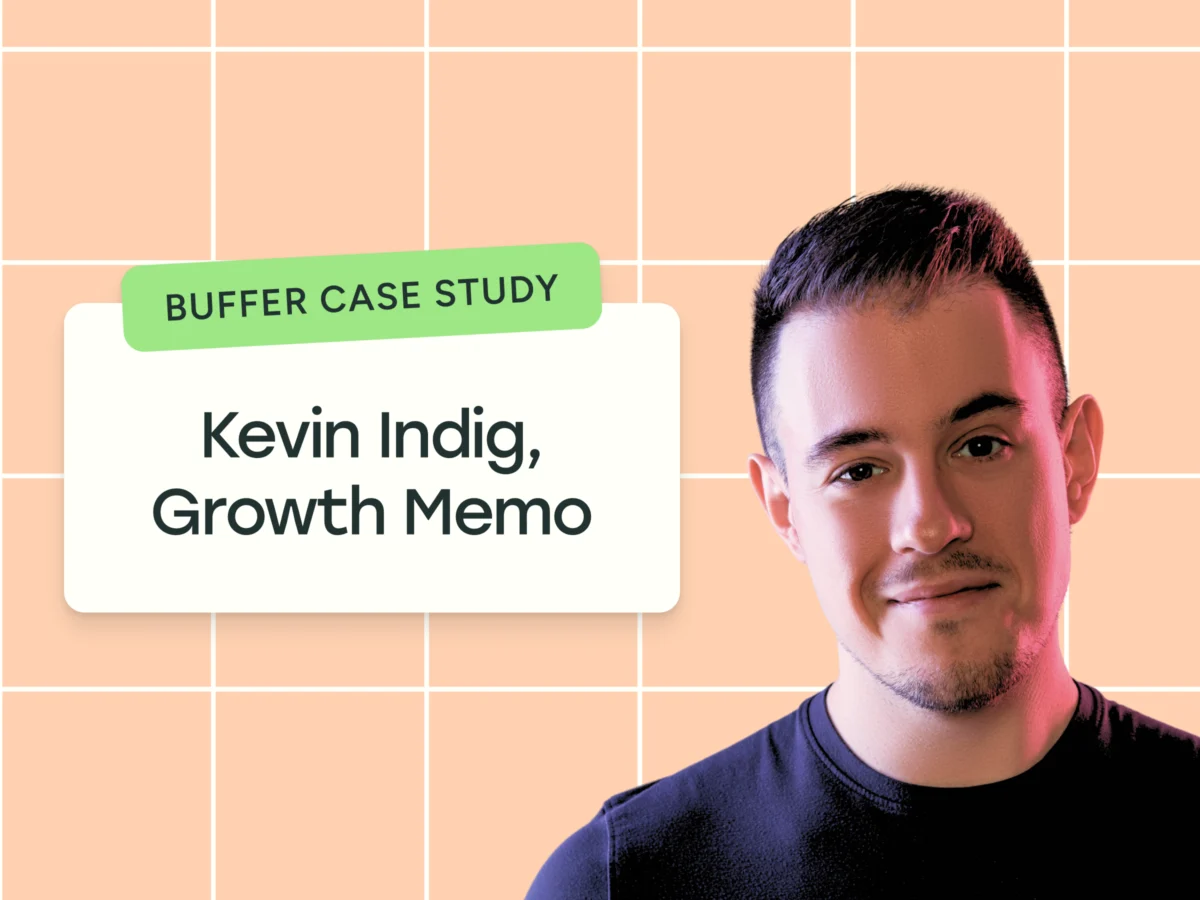
In the fast-paced world of digital marketing and search engine optimization (SEO), few voices carry the weight of Kevin Indig. As the curator of Growth Memo, a weekly newsletter reaching more than 29,000 founders, in-house marketing leads, and industry executives, Indig has become a definitive source for navigating the intersection of AI and search.
However, Indig’s influence is not merely the result of deep domain expertise—honed over a decade of leadership roles at industry titans like Shopify, G2, and Atlassian—but rather a masterclass in content engineering. By treating every newsletter edition as a foundational asset rather than a fleeting publication, Indig has redefined what it means to be a "creator" in the age of information saturation.
The Philosophy of the Infinite Lifecycle
For many writers, the publishing process is binary: you spend days crafting an article, hit "publish," and hope for a viral spark. Once that initial attention wanes, the content is often relegated to the archives, effectively dead to the algorithm.
Indig rejects this model. "Publishing is only half the job," he asserts. "You also need a repeatable way to distribute your work. Buffer makes that much easier and keeps a good post from disappearing after publication day."
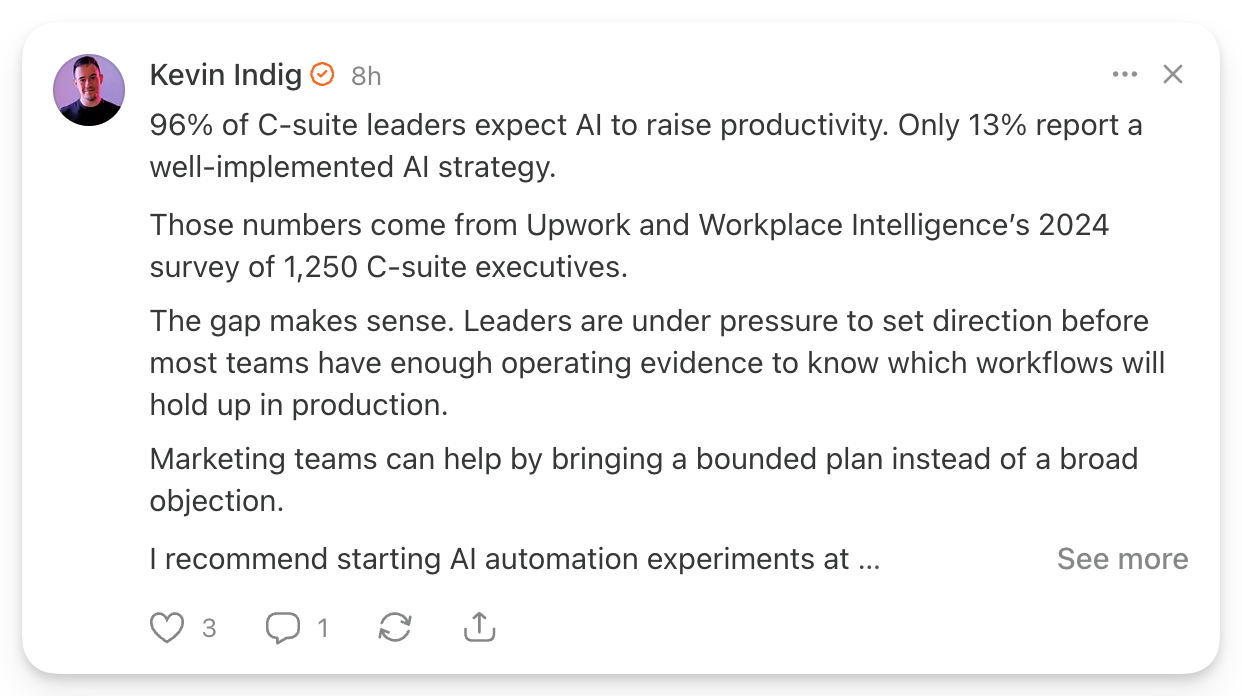
His strategy is rooted in the philosophy of "atomic content." Rather than viewing a Growth Memo edition as a single, static post, Indig deconstructs each piece into a week’s worth of micro-content. A single newsletter might yield a data-backed chart for LinkedIn, a provocative question for Substack Notes, and a condensed finding for X (formerly Twitter). By repurposing long-form research into various formats, Indig ensures that his insights maintain a continuous presence in his audience’s feed, effectively turning a single investment of time into a diversified portfolio of content assets.
A Chronology of Growth: From Operator to Advisor
Indig’s career trajectory serves as the bedrock for his current influence. His journey began in the trenches of the tech industry, where he spent ten years operating within high-growth organizations.
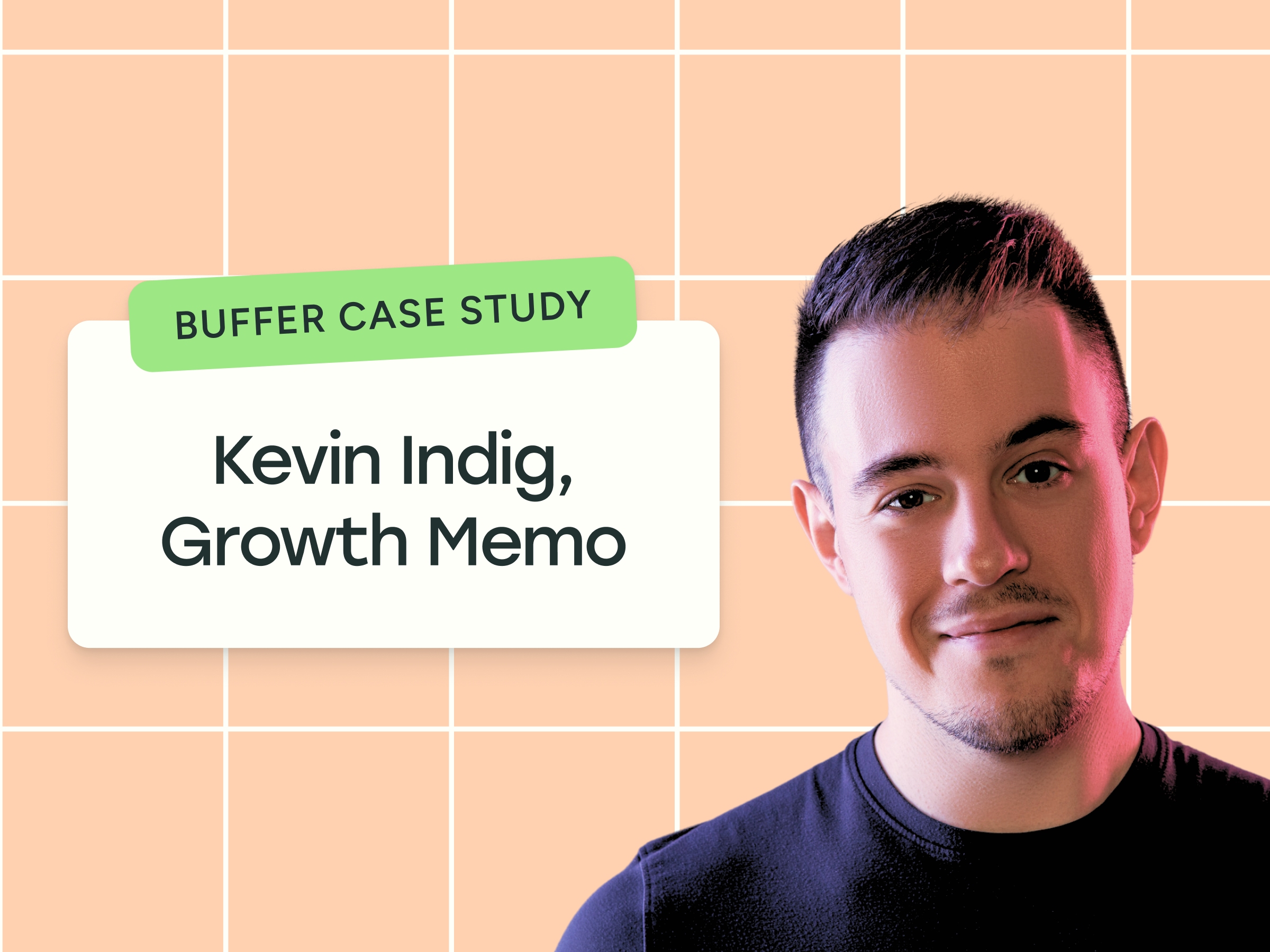
- The Operator Years: During his tenure at Shopify, G2, and Atlassian, Indig was tasked with solving complex growth puzzles. These roles provided him with a front-row seat to the scaling challenges faced by the world’s most successful software companies.
- The Pivot to Advisory: Leveraging his operational experience, Indig transitioned into an advisory role, consulting for industry giants like Meta, Airbnb, and Reddit. It was here that he began to formalize his observations into the research-heavy format that would eventually become Growth Memo.
- The Data-Driven Era: Today, Indig describes himself as someone who "swims in data all day." This obsession with empirical evidence—specifically how AI is fundamentally altering the search landscape—has become his primary value proposition. His newsletter serves as a laboratory where these theories are not just theorized but tested in real-time.
The Testing Ground: Substack Notes as an R&D Lab
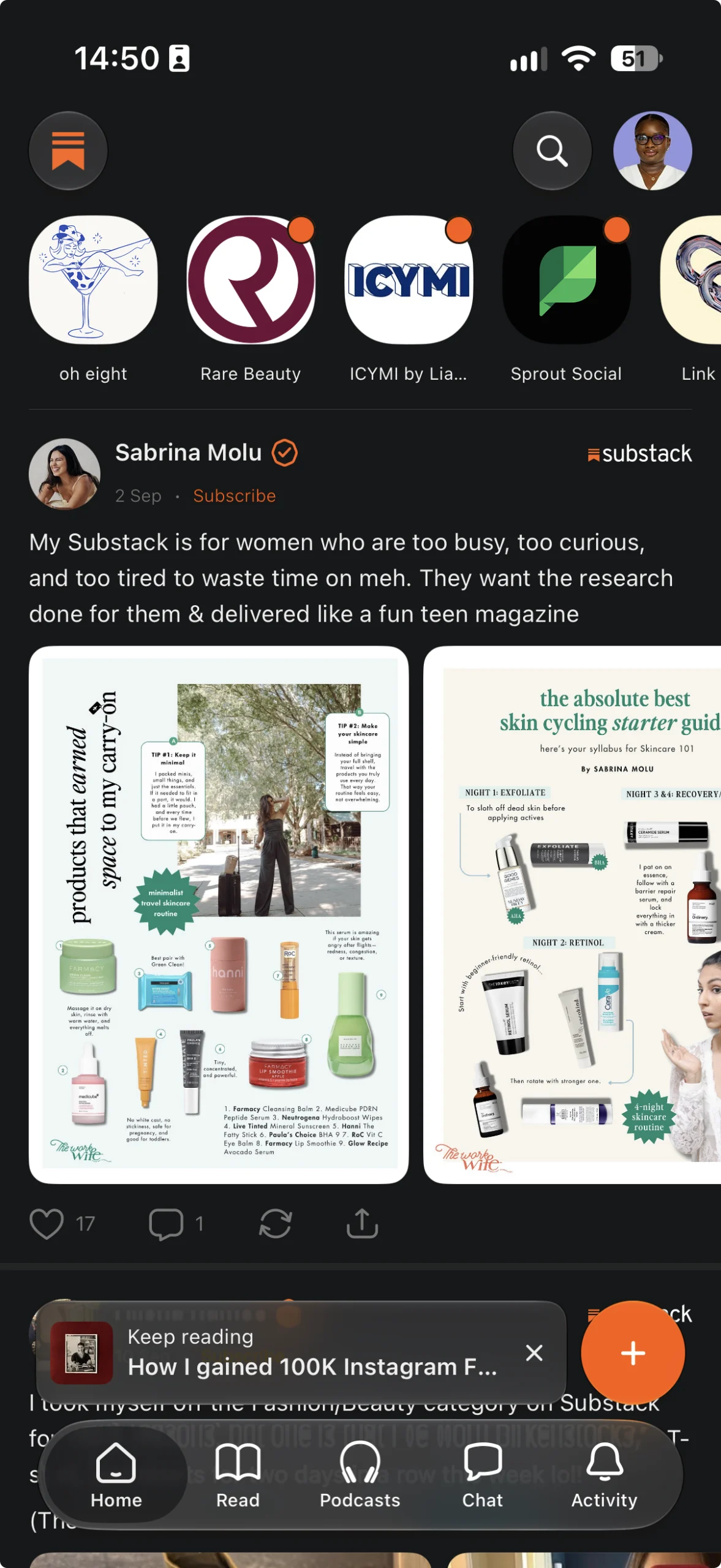
One of the most tactical elements of Indig’s workflow is his use of Substack Notes. For many creators, platforms like Notes are merely distribution channels; for Indig, they are an essential R&D laboratory.
Before committing to a deep-dive, week-long research project for his newsletter, Indig will often test the underlying concept in a short-form post. He shares charts, preliminary videos, and "teasers" to gauge audience reaction.
"A fully researched memo takes an entire week of my time, while a note only takes a few minutes," he explains. "It’s well worth investing in the latter first."
This iterative process serves two purposes:
- Risk Mitigation: By testing ideas, he ensures that the labor-intensive newsletters are topics his audience is genuinely interested in.
- Audience Engagement: By involving his readers in the ideation phase, he fosters a sense of community ownership, keeping his audience engaged even on days when a full newsletter isn’t scheduled.
The Operational Stack: Scaling Through Automation
Indig’s ability to maintain a high-frequency, high-quality output while traveling and juggling a heavy client load is a testament to his reliance on systematic automation. His "operational stack" centers on the integration of Buffer and cutting-edge AI tools.
Buffer as the Distribution Engine
Scheduling is non-negotiable for Indig. Because his schedule is often booked end-to-end with high-level advisory calls, he relies on Buffer to automate the distribution of his content. By batch-preparing his posts, he ensures that his insights hit the right platforms at the right times, regardless of his physical location or calendar conflicts.
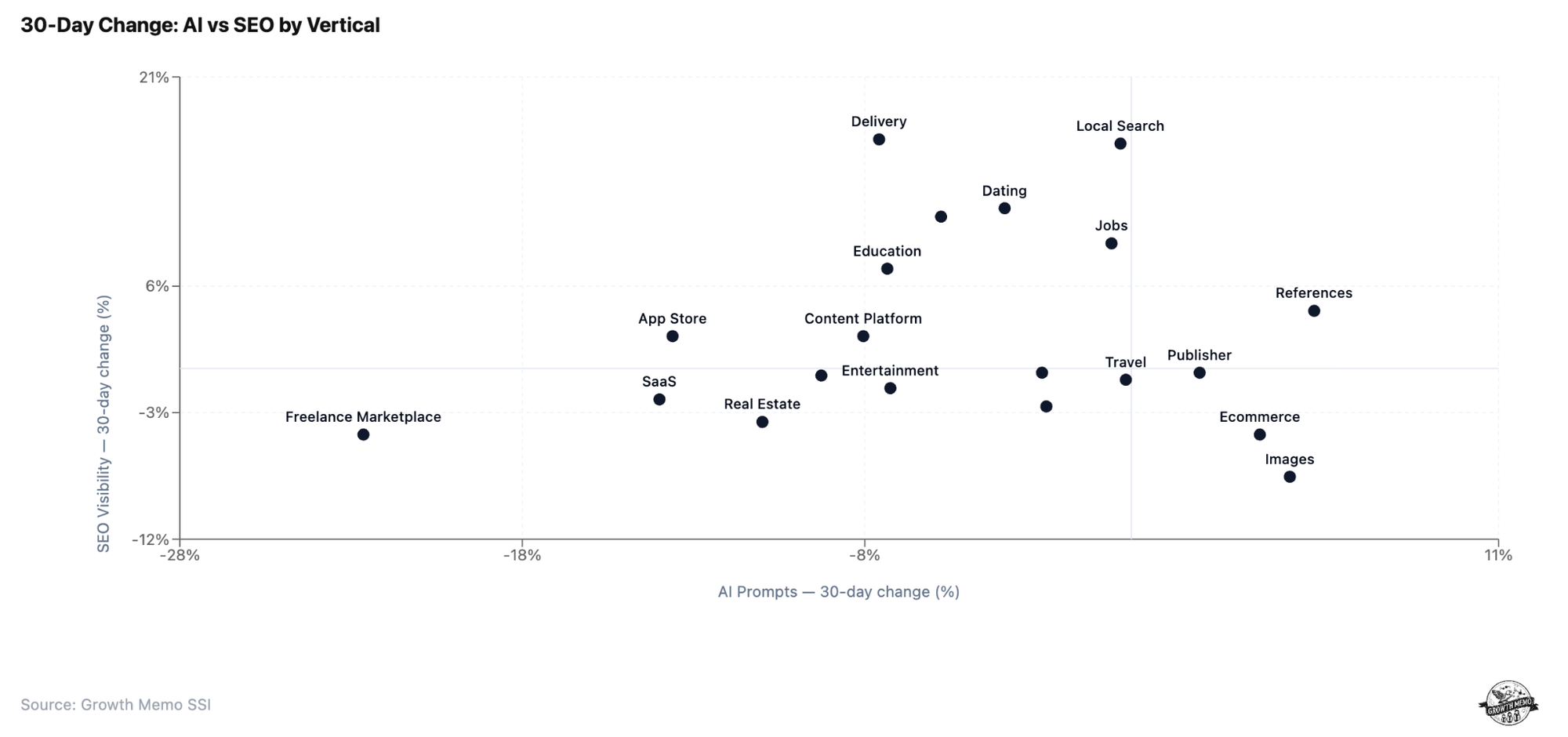
"Buffer makes sure every Memo gets distributed without requiring me to be online for every post," Indig notes. "If I had to put a number on it, I’d say Buffer saves me 2–3 hours a week."
The Codex Integration: AI-Powered Insights
Perhaps the most innovative aspect of his workflow is his use of the Model Context Protocol (MCP) to connect AI assistants to his content history. By pointing OpenAI’s coding assistant, Codex, at his past posts, Indig can conduct a forensic analysis of what has historically performed well.
This AI-driven feedback loop allows him to:
- Identify high-performing themes and topics.
- Spot patterns in audience sentiment.
- Generate ideas for future content that align with proven successes.
This integration represents the cutting edge of the creator economy: using AI not just to write content, but to manage the strategic direction of a brand.
Implications for the Modern Creator
Indig’s success offers a roadmap for any creator—whether they are just launching their first Substack or managing a massive subscriber base. His advice is simple but rigorous: start where your readers already are, build a routine you can sustain, and relentlessly track what works so you can repeat it.
The implications for the broader industry are clear: the "spray and pray" approach to content creation is dying. In its place, we are seeing the rise of the "Content Architect"—a creator who views their work as a system rather than a series of disconnected posts.
For the aspiring creator, the transition is daunting but necessary. As the barriers to entry in content creation drop and the noise floor rises, the only way to cut through is to move from a "publication" mindset to a "distribution" mindset.
Indig’s workflow demonstrates that the true competitive advantage is not necessarily the ability to write faster, but the ability to structure work in a way that respects the reader’s time while maximizing the lifespan of every insight. By automating the mundane tasks of scheduling and utilizing AI to inform strategic decisions, creators can free up the cognitive space required to do what they do best: provide deep, original value.
Conclusion: The Routine is the Work
As Indig continues to grow his influence, his methodology remains a refreshing reminder that at the heart of any successful media brand is a consistent, repeatable routine. While he employs sophisticated tools—coding assistants, cross-platform schedulers, and data-driven R&D—these are merely the scaffolding for his core mission: distilling the chaos of AI and search into actionable intelligence for his readers.
For those watching the evolution of Growth Memo, the lesson is profound: Authority is not built in a day. It is built in the week-to-week discipline of researching, testing, distributing, and iterating. In the ecosystem of the modern internet, the content itself is the product, but the system of distribution is the business. And in that business, Kevin Indig has clearly mastered the art of the long game.

 Azzam Bilal Chamdy
 Iffa Jayyana
 Nana
Nana
 Evan Lee Salim
 Lina Hope
 Jia Lissa