
 Rifan Muazin

Nearly two decades into his early retirement, the figure behind the renowned Mr. Money Mustache blog has identified a counterintuitive crisis. For years, the FIRE (Financial Independence, Retire Early) community has championed the accumulation of capital as the ultimate gateway to human potential. Yet, in a recent candid reflection, the author posits that total freedom—when divorced from structure—can devolve into a state of chronic underachievement.
This exploration into the psychological pitfalls of complete autonomy reveals that the absence of mandatory work can lead to a erosion of personal drive. By analyzing his own transition from a highly productive early retiree to a man struggling with afternoon complacency, the author provides a blueprint for how individuals can leverage extreme accountability to reclaim their vitality.
The Double-Edged Sword of Absolute Autonomy
To the average worker, the concept of early retirement is synonymous with a "blissful playground of self-actualization." However, the reality is far more nuanced. When the external pressures of a 9-to-5 job vanish, the burden of self-regulation falls entirely on the individual.
The author notes that freedom acts as a magnifying glass for character. Without the rigid scaffolding of an employer’s expectations, a person’s true tendencies are exposed. This creates a spectrum of outcomes: at one end, the stagnation of passive consumption; at the other, the high-level pursuit of altruistic or creative endeavors.
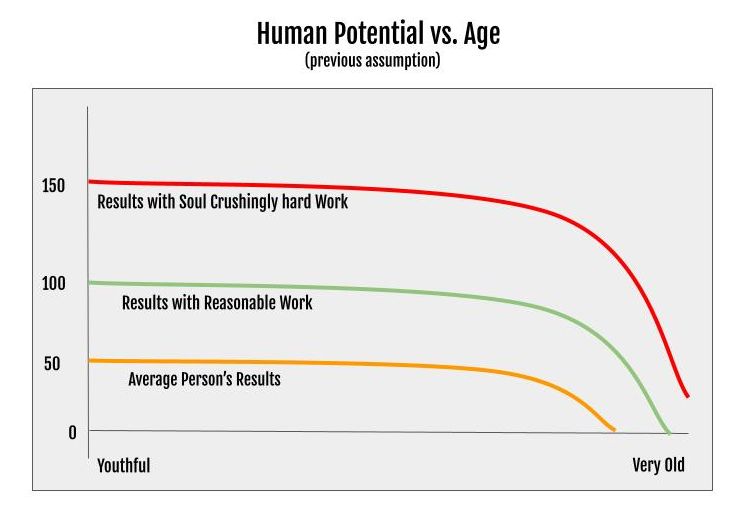
For the first decade of his retirement, the author successfully balanced intensive parenting with real estate development and content creation. Recently, however, he observed a creeping decline in his daily discipline. Afternoon bouts of aimless digital distraction replaced his former periods of "laser focus." He realized he had been weaponizing his freedom as a shield to avoid difficult, high-effort tasks.
Chronology: The Slide into Comfort and the Pivot to Action
The author’s journey from productive retiree to a state of "comfortable stagnation" followed a predictable, if subtle, trajectory:
- The Early Years (Years 1–10): A period defined by high output. The author balanced child-rearing with significant manual labor, travel, and consistent intellectual output.
- The Plateau (Years 11–17): A gradual shift occurred. Despite maintaining health-conscious habits, the author found that his "barrier to entry" for tasks became higher. Excuses regarding energy levels and "finding the perfect time" became frequent.
- The Epiphany (Late 2023): The realization that freedom was being misused. He identified a pattern of avoiding tasks that required deep planning or physical exertion, opting instead for "low-hanging fruit" tasks that provided a false sense of accomplishment.
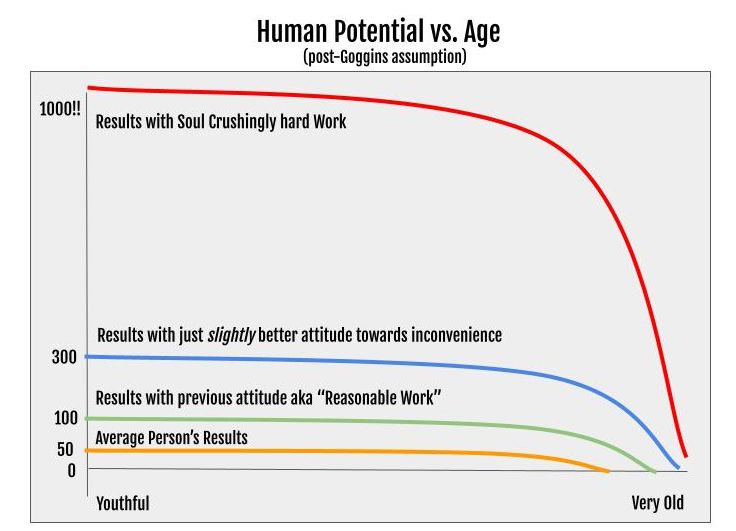
- The Transformation (2024): Implementation of a new psychological framework based on immediate action, inspired by the extreme discipline of figures like David Goggins.
Supporting Data: The Science of Hesitation
The core of the author’s turnaround lies in his re-evaluation of the "moment of hesitation." Previously, he believed that waiting for the "perfect conditions" (e.g., proper rest, good weather, optimal mental state) was the key to productivity. He discovered, however, that this wait was merely a psychological avoidance strategy—a form of self-sabotage.
The "Catch and Act" Methodology
The author transitioned to a binary system of decision-making. When he identifies a task he wants to do but feels resistance toward, he no longer negotiates. He treats the hesitation itself as the trigger.
The Old Logic:
- I want to work out.
- It feels hard.
- I will wait for a better time.
The New Logic:
- I want to work out.
- It feels hard.
- Aha! That feeling of resistance is the signal to start right now.
By shortening the feedback loop between thought and action, the author reports significant tangible results. In just four months of applying this "anti-hesitation" protocol, he gained ten pounds of lean muscle mass and returned to the physical performance levels of his mid-twenties.
Official Perspectives: The Goggins Influence
The pivot in the author’s life was significantly catalyzed by the extreme philosophy of David Goggins, a retired Navy SEAL and ultra-endurance athlete. Goggins, known for his "No Days Off" mentality and his ability to overcome extreme physical and psychological trauma, serves as a polarizing but effective archetype for the author.
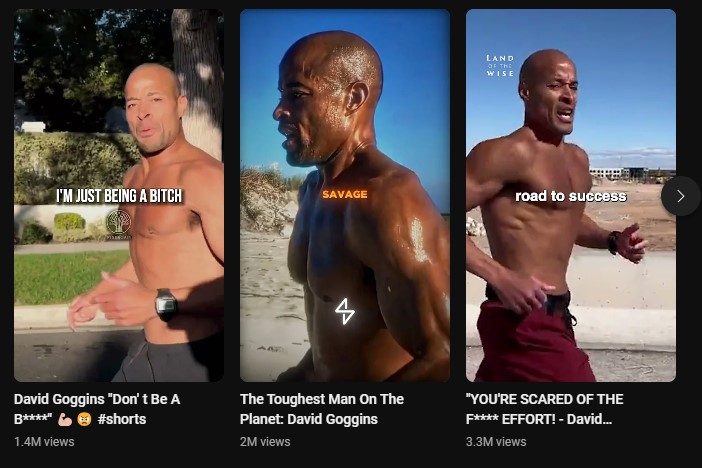
The author acknowledges that while the average person may not aspire to the Goggins level of physical punishment—such as running 240 miles or performing thousands of pull-ups—the underlying message is universal: most human limitations are entirely mental.
Integrating Extreme Mentorship
The author argues for a "cafeteria-style" approach to inspiration. He suggests that rather than debating the merits of "toxic masculinity" or the potential dangers of "bro-science," one should extract the actionable wisdom from those who have mastered the art of discipline.
His curated list of resources includes:
- David Goggins: For psychological resilience and breaking through perceived limits.
- Peter Attia (Outlive): For the physiological framework of health and longevity.
- Jocko Willink (Extreme Ownership): For the application of radical personal responsibility.
Implications: The Future of Retirement
The implications of this shift are profound for the FIRE community and anyone pursuing a lifestyle of autonomy. The central lesson is that retirement is not a destination of rest, but a change in the nature of one’s work.
1. The Necessity of Artificial Friction
When external bosses are removed, individuals must become their own taskmasters. This requires creating "artificial friction" or rigid protocols to ensure that high-value activities—exercise, creative work, community building—are not abandoned in favor of the path of least resistance.
2. Redefining "Success" in Retirement
The author suggests that true success in retirement is not measured by the absence of work, but by the ability to engage in work that is more valuable than the career one left behind. If a person cannot fill their free time with activities that improve their health, family life, or contribution to society, they may be better served by continuing their traditional employment.
3. The "Eagle" Perspective
The author emphasizes the importance of constant self-monitoring. By watching one’s own habits with the detachment of an "Eagle," one can identify the exact moment when comfort begins to masquerade as contentment. This self-awareness is the only defense against the entropy of an unstructured life.
4. A Balanced Middle Ground
Finally, the article addresses the criticism from the "overachievers" who feel the author’s lifestyle was too easy, while simultaneously acknowledging the burnout of those who push themselves too hard. The goal, according to the author, is not to reach the absolute extreme of either side, but to find a sustainable center—a "nicely buzzed" state of high productivity that avoids the exhaustion of the workaholic while shunning the lethargy of the couch-bound.
Conclusion
The transformation described by the author serves as a potent reminder that freedom is a responsibility, not a luxury. Without the structure of external mandates, the individual must develop an internal architecture of discipline. By embracing the "moment of hesitation" as a catalyst for action rather than an excuse for delay, anyone—regardless of their financial status—can move beyond self-imposed plateaus and unlock a higher caliber of living.
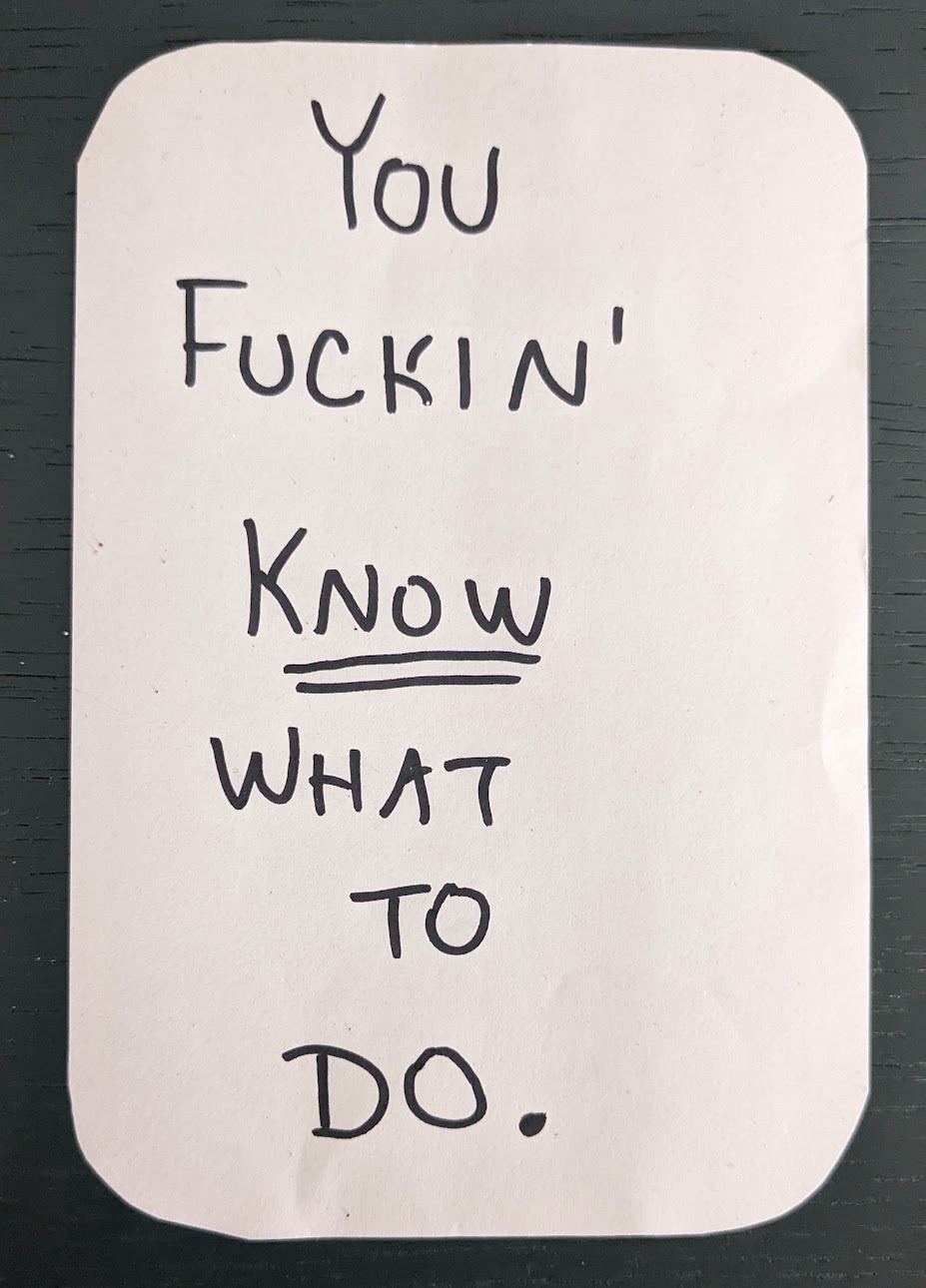
The ultimate takeaway is that the "sky has opened up" for those willing to view their own mental barriers as optional, rather than structural. As the author succinctly puts it: "You already know what to do." The task, now as always, is simply to do it.


 Nana Wu

 Nila Kartika Wati

 Lina Irawan

 Pevita Pearce

 Suro Senen

 Muslim

 Ammar Sabilarrohman

 Raul Delapena Setiawan
