Ali Ikhwan
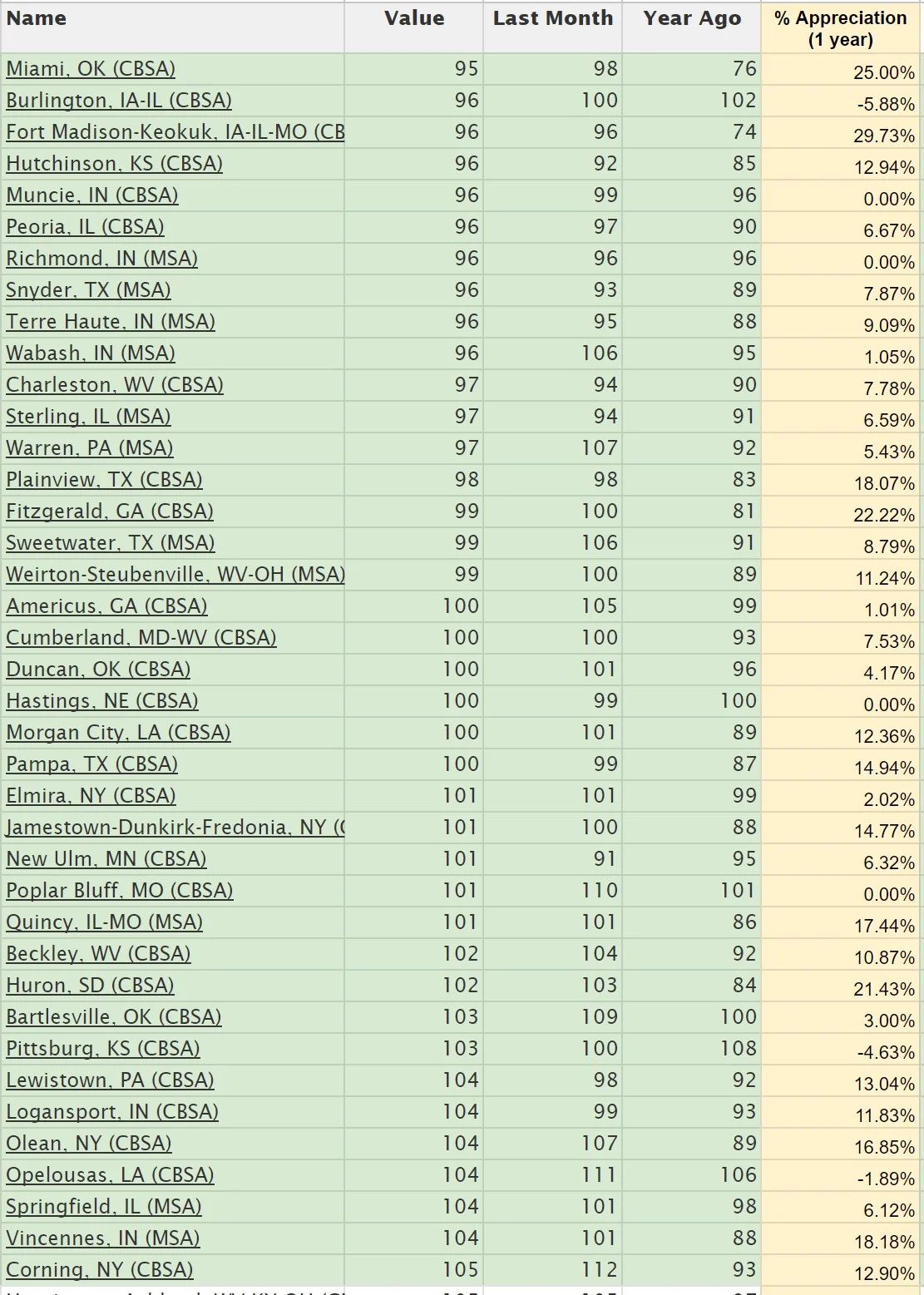
The Financial Independence, Retire Early (FIRE) movement, once a niche subculture centered on extreme frugality and index fund investing, has faced a growing chorus of skepticism in recent years. As inflation grips the global economy and housing markets reach historic highs, a segment of the population—particularly younger generations—has begun to question whether the "Mustachian" principles of the early 2010s are still applicable to the post-pandemic economic landscape.
Critics argue that the blueprints provided by early FIRE pioneers were built upon a specific, privileged foundation: high-tech salaries, lower cost-of-living environments, and a housing market that had yet to experience the explosive post-2019 appreciation. As one reader recently noted, "It seems like every FI blogger worked in tech 20 years ago, pulled down a six-figure salary, and bought a house for a bag of potatoes."
This article explores the validity of these critiques, analyzes current economic data, and examines whether the core pillars of financial independence remain viable in an era of high interest rates and stagnant affordability.
The Core Critique: A Shifting Economic Baseline
The narrative that FIRE is "dead" often hinges on two primary factors: income disparity and the housing affordability crisis. Many aspiring FIRE adherents feel that the "house hacking" strategies—purchasing a primary residence and renting out rooms or converting spaces into Accessory Dwelling Units (ADUs)—are now functionally impossible due to restrictive zoning laws and sky-high entry prices.

For those who missed the early wave of wealth creation, the feeling of being "left behind" is palpable. However, proponents of the FIRE philosophy argue that this perspective is often clouded by what they term "Excuse-itis"—a psychological barrier that prevents individuals from analyzing their environment objectively. The argument is that while the macro-economic environment has undoubtedly changed, the underlying mechanics of wealth—reducing waste and increasing purposeful spending—remain the most reliable levers for achieving financial freedom.
Chronology of a Movement’s Evolution
To understand the current state of FIRE, one must look at how the movement has adapted over the last decade.
- 2010–2015: The Formative Years. This era was defined by the "frugality-first" mindset. It focused on cutting cable bills, biking to work, and maximizing the savings rate. The barrier to entry for homeownership was relatively low, allowing for the widespread adoption of the "house hacking" model.
- 2016–2019: The Scaling Phase. As the movement gained mainstream media attention, the focus shifted toward "fat FIRE"—the idea of retiring with more luxury—and optimizing tax-advantaged accounts.
- 2020–2023: The Pandemic Disruption. The global pandemic shifted the paradigm. Remote work exploded, causing a migration away from high-cost urban centers and triggering a massive surge in real estate prices in suburban and secondary markets.
- 2024–Present: The Realignment. Today, the movement is undergoing a painful but necessary correction. The focus is no longer on simply "being cheap," but on geographic arbitrage, intentional living, and aggressive income optimization.
Supporting Data: Parsing the Housing Crisis
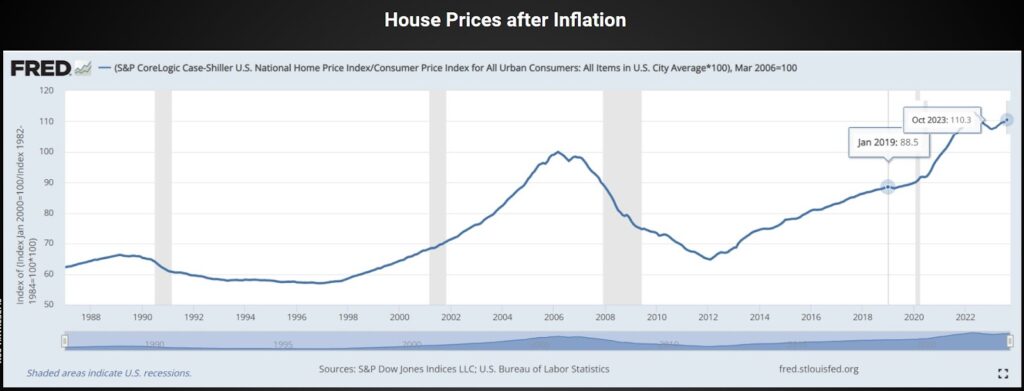
Does the data support the claim that housing has become an insurmountable obstacle to FIRE? If we look at inflation-adjusted data from the St. Louis Federal Reserve (FRED), the picture is nuanced.
While houses "feel" roughly 25% more expensive today compared to the beginning of 2019, it is crucial to note that this volatility is not unprecedented. When viewed against the historical context of the 2006 housing bubble, current prices are only up about 10% in real terms over the last eighteen years.
The Geographic Arbitrage Opportunity
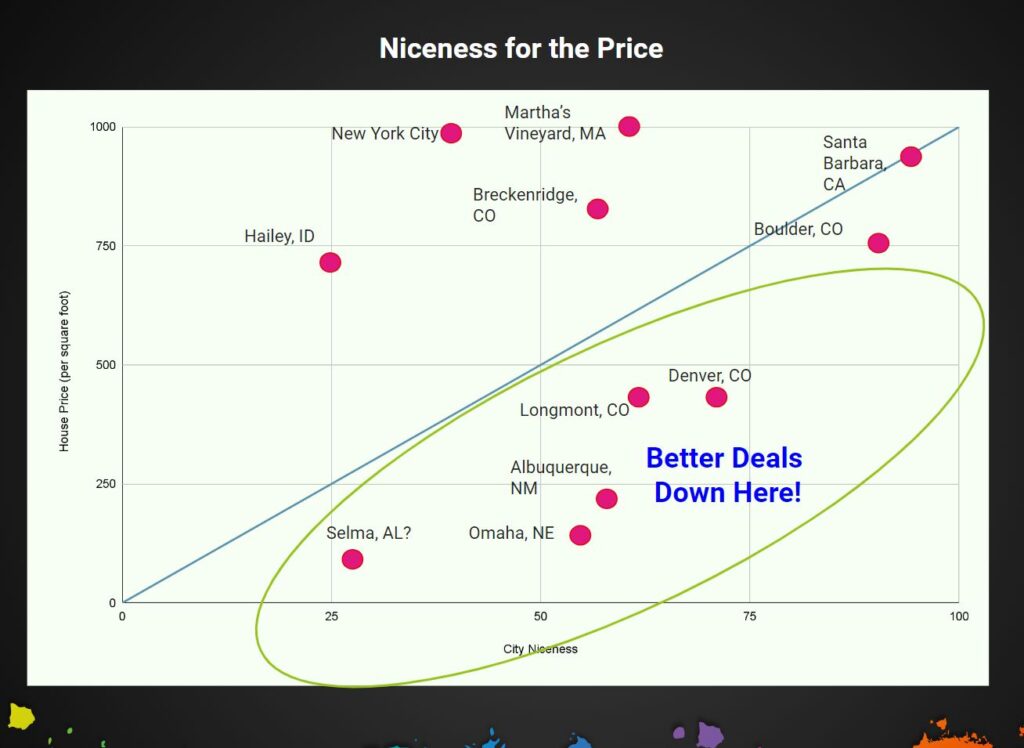
The national average masks extreme localized volatility. In cities like Longmont, Colorado, or major tech hubs, prices have tripled since 2011, significantly outpacing wage growth. However, this discrepancy is exactly where the modern FIRE advocate finds opportunity.
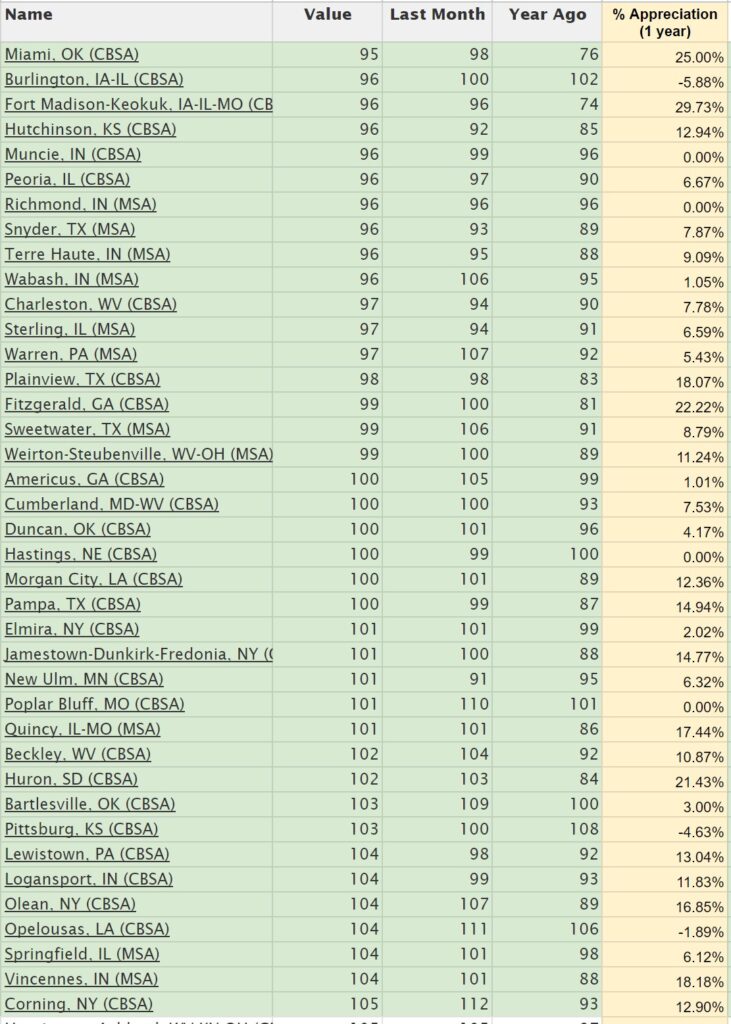
By utilizing tools provided by the FRED database to track price-per-square-foot across thousands of metro areas, individuals can identify regions where "niceness" (amenities, climate, and community) is undervalued relative to cost. The strategy here is not to force oneself into an expensive market, but to treat housing as a commodity that can be sourced more affordably elsewhere.
The "Adulting Puzzles" of Global Mobility
For many, the suggestion of moving—or moving internationally—is met with defensive resistance. We are culturally conditioned to believe that we must remain in the city where we were born or where we started our careers. However, proponents of the modern FIRE movement argue that this fear is the single largest impediment to financial independence.
Moving to a new city or country involves "Adulting Puzzles": navigating visas, tax laws, and language barriers. While these tasks can feel daunting, they are, in reality, logistical hurdles that can be overcome with research and persistence.
Leveraging Technology for Discovery
Digital tools like The Earth Awaits allow users to filter potential living locations by specific, FIRE-centric criteria:
- Budget constraints: Setting a monthly cap on total expenditures.
- Climate preferences: Ensuring the local environment meets personal health and recreational needs.
- Infrastructure: Proximity to city centers, public transit, and medical facilities.
By treating the world as a marketplace of living options, the FIRE seeker can escape the "cost of living trap" of their current location. Whether it is moving from a high-cost metropolitan area to a mid-sized city like Chattanooga, Tennessee, or relocating to an emerging economy in South America, the goal is to align one’s physical environment with their financial goals.
Official Perspectives and Expert Analysis
Financial experts and FIRE proponents generally agree on one point: income is not the sole determinant of wealth. Even among high earners—doctors, lawyers, and software engineers—financial stress remains rampant. This confirms that the problem is rarely "not earning enough," but rather "spending too much."
The "Mustachian" response to the current economic crisis is to double down on the reduction of waste. This does not mean sacrificing quality of life; it means eliminating the "invisible" costs that inflate the cost of living—valets, excessive dining out, and the psychological need for luxury goods that provide diminishing returns on happiness.
When high earners and low earners alike apply these principles, the gap to financial independence narrows. For the high earner, it allows for a shorter "runway" to retirement; for the low earner, it provides the only viable path to breaking the cycle of paycheck-to-paycheck living.
Implications: The Future of FIRE
What are the implications of this new era for the FIRE movement?
- The Death of "Passive" FIRE: The days of simply putting money into an index fund and waiting for the magic of compound interest to do all the work are over for those with limited capital. The modern path requires active participation in life, including potentially moving to lower-cost regions.
- The Rise of Geographic Arbitrage: Moving will become the most significant financial decision a young person makes. The "location lottery" is a real phenomenon, and those who remain in high-cost areas without a corresponding high income will find the path to FIRE significantly lengthened.
- A Shift in Mindset: The movement is moving away from the "victim" narrative. Rather than blaming interest rates or the Fed, the successful FIRE practitioner of 2024 will view these as variables in an equation that they must solve.
Conclusion
Is the FIRE movement still relevant? Yes, but its application has become more complex. The era of easy, local wealth accumulation has given way to an era of global, intentional, and highly calculated living.
The most successful practitioners are those who recognize that their environment is not a fixed variable. By reassessing the relationship between their salary, their spending, and their location, individuals can still achieve a level of financial autonomy that was previously thought to be impossible in the current economic climate. The tools exist, the data is available, and the path remains open—it simply requires the courage to make the hard choices that others refuse to contemplate.


 Nana Wu

 Nila Kartika Wati

 Ammar Sabilarrohman

 Siti Muinah

 Muslim

 Suro Senen

 Neng Nana