
 Nana Wu
In a move that underscores the evolving philosophy of the Financial Independence, Retire Early (FIRE) movement, Pete Adeney—widely known as the personal finance icon "Mr. Money Mustache"—is embarking on a significant lifestyle transition. After nearly two decades of championing extreme frugality and intentional living from his base in Colorado, Adeney is shifting his focus toward urban design and the "strategic hardship" of deliberate change. This December, he will relocate to Culdesac Tempe, an ambitious, car-free neighborhood development in Arizona, to test the viability of a post-suburban lifestyle.
The Genesis of a New Chapter
For Adeney, early retirement was never about idle leisure; it was about the reclamation of time. Since leaving his high-pressure career in the tech industry in 2005, his primary objective has been to prioritize fatherhood and community building. Eighteen years later, that decision has paid dividends in personal autonomy. However, with his son transitioning out of high school, the "child-raising phase" is drawing to a close, prompting a pivot toward a new, experimental environment.
"The thing that drew me to early retirement is freedom, and that’s still the best part of it," Adeney notes. "But now, with that child-raising phase finally almost done, I’m cashing in a few of those ‘Freedom Chips’ for a particularly big change."
Chronology: From Colorado Roots to Arizona Trails
The journey to Tempe is not a permanent relocation, but a four-month immersion intended to stress-test his lifestyle preferences.
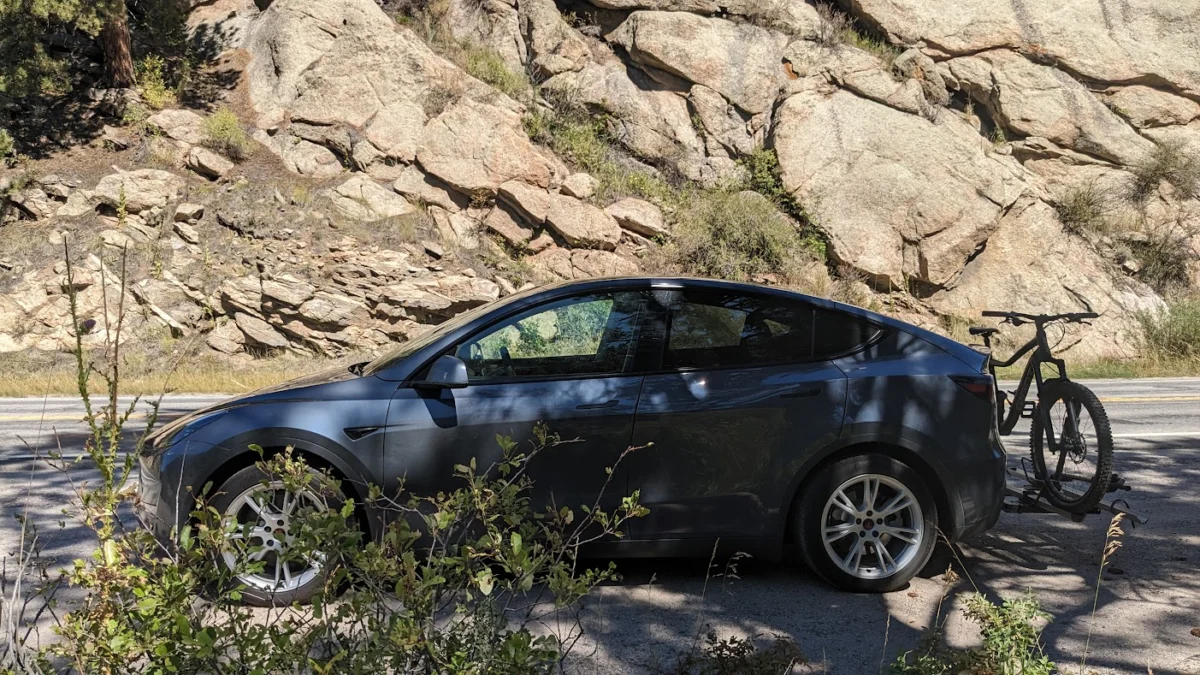
- December 1, 2023: Departure from Colorado. Adeney will embark on a cross-mountain road trip, accompanied by his son, utilizing a Tesla Model Y to transport essential tools, gear, and mountain biking equipment.
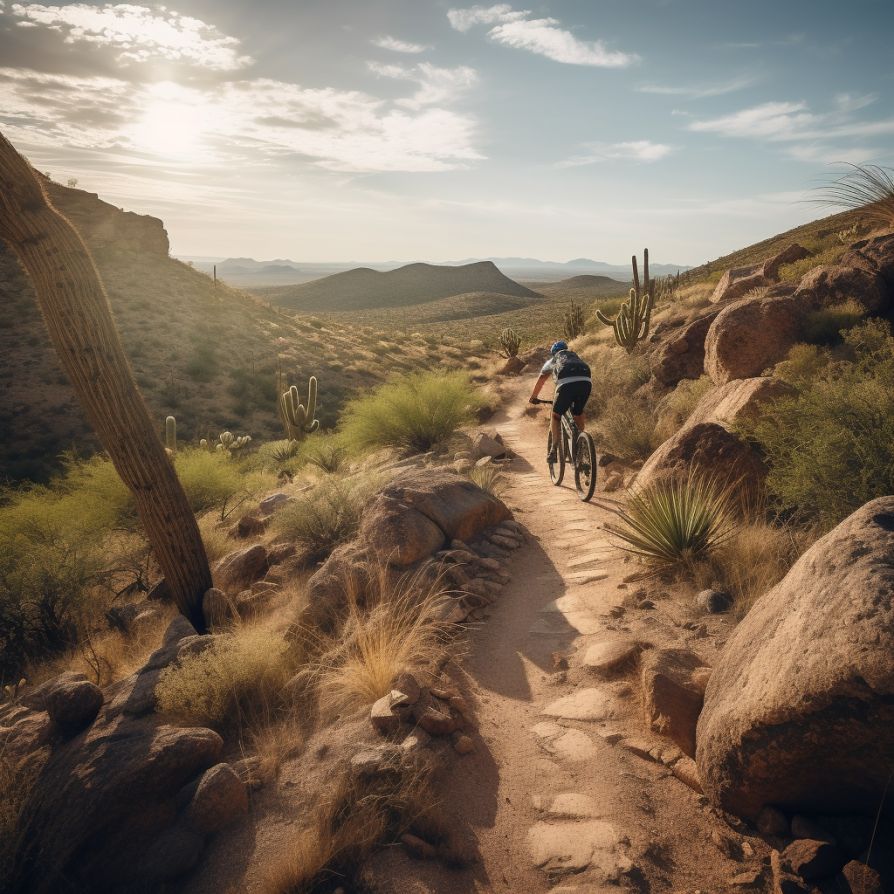
- December 2023 – March 2024: A four-month residency at Culdesac Tempe. During this period, Adeney plans to live a car-free life, utilizing the neighborhood’s light rail access, bike infrastructure, and onsite shared-mobility fleets.
- Spring 2024: A return to his Colorado base, where Adeney will evaluate the long-term potential for future "Mountain Retreat" projects and assess whether the Culdesac model provides a blueprint for his next phase of life.
Supporting Data: Why Culdesac?
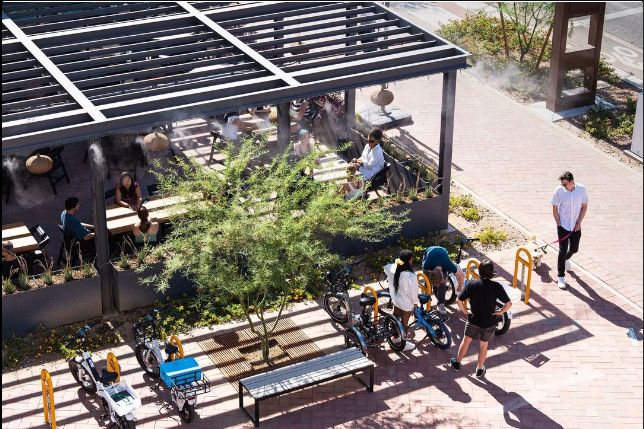
Culdesac Tempe represents a radical departure from traditional American residential planning. Built on the premise that cities should be designed for people, not automobiles, the development eliminates private parking requirements for residents, replacing them with plazas, retail space, and high-density residential units.
For Adeney, this aligns with his long-standing advocacy for walkable, bikeable cities. By removing the "car-dependency" tax—a term he uses to describe the thousands of dollars annually consumed by vehicle maintenance, insurance, and fuel—he aims to prove that high-quality, vibrant living is achievable without the traditional suburban footprint.
His choice of location is strategic. By residing in a two-bedroom apartment within the complex, he intends to document the day-to-day realities of car-free living. He acknowledges that he will maintain a vehicle, but only as a "moving truck" for cross-state travel, while his daily existence will rely on human-powered transit.
The Philosophy of "Strategic Hardship"
A central theme of this transition is the concept of "strategic hardship." Citing Dr. Anna Lembke’s Dopamine Nation, Adeney argues that the modern pursuit of constant comfort is, paradoxically, a recipe for malaise.
"Your brain creates a baseline for happiness based on the hardest thing you do, and then compares everything else to that," Adeney explains. "If you do hard things, life in general seems fantastic because of this perspective. If you eliminate all hardship, suddenly even the pleasures of life seem bland, and you live a spoiled and unmotivated life."
By voluntarily stepping out of the "easy comforts" of his established Colorado life, Adeney is setting his internal "life treadmill" to a steeper incline. This aligns with his broader, long-term goal: to catalyze a cultural shift in how U.S. cities expand. He is actively rooting for the success of the Culdesac development, hoping it serves as a proof-of-concept that can be scaled nationally to solve the urban sprawl crisis.
Implications: A Call for Deliberate Experimentation
Adeney’s move carries implications for the broader FIRE community. For years, the movement has focused heavily on the mechanics of saving and investing. Adeney’s latest pivot suggests that the next frontier of financial independence is not how much one has, but how one chooses to spend their time and physical resources.
1. Challenging the Status Quo
Adeney encourages his followers to question the "Netflix and comfort food" cycle of modern existence. He argues that even small, deliberate experiments—such as moving to a more walkable neighborhood, pursuing a new career path, or increasing physical activity—can break the cycle of stagnation.
2. The Economic Aspect
Adeney is also modeling a "mustachian" approach to his property management. While in Arizona, he intends to rent out sections of his Colorado home to friends or acquaintances. This effectively turns his primary residence into a revenue-generating asset while he is away, adhering to his long-standing principle of "making money while taking vacations."
3. Urban Planning Advocacy
The success of Culdesac Tempe has the potential to influence real estate developers and municipal planners. If the development proves that residents can live happily, productively, and socially without relying on personal vehicles, it could lead to changes in zoning laws that currently mandate excessive parking, which artificially inflates the cost of housing.
Official Perspectives and Public Engagement
Adeney is treating his residency as a transparent, public case study. He has established a tracker page on his website where he will provide updates on the challenges and successes of the experiment.
When asked about his long-term plans, he remains fluid. He is keeping his options open, balancing his Colorado roots with a potential future in the Southwest. His approach is characterized by a lack of rigidity; he acknowledges that change is difficult, but argues that "hard things are good."
Conclusion
As Pete Adeney prepares for his winter in the desert, the move serves as a poignant reminder that financial independence is not a destination, but a state of dynamic experimentation. By trading the familiar for the challenging, Adeney is attempting to prove that the most valuable commodity for the FIRE-minded individual is not a diversified portfolio, but the courage to periodically reset one’s life trajectory.
For those watching from the sidelines, the message is clear: whether or not you decide to move across the country, the act of "pointing your feet in a direction that feels good" and embracing the inherent discomfort of change may be the most significant investment one can make.

For those interested in following the progress of the Culdesac experiment, updates are being tracked at mrmoneymustache.com/culdesac/.


 Nila Kartika Wati
 Ali Ikhwan
 Suro Senen

 Azzam Bilal Chamdy
 Asep Darmawan

 Nana
 Muslim
