
 Nana
Nana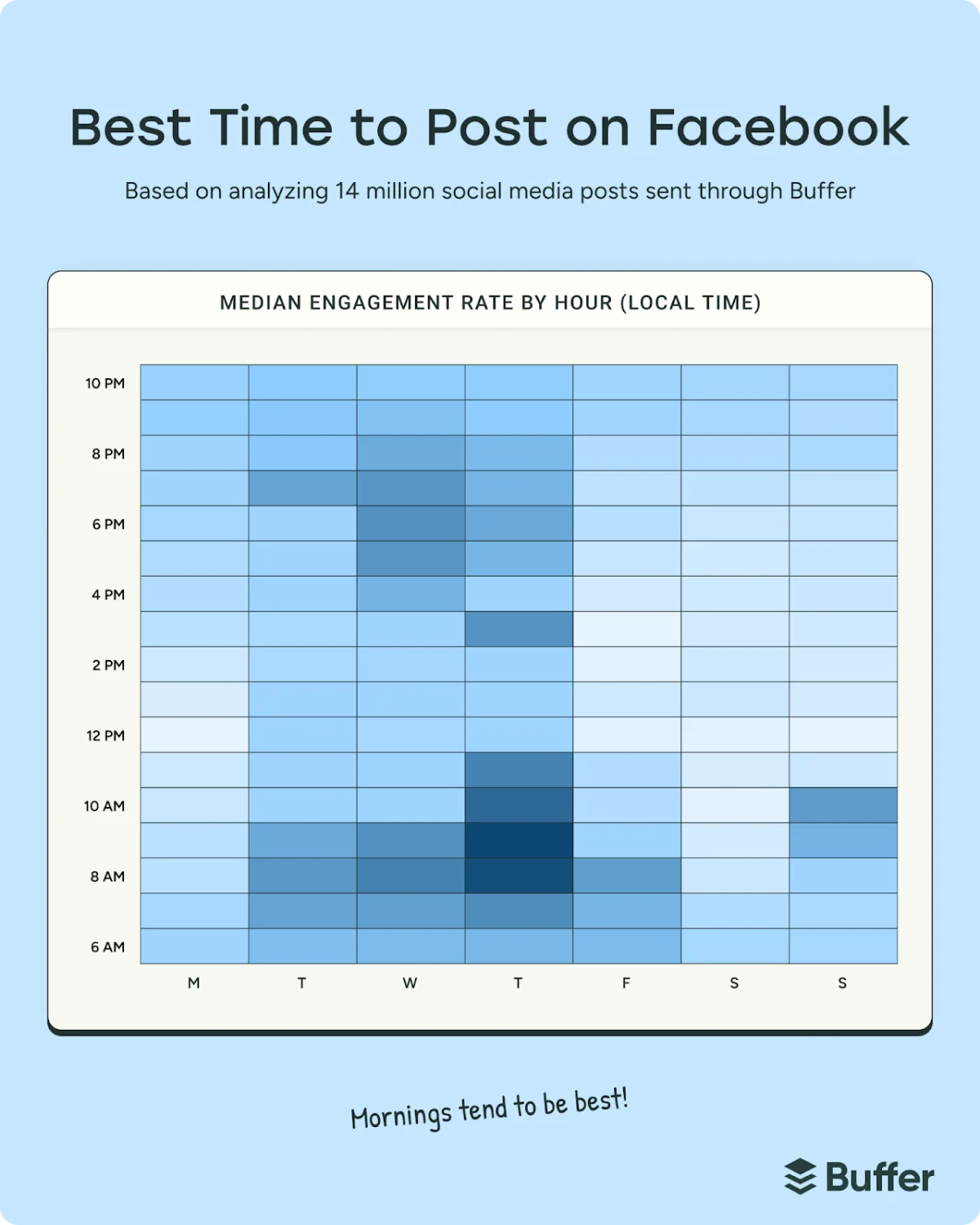
In an era where over 5 billion people navigate the digital landscape daily, social media has transitioned from a supplementary marketing channel to the primary engine of modern commerce. For businesses and creators, the challenge is no longer just "being there"—it is about navigating a fragmented, hyper-competitive ecosystem where attention is the most valuable currency.
This guide explores the current state of social media marketing, backed by comprehensive data analysis, to help you build a strategy that doesn’t just capture eyes, but converts them into long-term brand advocates.
The Evolution of the Digital Discovery Engine
In the early days of the internet, brands viewed social media as a digital megaphone—a place to broadcast messages and pray for clicks. Today, that approach is obsolete. Social platforms have evolved into sophisticated discovery engines. According to recent market data, 63% of Gen Z and 49% of millennials confirm that social media ads and influencer recommendations directly dictate their purchasing behavior.
Your audience is no longer just scrolling to kill time; they are researching, evaluating reviews, and making final purchase decisions without ever leaving their apps. To succeed, businesses must pivot from "broadcasting at" users to "engaging with" them.
A Chronology of Platform Dynamics
The social media landscape is not static. Over the past two years, we have seen a massive shift toward short-form video and the rise of decentralized networks.
- The Video Dominance (2023–2024): TikTok and YouTube Shorts cemented portrait-mode video as the gold standard for reach, forcing platforms like Instagram and Facebook to prioritize Reels and vertical media.
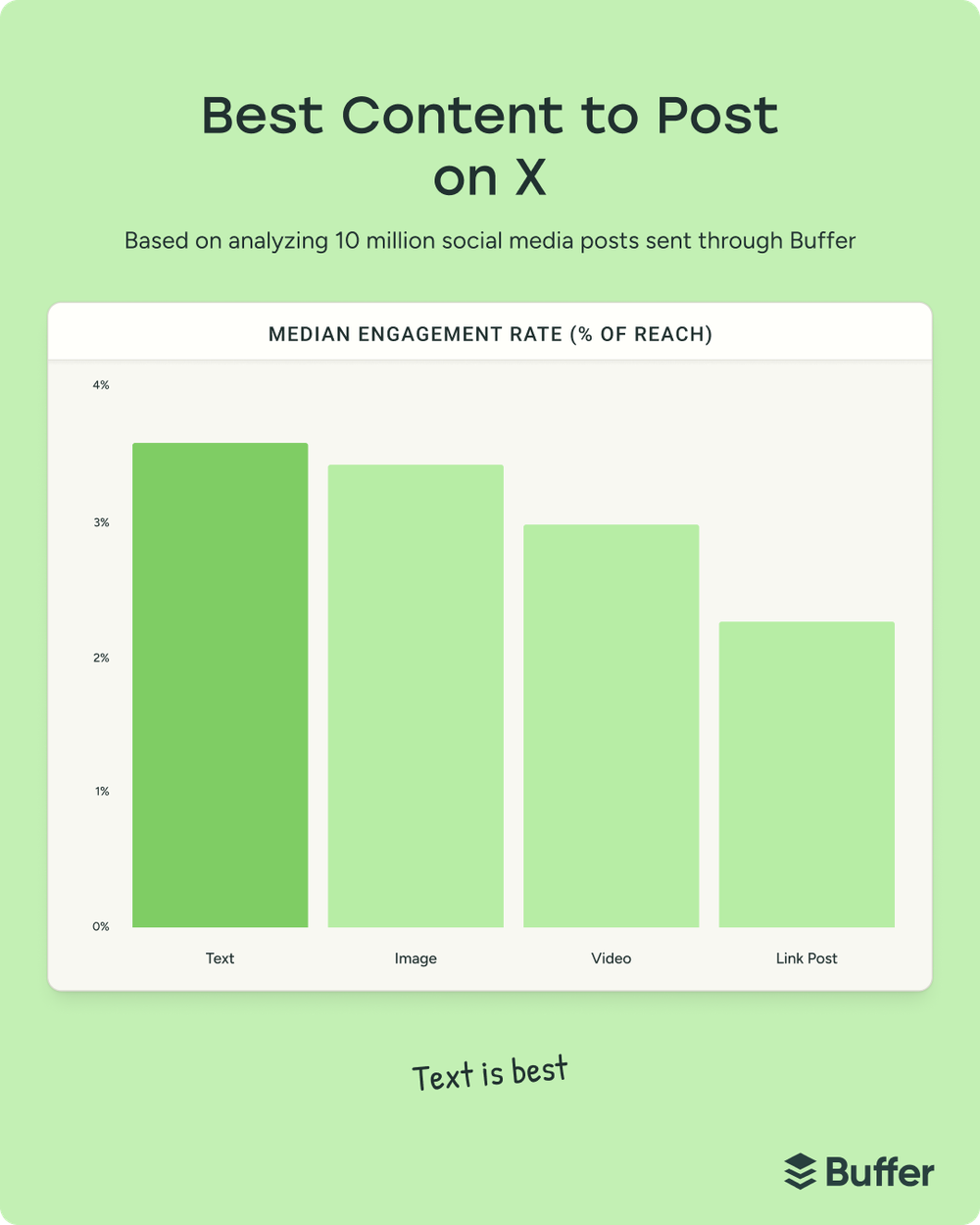
- The Return of Conversation (2025): With the growth of Threads, X, and emerging decentralized platforms like Bluesky and Mastodon, there is a clear pendulum swing back toward text-first, community-driven dialogue.
- The Integration of Commerce (2026): Social commerce is now a seamless reality. With the global rollout of advertising placements on platforms like Threads and enhanced Shopify-YouTube integrations, the "social-to-sale" funnel has never been shorter.
Data-Driven Insights: Where to Focus
One of the most common mistakes in marketing is attempting to be everywhere at once. Data consistently shows that brands focusing on one or two high-impact platforms achieve significantly higher engagement rates than those spreading resources thin.
Platform Performance at a Glance
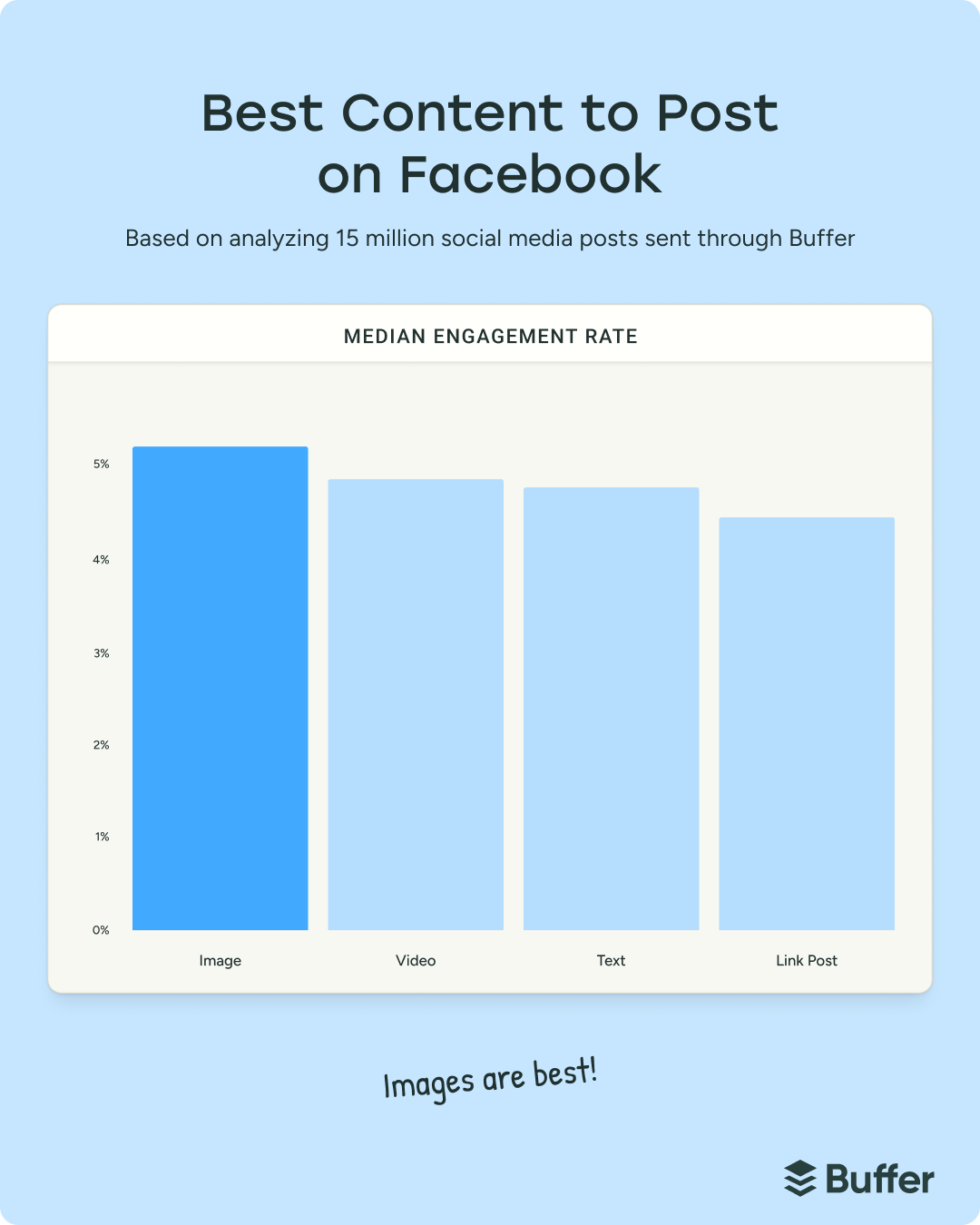
| Platform | Primary Demographic | Top Content Format |
|---|---|---|
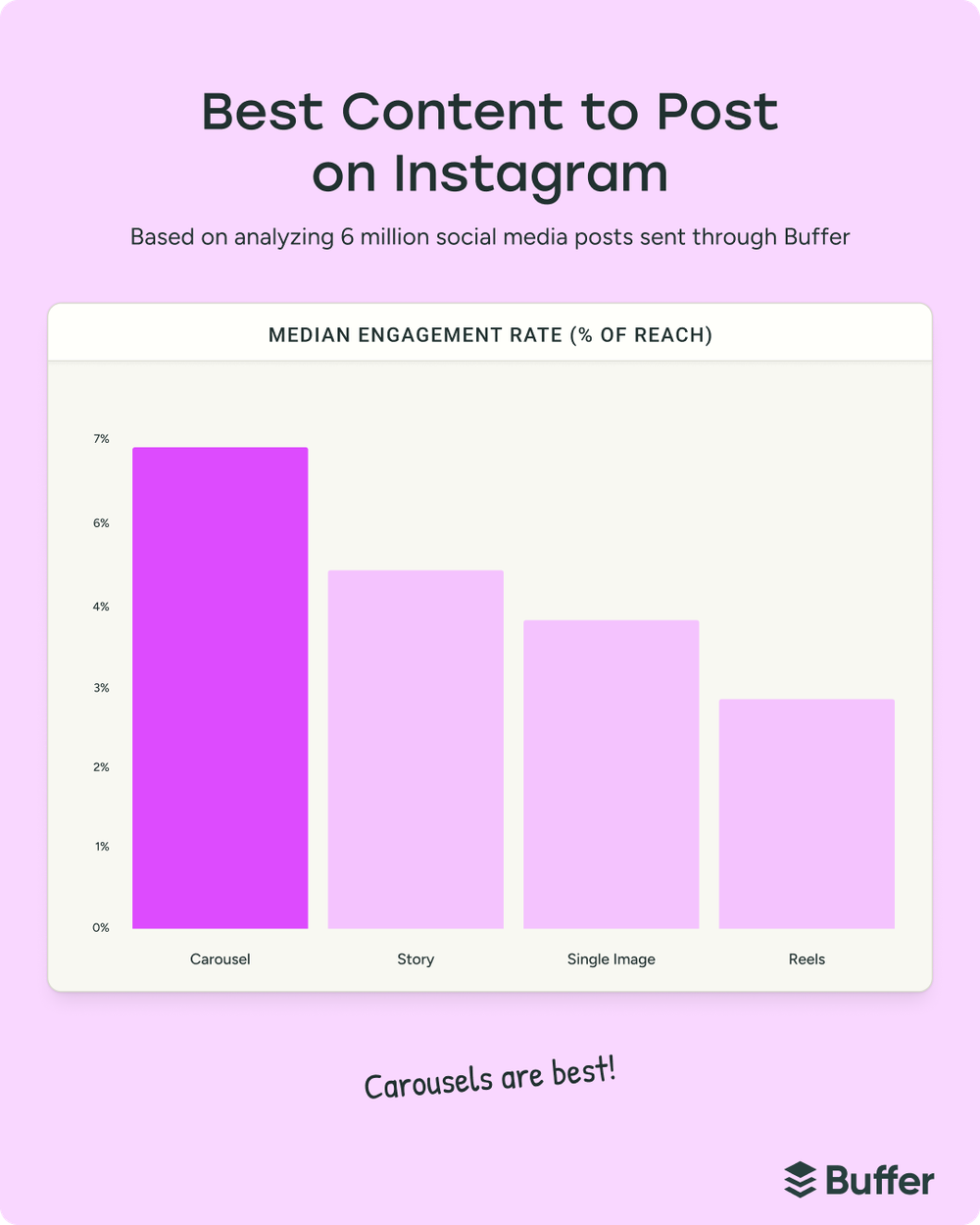
| 25–34 | Image | |
| 18–34 | Carousel | |
| YouTube | 25–34 | Long-form Video |
| TikTok | 18–24 | Short-form Video |
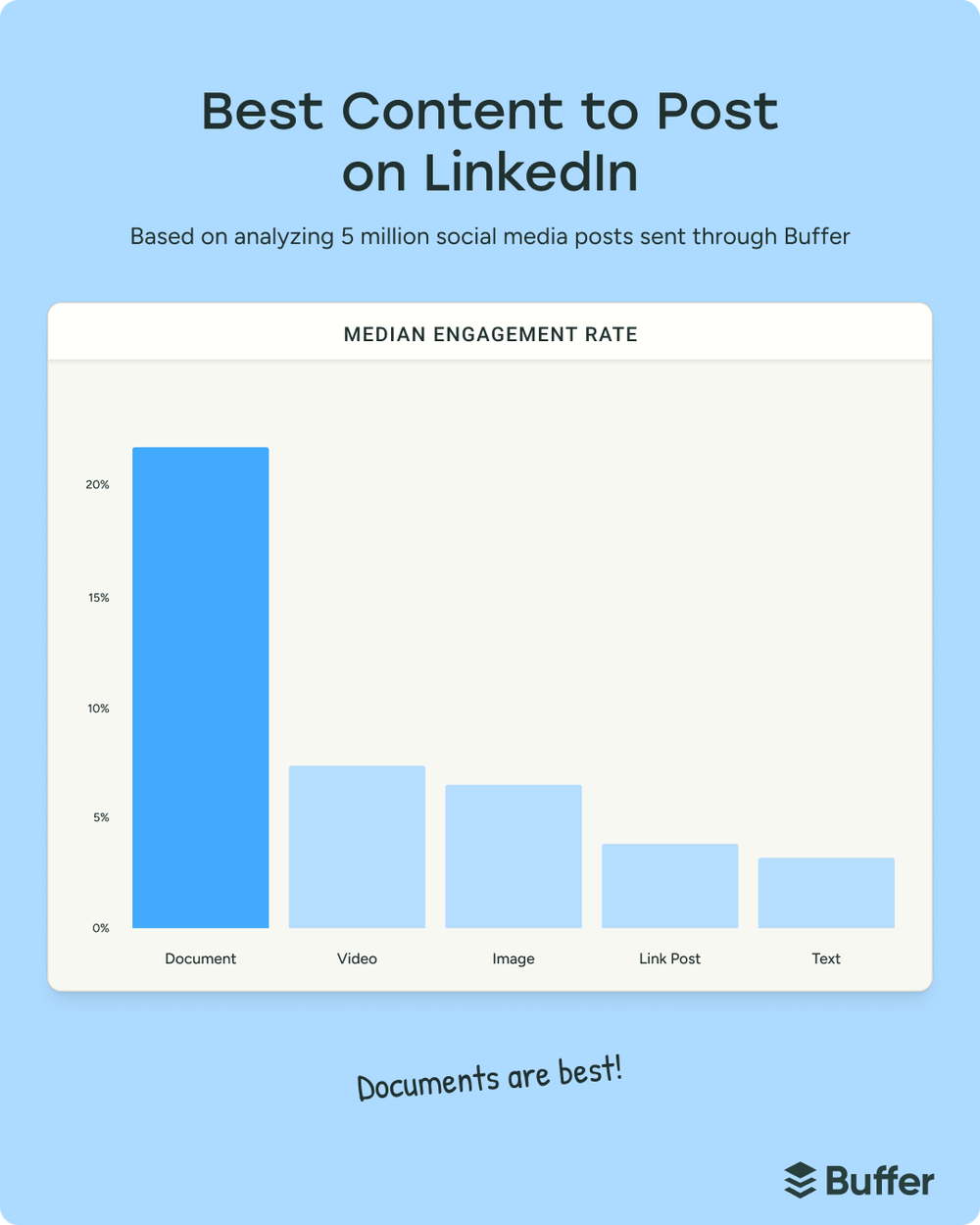
| 25–34 | Carousel (Document) |
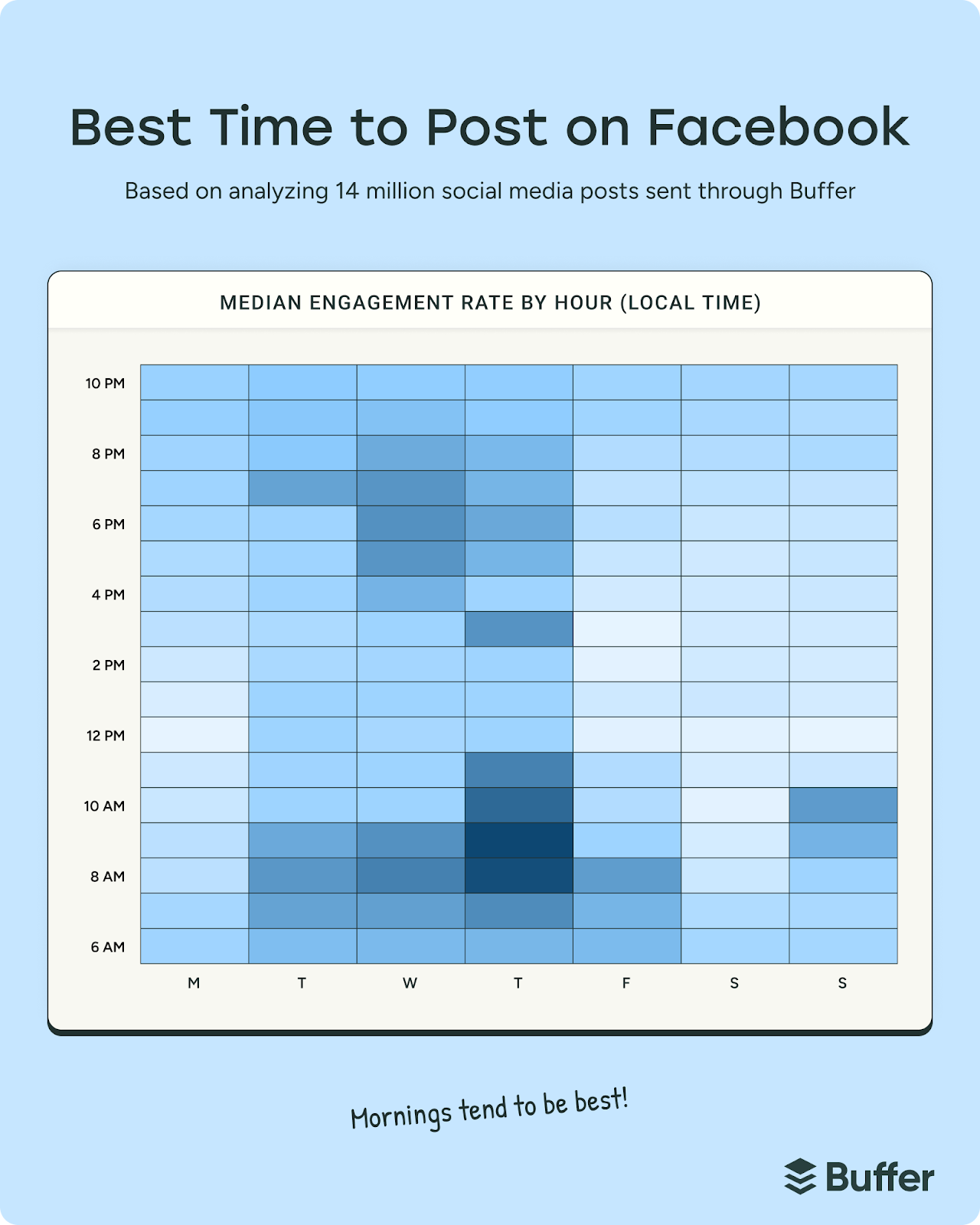
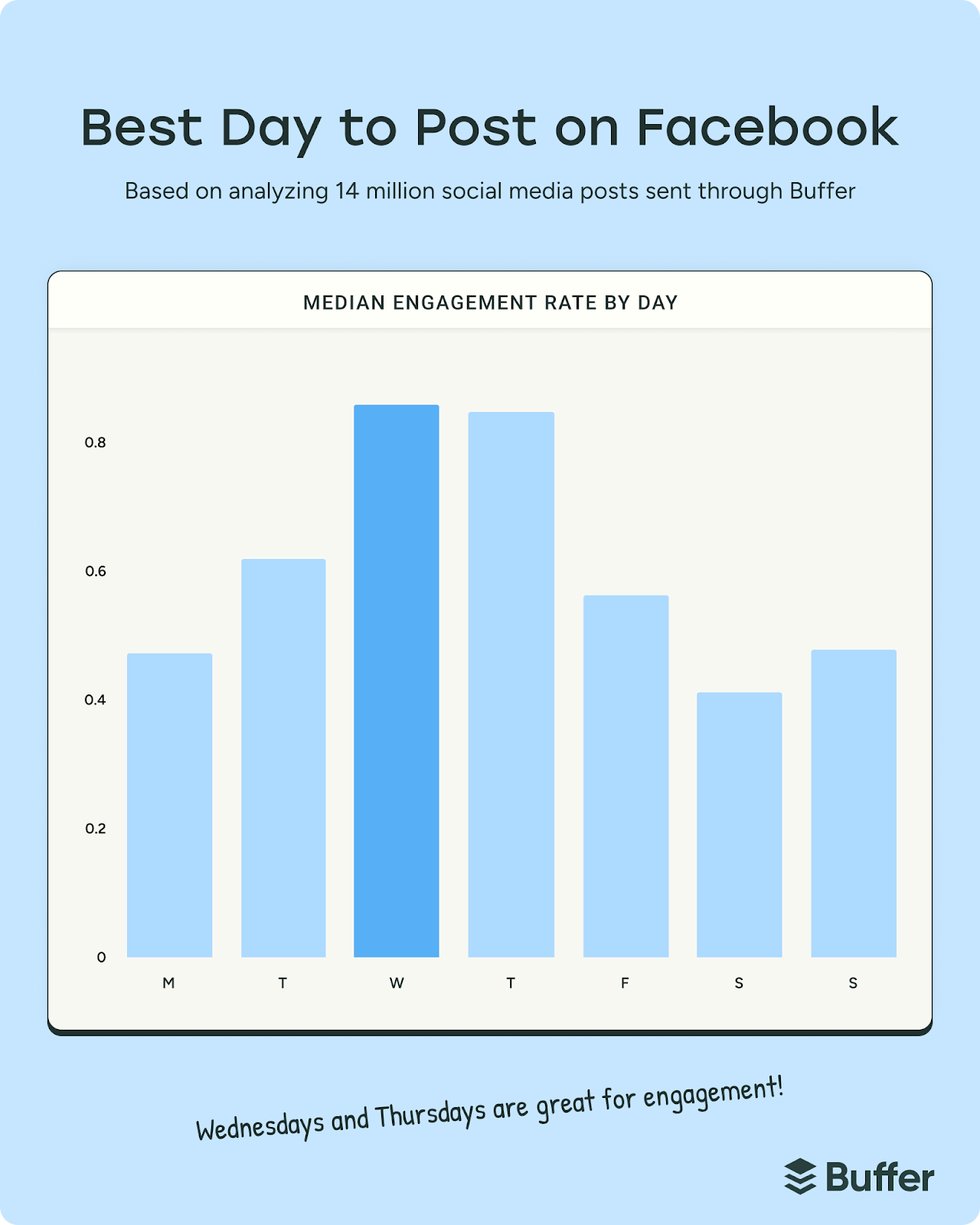
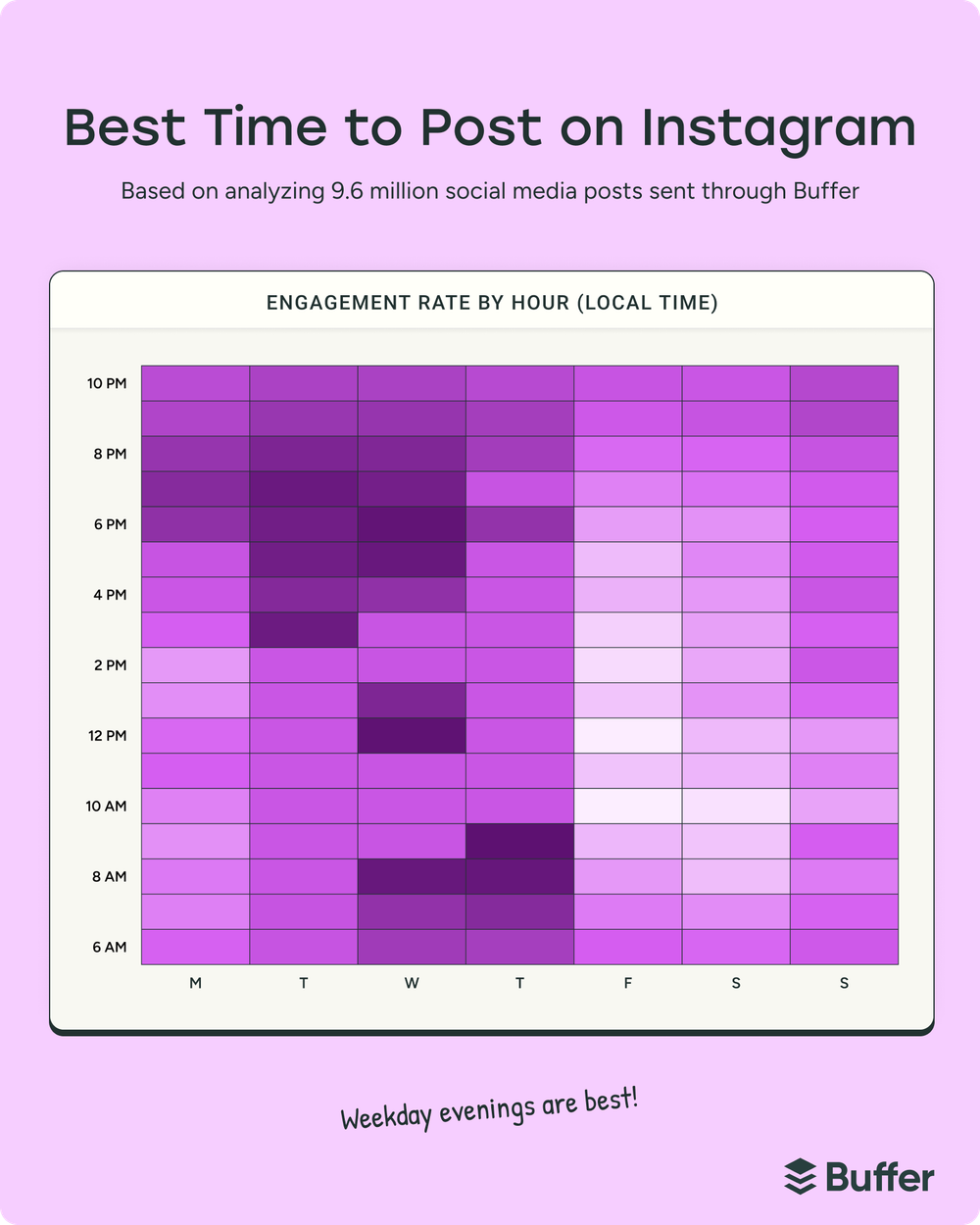
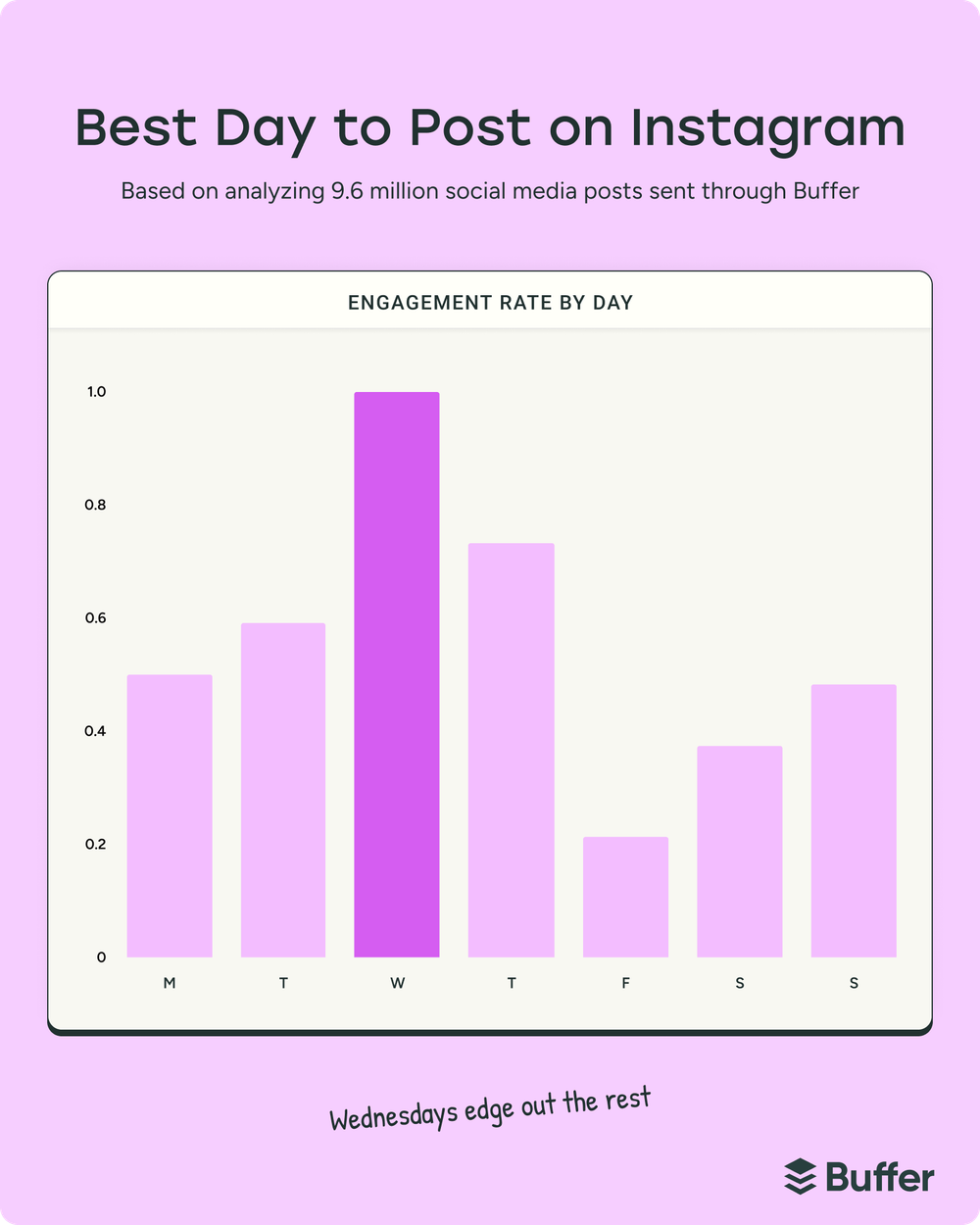
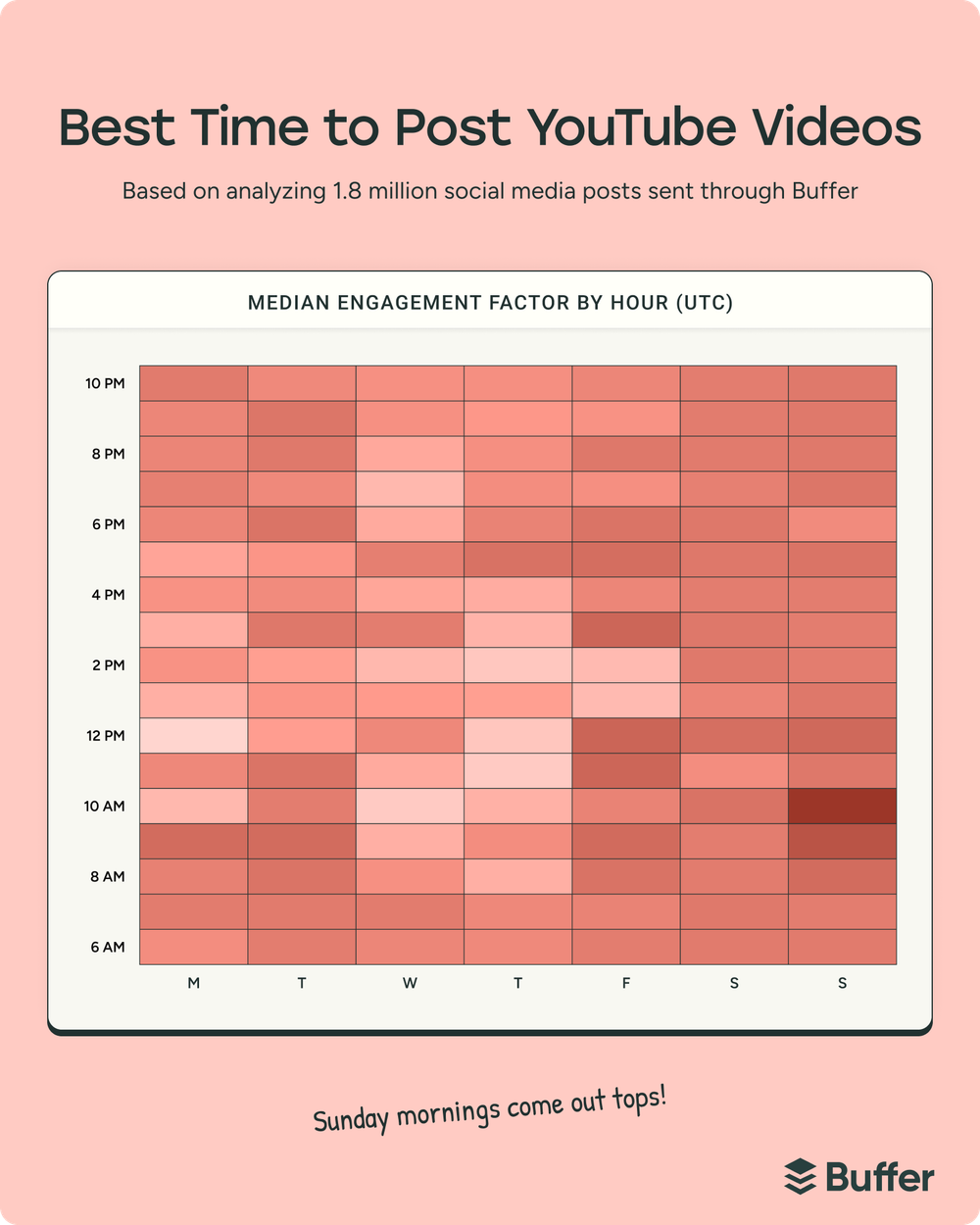
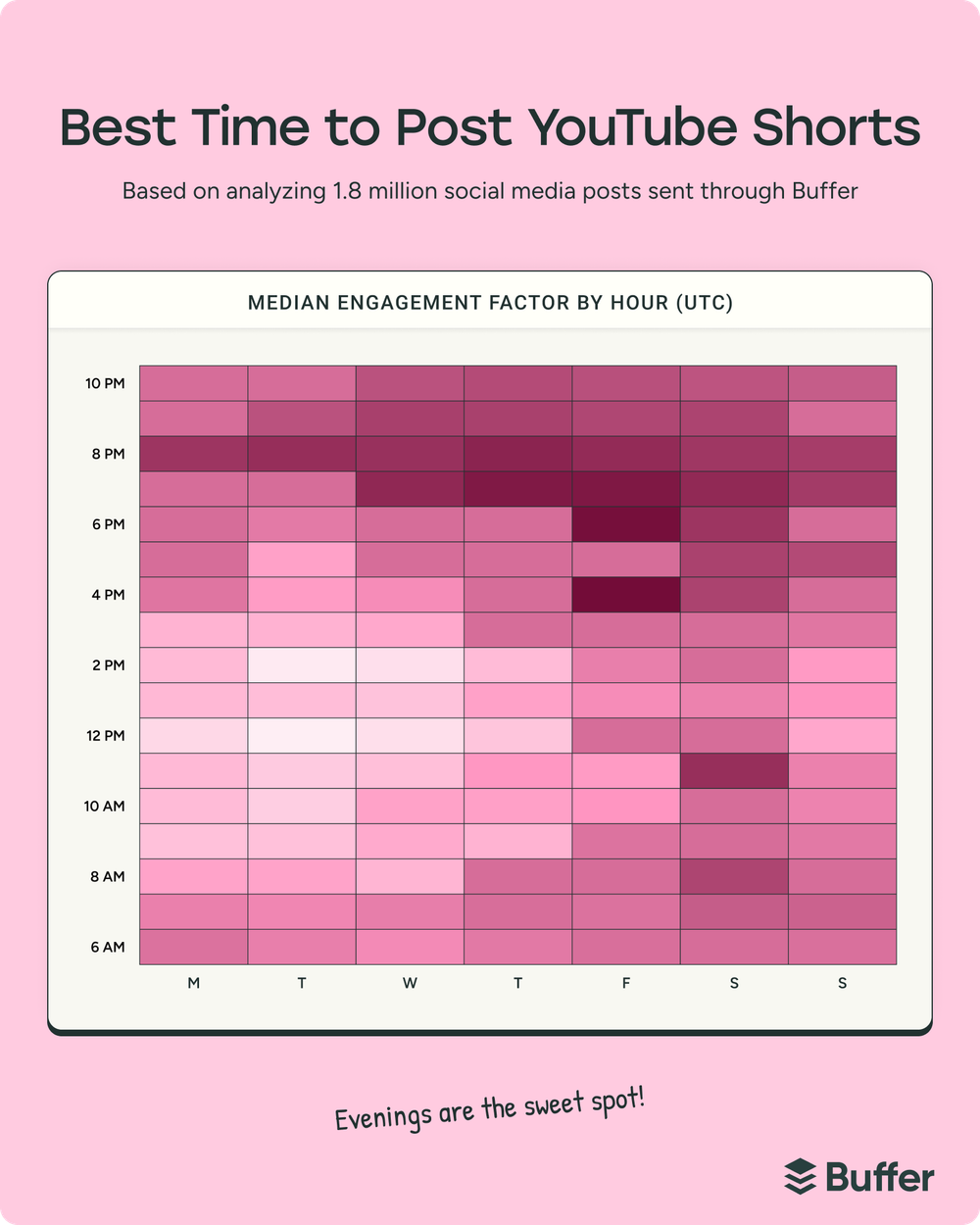
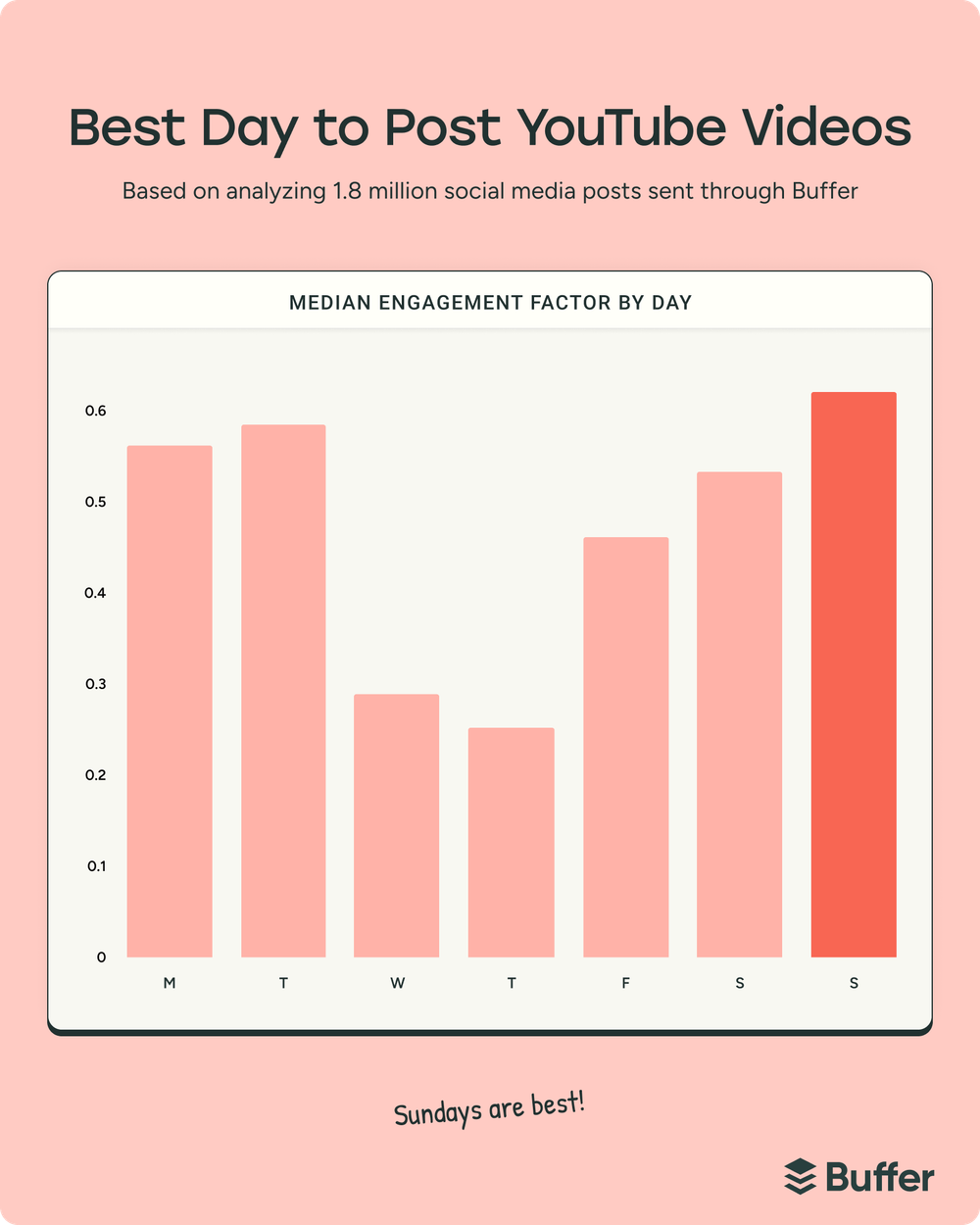
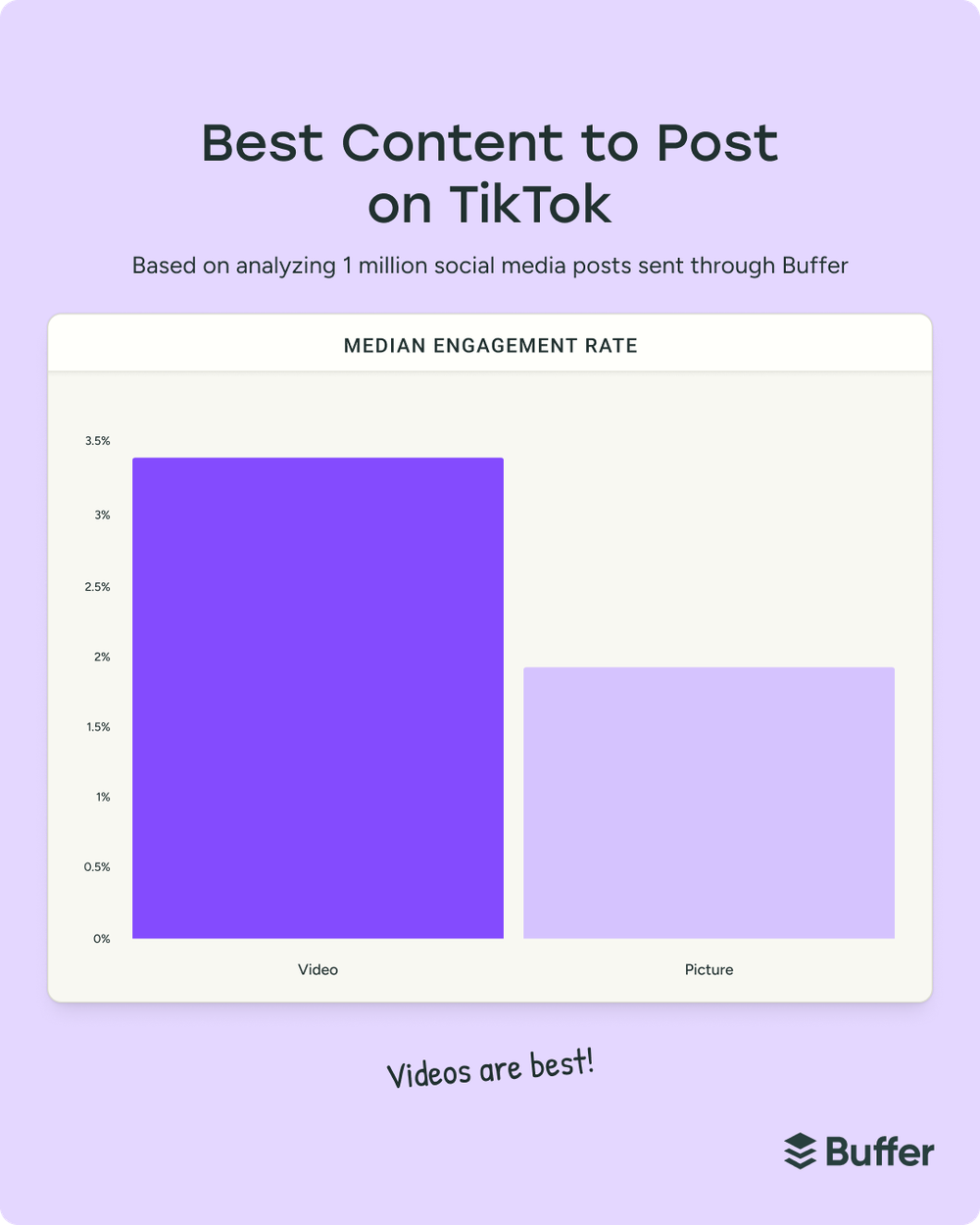
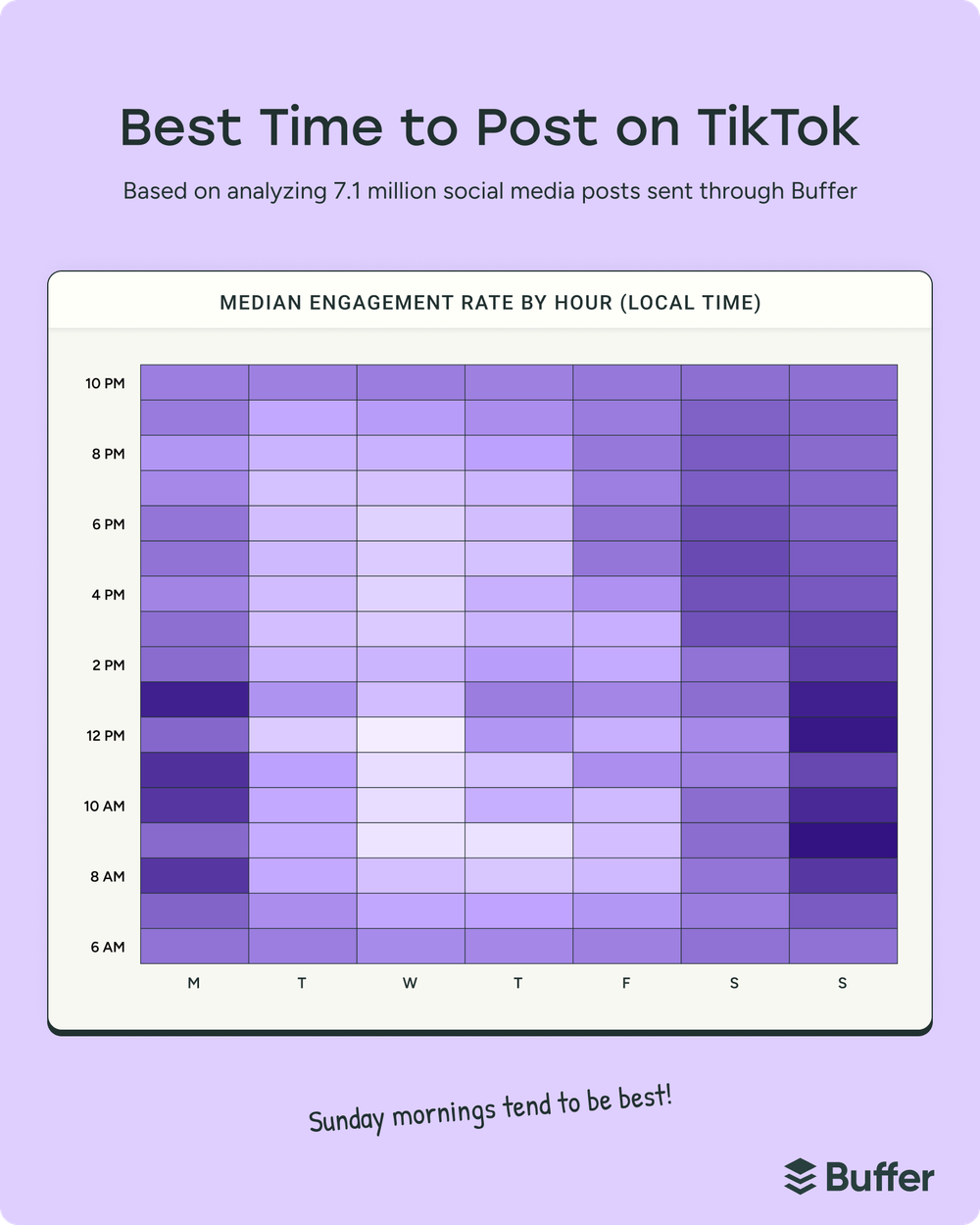
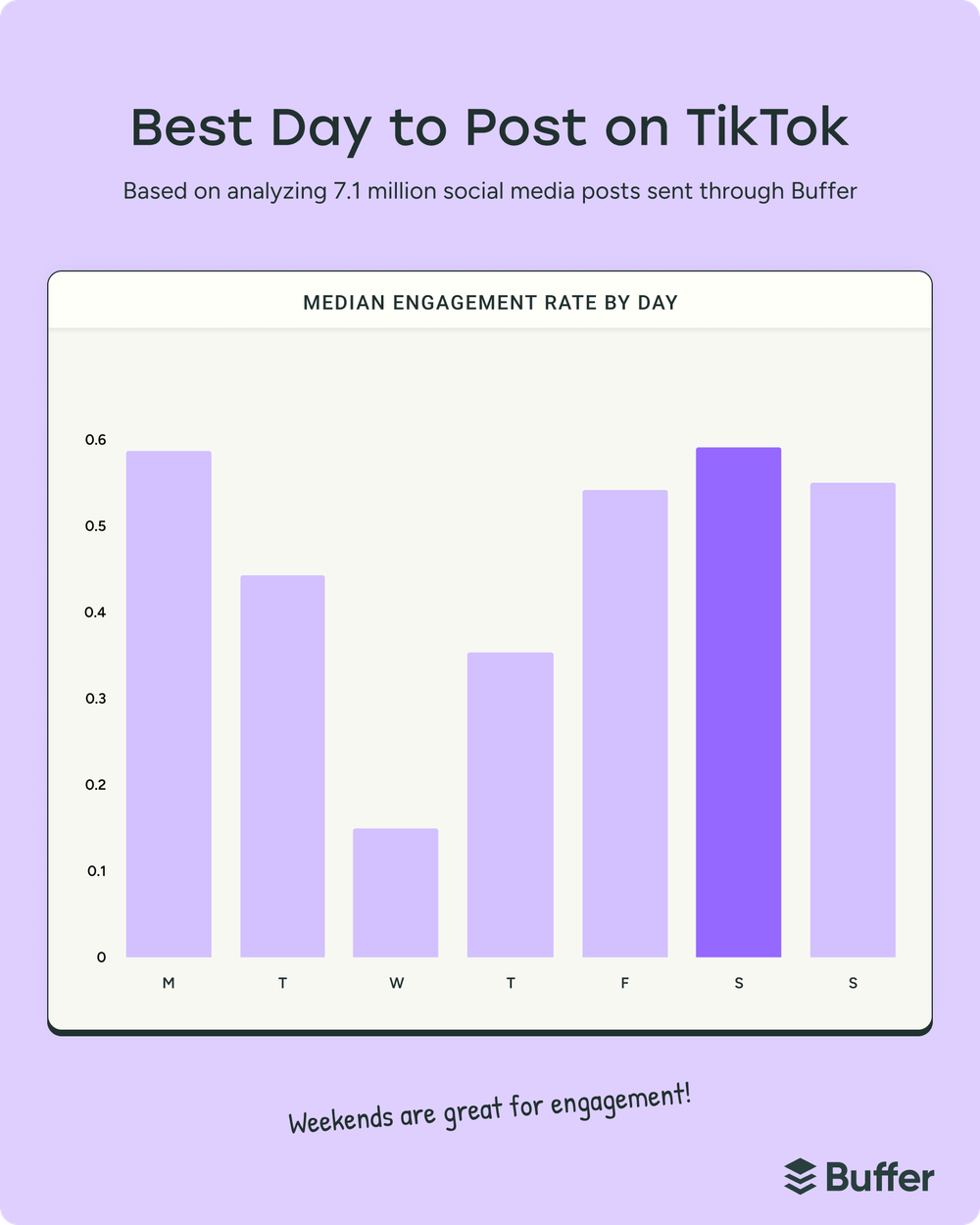
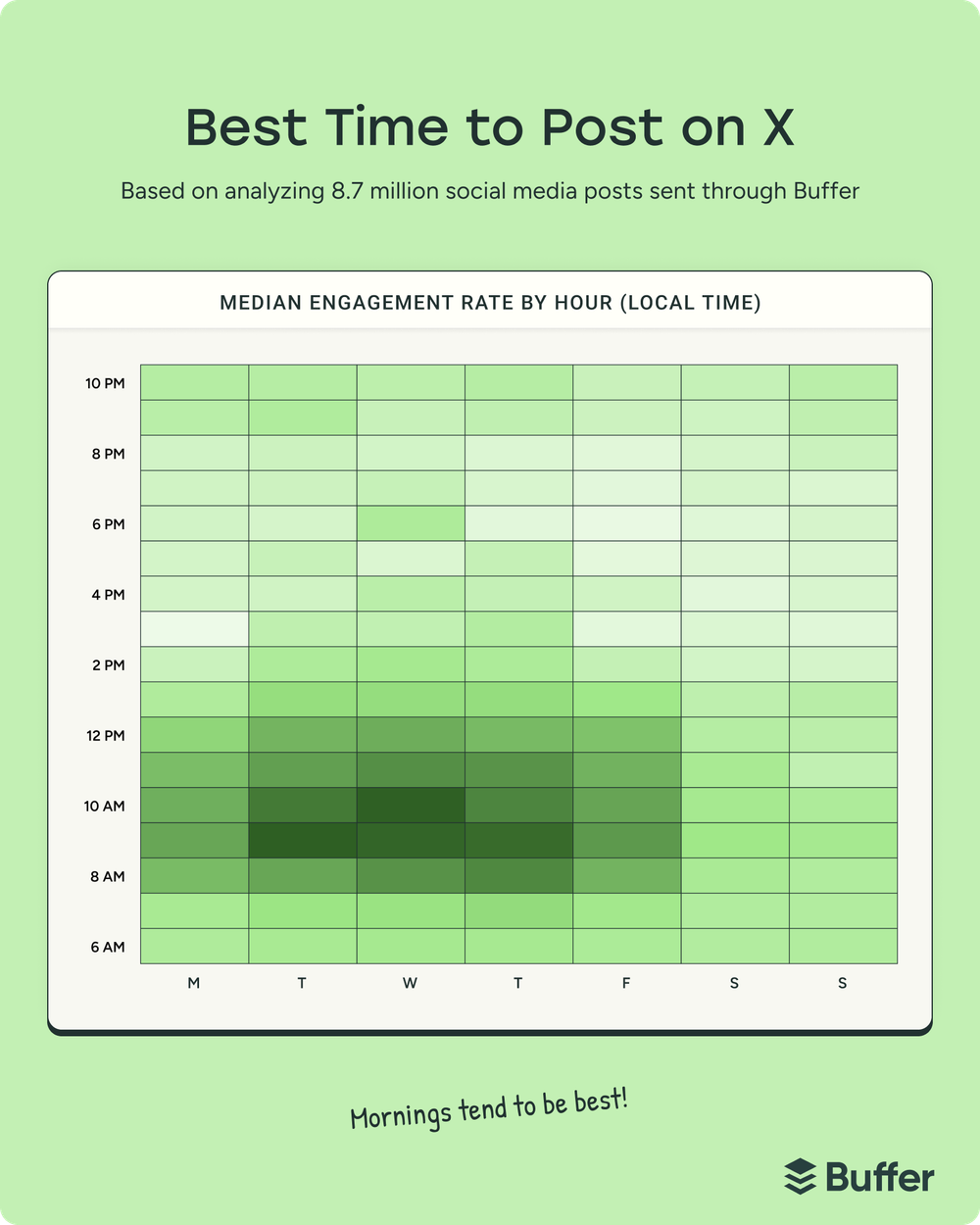
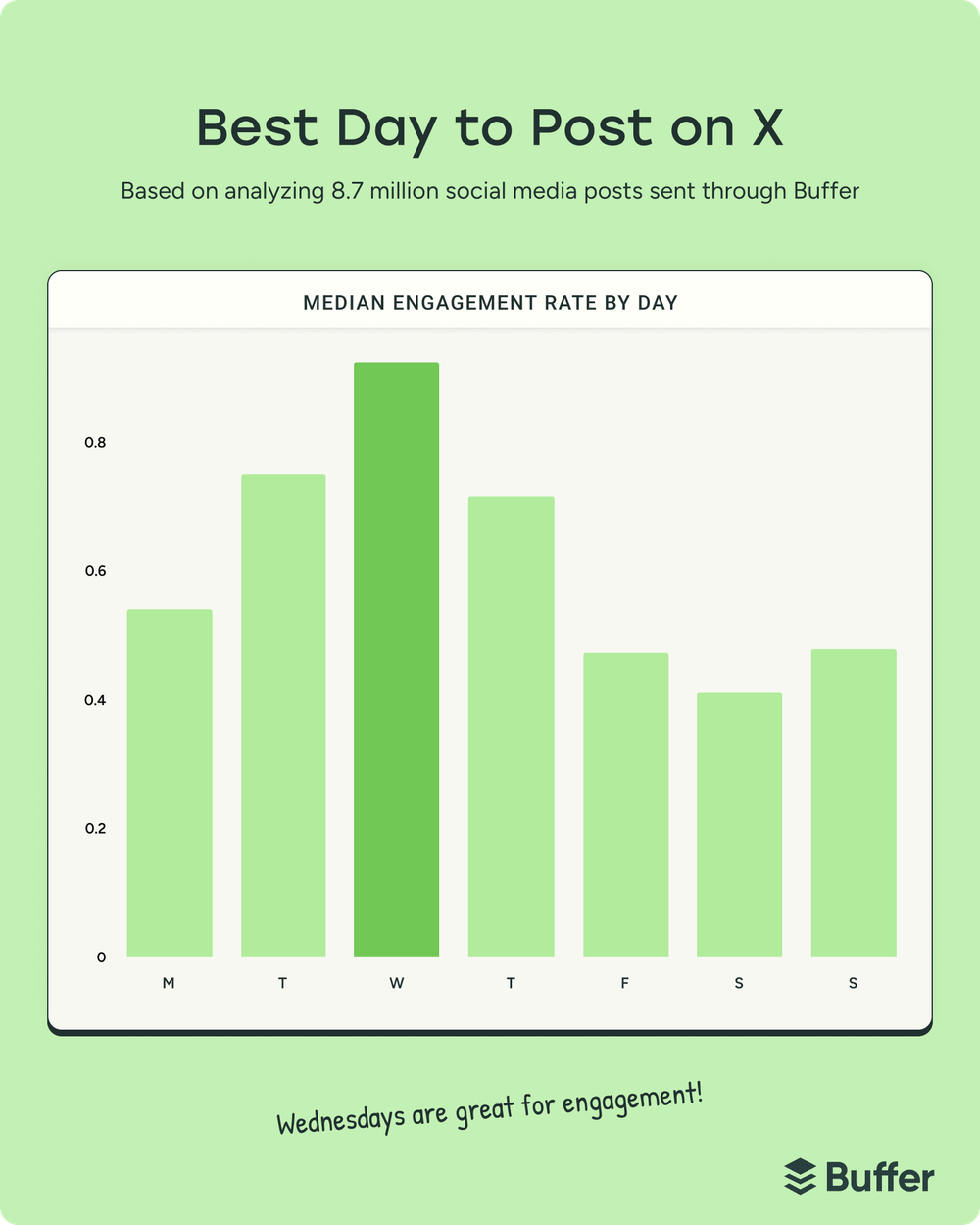
Analysis of millions of posts reveals that timing is everything. For example, while long-form YouTube videos thrive on Sunday mornings, TikTok engagement peaks on Saturday, and LinkedIn activity is strongest mid-week during business hours.
Building Your Strategic Framework
"Random acts of content lead to random results." A professional social media strategy requires a systematic, iterative approach.
1. Setting SMART Goals
Every post should ladder up to a business objective. Whether it is brand awareness, lead generation, or customer retention, your goals must be:
- Specific: Clearly defined outcomes.
- Measurable: Tracked via analytics (e.g., clicks, conversion rate).
- Attainable: Realistic given your current resources.
- Relevant: Aligned with broader company KPIs.
- Time-bound: Set within quarterly or monthly cycles.
2. The Content Flywheel
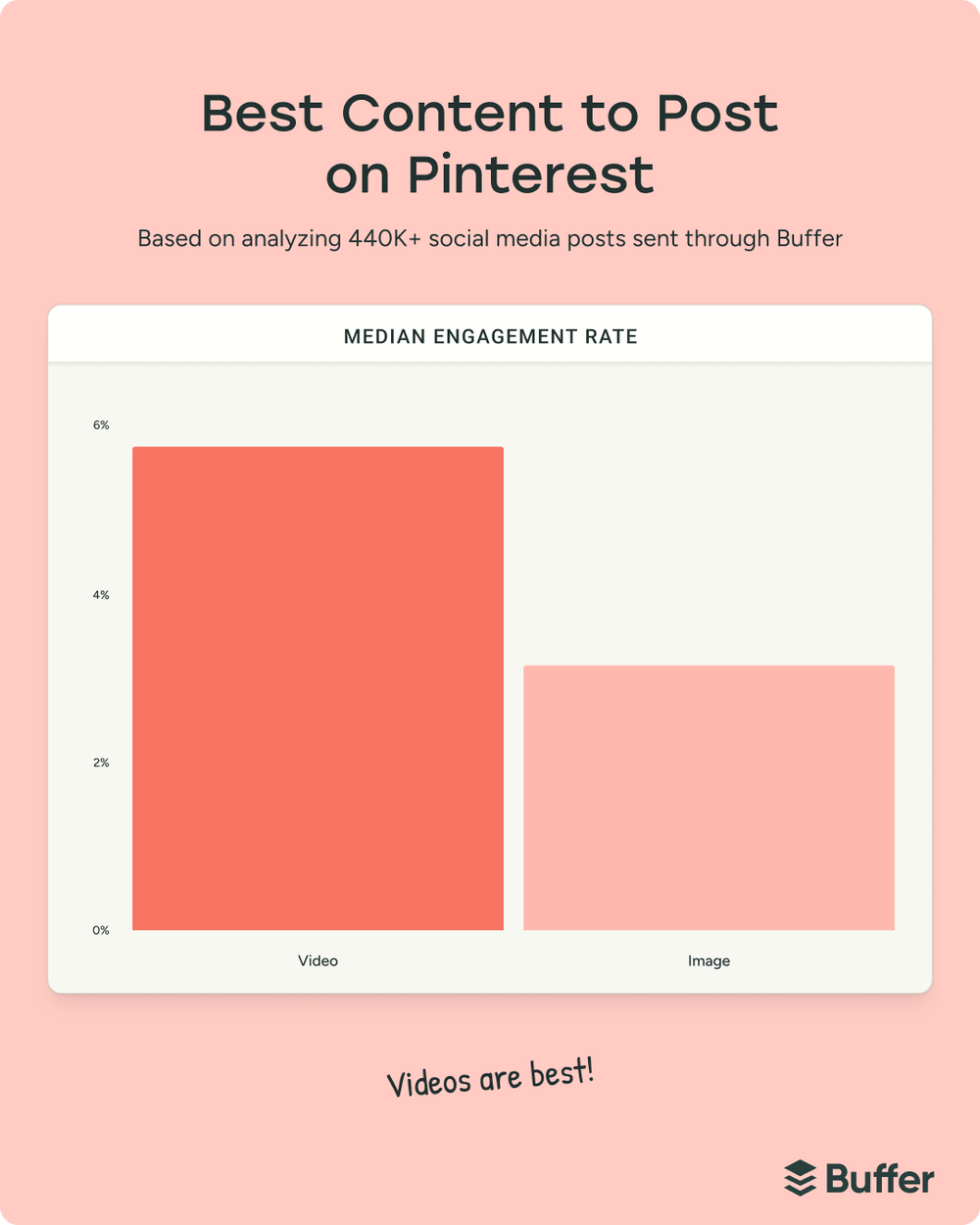
Strategy is a cycle, not a linear path. Start by defining your audience personas, create content based on your pillars, publish consistently, analyze the results, and iterate. If a particular format—such as LinkedIn carousels or TikTok video—is underperforming, do not be afraid to pivot.
3. The Power of Batching
Consistency is the most difficult hurdle for social media managers. Content batching—creating a week or month’s worth of assets in one session—is the industry standard for maintaining a professional, steady cadence without succumbing to burnout.

The Human Element: Official Industry Perspectives
We consulted leading marketing experts to understand the nuances of modern community management.
On Authenticity:
"Ignore vanity metrics," says Sarah Man, a Social Media Consultant. "Create a strategy that addresses pain points and emotional triggers. Your brand should be an extension of real people’s voices."
On Engagement:
Naba Ahmed, Marketing Manager at Prezi, emphasizes that "Posting often only shows off part of your brand. You will come across as more genuine if you take the time to comment on relevant discussions."
The consensus is clear: Do not "post and ghost." The highest-performing brands are those that treat the comment section as a customer service and relationship-building hub.
Implications for Future Growth
As we look toward the remainder of 2026, the implications for businesses are clear:
- Prioritize Community over Reach: While virality is attractive, a small, engaged community is more valuable for long-term revenue than a massive, passive audience.
- Embrace Decentralization: As platforms like Bluesky and Mastodon grow, businesses must learn to navigate community-led spaces where traditional, polished advertising is often met with skepticism.
- Invest in Analytics: Using professional tools to track not just "likes," but clicks, shares, and sentiment, is no longer optional. Data is the only way to justify social media spend to leadership.
Conclusion: Starting Your Journey
Social media marketing is a deep, nuanced discipline, but it remains one of the most accessible ways to scale a brand. You do not need a massive advertising budget to begin.
Start by picking one platform where your audience resides, fill out your profile completely to establish authority, and commit to a consistent, value-driven posting schedule. Remember, progress matters more than perfection. By focusing on genuine connection, strategic planning, and consistent engagement, you can transform your social media presence from a simple marketing channel into a powerful, revenue-generating asset for your business.
Key Tools to Bookmark:
- Social Media Management: Utilize platforms like Buffer for scheduling, analytics, and cross-platform engagement.
- Trend Analysis: Keep a pulse on trending topics to ensure your content remains timely and relevant.
- Professional Development: Regularly consult industry blogs and newsletters to stay ahead of the rapid changes in platform algorithms.
The digital conversation is happening right now. Are you ready to join it?



 Dwi Wanna
 Nila Kartika Wati
 Jia Lissa
 Basiran
 Sagoh
Sagoh

 Lina Hope