
 Dwi Wanna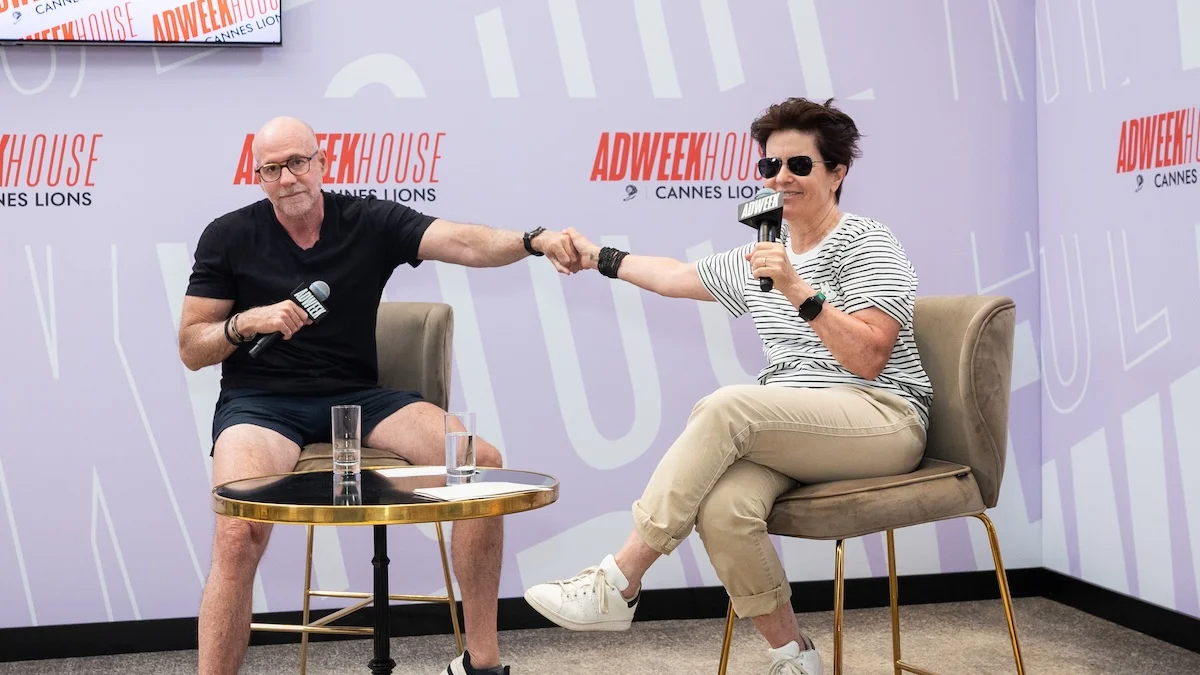
The media industry is currently navigating a period of profound structural metamorphosis. As legacy networks grapple with shifting ownership models, evolving digital strategies, and the imperative to capture a fractured audience, the personnel landscape has become increasingly volatile. From the impending departure of outspoken voices at CNN to the aggressive expansion of Fox News and the strategic hires at CNBC, the current climate reflects a broader trend of recalibration across the entire television news ecosystem.
The Swisher Exit: A Statement of Principle
The most prominent headline in the current media cycle is the definitive departure of technology journalist and cultural commentator Kara Swisher from CNN. Swisher, who joined the network as an on-air contributor in November 2023, has made it clear that her tenure is coming to a close, specifically citing the pending acquisition of Warner Bros. Discovery by Paramount Skydance as the primary catalyst for her exit.
The Chronology of Discontent
Swisher’s intention to leave was not a sudden impulse but a decision that matured over several months. Since June, Swisher has been vocal about her reservations regarding the future ownership of the network. Following the official settlement reached this week between Paramount Skydance and state attorneys general—a pivotal hurdle cleared in the merger process—Swisher moved to formalize her exit.
On a recent episode of her Pivot podcast, hosted alongside colleague Scott Galloway, Swisher detailed her decision-making process. She initially entertained the idea of navigating the transition under new leadership, hoping to find a professional middle ground. However, that sentiment shifted rapidly. Reflecting on her internal deliberation, Swisher remarked, “But then I thought, ‘F— these guys! I don’t want to work for them. I just don’t.’”
Swisher has formally requested an early exit from her contract, which is currently slated to conclude on December 31. Her departure marks a significant moment for CNN, as it highlights the friction between high-profile independent talent and the shifting corporate architecture of major media conglomerates.
Strategic Shifts at CNN: From Qatar to Farm Aid
While headlines focus on talent turnover, CNN continues to push forward with its infrastructure and programming initiatives. The network is currently emphasizing both global expansion and community-focused event programming.
Global Innovation: Media City Qatar
In a bid to modernize its production capabilities, CNN recently unveiled a state-of-the-art facility in Media City Qatar, Doha. This facility serves as the anchor for "CNN Creators," a multiplatform programming initiative. The studio is designed with an "open plan" architecture, intended to break down the traditional barriers between the newsroom, the production center, and the studio floor. By integrating these three functions into a single, cohesive space, CNN aims to foster a more agile production environment where the entirety of the editorial process is visible and accessible to the camera, reflecting a modern shift toward transparency in news production.
Cultural Programming: The Return of Farm Aid
On the programming front, CNN has reaffirmed its partnership with the annual Farm Aid festival. The network will broadcast Farm Aid 2026: Musical Festival Live on September 26 at 7 p.m. ET. The broadcast will be anchored by John Berman and Laura Coates, reporting live from the Veterans United Home Loans Amphitheater in Virginia Beach, Virginia. Chief climate correspondent Bill Weir is also slated to provide on-the-ground reporting, bridging the gap between the event’s musical roots and the broader issues of climate and agriculture that define the mission of Farm Aid.
The "Revolving Door": Shifts at Fox News and Beyond
The personnel churn extends well beyond CNN, with Fox News experiencing a significant reshuffling of its talent roster.
New Faces and Interim Anchors
In a move that has surprised industry observers, Fox News announced that Billy Bush is joining the network as a contributor. Bush, a seasoned television personality, is expected to appear across all Fox platforms, having already made his debut on the Tuesday night edition of Jesse Watters Primetime.
Simultaneously, the network is addressing a vacancy in its Sunday morning lineup. Following the departure of Maria Bartiromo—announced on September 3—Larry Kudlow has been named the temporary anchor of Fox News’ Sunday Morning Futures. Kudlow will hold the position through November 8, serving as a placeholder while the network evaluates its long-term strategy for the weekend morning slot.
Expansion at CNBC and CNN
CNBC is actively bolstering its editorial ranks with a series of key appointments. Megan Morrone, formerly of Axios, joins the San Francisco bureau as a technology editor, reporting to Christina Passariello. Daren Fonda, a veteran of Barron’s, has been hired as a senior editor for investing, reporting to John Melloy. Furthermore, the network has tapped Sebastien Chasse as a senior equity analyst and reporter, while Paulina Likos, formerly of the CNBC Investing Club, transitions into the role of markets reporter.
CNN has also announced internal growth, promoting Leigh Waldman to the role of Los Angeles-based correspondent, effective October 12. Waldman’s transition from the network’s New York-based Newsource bureau to the Los Angeles field office signals a strengthening of CNN’s West Coast presence.
The Iconography of News: Dateline’s 35th Anniversary
As networks reposition themselves, they are also celebrating long-standing institutional successes. NBC News’ Dateline is currently marking its 35th season, an achievement rarely seen in the volatile landscape of modern television.
To commemorate the milestone, the Empire State Building will be illuminated in blue this Friday night. The ceremony, attended by Lester Holt, Josh Mankiewicz, Blayne Alexander, and Andrea Canning, serves as a symbolic bridge between the legacy of traditional investigative broadcasting and the current media environment. "It’s appropriate, I think, that a program that’s certainly become an icon of television broadcasting in this country is here celebrating at this iconic place here in NYC," Holt stated during the event’s lead-up.
Implications for the Future of Broadcast Media
The aggregate effect of these developments—Swisher’s principled departure, the modernization of CNN’s international facilities, and the tactical personnel moves at Fox and CNBC—suggests a medium in transition.
Ownership and Editorial Independence
The most critical implication of the Swisher situation is the question of editorial autonomy within the new corporate structures of media giants. When journalists of Swisher’s stature openly reject a merger-driven corporate culture, it highlights the potential for "brain drain" during periods of acquisition. As Paramount Skydance assumes control of WBD, the network will be tasked with proving that it can maintain its journalistic integrity and attractiveness to top-tier talent despite the administrative upheaval.
Diversification of Revenue and Platform
The investments in the Doha facility and the ongoing commitment to live event broadcasting (like Farm Aid) demonstrate that television networks are no longer relying solely on the 24-hour news cycle to maintain relevance. By integrating production, newsroom operations, and digital-first content, networks are attempting to create "content hubs" that function independently of the traditional linear broadcast schedule.
The Talent War
The "revolving door" at Fox, CNBC, and CNN indicates that while linear television is facing existential threats from streaming, the battle for high-impact, recognizable talent remains fierce. Networks are prioritizing contributors and anchors who can command multi-platform audiences. Whether through the hiring of personalities like Billy Bush or the strategic promotion of internal staff like Leigh Waldman, the focus is clearly on building a robust, versatile roster capable of navigating a 24/7 digital environment.
As the industry moves into the final quarter of the year, the stability of these networks will be tested by the success of these new hires and the ability of management to integrate new corporate cultures without alienating the voices that define their brands. The story of media in 2026 is one of survival, adaptation, and the constant, high-stakes navigation of a shifting public and corporate interest.


 Nana
Nana
 Basiran
 Nila Kartika Wati
 Jia Lissa

 Sagoh
Sagoh

 Lina Hope