
 Pevita Pearce
As climate change accelerates, heatwaves are becoming both more frequent and more intense, fundamentally altering the operating parameters of the world’s power grids. In June and July 2026, as temperatures across Europe repeatedly surged past 40C, the fragility of modern energy infrastructure was laid bare. From the shuttering of nuclear reactors in France to the flagging efficiency of gas-fired plants and the plummeting output of wind farms, no energy source has proven immune to the escalating climate crisis.
While critics often reflexively point to the "intermittency" of solar and wind as the primary cause of grid instability during heatwaves, data suggests a more complex reality. Every major source of power generation—thermal, nuclear, and renewable—faces distinct, physics-based limitations when ambient temperatures reach record highs. As electricity demand spikes—driven by the ubiquitous use of air conditioning—the energy sector finds itself in a race to adapt to a "new normal" where extreme heat is a persistent operational risk.
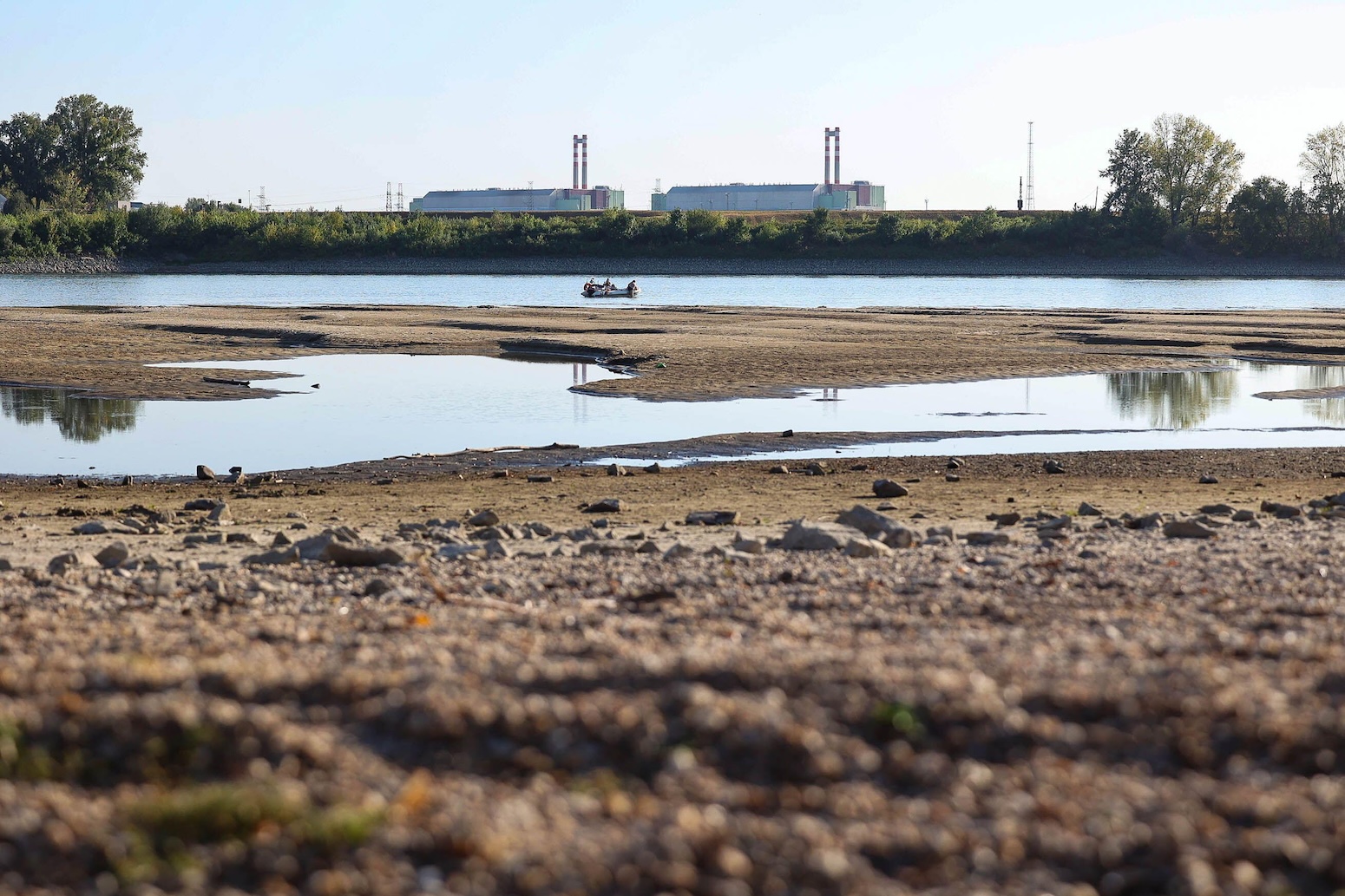
The Chronology of a Crisis: Summer 2026
The summer of 2026 serves as a stark case study in systemic grid vulnerability. By late June, a severe heatwave across Europe forced a 20% spike in electricity demand in France alone. As the grid struggled to keep pace, the physical limitations of existing power generation became clear.
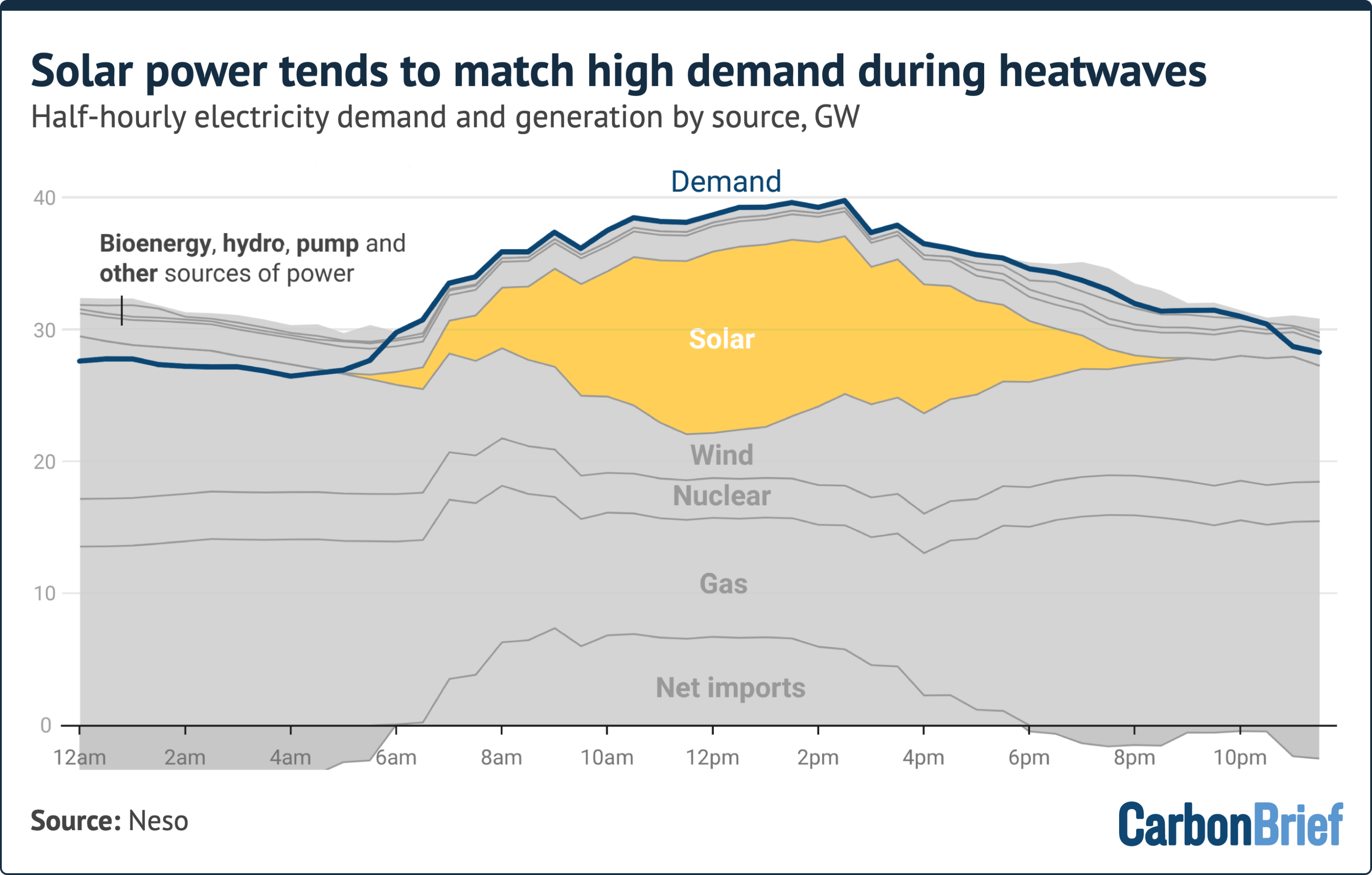
- Mid-June: Temperatures soar across the European continent. Grid operators, such as the UK’s National Electricity System Operator (Neso), report increased reliance on high-priced imports to balance the system as wind generation dips.
- Late June: In France, nuclear operator EDF is forced to throttle production. Multiple reactors are taken offline or reduced in output to ensure cooling systems remain within safety and environmental compliance limits.
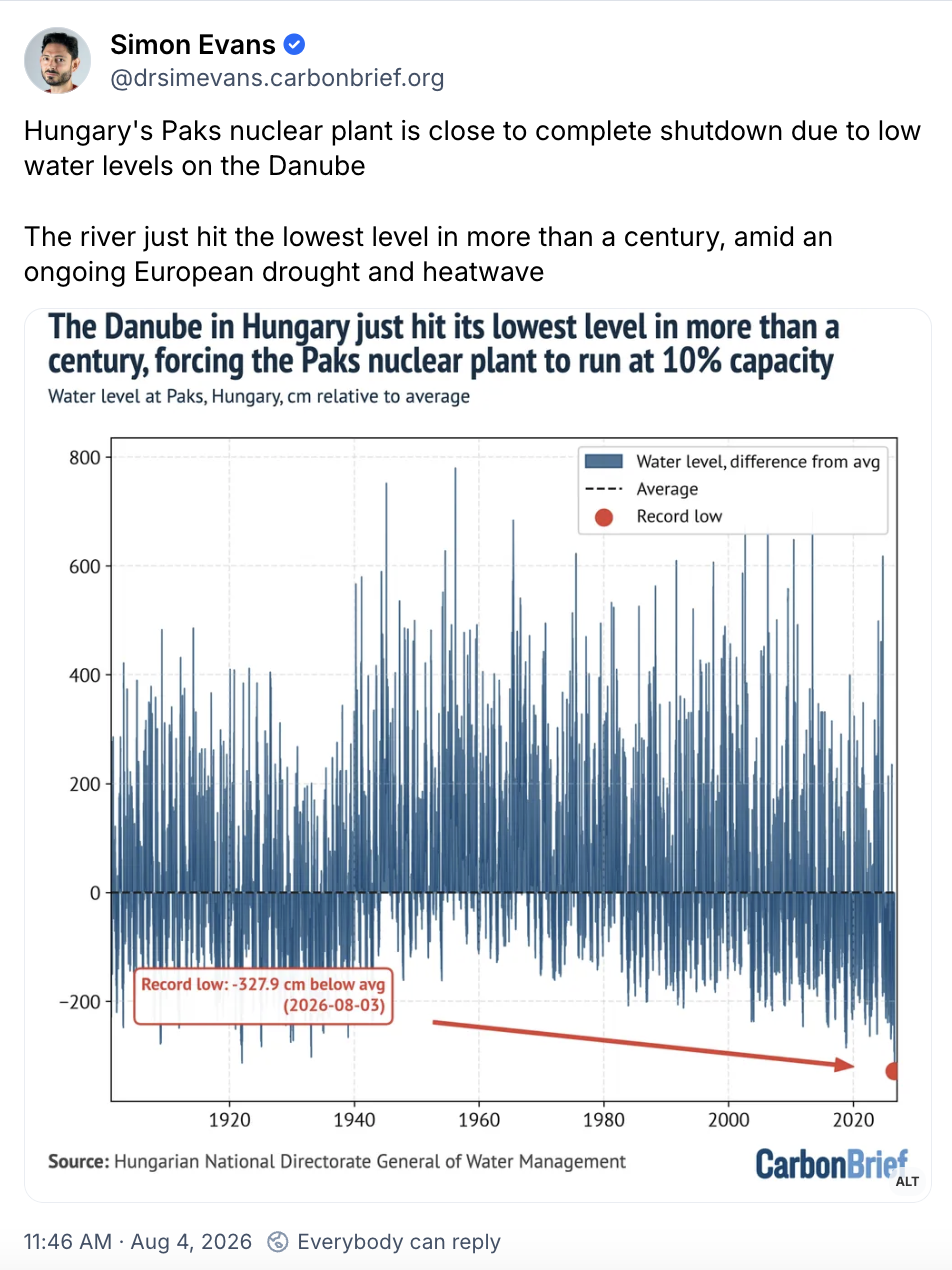
- July 2026: A prolonged drought causes water levels in the Danube to drop to historic lows, crippling nuclear plants in Romania, Hungary, and Serbia. Electricity prices in these regions skyrocket, mirroring winter peaks.
- August 2026: Research confirms that systemic "heat domes" have fundamentally altered the generation profile of the entire European energy mix, forcing a re-evaluation of energy security policies.
Supporting Data: The Physics of Power Loss
The challenges posed by extreme heat are rooted in basic thermodynamics. Whether a plant relies on nuclear fission or natural gas combustion, the efficiency of the conversion process depends on the temperature differential between the energy source and the environment.
The Nuclear Dilemma
Nuclear power plants typically require vast quantities of water for cooling. As river temperatures rise, the efficiency of this heat exchange drops. Furthermore, many countries, including France, impose strict legal limits on the temperature of water returned to rivers to protect aquatic ecosystems.
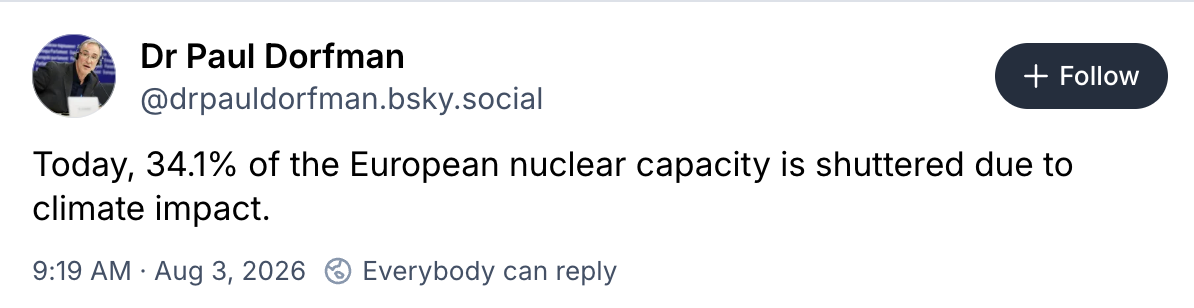
Research indicates that a 15C rise in intake water temperature can cost a large reactor roughly 6% of its output. While this is a manageable loss in isolation, the cumulative impact is significant. Between 2003 and 2022, heatwaves accounted for a 0.6% annual reduction in global nuclear generation. In 2026, the issue reached a breaking point, with some regions seeing nearly 30% of their nuclear capacity offline during peak demand.
The Gas Conundrum
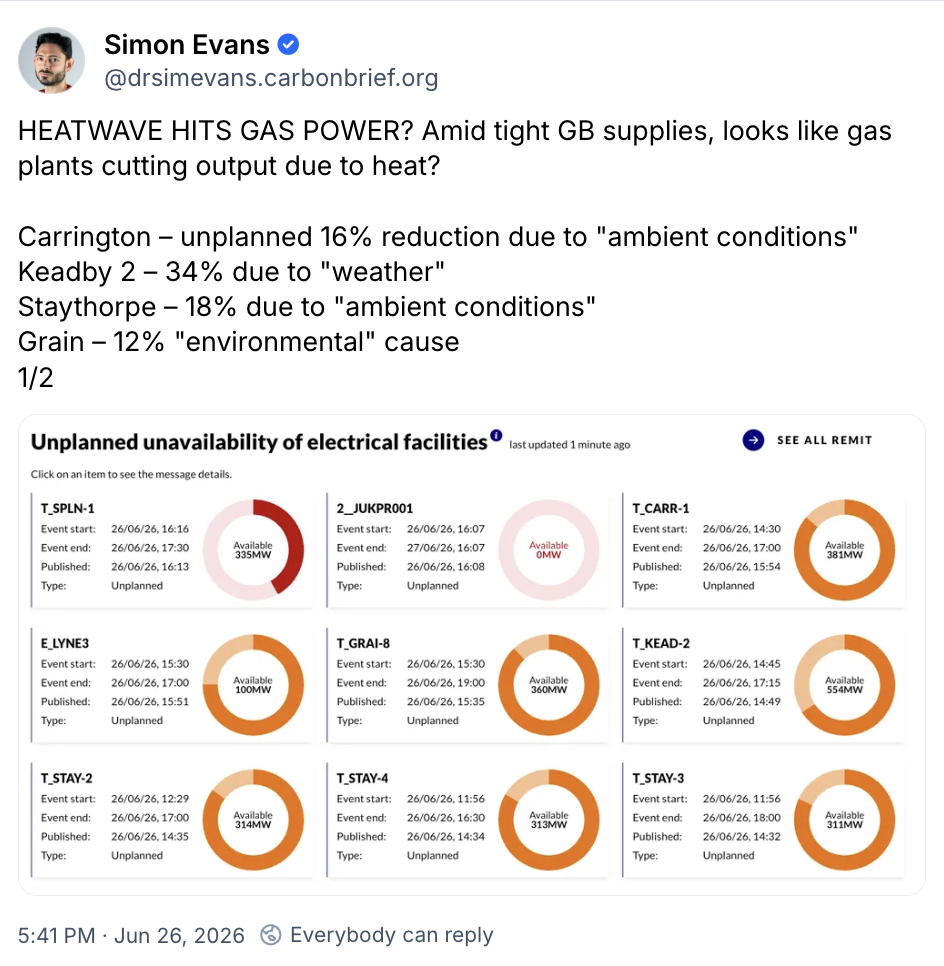
Gas power plants, often lauded for their "dispatchable" nature, are surprisingly sensitive to ambient heat. As air density drops with rising temperatures, gas turbines—which rely on intake air to facilitate combustion—lose significant power. At 40C, a gas-fired station can experience a capacity reduction of up to 13%.
Critically, as Dr. Iain Staffell of Imperial College London notes, the "reliability" of gas is often a function of spare capacity. Because gas plants are not typically run at maximum output, the grid has historically relied on "slack" to ramp up production during heatwaves. However, as extreme weather events become longer and more frequent, this slack is disappearing, leading to price spikes that place enormous burdens on consumers.
Wind and Solar: The Dual Dynamic
Wind generation is frequently hampered by high-pressure "heat domes" that coincide with extreme temperatures. When winds die down, turbine output can fall by 30-50% in affected regions.
Conversely, solar energy is uniquely positioned to handle daytime heatwaves. Although photovoltaic (PV) efficiency drops slightly as panel temperatures rise (by roughly 0.4% per degree Celsius), this loss is more than offset by the long, cloudless days that define heatwave events. In June 2026, the EU generated a record 52TWh of solar power, demonstrating that while solar is not immune to heat, it remains a robust contributor during the very hours when air conditioning demand is highest.
Official Responses and Strategic Shifts
Energy ministries and industry bodies are no longer treating heatwaves as "black swan" events but as standard operational challenges. The response has been twofold: short-term regulatory flexibility and long-term infrastructure adaptation.
In several instances during the 2026 crisis, governments issued temporary waivers on environmental regulations regarding water discharge temperatures for nuclear plants. While necessary for grid stability, these measures highlight the tension between energy security and environmental protection.
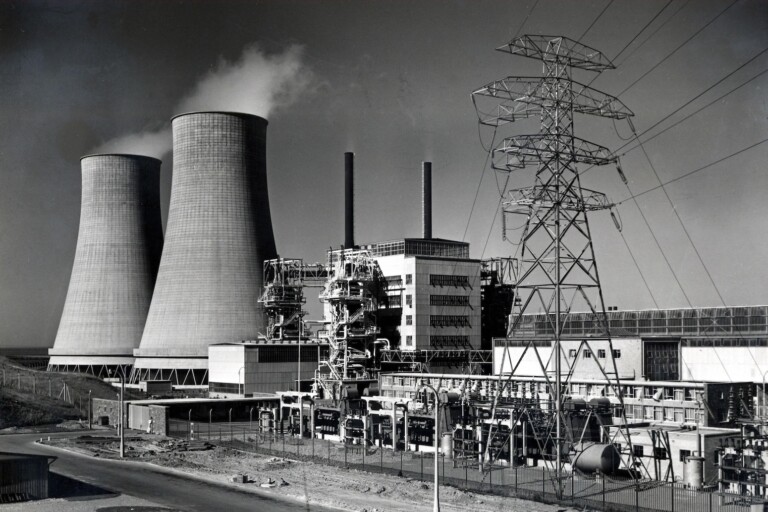
The industry is also investing in "climate-proofing." EDF, for instance, is actively evaluating the installation of additional cooling towers at its most exposed nuclear sites. Meanwhile, battery storage is being deployed at an unprecedented scale. With over 108GW of battery capacity added globally in 2025, operators are now using these systems to soak up solar energy during the day and discharge it during evening peaks, effectively bridging the gap when the sun sets but the heat—and the demand for cooling—remains.
Implications for Global Energy Policy
The lessons of 2026 are clear: the transition to a low-carbon energy system is not merely about replacing fossil fuels with renewables; it is about building a system that is resilient to the volatile climate it is helping to create.

- Flexibility is the New Baseload: The era of relying on a few massive, centralized power plants is coming to an end. Future grids must prioritize "demand-side flexibility," where appliances and industrial processes automatically adjust to supply constraints.
- Interconnection as Insurance: As seen in the European experience, national grids are increasingly interdependent. Increased cross-border transmission capacity allows regions with excess wind or solar to support neighbors struggling with thermal plant outages.
- Storage Integration: Batteries are no longer an "optional" addition; they are a critical component of grid stability. Policy must focus on market mechanisms that incentivize the deployment of storage where it is needed most—at the distribution level.
- Regulatory Reform: The legal bottlenecks that force nuclear plants to shut down during heatwaves must be addressed through better engineering and smarter environmental management, ensuring that plants can operate safely without destroying the very ecosystems they rely on.
As Pawel Czyzak of Ember aptly summarizes, "Heatwaves will not go away—they will only get more severe." The 2026 energy crisis has provided a necessary, if painful, wake-up call. The future of energy security lies not in defending legacy technologies or scapegoating new ones, but in designing a holistic, flexible, and resilient network capable of enduring a warming world. The transition is no longer just about carbon; it is about survival in an era of climate extremes.


 Ammar Sabilarrohman
 Nana Wu
 Lina Irawan

 Suro Senen
 Jia Lissa