
 Suro Senen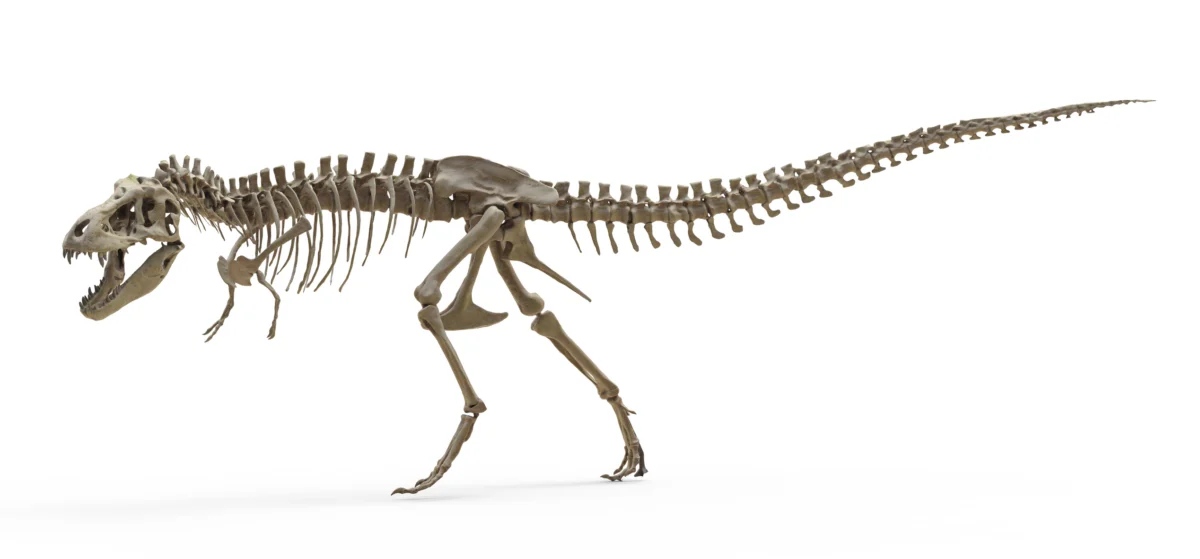
For nearly a century, the Tyrannosaurus rex was trapped in a biological purgatory, depicted in museum dioramas and early cinema as a cold-blooded, sluggish beast. It was imagined as a creature that languished in the Cretaceous sun, waiting for the solar warmth to stimulate its metabolism before it could effectively hunt. However, the scientific consensus has shifted dramatically in recent decades, reframing the "King of the Dinosaurs" as an active, agile, and bird-like apex predator.
A pivotal new study published in the journal Science Advances has now provided some of the most compelling evidence to date regarding the T. rex’s internal engine. By employing advanced geochemical techniques on fossilized dental remains, researchers have determined that this massive carnivore maintained a body temperature strikingly similar to that of a modern elephant. This discovery suggests that T. rex was not merely a passive recipient of environmental heat, but likely a homeothermic endotherm—an animal capable of regulating its own internal temperature.
Main Facts: Measuring the Ancient Heartbeat
The research, led by geochemists Randon J. Flores and Robert A. Eagle at the University of California, Los Angeles, centered on the analysis of three T. rex teeth recovered from the Hell Creek Formation in Montana. By measuring the chemical "clumping" of isotopes within the tooth enamel, the team established that these creatures operated at an average body temperature of 36.3° Celsius (roughly 97.3° Fahrenheit).
This thermal reading places the T. rex in the same physiological bracket as large, modern land mammals. The findings effectively dismantle the lingering notion of a cold-blooded "lizard" and bolster the theory that dinosaurs possessed sophisticated, high-energy metabolisms. While body size in such massive creatures can naturally conserve heat—a process known as inertial homeothermy or "gigantothermy"—the team’s data suggests that the T. rex’s internal temperature was significantly higher than what would be predicted for a purely cold-blooded animal of similar mass.
Chronology: From Sluggish Reptile to Warm-Blooded Apex Predator
The journey to this discovery is the culmination of a century of changing paradigms. In the early 20th century, the prevailing scientific view held that dinosaurs were effectively giant lizards. This "sluggish reptile" model dominated the public imagination for decades, reinforced by early fossil reconstructions that featured tail-dragging postures.
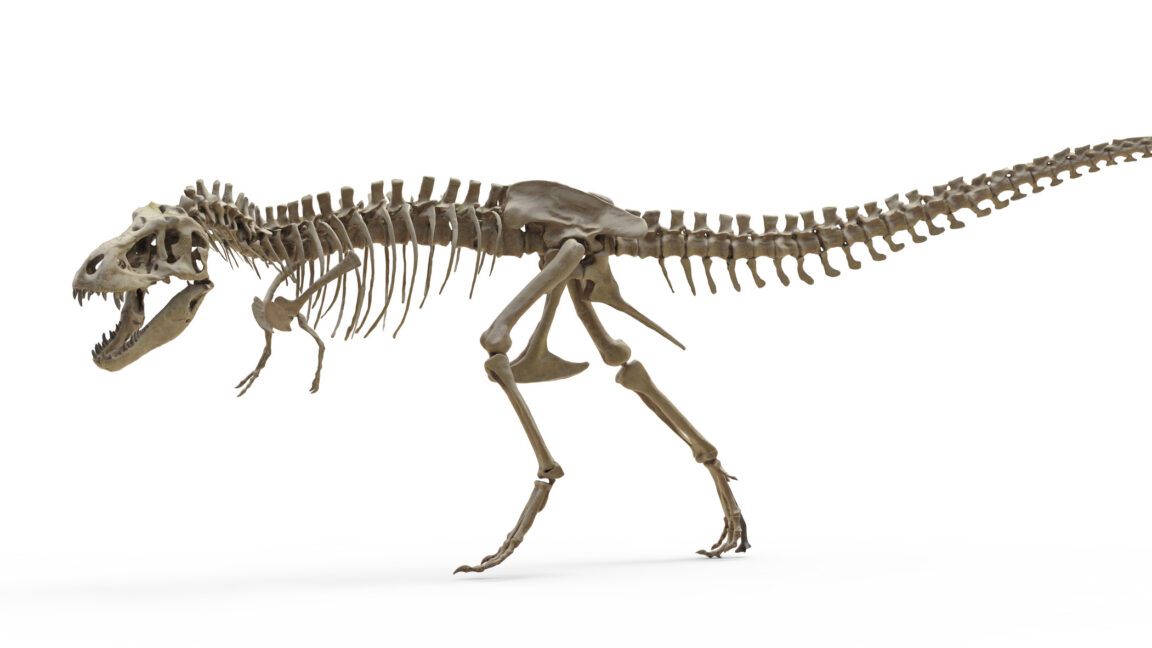
The "Dinosaur Renaissance" of the 1960s and 70s, led by figures like Robert Bakker and John Ostrom, challenged this. They argued that dinosaurs were active, social, and potentially warm-blooded, drawing parallels to modern birds. However, proof remained elusive because soft tissue does not survive in the fossil record.
Previous attempts to determine dinosaur body temperatures relied heavily on oxygen isotope ratios found in bone and teeth. These methods were notoriously flawed, as the ratios were skewed by the isotopic composition of the water available in the environment—a variable that is impossible to accurately reconstruct for the Late Cretaceous period.
The breakthrough came with the refinement of "clumped isotope thermometry." First pioneered in dinosaur research over a decade ago by Robert Eagle to study sauropods, this method focuses on the rare, heavy isotopes of carbon-13 and oxygen-18. Because the frequency of these isotopes bonding together (clumping) is dictated by the temperature at which the mineral forms, the tooth enamel acts as a permanent, geological thermometer. By analyzing the enamel—which is far more stable and resistant to diagenesis (chemical change after burial) than bone—the team successfully bypassed the water-composition variable that had stymied earlier generations of paleontologists.
Supporting Data: The Teeth of the Hell Creek Giants
The research team utilized three teeth provided by the Natural History Museum of Los Angeles County. Two of these specimens belonged to a juvenile T. rex estimated to weigh over three tons, while the third was a partial tooth from another individual. To ensure the integrity of their data, the team performed rigorous quality control.
Before finalizing their temperature readings, the researchers compared the isotopic signatures of the enamel and the dentin. Because these two tissues would react differently to chemical degradation over 66 million years, the fact that they remained distinct was a clear indicator that the teeth had not been chemically altered during their interment. Furthermore, infrared spectroscopy confirmed that the fossil enamel closely mirrored the structure of modern alligator teeth, confirming that the mineral composition had remained intact.
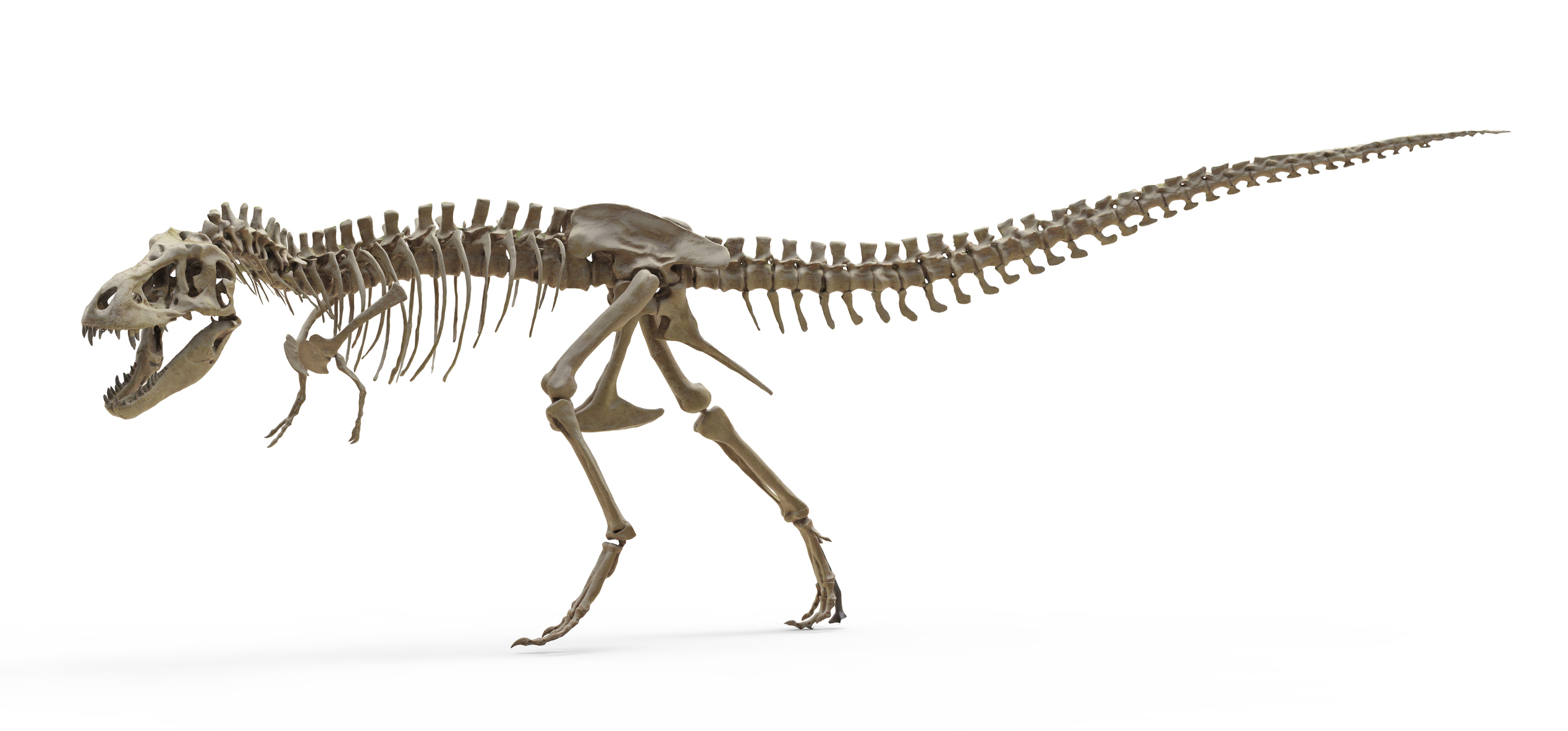
When compared to contemporaneous crocodilians found in the same geological strata, the T. rex stood out. The crocodilians averaged 30.9° Celsius, consistent with the behavior of modern reptiles that bask in the sun to regulate their temperature. In contrast, the T. rex specimens averaged 36.3° Celsius, maintaining a consistent thermal gap that matches the difference seen today between large mammals and crocodilians.
To determine if this warmth was simply a byproduct of the environment, the team analyzed freshwater mussels from the same formation. These mussels, which primarily record summer water temperatures, showed that the ambient environment of the Hell Creek Formation averaged roughly 26° Celsius. Even under the most aggressive climate modeling scenarios for the Late Cretaceous, the environment would not have supported a 36° body temperature without an internal metabolic heat source.
Official Responses and Scientific Implications
The study has sent waves through the paleontology community, as it provides a concrete physiological "anchor" for theories that were previously based on indirect evidence like bone growth rates and geographic distribution.
"This is the kind of data we have been waiting for," noted an independent researcher familiar with the study. "For years, we’ve inferred metabolism based on growth rings in bones, which is compelling but indirect. By looking at the actual thermal output of the animal, we are moving from theory to empirical measurement."
However, the authors of the study are careful to note that while the temperature is settled, the exact metabolic strategy remains a subject for further debate. A 36° body temperature confirms that the animal was warm, but it doesn’t definitively explain how that heat was generated or maintained at a cellular level throughout all life stages.

The study also included a "virtual species" computer model to test the environmental limits of T. rex. By inputting the measured thermal data into a climate model that accounted for seasonal rainfall and the shifting coastlines of the Western Interior Seaway, the team found that T. rex was not restricted by climate. In fact, their model suggests that T. rex had the physiological flexibility to inhabit almost any region of North America, from the humid southern lowlands to the cooler northern reaches. This aligns with recent fossil discoveries in Alaska and the Trans-Pecos region of Texas, which had previously been difficult to reconcile with a "tropical-only" view of the dinosaur.
Implications for Future Research
The implications of these findings extend far beyond the T. rex. If this technique can reliably measure the body temperatures of large theropods, it opens the door to a massive mapping project of dinosaur physiology.
"The next phase of this research is to apply this to the broader dinosaur family tree," the authors suggest. "We want to know when this high-energy, warm-blooded strategy first evolved. Did it appear in the small, early ancestors of the T. rex, or was it a later adaptation that allowed them to reach such massive sizes?"
The study also hints at the potential for "seasonal bias," as the teeth only represent a small window of growth. While the consistency of the three teeth sampled suggests a stable internal temperature, the researchers acknowledge that larger sample sizes will be needed to rule out variations based on the animal’s age or seasonal fluctuations.
For now, the T. rex has been reclaimed. No longer a creature waiting for the sun to wake up, the "King" is now understood to have been a highly efficient, warm-blooded engine of evolution, capable of dominating the North American landscape regardless of the weather. As the scientific community continues to refine these techniques, the image of the dinosaur—once thought to be a relic of a primitive past—is increasingly revealing itself to be as complex and biologically sophisticated as the animals that roam the Earth today.


 Jia Lissa
 Evan Lee Salim

 Ali Ikhwan
 Lina Hope